Tag: genetics

  • Cyprus cows: Cyprus’ Cows Celebrate Heritage in New Documentary

    Cyprus cows: Cyprus’ Cows Celebrate Heritage in New Documentary

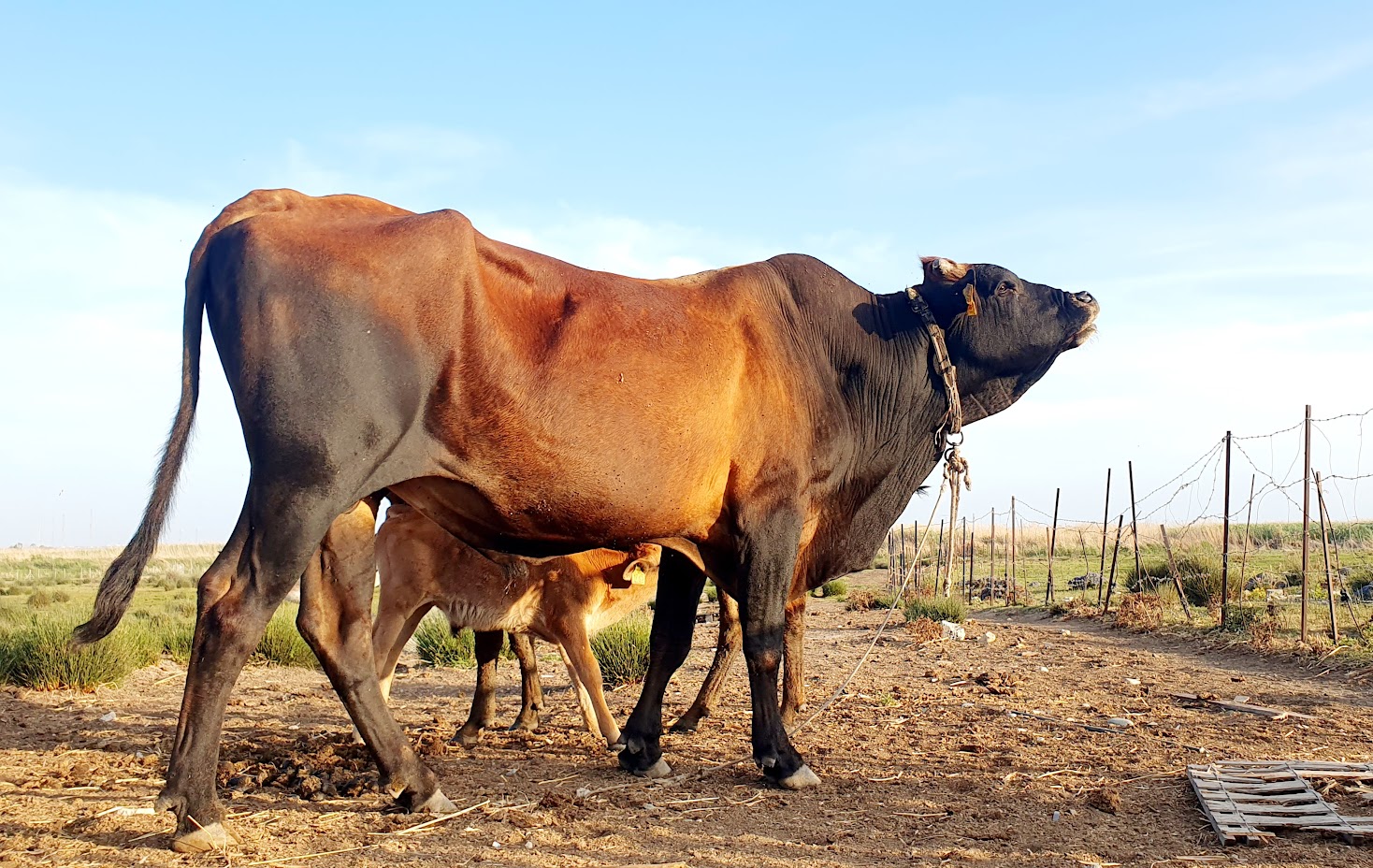
    cyprus cows — cyprus cows — Cyprus’ cows take centre stage in a new documentary that highlights their historical significance and current challenges. The film, titled The World Shrinks, premiered earlier this week at the Pantheon Cinema in Nicosia and brings to light the unique role of these animals in Cypriot agriculture and culture.

    Cyprus cows: A Rich Tapestry of History and Science

    The documentary delves into the story of the Cypriot cow, a creature that has been integral to farming on the island for centuries. It combines elements of archaeology, history, genetics, and folklore to showcase both well-known and unexpected facets of the cow’s legacy. This multifaceted approach aims to educate viewers on the importance of agricultural biodiversity and the rich heritage these animals represent.

    Voices of Expertise

    Anna Spyrou, a researcher involved in the film’s creation, expressed her fascination with the cows, attributing it to a blend of scientific inquiry and personal narratives from individuals she has met over the years, some of whom have since passed away. “These cows have seen it all,” she remarked, underscoring the deep connection between the animals and the people who have relied on them.

    Dr Efi Snow, representing the agriculture minister, referred to the cows as “a living treasure” of Cyprus. This sentiment was echoed by India’s High Commissioner, Manish Manish, who highlighted the genetic links of the Cypriot breed to Bos indicus, suggesting a surprising connection to Indian cattle.

    Scientific Insights and Cultural Significance

    The documentary is grounded in the Areti research programme, a collaboration involving the Cyprus Institute, the agricultural research institute, and Dublin’s Smurfit Institute of Population Genetics. It features genomic profiling of 10 per cent of the island’s local cows, marking a scientific first for Cyprus. This research provides crucial insights into the breed’s adaptation to the island’s unique climate and terrain.

    Dr Anastasios Leventis from the AG Leventis Foundation noted that the research has resolved many queries regarding this ancient breed, further emphasising their vital role in the rural landscape of Cyprus. Professor Thilo Rehren from the Cyprus Institute added that these cows are not merely livestock; they are interwoven into the very fabric of rural society and deserve robust protection.

    Capturing the Rural Experience

    The film not only presents scientific data but also captures the essence of rural life. Viewers are taken through the daily realities of farming, which involves hard work, dedication, and, at times, the stubbornness of the animals themselves. The documentary aims to foster an appreciation for the labour that goes into maintaining the agricultural heritage of Cyprus.

    The Importance of Preservation

    One of the film’s key messages is the importance of preserving agricultural biodiversity. As farming practices evolve and modernisation takes hold, there is a risk that traditional breeds, like the Cypriot cow, may vanish. This documentary serves as a timely reminder of the need to protect these animals, not just as agricultural assets but as symbols of cultural identity.

    Engaging the Community

    The screening at the Pantheon Cinema was well-received, attracting a diverse audience eager to learn more about the cows that have shaped the island’s agricultural landscape. The film’s engaging narration and visual storytelling have sparked conversations about the future of farming in Cyprus and the role of these animals in it.

    As the documentary gains traction, it is hoped that it will inspire further discussions on sustainable farming practices and the importance of maintaining local breeds. By highlighting the historical and cultural significance of Cyprus’ cows, The World Shrinks aims to instil a sense of pride and responsibility among viewers.

    Looking Ahead

    In an era where many traditional practices are at risk of being lost, documentaries like The World Shrinks play a crucial role in preserving cultural narratives. They remind us of the intrinsic value of our agricultural heritage and the animals that have been by our side throughout history.

    As the conversation around agricultural sustainability continues to evolve, the insights shared through this documentary could serve as a catalyst for renewed interest in protecting not just the cows of Cyprus, but the ecosystems they inhabit.
  • Thalassemia — Cyprus Institute Launches Innovative Gene Therapy Project for Thalassemia

    Thalassemia — Cyprus Institute Launches Innovative Gene Therapy Project for Thalassemia

    A new gene therapy project at the Cyprus Institute of Neurology and Genetics aims to tackle the root cause of beta-thalassemia, a prevalent inherited blood disorder in Cyprus.

    • A new gene therapy project at the Cyprus Institute of Neurology and Genetics aims to tackle the root cause of beta-thalassemia, a prevalent inherited blood disorder in Cyprus.
    • As the project progresses, the potential impact on the lives of those affected by beta-thalassemia could be transformative, moving towards a future where the disease is no longer a lifelong burden.

    Addressing a Critical Health Challenge

    The Molecular Genetics Thalassaemia Department (MGTD) has unveiled the BETA-BET: Targeted Base Editing for Beta Thalassemia project, designed to develop a one-time, curative therapy. This initiative specifically targets the HBBIVSI-110 mutation, the most common cause of beta-thalassemia on the island.

    Understanding Beta-Thalassemia

    Beta-thalassemia is a serious hereditary condition resulting from mutations in the β-globin gene (HBB), which plays a vital role in producing haemoglobin, the protein responsible for oxygen transport in the blood. Individuals affected by this disorder often require lifelong blood transfusions to manage chronic anaemia and compensate for their body’s inadequate production of functional red blood cells.

    Project Timeline and Funding

    The BETA-BET project commenced on June 1, 2025, and is set to last for 24 months. It has a total funding of €198.83 million, with financial support from the Research and Innovation Foundation (RIF), the European Union, and the Republic of Cyprus.

    Building on Previous Success

    This new project builds on a prior RIF-funded initiative that involved collaboration with George Papanikolaou Hospital, the Aristotle University of Thessaloniki, and the University of Freiburg. That earlier study successfully evaluated gene-editing tools in stem cells from individuals with two copies of the HBBIVSI-110 mutation, demonstrating the potential to correct genetic defects and restore normal red blood cell production.

    Scientific Goals of the BETA-BET Project

    The BETA-BET project has outlined two primary scientific objectives. The first goal is to expand and validate the effectiveness of “base editing” technology for a broader patient demographic known as compound heterozygotes. These patients carry the HBBIVSI-110 mutation alongside another mutation in the same gene, representing a significant portion of the thalassemia population. In fact, globally, compound heterozygotes are over three times more common than homozygotes, making this research particularly relevant in regions such as Greece and Egypt, where the HBBIVSI-110 mutation is prevalent in over 19 per cent of the population.

    Innovative Gene Editing Technology

    Base editing acts like a microscopic “biological pencil and eraser,” allowing scientists to precisely identify and correct a single “letter” error in the DNA sequence without cutting the DNA strands. This method provides a safer and more controlled approach to gene therapy compared to traditional techniques, paving the way for broader clinical application.

    New Delivery Methods for Gene Therapy

    The second objective involves the development of a cutting-edge delivery platform using engineered virus-like particles (eVLPs). These particles function as “microscopic delivery drones,” designed to transport gene-editing tools directly to blood-producing stem cells. This innovative delivery method could ultimately simplify the treatment process, allowing it to be administered via a simple injection rather than the current complex and costly procedure that requires the removal, editing, and reinfusion of stem cells.

    Collaboration and Expertise

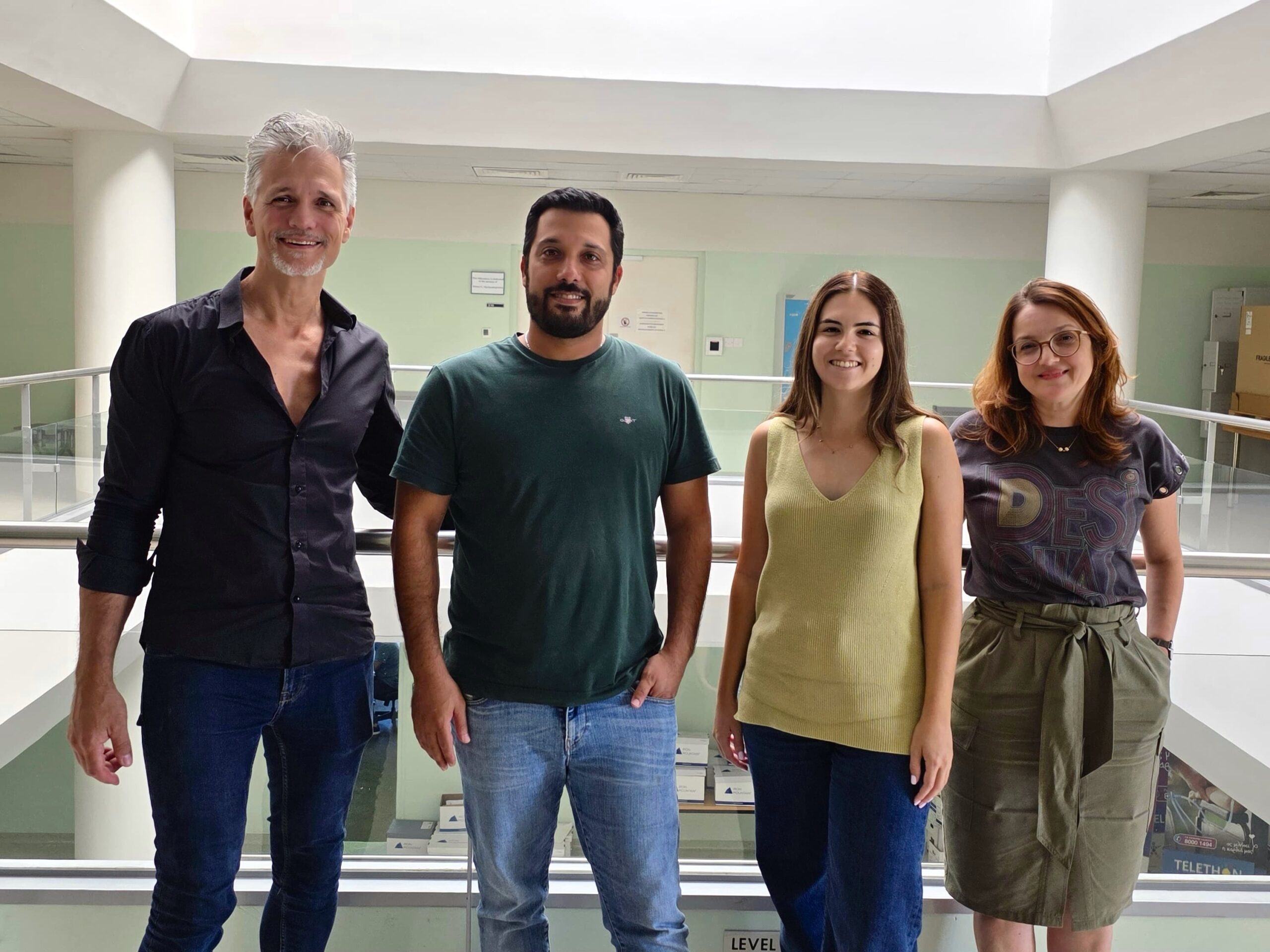
    The project is being coordinated by Dr Petros Patsali, Associate Scientist at MGTD, alongside a team that includes Dr Carsten W. Lederer, Head of Department, Dr Nikoletta Papaioannou, Postdoctoral Researcher, and Dr Panayiota Papasavva, Hematologist and Clinician-Researcher. They are collaborating with a network of national and international partners, including Dr Soteroula Christou from the State Health Services Organization’s Thalassaemia Clinic in Cyprus, Prof Dr Toni Cathomen from the University Medical Center Freiburg in Germany, Dr Annarita Miccio from the Imagine Institute of Genetic Diseases in France, and Dr Maria N. Dimopoulou from Laiko General Hospital in Athens.

    A Promising Future for Thalassemia Patients

    The Cyprus Institute of Neurology and Genetics has stated, “The BETA-BET programme represents a crucial step toward a potential cure for the majority of people living with thalassemia.” By broadening the therapy’s reach and developing a safer delivery system, the institute believes this research could offer a personalised, one-time treatment for many patients who currently depend on lifelong transfusions.

    As the project progresses, the potential impact on the lives of those affected by beta-thalassemia could be transformative, moving towards a future where the disease is no longer a lifelong burden.