Tag: geopolitics

  • Kombos Urges EU to Foster Cooperation and Dialogue with the US

    Kombos Urges EU to Foster Cooperation and Dialogue with the US

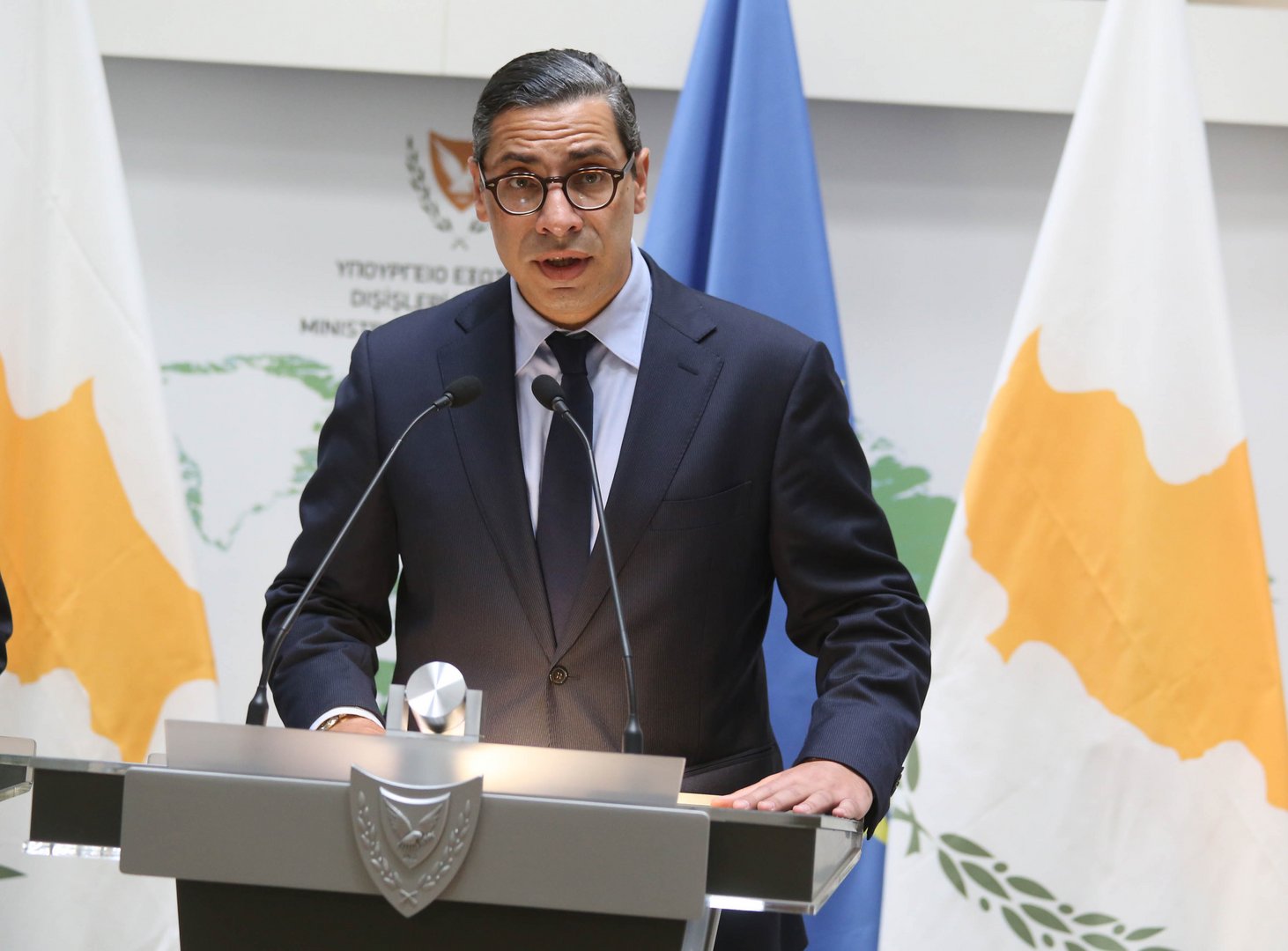
    Foreign Minister Constantinos Kombos emphasised the importance of maintaining a forward-looking cooperation and constructive dialogue with the United States. Speaking on Wednesday, he stated that this longstanding partnership must be preserved, particularly in times of uncertainty.

    • The overarching goal remains clear: to avoid escalation, which could detrimentally affect both the EU and US, as well as transatlantic relations.

    Kombos highlighted the need to focus on areas of convergence while also addressing contentious issues. “We seek to maintain a forward-looking cooperation and a constructive dialogue with the United States,” he remarked.

    Concerns over Greenland’s status have raised tensions, especially following previous demands from former President Donald Trump for the territory to be transferred to US control. Kombos noted that the EU has been following these developments closely, advocating for sincerity and stability in fundamental values and respect for geopolitical integrity.

    He expressed full solidarity with Denmark regarding its sovereignty and territorial integrity. These statements came after European Affairs Deputy Minister Marilena Raouna praised the EU’s unity and resolve in response to Trump’s Greenland comments during a European general affairs council meeting in Brussels.

    Raouna stated, “The EU acted with unity, with resolve, demonstrating that even in the most challenging of circumstances, it remains committed to upholding international legality and territorial integrity.” She underscored the necessity of maintaining strong relations with the US while conveying a clear message of unity and determination from the EU.

    As the holder of the Council of the EU’s rotating presidency, Cyprus is focusing on dialogue and diplomacy, especially in light of ongoing geopolitical developments. Raouna’s remarks came alongside President Nikos Christodoulides’ assertion that EU-US relations have not been irreparably harmed by Trump’s rhetoric.

    Christodoulides stated, “We are here to de-escalate, not to escalate,” while reiterating the EU’s commitment to finding positive pathways forward without undermining the sovereignty of any member state. He stressed that the EU respects the sovereignty and territorial integrity of Denmark and understands the implications of such violations more than any other member state.

    The overarching goal remains clear: to avoid escalation, which could detrimentally affect both the EU and US, as well as transatlantic relations.

  • Disinformation — Cyprus Intelligence Links Alleged Corruption Video to Russian Disinformation Campaign

    Disinformation — Cyprus Intelligence Links Alleged Corruption Video to Russian Disinformation Campaign

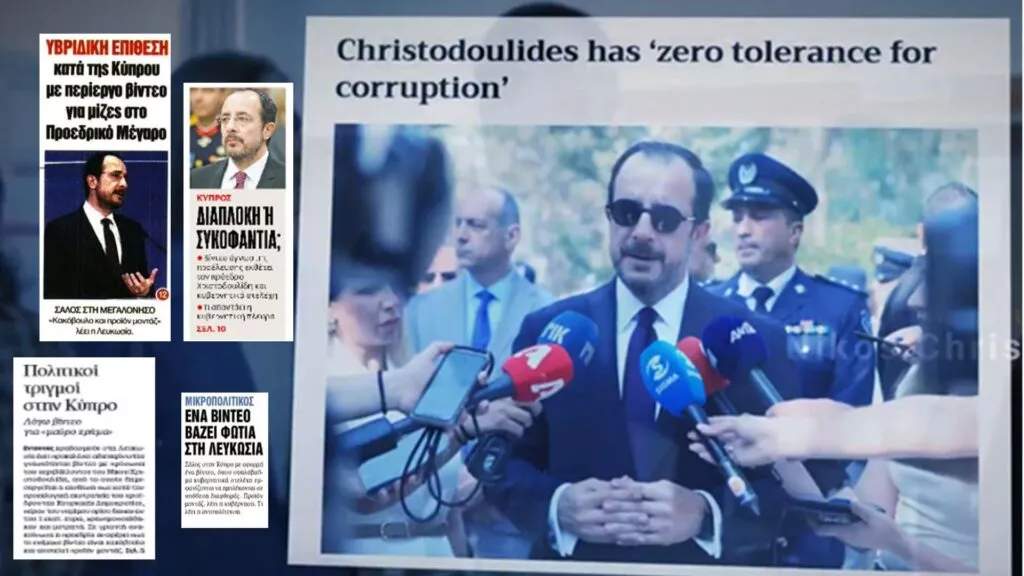
    The Republic of Cyprus is reportedly the target of a Russian disinformation attack following the release of a video alleging corruption at the Presidential Palace. State intelligence experts have characterised the operation as an organised “hybrid operation,” according to sources within the security services who spoke to Philenews.

    Disinformation: Targeted Individuals and Allegations

    The video in question prominently features former minister Yiorgos Lakkotrypis and presidential aide Charalambos Charalambous. It appears to have been crafted using tactics associated with a “Doppelganger” campaign, a Russian-linked disinformation strategy that has been active since 2021. This approach has previously been utilised against nations including France, Germany, and the United States, employing compromising material to politically undermine targets.

    Indicators of a Coordinated Attack

    Intelligence analysis has identified several key indicators suggesting Eastern European involvement:

    • Linguistic Evidence: An individual posing as an investment manager approached the targets, speaking English with a noticeable Eastern European accent.
    • Methodology: The video was disseminated anonymously on the platform X, presented as investigative journalism, and notably lacked any attempt to secure a right of reply from those depicted.
    • Timing: The emergence of the video coincides with significant geopolitical events, including Cyprus’s assumption of the EU Council Presidency, the visit of Ukrainian President Volodymyr Zelenskyy, and discussions with US officials regarding the “Andreas Papandreou” airbase.

    Government Response and Investigation Progress

    Since the video’s release, the Cyprus Intelligence Service (KYP) has maintained communication with the Presidential Palace. The allegations suggest that the Christodoulides administration may have engaged in illegal cash donations to surpass a €1 million campaign spending limit, potentially establishing a “pay-for-play” system for corporate interests.

    Lakkotrypis, who was allegedly entangled in the scheme through a fictitious €150 million energy investment from a Dutch fund, provided a formal statement to the Criminal Investigation Department (CID) on Friday afternoon. Accompanied by his lawyer, he submitted documents and correspondence relating to his interactions with the fraudulent investors.

    The investigation has since escalated, with the case moving from the Nicosia CID to specialised units at Police Headquarters. The Cybercrime Division and the Forensic Science Department are now working to analyse the digital documents and metadata tied to the anonymous “Emily Thompson” account, aiming to uncover the video’s source.

  • Interconnector: DIKO President Nikolas Papadopoulos Critiques Christodoulides and Warns on Energy Project

    Interconnector: DIKO President Nikolas Papadopoulos Critiques Christodoulides and Warns on Energy Project

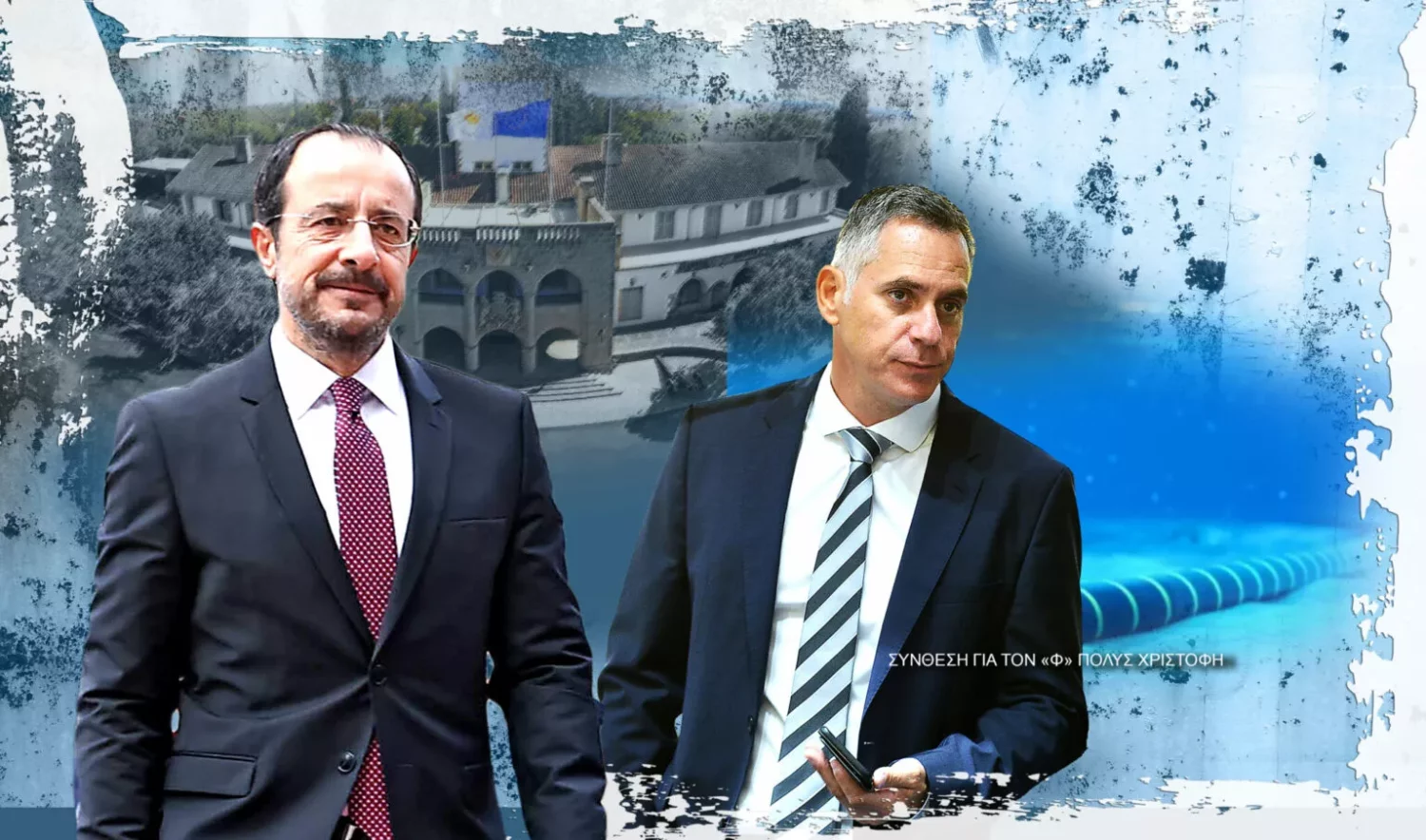
    DIKO President Nikolas Papadopoulos has voiced strong concerns regarding the government led by President Nikos Christodoulides, particularly highlighting the challenges surrounding the Cyprus-Greece electrical interconnector project.

    Disappointment in Cooperation

    In a recent interview with Politis, Mr. Papadopoulos expressed his discontent with the current administration’s performance, noting that the collaboration between DIKO and the President has not produced the desired results. He clarified that DIKO has not granted a “blank cheque” of support to the government, emphasising the party’s readiness to challenge the administration when it believes mistakes are being made.

    “We believe in the government’s programme and want to assist in its implementation, but the President of the Republic is the one who must decide whether he wants to improve the way his governance operates or whether he wants to continue with a problematic cooperation,” he stated.

    Concerns Over the Interconnector Project

    Mr. Papadopoulos has also raised alarms about the Cyprus-Greece electrical interconnector project, which he warns could face collapse if not handled carefully. He referred to such a failure as potentially “the worst geopolitical defeat for Cyprus since the S-300s.”

    Highlighting the project’s significance, he remarked on its geostrategic importance, underscoring the potential benefits it could bring, such as affordable electricity and the end of Cyprus’ energy isolation. He stated, “The GSI (Great Sea Interconnector) will bring us cheap electricity, end our energy isolation, and transform Cyprus into an energy conduit for the entire Eastern Mediterranean.”

    Mr. Papadopoulos expressed particular concern about the current delays and mixed messages from government officials regarding the project, suggesting that these could undermine its success. He warned, “We note that Cyprus and Greece fought battles in the past to exclude Turkey and the occupied territories from the European energy network. We greatly fear that if this project is led to collapse, Turkey and the occupied territories will re-enter Europe’s energy game.”

    Future Political Alliances

    Looking ahead, Mr. Papadopoulos discussed the importance of continuing the collaboration with the Democratic Rally (DISY) in the next parliament. He reminded the public of the successful history of cooperation between DIKO and DISY, particularly in critical moments such as integrating Cyprus into the euro and steering the economy away from the brink of bankruptcy.

    He concluded by asserting that “not only is there a prospect of cooperation with DISY in Parliament, but I believe that this cooperation is the only shield our people have against the economic destruction that the forces of the extremes and populism will bring if they prevail in the next Parliament.”

  • Cyprus ukraine: Cyprus Affirms Support for Ukraine Amid Ongoing Conflict

    Cyprus ukraine: Cyprus Affirms Support for Ukraine Amid Ongoing Conflict

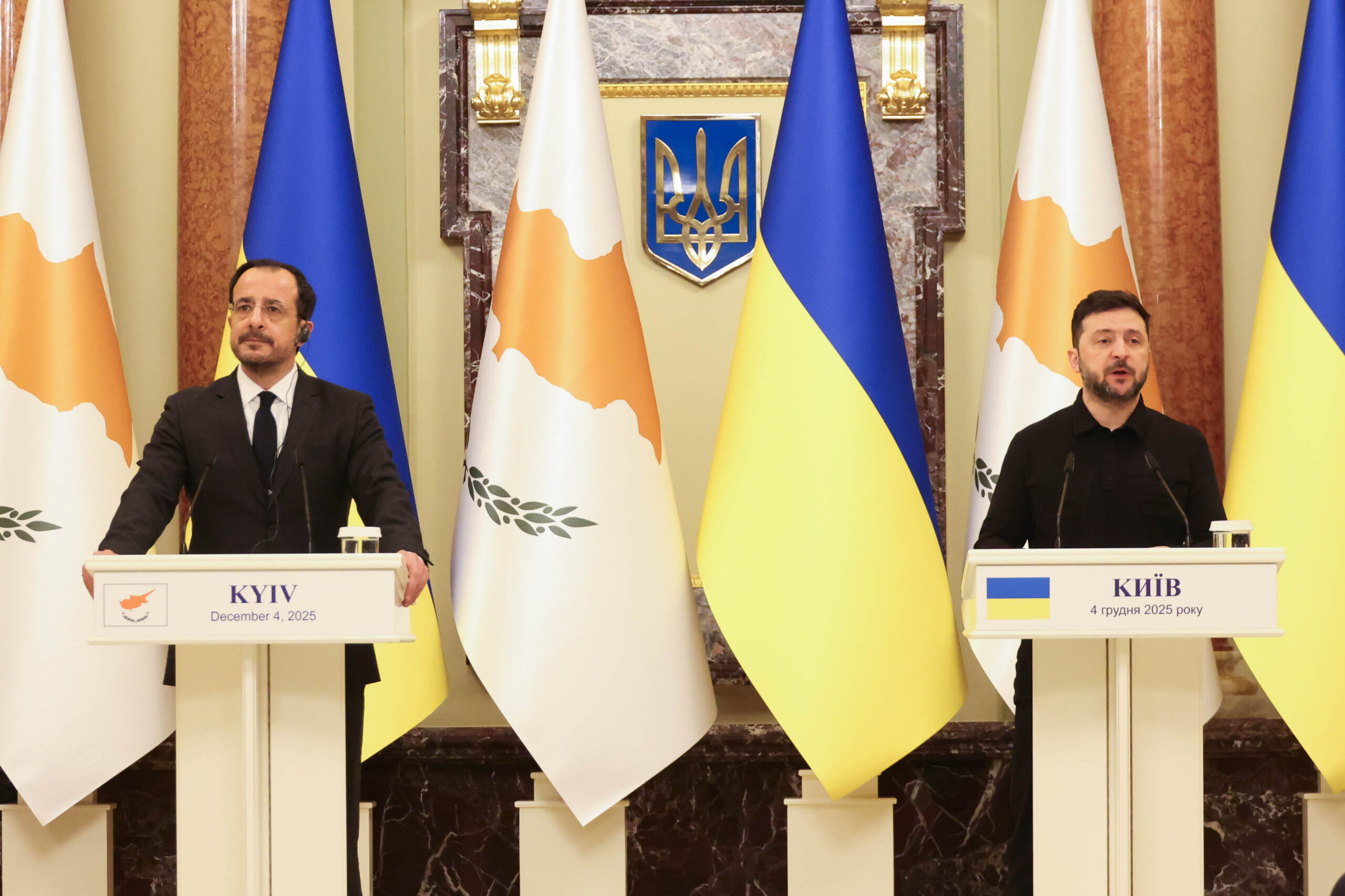
    cyprus ukraine — cyprus ukraine — Cyprus stands by the side of Ukraine, as President Nikos Christodoulides emphasised during his recent visit to Kyiv. He highlighted the importance of advancing peace efforts to resolve the ongoing Russian invasion, which has persisted for over three years. During his discussions with Ukrainian President Volodymyr Zelenskiy, Christodoulides reiterated that the conflict is fundamentally about defending universal principles and values.

    Photo: cyprus-mail.com

    Christodoulides praised Zelenskiy and the Ukrainian people for their remarkable resilience in the face of what he described as a “brutal and unprovoked invasion.” He expressed solidarity by acknowledging the shared experiences of Cyprus and Ukraine regarding military invasion and occupation, underscoring the emotional and historical connections between the two nations.

    Photo: cyprus-mail.com

    During their meeting, the two leaders discussed ongoing international efforts to achieve a peace agreement. Christodoulides stated, “The president briefed me on the situation resulting from the ongoing Russian invasion and its serious implications.” He reiterated Cyprus and the EU’s firm stance that any peace initiative must fully respect Ukraine’s sovereignty and adhere to the principles of the UN Charter, pointing out the direct connection between Ukraine’s security and that of the EU.

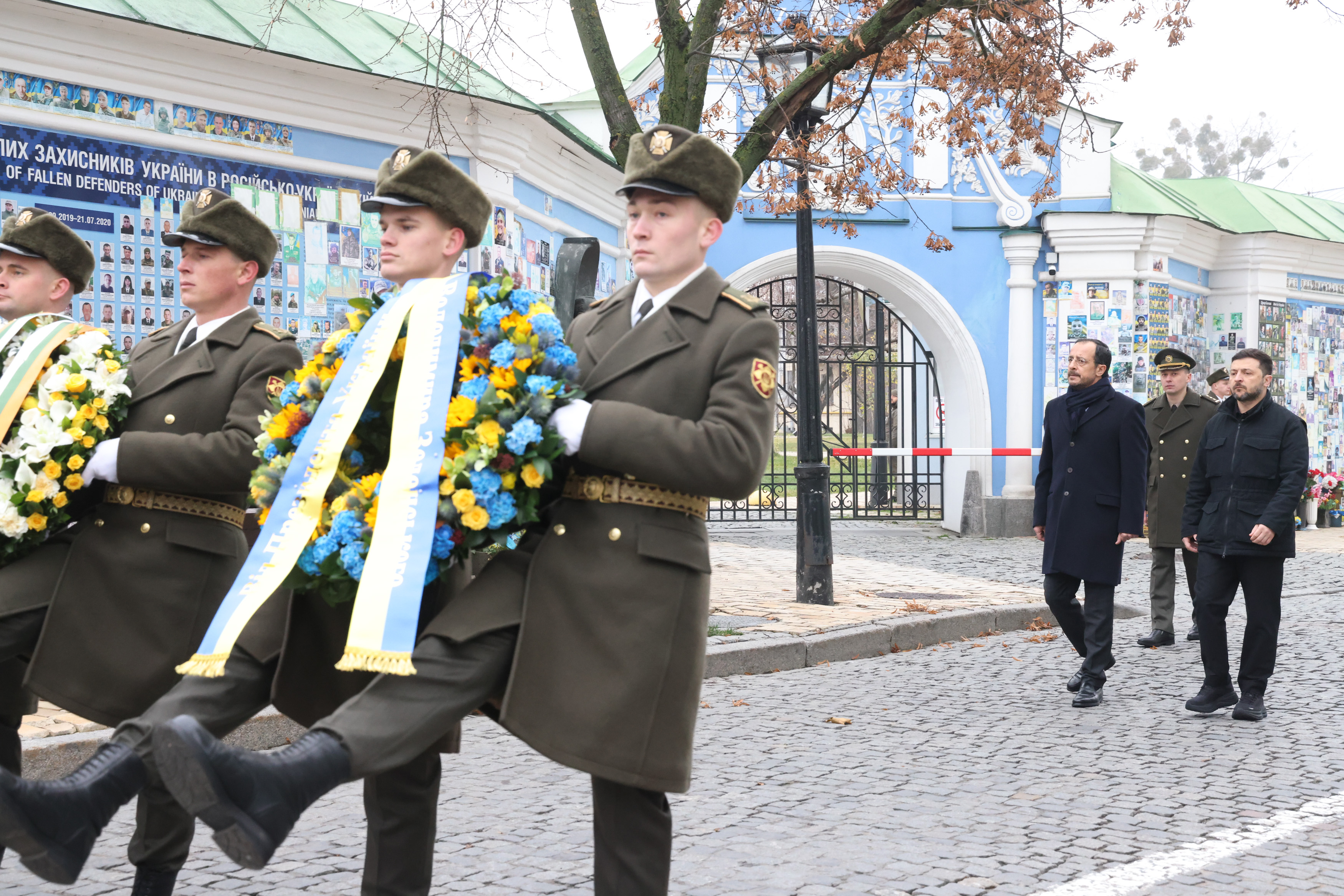
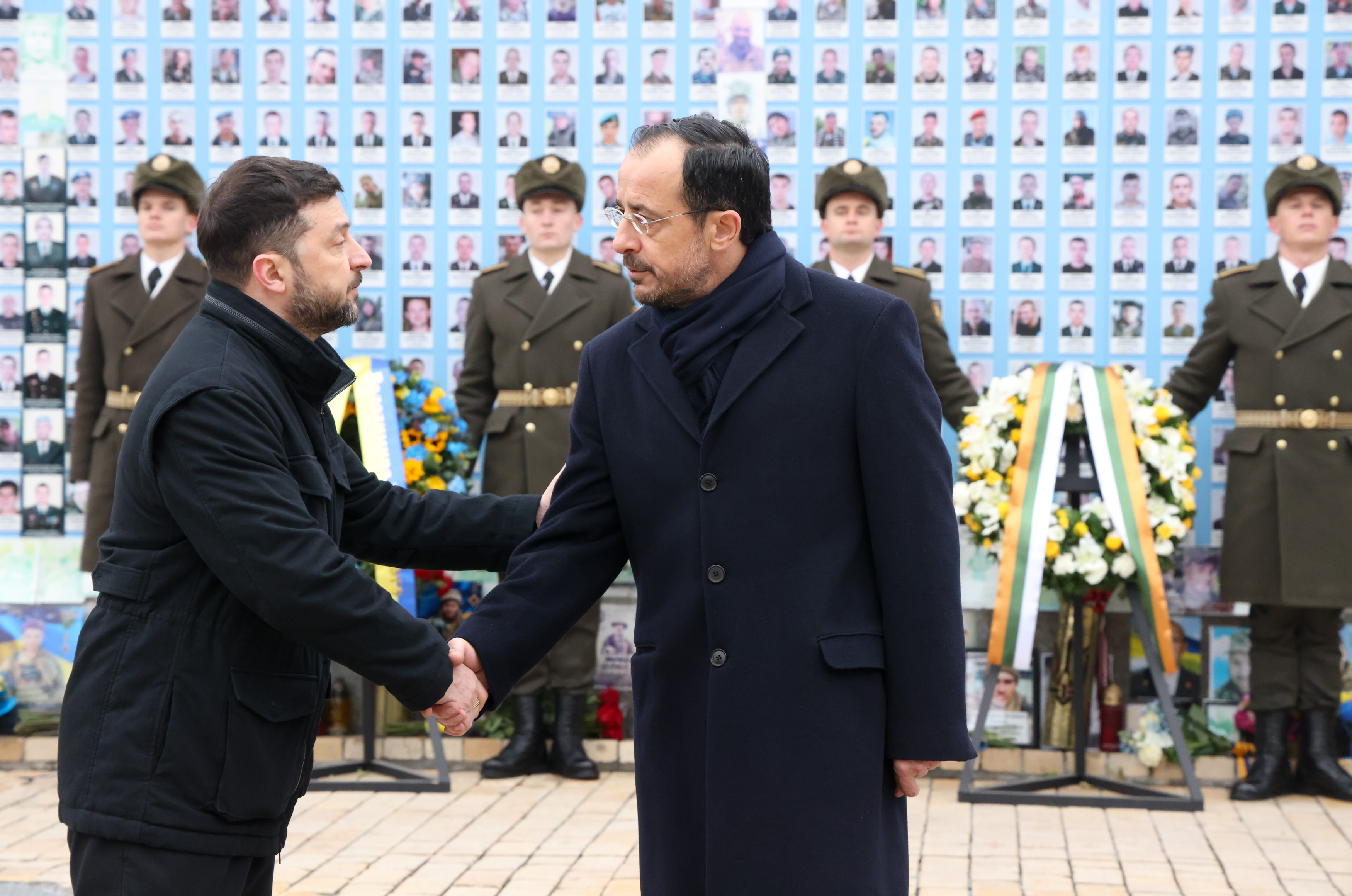
    While laying a wreath at the Wall of Heroes monument, Christodoulides also addressed the limitations of the EU’s support measures, which he felt were hampered by member states acting as “cunning neutrals.” He stressed the need to confront those states that exploit the tragedy of the Ukrainian people for their own interests.

    The conversation shifted towards Ukraine’s future relationship with the EU, particularly in light of Cyprus’ upcoming presidency of the EU Council in 2026. Christodoulides assured Zelenskiy that support for Ukraine would remain a priority during this time, including discussions on EU enlargement. He stated, “The Republic of Cyprus is fully prepared to contribute to cohesion in Europe amid increasing geopolitical pressures.”

    Christodoulides also acknowledged the Ukrainian community in Cyprus, which numbers around 25,000 people, highlighting a commitment to strengthen bilateral cooperation. He noted, “We are committed to deepening and broadening our bilateral cooperation, building on the strong Ukrainian community in Cyprus.” Cyprus ranks third in the EU for hosting the largest number of Ukrainians relative to its population.

    Zelenskiy expressed gratitude for Cyprus’ support in Ukraine’s EU accession efforts. He recognised Cyprus as a small state with relevant experience in pursuing a “European path” amid geopolitical challenges. He added, “This experience of ours, the experiences of the Cypriot people, since 1974 and the Turkish invasion and the occupation that has continued for 51 years, oblige us to be on the right side of history.”

    The meeting, described by government spokesman Konstantinos Letymbiotis as a “deeply symbolic visit,” underscored the solidarity that Cyprus has for Ukraine. Letymbiotis remarked that Cyprus expressed its unwavering dedication to the principles of sovereignty, independence, and territorial integrity of all states, stating, “Our stance is not just one of principle; it is deeply rooted in our own experience and continuous struggle for justice and the restoration of our rights.”

    As Cyprus continues to promote European priorities concerning security and unity, Christodoulides affirmed the island’s commitment to supporting sincere diplomatic efforts aimed at achieving a just and lasting peace in Ukraine.

  • Uncertainty Surrounds Great Sea Interconnector Cost and Future

    Uncertainty Surrounds Great Sea Interconnector Cost and Future

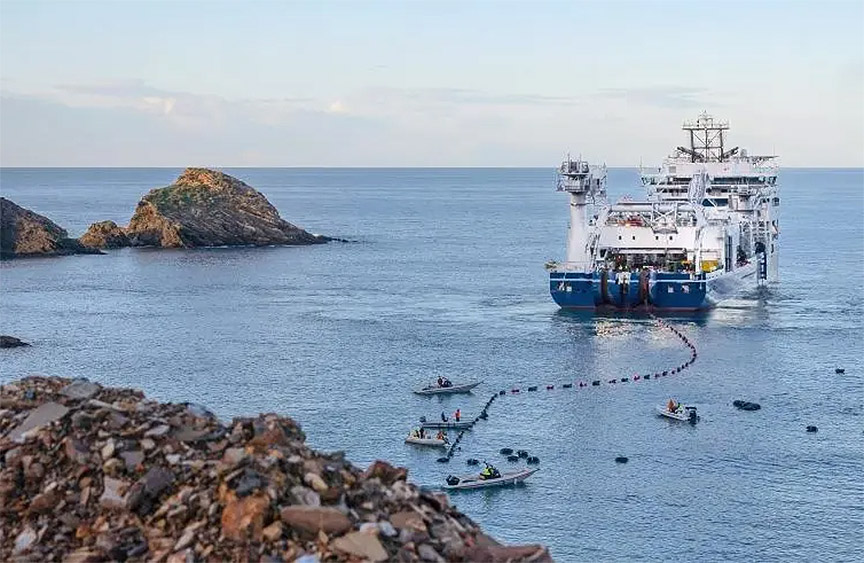
    The Great Sea Interconnector’s future is shrouded in uncertainty as discussions about its cost intensify. Recent talks in Athens led to an agreement to ‘update the techno-economic’ parameters, a move interpreted by many as indicative of stalled progress on the project. While some view this as a necessary step forward, others see it as a sign that the interconnector is struggling to gain momentum.

    Photo: cyprus-mail.com

    Great sea: Debate Over Project Viability

    Opinions on the interconnector diverge sharply. Critics argue that the announcement of a new feasibility study suggests a fundamental reassessment of the project. The GSI, which aims to connect the electricity grids of Cyprus and Greece via a subsea cable, currently faces a significant funding gap, estimated to be around €1 billion. Those sceptical of the project highlight that the necessity of further studies indicates a lack of confidence in its financial viability.
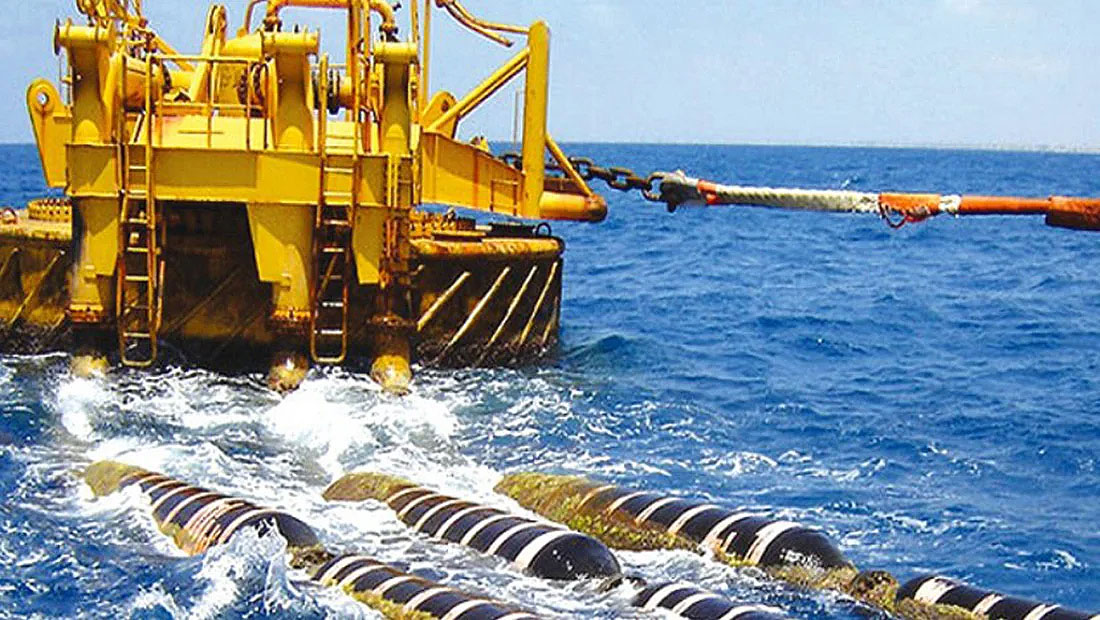
    Photo: cyprus-mail.com

    Funding Challenges

    Despite optimistic claims from Admie, Greece’s independent transmission operator and the project’s promoter, evidence of substantial investment interest remains elusive. Claims that the United States International Development Finance Corporation is considering involvement lack concrete backing. Currently, Admie has capital estimated between €250 million and €300 million and has also secured €650 million in grants from the European Commission. However, the projected cost of the interconnector stands at approximately €1.9 billion, leaving a significant funding shortfall.

    Government Statements and Investor Interest

    Following the Athens summit, Greek Energy Minister Stavros Papastavrou asserted that genuine interest from American investors exists. He stated, “Interest has been exhibited from the Americans, from American companies. We are in an exploratory phase. The Americans, as well as anyone else desiring to invest in a long-term project, they want the numbers, they want the data to understand the what, the how, and the where.”

    This perspective suggests that the feasibility study’s purpose is to provide clarity on costs, which will be critical for attracting potential investors. The study aims to determine whether the project can yield a healthy return on investment and if financial institutions will be willing to back it.

    Concerns Amidst Optimism

    However, sceptics raise valid concerns about the potential ramifications of the feasibility study. They question what would occur if the findings indicate that the interconnector is not financially viable. Would the governments of Cyprus and Greece proceed with a project deemed unfeasible? This uncertainty complicates the already precarious situation surrounding the GSI.

    Further complicating matters, the Turkish navy has deployed gunships to halt depth surveys required for the subsea cable, raising questions about the project’s feasibility if these critical surveys cannot be completed. A source familiar with the situation revealed that there is currently no clear understanding of the GSI’s total cost, contradicting positive outlooks from some officials.

    Historical Context and Previous Studies

    The interconnector project has a complicated history. Initially undertaken by EuroAsia Interconnector Ltd., the project was passed to Admie in October 2023. The Cypriot finance ministry previously submitted a cost-benefit analysis to the European Investment Bank (EIB) when EuroAsia was still involved, seeking an opinion rather than a loan application. The EIB’s recommendation advised Cyprus to invest in energy storage solutions instead.

    Admie later engaged the same consultancy that evaluated EuroAsia’s analysis to perform a second cost-benefit study, which indicated a more favourable outcome for the interconnector, albeit based on several optimistic assumptions.

    Political Perspectives and Future Prospects

    In light of the uncertainty, some remain steadfast in their belief that the GSI is essential for Cyprus’s energy security. Pavlos Liasides, who formulates energy policy for the Disy party, stated, “The GSI is a project that must be done, and will be done. It cannot be otherwise.” Liasides emphasised the interconnector’s significance in the broader context of regional energy needs, connecting Cyprus to the Middle East and Europe.

    He also highlighted the geopolitical implications of the project, noting that plans for interconnectors have been influenced by various international stakeholders, excluding certain nations, including Turkey. This exclusion adds a layer of complexity to the project’s implementation.

    Cost Implications for Consumers

    Addressing concerns about the project’s costs, Liasides pointed out that even if the GSI were to be completed without being utilised, the financial impact on consumers would be minimal, estimating an increase of only €15 per year on their bills over 25 to 30 years.

    Future Collaboration Between Cyprus and Greece

    Despite any perceived tensions between Cyprus and Greece regarding the interconnector, Liasides expressed confidence in the collaboration between the two nations. He noted the leaders’ public commitment to the project during their recent meeting in Athens, suggesting that both governments remain aligned in their objectives.

    As discussions continue, Liasides cautioned against inflammatory rhetoric that could undermine their efforts. He stated, “The GSI has adversaries; they are out there, lurking to poison relations between us and the Greek government. We mustn’t give them any ammunition.” This sentiment underscores the delicate balance that both countries must maintain as they navigate the complexities surrounding the Great Sea Interconnector.
  • DIPA Leader Calls Gaza Situation a Genocide of Palestinians

    DIPA Leader Calls Gaza Situation a Genocide of Palestinians

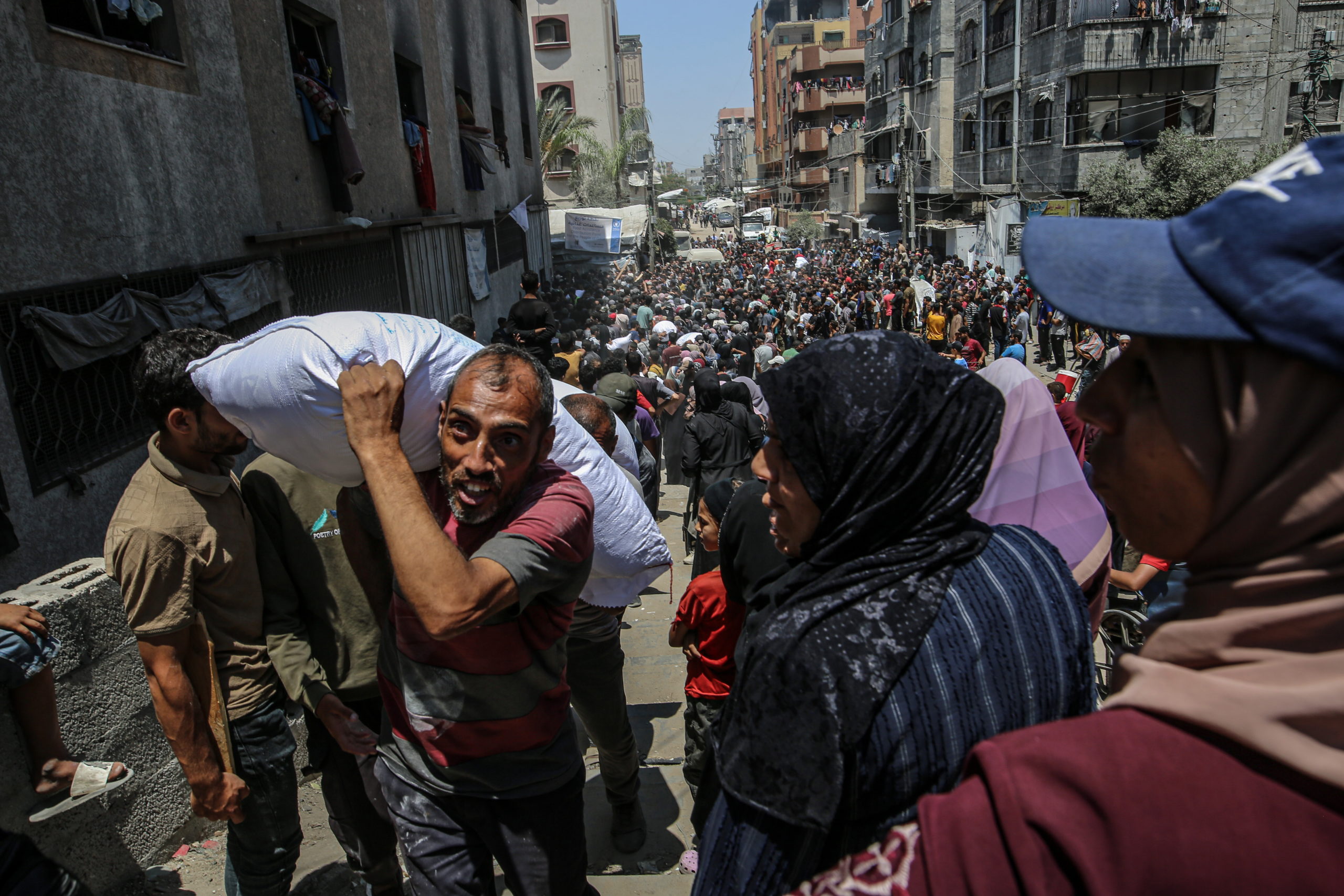
    During a recent television interview, Democratic Alignment (DIPA) President Marios Garoyan described the situation in Gaza as a “genocide of Palestinians.” His comments were made on Sigma TV, where he also addressed Cyprus’s Western alignment amid the ongoing conflict.

    Garoyan’s remarks come at a time when international powers face scrutiny for their positions on the Palestinian issue. He asserted, “With the same force that we condemn the Russian invasion of Ukraine, with the same voice we must shout: stop this genocide.” This statement highlights his belief that international law should not be selectively applied based on political convenience.

    He firmly rejected the notion that discussing the humanitarian crisis in Gaza could harm Cyprus’s national interests. “I categorically reject when we talk about genocide in Gaza that some third parties claim we are harming national interests,” Garoyan stated. He emphasised the importance of acknowledging the severity of the situation affecting civilians, particularly women and children in Gaza.

    Despite his strong criticisms, Garoyan reiterated Cyprus’s commitment to its Western orientation. “Cyprus has a clear orientation – and that is towards the West. It does not change, it does not alter,” he affirmed. He argued that political consistency should allow for criticism, particularly in matters of humanitarian concern.

    Garoyan also reflected on his previous role as the first parliamentary speaker to visit Israel in 35 years, stating, “I am not against Israel… Things are not one-dimensional. Politics needs realism and clear positions, not hypocrisy or ambiguities.” This comment underscores his call for a balanced approach to foreign relations.

    He pointed to Turkey as an example of how geopolitical balance can be maintained, noting that the NATO member has managed relations with Russia while facing tensions with Israel. Garoyan’s comments resonate within a broader discourse on international relations and the treatment of humanitarian crises.

    Garoyan’s condemnation of the situation in Gaza has sparked conversations about the responsibilities of nations and leaders in advocating for human rights amidst complex geopolitical realities. As the conflict continues, the narrative surrounding the humanitarian implications remains a pivotal aspect of the ongoing discussions.

  • Amalthea — Kombos Accuses Turkey of Obstructing Cyprus’ Amalthea Humanitarian Initiative

    Amalthea — Kombos Accuses Turkey of Obstructing Cyprus’ Amalthea Humanitarian Initiative

    Foreign Minister Constantinos Kombos has accused Turkey of obstructing the Republic of Cyprus’ humanitarian initiative called Amalthea. He described the actions of Ankara as a coordinated campaign aimed at derailing the aid corridor that Cyprus has been striving to establish.

    Turkey’s Diplomatic Pressure

    In an interview published on Sunday by Phileleftheros, Kombos stated that Turkey has been “quite inventive” in implementing various tactics to hinder Cyprus’ humanitarian plans. These tactics reportedly include exerting diplomatic pressure on third countries to undermine the initiative and casting doubts on its feasibility.

    Significance of the Amalthea Initiative

    Despite facing numerous challenges, Kombos reaffirmed the importance of the Amalthea initiative, calling it a diplomatic and operational success. He highlighted that the existence of this initiative is crucial, particularly given the current volatile regional climate. “The fact that the Republic of Cyprus managed to design, implement, and continue this effort in this particularly sensitive field and during this time has its own importance and sends a specific message,” he stated.

    International Support

    The humanitarian corridor to Gaza, which is part of the Amalthea initiative, has received commendations from various international bodies, including the Palestinian Authority and several key Arab states. This global acknowledgment serves as a testament to the credibility and constructive role that Cyprus is attempting to play in the region.

    Addressing Domestic Criticism

    Kombos also responded to domestic criticisms regarding the government’s handling of the ongoing Middle East crisis. He pointed out that the international reception to the Amalthea initiative acts as a firm rebuttal against local dissent. The Foreign Minister remarked that such recognition strengthens Cyprus’ position on the global stage.

    A Warning Against Complacency

    While discussing the geopolitical landscape, Kombos warned against complacency in Cyprus, linking Turkey’s obstructive actions to the broader existential threat posed by the ongoing division of the island. “Let’s not have the delusion of normality. We are facing an existential threat,” he cautioned, adding, “It would be irresponsible to ignore reality.”

    Security Concerns

    As an illustration of these security concerns, Kombos mentioned the case of five Greek Cypriots who are currently being illegally detained in the Turkish-occupied northern part of Cyprus. He condemned Turkey’s actions in this regard, further emphasising the need for vigilance in light of the prevailing geopolitical tensions.

    Commitment to Negotiations

    Turning his attention to the longstanding Cyprus problem, Kombos reiterated the government’s commitment to relaunching negotiations. He stressed that Nicosia remains aligned with the UN Security Council framework to resolve the division of the island. “We have made continuous efforts to generate momentum for a return to the negotiating table, but these efforts are met with the barren reaction of the other side,” he expressed.

    Support from the International Community

    Kombos also noted that Cyprus’ position is supported by the European Union and the wider international community. “The only framework is that of the UN Security Council. There can be nothing else for us,” he affirmed, underlining the necessity of a unified approach to the issue.

  • Concerns Mount Over US Warplane Activity in Cypriot Airspace

    Concerns Mount Over US Warplane Activity in Cypriot Airspace

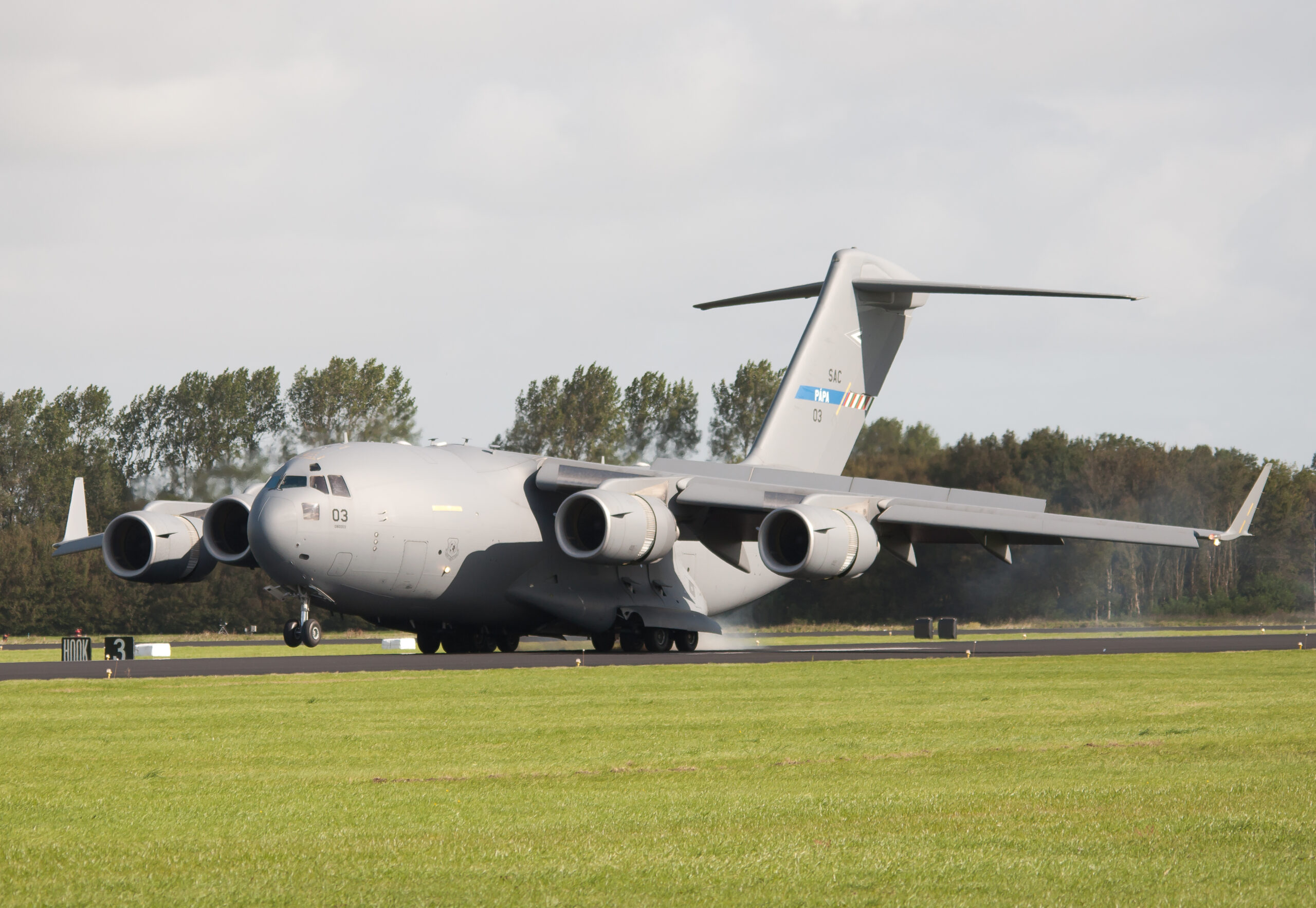
    us warplane — Concerns have been raised regarding the ‘unusual movements’ of a US warplane in Cypriot airspace. The aircraft, a Boeing C-17 belonging to the United States Air Force, was observed taking off from Paphos airport on Tuesday, shortly before landing at Tel Aviv’s Ben Gurion airport less than an hour later.

    A coalition of non-governmental organisations in Cyprus, including activist group Afoa and pro-Palestine entities such as BDS Cyprus, Genocide-Free Cyprus, and United for Palestine Cyprus, has alleged that the island is being used as a stopover point for transporting unknown cargo and personnel from the US Al Udeid airbase in Qatar to Israel.

    The aircraft has been seen making multiple trips between Al Udeid and Israel, with its transponder turned off on several occasions. This has left observers unable to track its exact location, raising suspicions about its operations. One such incident led the organisations to question whether the plane actually landed in Paphos or diverted to the nearby Mari naval base, although this is deemed unlikely as the C-17 cannot land at Mari.

    After reappearing on radar an hour later, the C-17 was again recorded en route to Israel. Following its departure from Israel, flight data suggested the aircraft conducted what the groups referred to as a “phantom landing” in Cyprus. This tactic, they claim, involved flying at low altitude near an airport to create the illusion of landing, while actually maintaining a direct flight path between the US base and Israel.

    The organisations noted that the altitude readings of the C-17 never dropped to zero, further indicating that it did not land in Paphos but merely passed over the region. They expressed scepticism regarding the nature of the flights, asserting that they were “almost certainly not related to humanitarian aid.” They argued that a US military cargo aircraft would not undertake such clandestine journeys if its purpose were truly humanitarian.

    The cloak of secrecy surrounding the C-17’s movements has led these groups to conclude that military aid is being transported through Cypriot facilities. They contend that by allowing such flights and enabling operations from the island to assist the US and Israel, the Cypriot government has effectively compromised its sovereignty, transforming the island into an unwitting accomplice in alleged acts of violence.

    In their statement, they claimed, “by permitting such flights and enabling operations from the island to aid the US and Israel, the Cypriot government has effectively abdicated its sovereignty, turning the island into a silent accomplice in genocide.” This assertion adds a complex layer to the geopolitical dynamics involving Cyprus, the US, and Israel, as local organisations push for transparency and accountability regarding military operations in the region.