Tag: government

  • Cyprus Ministries Clash Over Human Trafficking Responsibilities Following Channel 4 Revelations

    Cyprus Ministries Clash Over Human Trafficking Responsibilities Following Channel 4 Revelations

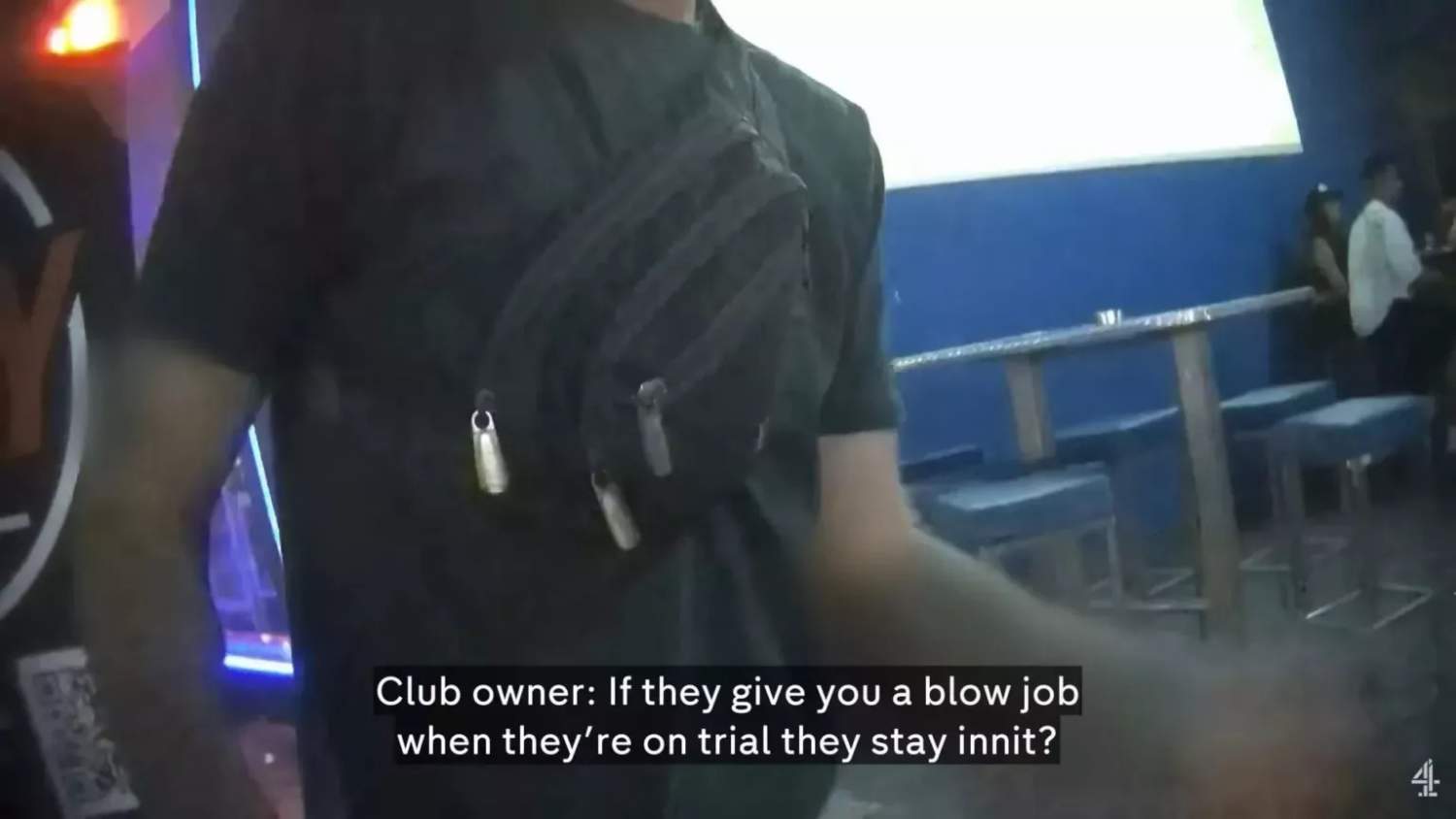
    In the wake of a Channel 4 investigation revealing troubling instances of sexual harassment in Ayia Napa, Cyprus’s ministries are embroiled in a conflict over who should address human trafficking crimes. A Migration Deputy Ministry official candidly admitted to Parliament, “we do nothing on this issue,” highlighting the lack of coordination among the various governmental bodies involved.
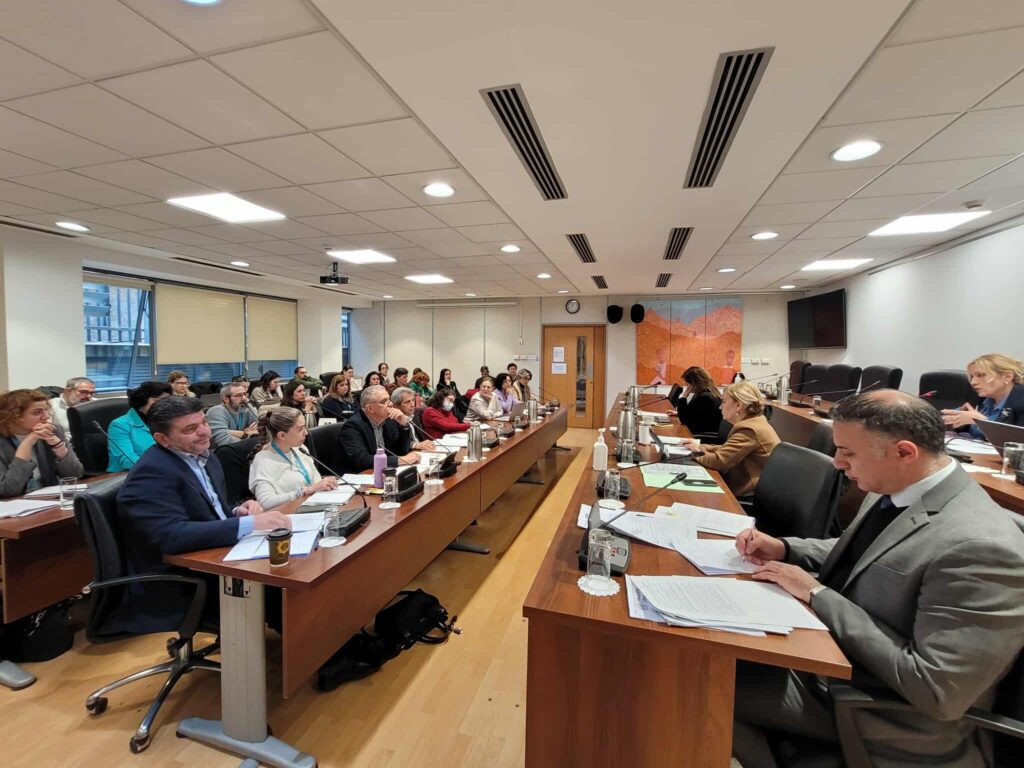
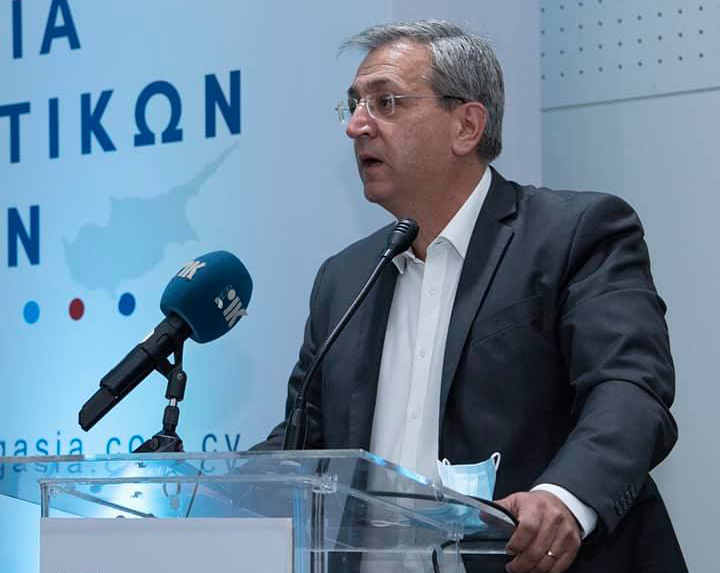
    Photo: in-cyprus.philenews.com

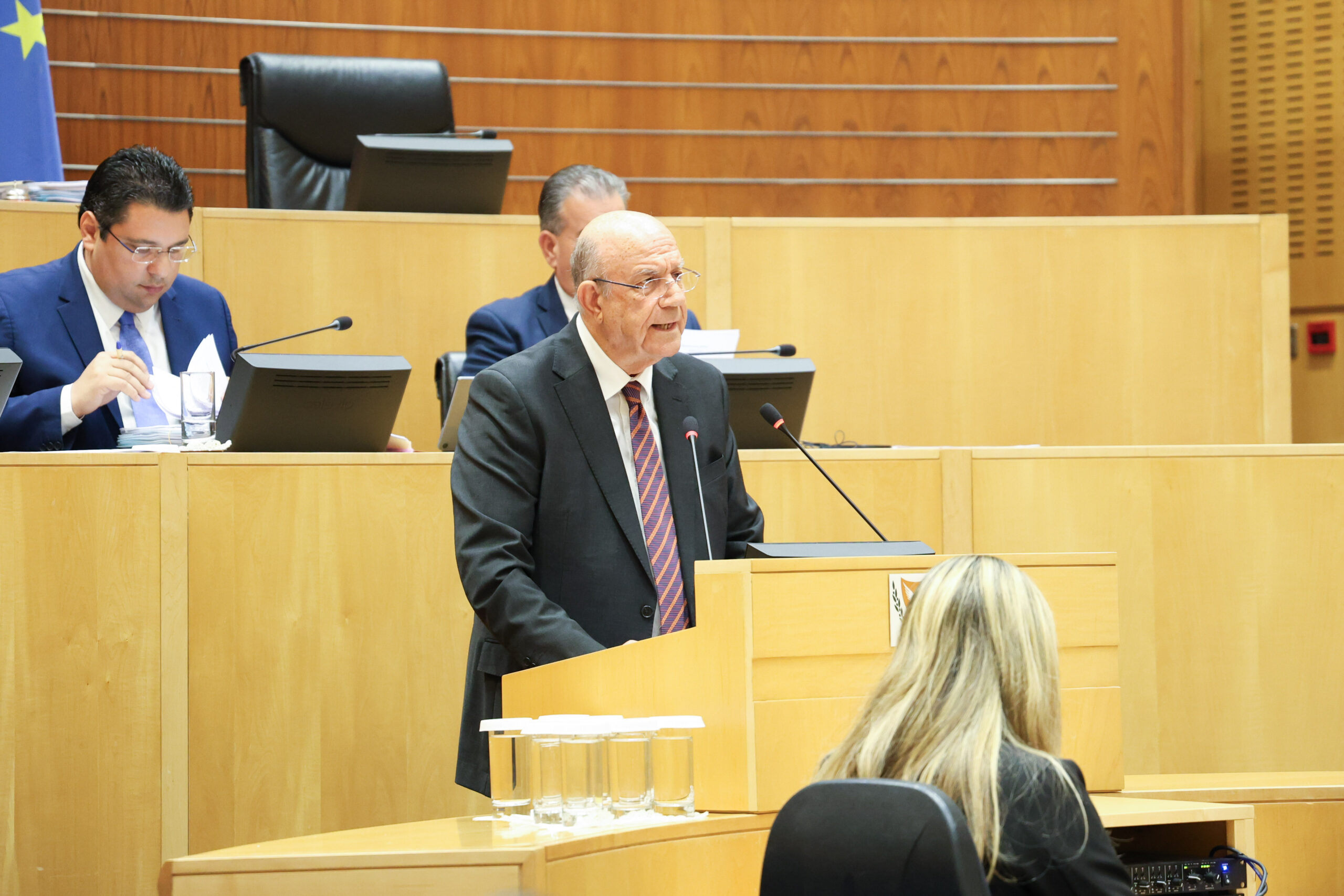
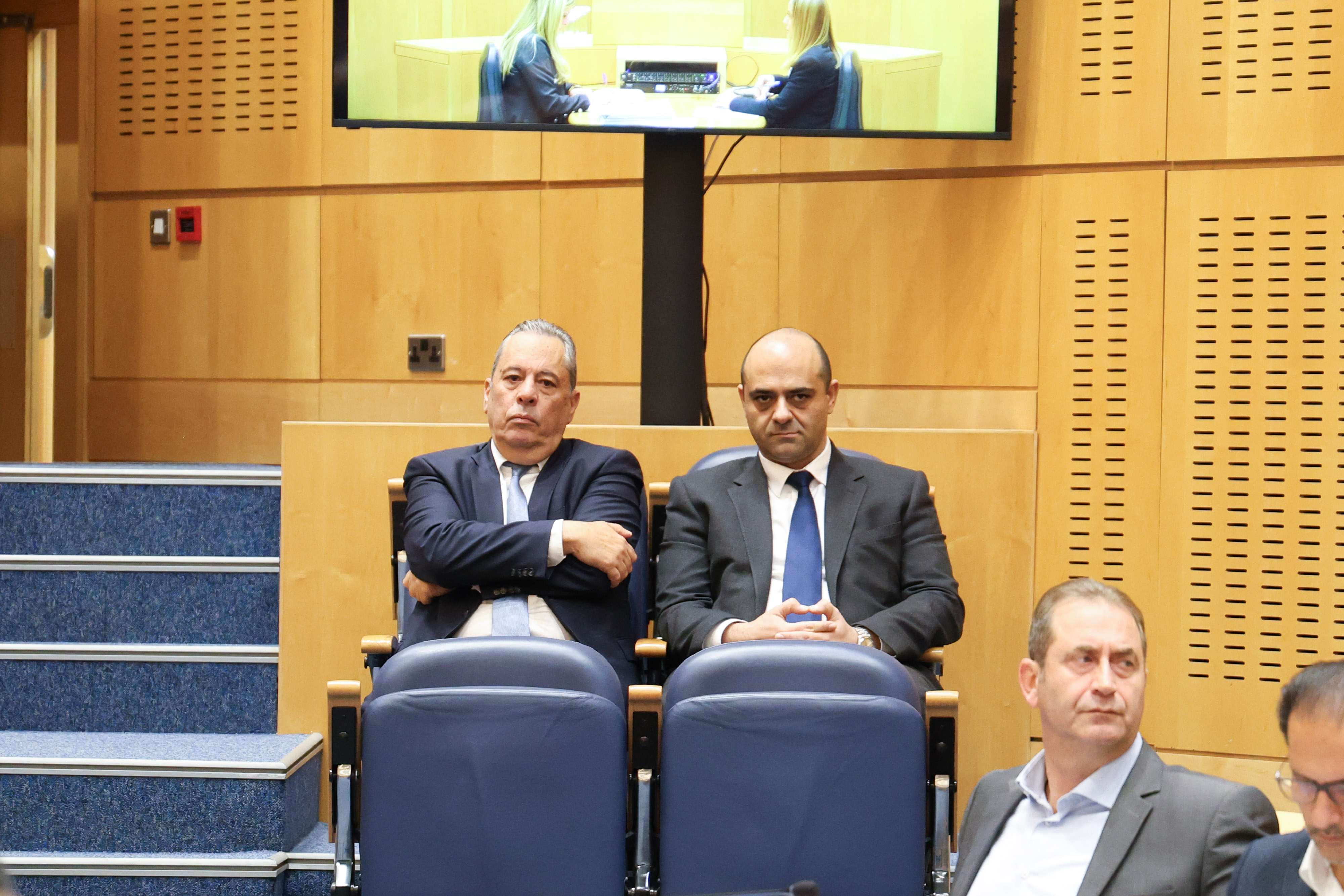
    During a recent House Human Rights Committee hearing, officials from the Interior Ministry, Justice Ministry, and Migration Deputy Ministry struggled to delineate their roles in combating trafficking. Migration Deputy Ministry official Xenia Georgiadi stated that while her office coordinates efforts, it lacks an operational role, placing the primary responsibility on the police.
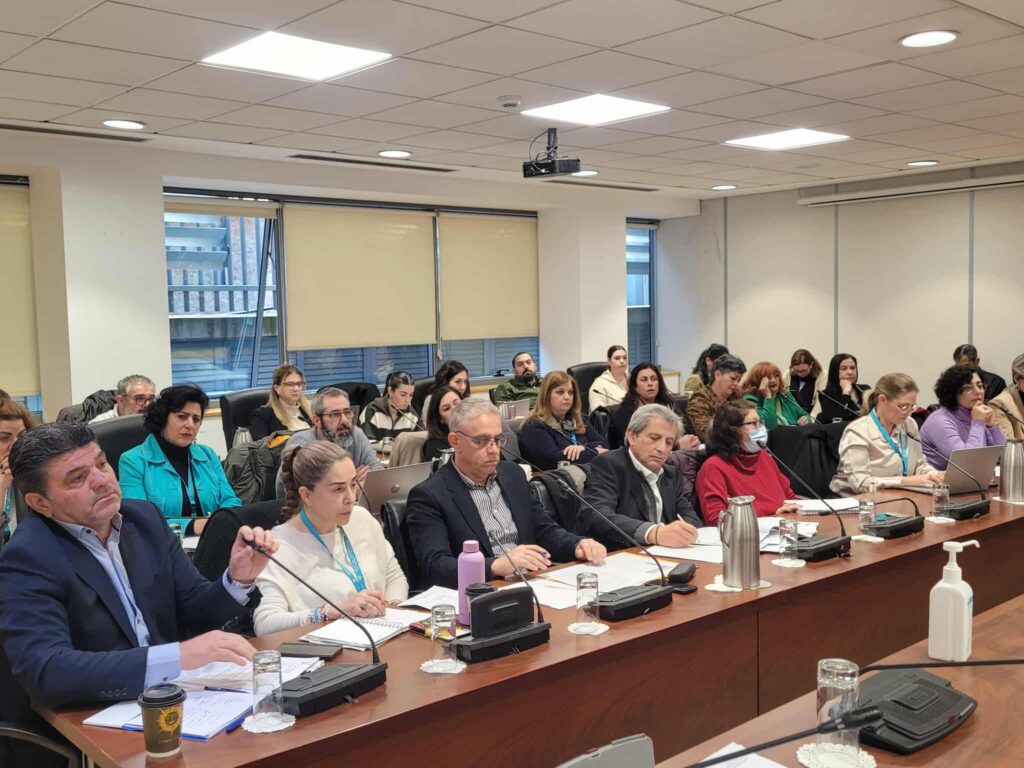
    Photo: in-cyprus.philenews.com

    Committee chair Irene Charalambidou expressed concern that the issue of trafficking should never have fallen under the Migration Deputy Ministry’s purview. She announced plans to re-evaluate the coordination structure and confirmed that both the migration deputy minister and justice minister would be summoned to Parliament for further discussions.

    As the debate unfolded, MPs and other stakeholders pushed for the Justice Ministry to assume a more central role in coordinating anti-trafficking efforts. Justice Ministry legal officer Spyros Yiallouridis acknowledged his ministry’s involvement in a multi-agency trafficking group but refrained from commenting on whether it should take over coordination responsibilities, citing the matter as political.

    MP Rita Superman described the shift of trafficking oversight from the Interior Ministry to the Migration Deputy Ministry as a significant error, arguing that such matters should be handled by the Justice Ministry. She pointed out that in Turkey, human trafficking falls under the Migration Ministry, which should not be the case in Cyprus. Trafficking, she insisted, is fundamentally a human rights issue, exacerbated by vulnerabilities related to migration.

    As these discussions unfold, Labour Ministry representative Christina Mitidou reiterated that her ministry does not bear responsibility for trafficking. In light of the Channel 4 investigation, the committee is preparing to send a letter demanding clarification on inspections conducted before and after the video’s release.

    In terms of law enforcement, police have reported that 30 individuals have been convicted over the past five years in trafficking cases involving either sexual or labour exploitation. Police Crime Combating Department assistant director Andreas Anastasiades shared that extensive checks were conducted at Ayia Napa establishments, with operations occurring across Cyprus. He outlined the number of operations executed in recent years: 26 in 2022, 37 in 2023, 33 in 2024, and 18 so far in 2025.

    Despite these efforts, 30 trafficking cases remain pending in court. Anastasiades emphasised that police are taking the matter seriously, working in collaboration with Europol and other agencies to address trafficking more effectively.

    Amid the scrutiny, Ayia Napa’s mayor, Christos Zannettou, labelled the incidents highlighted in the Channel 4 report as isolated, asserting that the municipality receives around 45,000 tourists daily, with over 10,000 people employed in the area. He acknowledged the need for investigations into the establishments mentioned in the video but maintained that such occurrences do not represent the norm.

    He also pointed out that there are job advertisements from websites based in the Netherlands that promise work and accommodation, but often only offer a bed without proper living conditions. Zannettou noted that complaints regarding workers’ living conditions and other issues like noise pollution have been recorded, but these are not reflective of the broader situation.

    The gender equality commissioner’s office faced criticism for its lack of response to the Channel 4 investigation. A representative of the office, Andreas Misos, stated that commissioner Josie Christodoulou condemns acts of sexual or labour exploitation but is currently abroad. MPs expressed frustration at her absence from committee meetings over recent months and suggested that she should have taken more proactive measures following the video’s release.

    Charalambidou pointed out that the commissioner should have coordinated with police and relevant authorities to prepare a comprehensive report, a sentiment Misos deemed unrealistic, given Christodoulou’s lack of an institutional role.

    NGOs have also expressed concern over their exclusion from coordination meetings related to trafficking. Paraskeui Tzeou, chair of Cyprus Stop Trafficking, noted that her organisation was not invited to multi-agency meetings, while Katerina Stefanou, founder of Step Up Stop Slavery, echoed similar sentiments regarding her exclusion from the December meeting.
  • Corruption — Former Supreme Court Judge Leads Investigation into Presidential Corruption Allegations

    Corruption — Former Supreme Court Judge Leads Investigation into Presidential Corruption Allegations

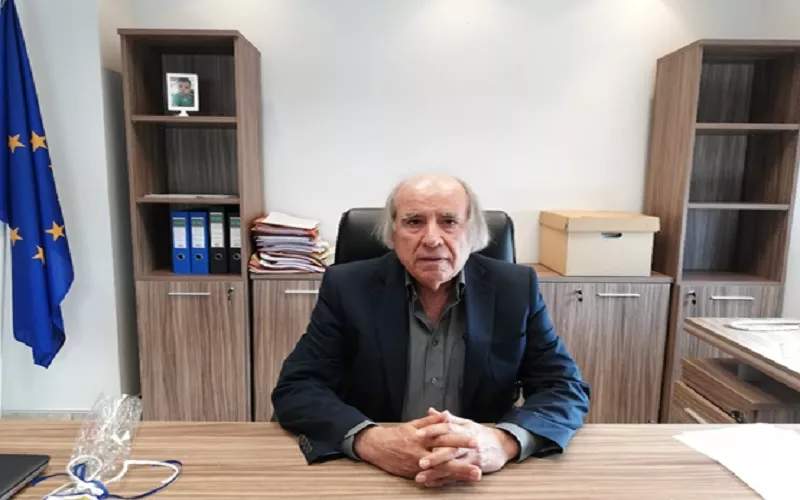
    corruption — The focus keyword, corruption, is at the heart of an independent investigation led by Andreas Paschalides, a former Supreme Court Judge. Appointed by the Attorney General, Paschalides will oversee a probe into a video that has sparked allegations of misconduct within the presidential palace.

    This appointment was officially announced on Tuesday, 13 January 2026, by the Law Office. It comes in response to mounting pressure from both government coalition partners and opposition parties who demand a transparent inquiry into the serious claims raised by the footage.

    Andreas Paschalides, who also chairs the Independent Authority for the Investigation of Allegations and Complaints against the Police, has been empowered with extensive investigative authority. He will work closely with the Cyprus Police to examine potential criminal offences linked to individuals depicted in the video.

    Crucially, the investigation will delve into the video’s content, its authenticity, and the circumstances surrounding its creation. The footage first appeared on social media platform “X” on 8 January, uploaded by an account under the name “Emily Thompson.” This timeline is pivotal as it marks the beginning of the controversy that has since engulfed the presidential administration.

    The current administration, led by President Christodoulides, is experiencing a significant domestic crisis, with the President labelling the video leak a Russian-led “hybrid attack.” This accusation underscores the administration’s concerns about foreign interference during its tenure as the EU Council Presidency.

    Paschalides has been instructed to expedite the investigation, aiming for completion within three months. The probe’s outcomes are expected to be crucial, particularly for high-ranking officials, including Charalambos Charalambous, the former Director of the President’s Office, who resigned shortly after the video’s release.

    The Law Office has made it clear that Paschalides’ mandate encompasses any related issues that may arise during the investigation, allowing him a broad scope over the internal workings of the presidency during the time in question.

  • Energy waterloo — Odysseas Michaelides Labels Cyprus-Greece Interconnector Project an ‘Energy Waterloo’

    Energy waterloo — Odysseas Michaelides Labels Cyprus-Greece Interconnector Project an ‘Energy Waterloo’

    energy waterloo — The Cyprus-Greece interconnector project has been described as an ‘energy Waterloo’ by former Auditor General Odysseas Michaelides, who has raised serious concerns about the management and direction of the initiative.

    In a recent social media post, Michaelides referenced a report by Phileleftheros detailing ongoing pressure from the Greek Independent Power Transmission Operator (ADMIE) on the Cypriot regulatory authority (RAEK) to receive tens of millions in payments. He highlighted a troubling lack of decisiveness from President Christodoulides, suggesting that the government’s approach is complicating the project further.

    Energy waterloo: Concerns Over Government Decisions

    Michaelides specifically called out President Christodoulides and his main governmental partner, Nikolas Papadopoulos, for their persistent support of the project “at any cost.” He argued that this insistence is leading Cyprus into a precarious financial situation as costs continue to escalate.

    In August 2023, Michaelides informed both the European Commission and Cypriot Energy Minister G. Papanastasiou about issues surrounding the project’s Implementation Body, citing a troubling history of bankruptcy among its affiliates. He advocated for an open tender to find a more suitable entity to manage the project’s execution, but his warnings were disregarded.

    Financial Implications and Investigations

    Despite these red flags, the Christodoulides Government in October 2023 permitted the Implementation Body to sell the project’s “air” to ADMIE for a questionable sum of €48 million, a decision that is now under investigation by the European Public Prosecutor’s Office.

    The situation escalated in September 2024 when the Council of Ministers decided to commit Cyprus to a prepayment of €125 million to ADMIE, prior to the project’s completion. This prepayment has raised eyebrows, especially given the latest cost estimate of €1.9 billion, which Michaelides claims is no longer realistic.

    Calls for Accountability

    Michaelides’s concerns resonate with many who fear that the current trajectory of the project could lead to significant financial repercussions for Cyprus. He emphasised that the only oversight comes from the Minister of Finance, who has publicly documented the disconnection between the revised cost estimates and reality.

    As the project progresses, the community watches closely, questioning who will ultimately bear the financial burden. The ongoing developments surrounding the Cyprus-Greece interconnector project remain a point of contention, with implications that extend beyond mere financial figures to the broader energy strategy of Cyprus.

  • Great sea — DIKO Leader Criticises Government Inaction on Great Sea Interconnector

    Great sea — DIKO Leader Criticises Government Inaction on Great Sea Interconnector

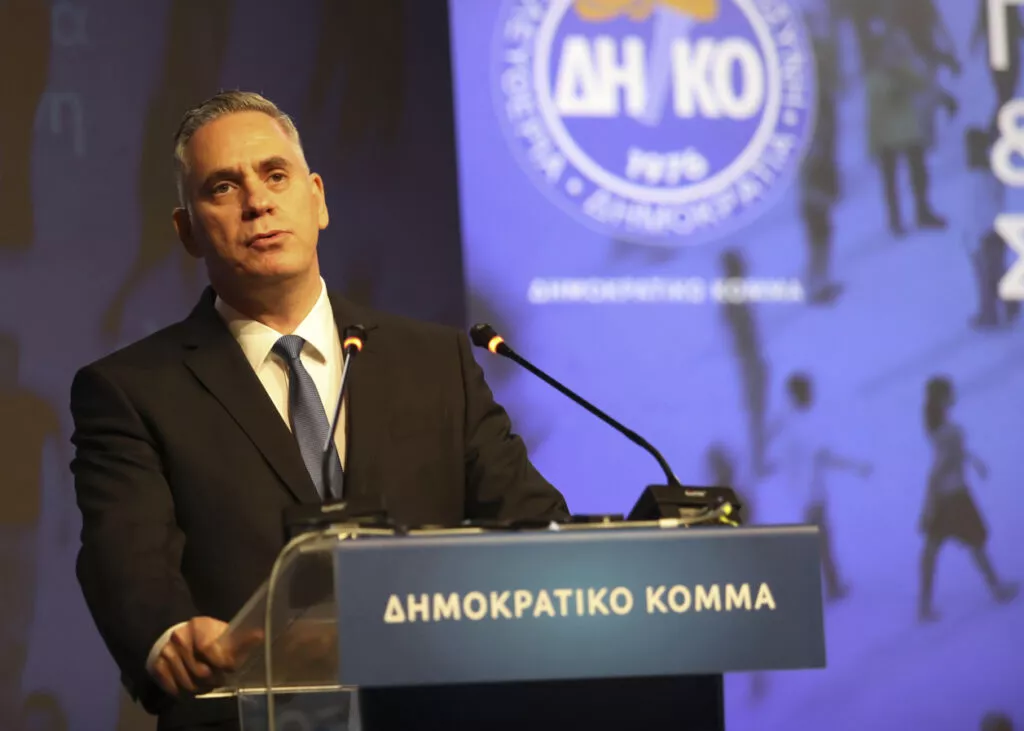
    The Great Sea Interconnector has become a point of contention between President Nikos Christodoulides and DIKO leader Nicolas Papadopoulos, who has expressed frustration over the government’s inaction regarding the critical subsea electricity cable linking Cyprus to Greece and the broader European grid.

    Great sea: The Letter That Sparked the Crisis

    In mid-December, Papadopoulos sent a formal warning to the Presidential Palace detailing his concerns about the project’s management. He specifically pointed fingers at Finance Minister Makis Keravnos, accusing the government of hesitation that he believes is jeopardising national interests. The letter, which went unanswered, has ignited a public outcry from Papadopoulos during recent parliamentary sessions and media appearances.

    Warnings of Catastrophic Consequences

    In his correspondence, Papadopoulos outlined several dire outcomes should the Great Sea Interconnector fail to progress:

    • Financial Penalties: Cyprus has already invested approximately €302 million in the project. If cancelled, the state could face hefty compensation claims from the French contractor, Nexans, due to loss of revenue and breach of contract.
    • Legal Fallout: Nexans is reportedly in the process of cancelling sub-contracts and may shift responsibility to the Greek grid operator, ADMIE, which could then hold the Cypriot government accountable for not honouring agreements.
    • Diplomatic Rupture: The current governmental stance threatens to sever relations with key stakeholders, including the Greek government, the European Commission, and France.
    • Energy Isolation: A failure to complete the interconnector would leave Cyprus without access to a stable energy supply, enabling local monopolies to maintain high prices for consumers.

    Accusations of Sabotage

    Papadopoulos has been vocal about his belief that the progress of the interconnector is being undermined from within the government. He has directly accused Finance Minister Keravnos of questioning the project’s viability and withholding the necessary €25 million annual funding, despite a Cabinet-approved Memorandum of Understanding. Papadopoulos dismissed the Ministry’s requests for updated studies, referencing EU Energy Commissioner Dan Jørgensen’s assurance that existing studies are adequate.

    The Ultimatum

    In his letter, Papadopoulos called for an emergency meeting with President Christodoulides and the Ministers of Finance and Energy to discuss the deadlock. He warned that failing to hold this meeting would compel him to take his dissent public, a promise he has now fulfilled.

  • Affordable homes — State to Build 500 New Affordable Homes Across Major Cities

    Affordable homes — State to Build 500 New Affordable Homes Across Major Cities

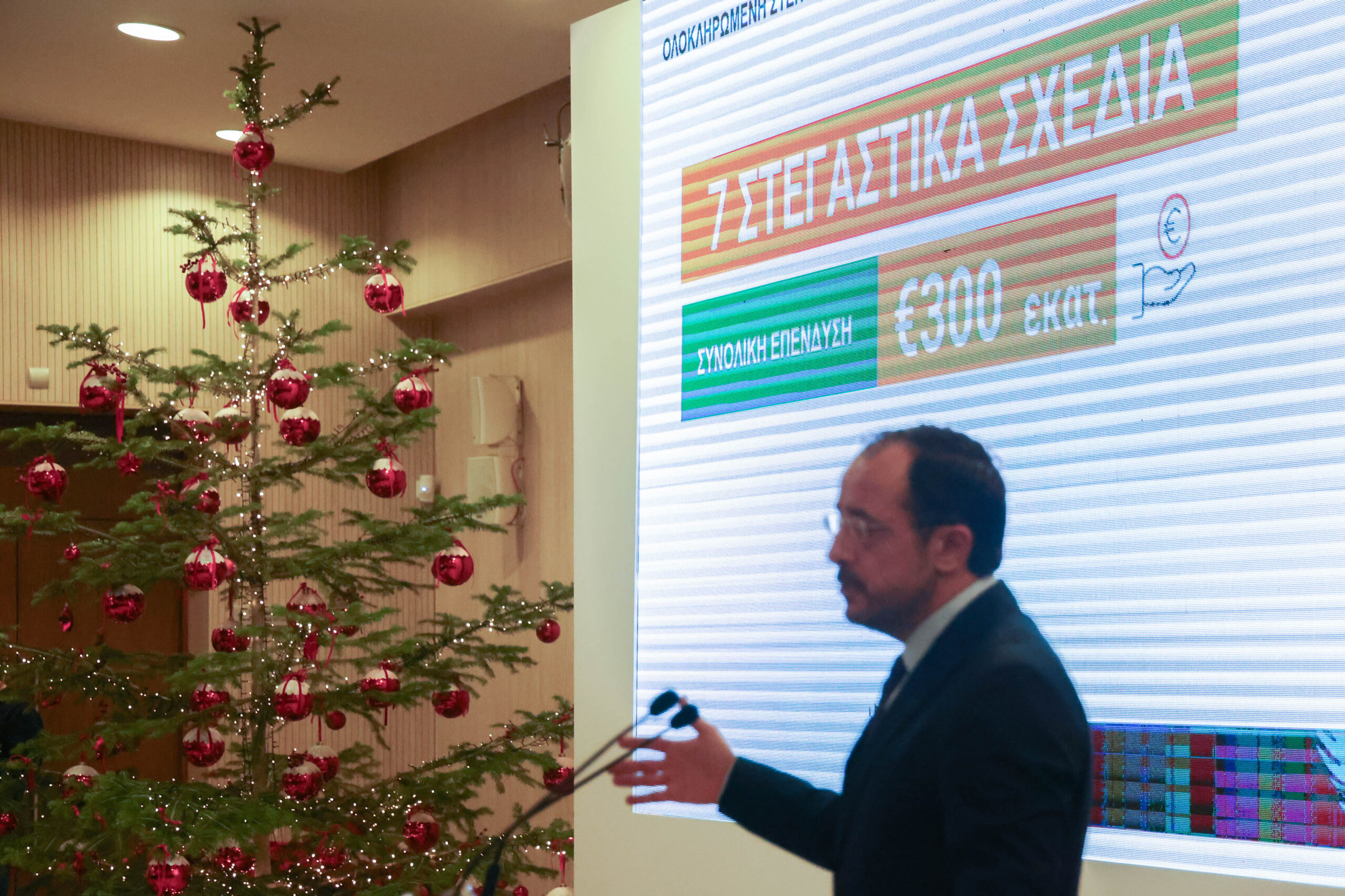
    affordable homes — The state is set to develop 500 new affordable homes to meet the growing housing demand, as President Nikos Christodoulides announced on Tuesday. This initiative aims to provide rental and sale options in Nicosia, Larnaca, Limassol, and Paphos.

    Photo: cyprus-mail.com

    • More details about the project and its timeline will be released in the coming months as the state moves forward with its plans.

    President Christodoulides emphasised the importance of this measure, stating, “This is an important measure that will help to ease the pressure caused by rising housing demand and will significantly contribute to reducing housing costs. It is a plan long requested by social partners and developed in cooperation with them.”

    The new housing units will be priced affordably, with a primary focus on young people looking to enter the property market. This demographic has been particularly affected by the rising costs associated with housing.

    With construction costs estimated at around €70 million, the project will involve using state-owned land valued at over €7 million. The government intends to offer these plots to the private sector through a tender process, ensuring that the construction is carried out efficiently.

    President Christodoulides also highlighted that the rental units will remain under state ownership, which will help maintain affordability in the long term. He noted, “In total, the current government’s investment in housing policy so far exceeds €300 million.” This investment reflects the government’s commitment to addressing the housing crisis and supporting citizens in their quest for affordable living options.

    More details about the project and its timeline will be released in the coming months as the state moves forward with its plans.

  • Letymbiotis Assures Cyprus Presidency Preparations Unaffected by Cabinet Reshuffle

    Letymbiotis Assures Cyprus Presidency Preparations Unaffected by Cabinet Reshuffle

    Letymbiotis has assured that the recent cabinet reshuffle will not hinder Cyprus’ preparations for the upcoming Council of the European Union presidency. Government spokesman Konstantinos Letymbiotis made these remarks on Saturday, responding to concerns following the announcement of six cabinet changes on Friday.

    Letymbiotis: Cabinet Changes and Their Implications

    Letymbiotis stated emphatically that “under no circumstances whatsoever” will the reshuffle impact the government’s readiness for its role in the Council of the EU, which Cyprus is set to assume next month. The reshuffle, he explained, is “the exclusive constitutional right of the president” and does not compromise the administration’s ongoing work.

    Commitment to the Government’s Programme

    The spokesman underscored President Nikos Christodoulides’ commitment to the government’s programme, which he referred to as a “social contract” with the Cypriot people. This statement aims to reassure citizens that governance will remain stable and focused, despite the recent changes in leadership.

    New Cabinet Members and Their Roles

    The new cabinet members are scheduled to be sworn into their roles on Monday, a move that marks a significant transition just weeks before Cyprus takes on the presidency. Four new ministers will lead the Council of the EU meetings over the next six months, taking office only 24 days prior to this critical responsibility.

    Key Ministerial Roles in the EU Council

    • Justice Minister: Costas Fytiris will chair the Justice and Home Affairs Council (JHA) meetings.
    • Health Minister: Neophytos Charalambides and Social Welfare Deputy Minister Clea Hadjistefanou-Papaellina will jointly oversee the Employment, Social Policy, Health, and Consumer Affairs Council (Epsco) meetings.
    • Energy Minister: Michael Damianos, who has been reappointed as Health Minister, will chair the Competitiveness Council (Compet) meetings.

    These appointments are crucial as they set the stage for the upcoming six-month term, during which Cyprus will hold the rotating presidency of the EU.

    Continuity in Leadership for Other Councils

    While the reshuffle has brought changes to some positions, it is important to note that other key councils will continue to be chaired by ministers who have not been affected by the reshuffle. This continuity is expected to provide stability and ensure that the transition into the presidency is seamless.

    Chairs of Remaining Councils

    • General Affairs Council (GAC): European Affairs Deputy Minister Marilena Raouna.
    • Foreign Affairs Council (FAC): EU Foreign Policy Chief Kaja Kallas.
    • Economic and Financial Affairs Council (Ecofin): Finance Minister Makis Keravnos.
    • Agriculture and Fisheries Council (Agrifish): Maria Panayiotou.
    • Environment Council (Envi): Maria Panayiotou.
    • Transport, Telecommunications, and Energy Council (TTE): Transport Minister Alexis Vafeades.
    • Education, Youth, Culture, and Sport Council (EYCS): Education Minister Athena Michaelidou.

    This leadership structure aims to facilitate effective governance during Cyprus’s presidency, as the ministers transition into their new roles.

    Preparation for the Presidency

    As Cyprus prepares for its turn to lead the Council of the EU, the government emphasises the importance of a stable and effective cabinet. The reshuffle, while significant, is viewed as a necessary step in aligning the cabinet with the administration’s goals and commitments to the EU. Letymbiotis’ assurances serve as a reminder of the administration’s focus on continuity and proactive governance.

    Supporting Cyprus’ International Role

    The successful assumption of the presidency will require coordination across various governmental departments, and the newly appointed ministers are expected to bring fresh perspectives and energy to their roles. This reshuffle is seen not only as a change in personnel but as a strategic move to enhance Cyprus’s international standing and effectiveness within the EU framework.

    The government’s proactive stance and assurance from Letymbiotis may help to quell any public concerns regarding the impact of the reshuffle. As Cyprus stands on the brink of a pivotal moment in its EU involvement, the focus remains on ensuring a smooth transition and sustained commitment to the European agenda.

  • Edek Leader Confirms Support for Government Despite Cabinet Reshuffle Backlash

    Edek Leader Confirms Support for Government Despite Cabinet Reshuffle Backlash

    edek leader — Edek leader Nikos Anastasiou has firmly ruled out the possibility of his party withdrawing support for the government, despite significant unrest following President Nikos Christodoulides’ recent cabinet reshuffle. This statement comes mere hours after Edek expressed its dissatisfaction with the changes made on Friday night, indicating a rift that could have implications for the government’s stability.

    • This proactive stance is indicative of Edek's desire to maintain its position within the government, despite the frustrations voiced by its members.

    Edek leader: Party’s Reaction to Reshuffle

    Following the reshuffle, Edek released a statement that articulated strong dissatisfaction with the six ministerial changes. Anastasiou stated, “We expected that the president … would see Edek in a better light,” reflecting the party’s disappointment.

    The reshuffle has prompted Edek to call an extraordinary meeting of its political bureau, scheduled for Sunday, to discuss the implications of these changes. Anastasiou clarified that although there was intense discussion surrounding the reshuffle, the issue of leaving the government was “never raised.”

    Communication with the President

    In light of the turmoil, Anastasiou has reached out to President Christodoulides to formally express his concerns regarding the cabinet reshuffle. He has indicated that he plans to contact the President again on Monday to request a meeting to delve deeper into the matter.

    This proactive stance is indicative of Edek’s desire to maintain its position within the government, despite the frustrations voiced by its members.

    Historical Context of Edek’s Political Maneuvering

    The history of Edek’s involvement in government is marked by periods of support followed by withdrawals. In the past, Edek has both supported and then subsequently exited the governments of Glafcos Clerides and Demetris Christofias. This history raises questions about the durability of its current alliance with Christodoulides, especially in light of the recent reshuffle.

    The latest statement from Edek highlights a sentiment of “lack of respect” from the government, asserting that their contributions have not been adequately appreciated. This claim may signal deeper fractures in the coalition, depending on how negotiations progress.

    Impacts of the Reshuffle on Ministerial Positions

    The reshuffle primarily affected Edek’s representation, which remains limited to one ministerial position: Agriculture Minister Maria Panayiotou. Prior to the reshuffle, there were concerns that Panayiotou might lose her role due to controversial comments made during a wildfire crisis in Limassol that resulted in tragic fatalities. Her remarks about preventing the fire drew criticism, which may have influenced the reshuffle decisions.

    Also notable is the demotion of Marios Hartsiotis, the outgoing justice minister, who was reassigned from his position to become the “commissioner of the presidency.” This change has raised eyebrows, given Hartsiotis’s previous comments during the wildfire incident, which some deemed insensitive.

    Reactions from Other Political Parties

    While Edek has voiced its discontent, other political factions have responded more favourably to the reshuffle. Diko leader Nicholas Papadopoulos expressed his readiness to collaborate with the newly appointed ministers, stating, “We are here to support the implementation of the government’s programme.”

    In contrast, Dipa celebrated the reshuffle, as it welcomed new cabinet members, including Marinos Mousiouttas, who will take on the role of labour minister. Dipa’s statement reflected optimism about the potential for increased stability and efficiency within the government.

    However, the opposition party Akel has been critical of the reshuffle, suggesting it does not enhance governmental efficiency and accusing Christodoulides of prioritising political manoeuvring ahead of the 2028 presidential elections.

    Future Implications for Edek and the Government

    The extraordinary meeting scheduled for Sunday may provide insight into Edek’s future direction and its relationship with the government. If the party decides to maintain its support, it will be crucial for Anastasiou and his colleagues to address their grievances effectively with President Christodoulides.

    As Edek navigates this tumultuous period, the implications of their decisions could reverberate throughout the coalition, potentially impacting the broader political landscape. The next steps taken by Edek will be closely watched, especially by those within the government and the opposition alike.

  • Cyprus cabinet: Nikos Christodoulides Welcomes Four New Faces to Cyprus’ Cabinet

    Cyprus cabinet: Nikos Christodoulides Welcomes Four New Faces to Cyprus’ Cabinet

    cyprus cabinet — cyprus cabinet — Four new names are set to join Cyprus’ cabinet on Monday as part of a significant reshuffle announced by President Nikos Christodoulides. This change will see six ministerial positions altered, though the newcomers lack previous ministerial experience. However, they are prominent figures in the island’s public sphere.

    Photo: cyprus-mail.com

    Cyprus cabinet: Marinos Mousiouttas Takes on Labour

    The most prominent addition is Marinos Mousiouttas, who will assume the role of Labour Minister. At 61, Mousiouttas has been a continuous member of parliament since 2016, representing the Democratic Party (Diko) initially before co-founding the Democratic Party of Progress (Dipa).

    Photo: cyprus-mail.com

    He is the son of a founding member of Diko and has a solid educational background, having studied business administration at the New York State University. His career in civil service includes roles in both the finance and labour ministries, and he has also held a leadership position as chair of the House transport committee.

    Costas Fitiris Steps into Justice

    Taking the helm as Justice Minister is Costas Fitiris, who brings a wealth of experience from his previous role as chief marina officer of the Ayia Napa marina, a position he has held since 2019. At 65 years old, Fitiris has a long-standing military background, having served for 40 years in the National Guard, where he achieved the rank of rear admiral.

    Neophytos Charalambides to Oversee Health

    Newly appointed Health Minister Neophytos Charalambides has a strong local government background, having served as a city councillor in Limassol for Diko since 2011. At 47, he is a qualified lawyer, having been admitted to the Cyprus bar in 2004, and his legal expertise will likely influence his approach to health policy.

    Clea Hadjistefanou-Papaellina Advocates for Social Welfare

    The role of Social Welfare Deputy Minister will be filled by Clea Hadjistefanou-Papaellina, who previously chaired the NGO “Foni,” which focuses on children’s rights and combating sexual abuse. Her extensive academic background includes studies at prestigious institutions such as the University of California, Berkeley, and the University of Athens, where she earned her doctorate in physical education.

    This reshuffle not only alters the cabinet’s composition but also reflects President Christodoulides’ strategy to invigorate governance with fresh perspectives, even from individuals without prior ministerial roles.

  • Finance Minister Advocates for 2026 Budget as Future Investment

    Finance Minister Advocates for 2026 Budget as Future Investment

    2026 budget — Finance Minister Makis Keravnos has urged MPs to approve the 2026 state budget, framing it as an investment in the future of Cyprus. Speaking at the House plenum on Thursday, he emphasised the government’s commitment to fostering growth whilst ensuring a balanced approach to development that prioritises people.

    Photo: cyprus-mail.com

    026 budget: Government’s Vision for Economic Growth

    In his address, Keravnos highlighted that the budget is designed to facilitate economic growth that benefits a broad spectrum of the population. He stated, “Our objective is to pursue a policy of economic growth benefiting as many people as possible, without exclusions.” This vision is particularly crucial given the ongoing challenges, including the geopolitical tensions arising from the crisis in Ukraine.

    Resilience Amid Challenges

    Despite any uncertainties, the finance minister expressed confidence in the resilience of the Cyprus economy. He asserted that it would maintain its momentum, projecting strong growth, low unemployment rates, and healthy public finances.

    Upcoming Budget Discussions

    Keravnos delivered his budget speech during the final regular plenary session of the year. The budget will be debated and voted on during an extraordinary session scheduled for December 15 to 17. Ahead of this critical vote, he appealed to MPs to consider the budget as a pivotal investment in the future for citizens and businesses alike.

    Key Financial Figures for 2026

    The proposed 2026 budget outlines primary expenditures totalling €10.7 billion, marking a 5% increase from 2025. Development spending is set to rise by 4.7%, while social spending will see a significant boost of 6.7%.

    • Projected GDP growth for 2026: 3.1%
    • Unemployment rate forecast: 4.6%
    • Expected inflation rate: stabilising around 2%
    • Budget surplus anticipated: 2.9% of GDP
    • Debt to GDP ratio forecast: 50.9%, down from 55.3%

    Funding for Vulnerable Groups

    Over the next three years, from 2026 to 2028, the government plans to allocate approximately €6.82 billion to support vulnerable groups, including students, children, patients, and individuals with special needs. This substantial investment underscores the government’s commitment to social welfare and inclusion.

    Debt Management and Surpluses

    Keravnos noted that maintaining budget surpluses through 2026 should positively influence the government’s financing strategy, ultimately contributing to a decrease in the public debt to GDP ratio. The anticipated reduction surpasses earlier projections, which aimed for a 60% ratio by the end of 2026.

    Utilisation of Recovery Funds

    Regarding the Recovery and Resilience Facility, the minister revealed that Cyprus has already received €568 million across five tranches, indicating a proactive approach to leveraging European funds for national development.

    Public Payroll and Employment Changes

    Concerning the public payroll, it is expected to constitute 27.5% of the total state budget in 2026, a slight decrease from 28% this year. The government also plans to create 611 new positions in the public sector while eliminating 625 roles, signalling a shift in workforce management.

    Tax Reform for Economic Fairness

    Another crucial aspect of the budget discussion is the proposed tax reform, which the administration aims to pass by the end of the year. Keravnos described the new tax system as fairer, designed to reduce the tax burden on households and families with children. This reform is expected to stimulate the middle class, enhance opportunities for women’s employment, and promote home ownership.

    He stated, “It is a new, fairer tax system, which will boost the real economy and the competitiveness of Cypriot businesses while attracting productive and qualitative foreign investment creating well-paying jobs.” This comprehensive approach reflects the government’s commitment to fostering a resilient and inclusive economic environment.

  • State Aid Ombudsman Budget Proposal for 2026 Sees Significant Increase

    State Aid Ombudsman Budget Proposal for 2026 Sees Significant Increase

    The budget proposal for the state aid ombudsman in 2026 has seen a significant increase, totalling €703,280, as announced by commissioner Stella Michaelidou during a session with the House Finance Committee on Monday.

    State aid: Budget Increase and Staffing Developments

    The budget has risen by €129,852 compared to previous allocations, a development welcomed by committee members. Notably, the office has recently expanded its workforce with the hiring of four permanent staff members, enhancing its operational capacity.

    Concerns Over Rising Accommodation Costs

    Despite the positive staffing news, there are concerns regarding a 42 per cent increase in accommodation costs for the office. Diko MP Christiana Erotokritou, chair of the committee, questioned the necessity of this rise in rental expenses. Michaelidou clarified that the office currently operates from an apartment and that the new premises were selected through a transparent process involving the public works department and finance ministry. The rental increase is set at €63,000, as assessed by the land registry.

    Long-Term Stability and Future Planning

    The commissioner assured the committee that the new location meets the approved organisational requirements, which should prevent the need for further relocations in the near future. Following the addition of four permanent hires, the office aims to operate exclusively with permanent staff moving forward. Any secondments that conclude in 2026 will be evaluated individually, with renewals being considered based on the office’s operational needs at that time.

    Strengthening EU Relations and Upcoming Events

    Additional budget increases are attributed to the office’s participation in European Union competition groups. Michaelidou highlighted the office’s recognition from the EU for maintaining the state aid register. In a significant upcoming event, the office will host the state aid working group in Cyprus for EU member states in June 2026.

    Guiding Principles of the Office

    Michaelidou emphasised the importance of the office’s role in advising on the allocation of public resources, adhering to EU state aid principles such as transparency, proportionality, necessity, and appropriateness. This guidance is critical for ensuring that aid is distributed effectively and fairly.

    Political Support and Broader Implications

    Support for the office’s work was voiced by Disy MP Harris Georgiades, who pointed out that EU competition policy is among the most advanced in Europe, underscoring the vital role of the commissioner. Meanwhile, Green Party MP Stavros Papadouris raised inquiries regarding outcomes from a recent Copenhagen conference focused on affordable housing. In response, Michaelidou indicated that the office is contemplating whether housing could be classified under services of general economic interest, which would enable EU member states to better serve their citizens.