Tag: government policy

  • Cyprus Rent Costs Surpass Mortgage Payments, Revealing Housing Market Shift

    Cyprus Rent Costs Surpass Mortgage Payments, Revealing Housing Market Shift

    cyprus rent — Cyprus rent costs have now matched or surpassed mortgage payments, altering the landscape of housing choices for many citizens. Once, renting was a more affordable option compared to mortgage repayments, but this is no longer the case.

    Interior Minister Constantinos Ioannou highlighted this significant change in a recent discussion with DIKO MP Christos Senekis. He revealed that the rising rental costs have led many to reconsider their housing options. Data shows a drop in the number of displaced individuals applying for rental subsidies, decreasing from 4,509 in 2022 to 3,155 in 2024, while interest in property acquisition has grown.

    “Based on the data maintained, a slight decrease in applicants for rental subsidies and a simultaneous increase in applications for purchasing or construction schemes has been observed over the last three years,” Ioannou stated. This shift suggests that as rental prices climb, more people are opting for home ownership, where mortgage payments are now comparable to monthly rent.

    The government has responded to the upward trend in rents by increasing subsidy amounts by approximately 15% starting on 1 January 2024. This move aims to alleviate some of the financial pressure on those still in need of rental support.

    The KtizO housing scheme, designed specifically for displaced persons, is also in progress. This initiative is expected to cost around €130 million over a decade and aims to provide better housing options for those affected by displacement.

    Ioannou also addressed concerns regarding the outdated income criteria for the Rental Subsidy Scheme, which have remained unchanged for over 15 years. He confirmed that the Service for the Care and Rehabilitation of Displaced Persons has sent a Bill to the Law Office for legal vetting, which aims to revise these criteria.

    The proposed changes include the abolition of certain articles in the Rent Control Law, which govern rental subsidies for displaced individuals. This would pave the way for new assessment criteria regarding income and eligibility for the Rental Subsidy Scheme.

    “With the approval of the Bill, specific assessment criteria will be submitted to the Council of Ministers for approval, which will include both the method of calculating incomes and new tables of income criteria,” Ioannou explained. The goal is to expand the number of displaced beneficiaries eligible for assistance and to ensure the scheme operates more effectively.

    On the financial front, Ioannou reported that over the past three years, more than 90% of the Rental Subsidy budget has been utilised, showcasing the ongoing demand for housing assistance. In 2022, 93.54% of funds were absorbed, followed by 93.76% in 2023, and 85.39% in 2024.

    “Any savings are not left unspent but are transferred to other Housing Schemes for the displaced that relate to the purchase, construction, or repair of a house/apartment,” he noted, highlighting a commitment to ensuring that available funds are maximised to support housing initiatives.

  • Cyprus outlook: S&P Upgrades Cyprus’ Economic Outlook to Positive

    Cyprus outlook: S&P Upgrades Cyprus’ Economic Outlook to Positive

    cyprus outlook — Credit rating agency S&P has upgraded the outlook of Cyprus’ economy from “stable” to “positive”, highlighting a faster-than-expected improvement in external debt ratios.

    • cyprus outlook — Credit rating agency S&P has upgraded the outlook of Cyprus’ economy from “stable” to “positive”, highlighting a faster-than-expected improvement in external debt ratios.

    The island’s credit rating remains at “A-/A-2” for both long-term and short-term debt. S&P noted that the new outlook reflects the expectation that Cyprus will outperform current projections regarding its external position. This anticipated performance is attributed to a more rapid de-escalation of external debt.

    Despite a persistent current account deficit, Cyprus has seen significant net inflows of foreign direct investment. This influx has facilitated a gradual reduction in external debt, prompting S&P to suggest that an upgrade could be possible if leverage continues to decrease at a stronger pace than estimated.

    However, potential risks loom on the horizon. S&P cautioned that any deterioration in the external environment, such as decreased financial activity among trading partners or heightened geopolitical tensions, could exert pressure on the economy, public finances, and banking system.

    The agency’s upgrade of Cyprus’ economic outlook is largely due to expectations of a further strengthening of its external position, driven by ongoing public and private sector deleveraging, alongside resilient services exports. For instance, despite an average deficit exceeding eight per cent of GDP over the past five years, gross external debt continues to decline.

    S&P praised Cyprus’ fiscal performance as impressive, noting that strong economic activity and a high employment rate have bolstered tax revenues and social security contributions. These factors, combined with controlled public spending, have led to sustained surpluses and a continued reduction in public debt.

    Looking ahead, S&P forecasts an average surplus of 3.3 per cent of GDP between 2025 and 2028, with net debt projected to fall to 35 per cent of GDP by 2028, down from 56 per cent last year and 90 per cent in 2019.

    In terms of growth, S&P indicated that strong economic momentum has persisted into the early part of this year, predicting a growth rate of 3.3 per cent for 2023. This growth is expected to be increasingly driven by domestic demand, rising real incomes, and investments from both private and public sectors, especially following a notable rise in tourism and the relocation of technology companies to the island.

    Moreover, Cyprus’ economy has shown resilience against conflicts in Ukraine and the Middle East, with limited exposure to trade tensions between the United States and China. Nevertheless, the slowdown in Europe could pose indirect risks to economic stability.

    President Nikos Christodoulides welcomed the upgrade, stating it marks Cyprus’ entry into a path of enhanced momentum and reflects the consistency and responsibility of the country’s fiscal choices. He emphasised that Cyprus has emerged as a reliable centre for quality investments, leading to reduced borrowing costs, strengthened entrepreneurship, and the creation of well-paid jobs.

    Finance Minister Makis Keravnos echoed these sentiments, asserting that the upgrade demonstrates confidence in the government’s economic policy as recognised by major rating agencies. He remarked that the continuous positive assessments of Cyprus’ economic credibility reflect not just its creditworthiness in international markets but also the dynamic nature of the Cypriot economy in a climate of increased geopolitical risks.

    Keravnos affirmed that the government will persist in its economic policies aimed at fostering stable and sustainable growth, grounded in fiscal discipline and financial sustainability. He underscored the importance of focusing on initiatives that support the populace, particularly underprivileged social classes, through sensitive economic policies.

  • Economists Critique Government’s Tax Plan as Underwhelming

    Economists Critique Government’s Tax Plan as Underwhelming

    Economists have poured cold water on the government’s proposed tax plan, labelling it underwhelming in light of the grand promises made. Despite the government’s assertions that these changes would create a fairer tax system, analysts suggest that the reality for low-income earners is starkly different.

    Photo: cyprus-mail.com

    Tax plan: Government Claims of Reform

    The Cypriot government has touted the upcoming tax overhaul as a ‘flagship project’ aimed at strengthening the middle class and supporting low-income households. Finance Minister Makis Keravnos describes the reform as having a significant social aspect, claiming it will provide relief for families, students, and large households. He emphasised that 55 per cent of employees would see no income tax.

    Photo: cyprus-mail.com

    Legislative Timeline and Structure

    It has been 22 years since the last major revision of the tax regime. The current reform consists of six bills that the government hopes to pass swiftly, aiming for implementation by January 1, 2026. With the state budget bill also requiring attention, Parliament faces a tight deadline to deliberate on these proposed changes.

    Main Features of the Proposed Tax Reform

    The proposed changes include several key adjustments:

    • The tax-free threshold will increase from €19,500 to €20,500.
    • Families will be eligible for tax credits: €1,000 per child (or €2,000 for single-parent households), €1,000 for full-time students, a €1,500 deduction for interest on loans or rent for primary residences, and €1,000 for energy upgrades or electric-vehicle purchases.
    • To qualify for these benefits, families must have an annual income below €80,000, large families below €100,000, and single individuals below €40,000.
    • Tax deductions will extend to insurance premiums for disability and home insurance against natural disasters, allowing deductions of up to €500 per year.
    • The tax-exempt ceiling for retirement payments will rise significantly from €20,000 to €200,000.
    • All individuals aged 25 and over residing in Cyprus will need to file an income tax return, regardless of their income status.
    • The corporate tax rate will increase from 12.5 per cent to 15 per cent.

    Concerns from Economists

    Despite the government’s optimistic portrayal, economists are not convinced of the plan’s efficacy. Marios Christou, an economist from the University of Nicosia, argues that the proposals do not constitute a comprehensive tax reform. He points out that while income tax changes are notable, there is a lack of significant alteration to VAT and that low-income earners will see little benefit from the reforms.

    Christou further critiques the focus on individual rather than family income, noting that someone earning €90,000 with an unemployed spouse would not gain any tax relief from the proposed changes.

    Criticism of Tax Threshold Adjustments

    Many experts, including Savvakis Savvides, express disappointment with the minor increase in the tax-free threshold, viewing the €1,000 rise as insufficient when adjusted for inflation over the past two decades. Savvides believes the threshold should realistically be set above €25,000 to account for economic changes.

    Social Policy vs. Tax Reform

    Critics like Savvides argue that the government’s attempt to intertwine social policy with tax reform is misguided. A straightforward tax regime should not be an instrument for social policy but should instead be clear and universally applicable. He describes the proposed changes as a “complex labyrinth” that introduces unnecessary complications under the guise of social justice.

    Concerns About Political Accountability

    Additionally, Savvides suggests that President Nikos Christodoulides may be using these amendments to deflect criticism regarding his failure to deliver on campaign promises, such as raising the tax threshold to €24,000. This raises questions about the administration’s commitment to genuine reform.

    Economic Implications

    As the government moves forward with its tax plans, economists caution that the proposed changes may not yield the intended economic benefits. The focus on middle-class relief, while neglecting the low-income demographic, could lead to greater economic disparities.

    Ultimately, while the government presents the tax reform as a significant step toward a fairer system, the lack of comprehensive changes and the criticisms from leading economists suggest a more cautious interpretation of its impact.

  • Cyprus Aims for Water Self-Reliance by 2028 with New Desalination Units

    Cyprus Aims for Water Self-Reliance by 2028 with New Desalination Units

    Cyprus aims to achieve 100 per cent water self-reliance by 2028 through the installation of two permanent desalination units, as announced by President Nikos Christodoulides.

    • Cyprus aims to achieve 100 per cent water self-reliance by 2028 through the installation of two permanent desalination units, as announced by President Nikos Christodoulides.
    • This remark elicited a strong rebuttal from Andreas Gregoriou, the permanent secretary of the agriculture ministry, who asserted that Cyprus has “not been left without water.”

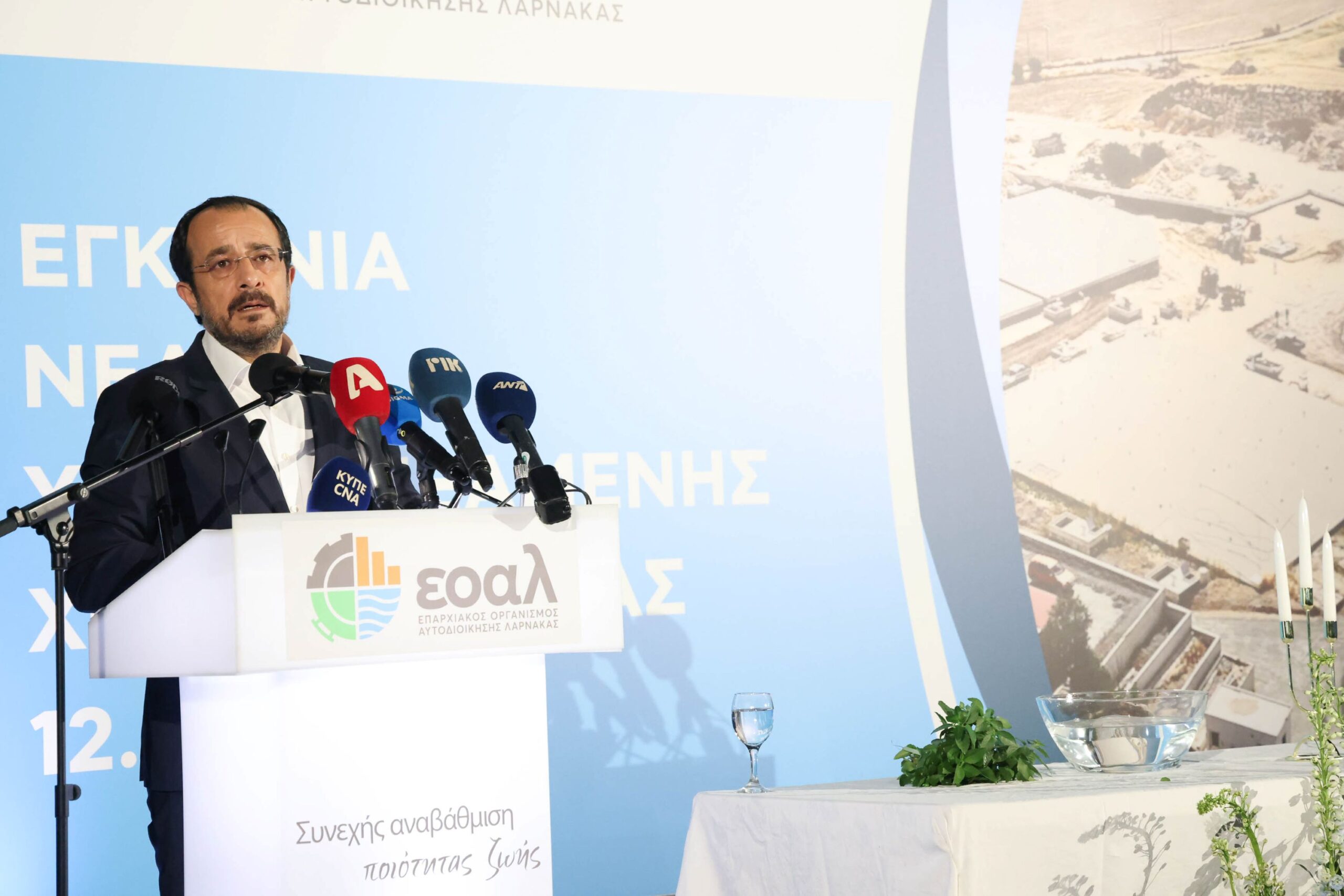
    During the inauguration of a new water reservoir in Larnaca, President Christodoulides emphasised the critical need for effective management of water resources. He stated, “The effective treatment of water scarcity and the rational management of water resources are of utmost importance and a strategic priority for the government.”

    The President pointed to concerning climate trends, noting that regional temperatures are rising at a rate potentially double that of other parts of the world. He cited a decrease of approximately 10 to 15 per cent in average annual rainfall since the mid-1990s.

    In a proactive response to these challenges, the government has decided on the establishment of three additional desalination units, with completion expected by summer 2026. These units are projected to increase the volume of water sourced from desalination facilities by 32 per cent.

    Plans are also in place to initiate studies for the implementation of two permanent desalination units powered by renewable energy by the end of 2025. Christodoulides articulated a goal to boost Cyprus’ self-sufficiency in water supply from the current 70 per cent to a full 100 per cent by 2028.

    Further emphasising the significance of infrastructure development, he mentioned the construction of additional tanks and reservoirs, similar to those recently established in Larnaca, which are deemed strategically important for the entire island.

    Christodoulides highlighted that Cyprus’s geographical position makes it particularly vulnerable to the impacts of climate change, underscoring the necessity for building water resilience in anticipation of extended and more frequent droughts.

    Projects in areas such as Polis Chrysochous and Kokkinokremmos were also referenced, illustrating their critical roles in enhancing and safeguarding the island’s water supply. Looking ahead, a total of 31 water-related projects are scheduled for completion by 2026.

    Currently, Cyprus’s dams are operating at only 11 per cent capacity, a situation that has drawn sharp criticism regarding the government’s water management strategies. In a recent heated discussion at the House agriculture committee, Disy MP Kyriacos Hadjiyianni expressed dissatisfaction with the administration’s actions, branding it a “disability government.”

    This remark elicited a strong rebuttal from Andreas Gregoriou, the permanent secretary of the agriculture ministry, who asserted that Cyprus has “not been left without water.”

  • Traffic camera — Traffic Camera Fines Dropping from €300 to €85

    Traffic camera — Traffic Camera Fines Dropping from €300 to €85

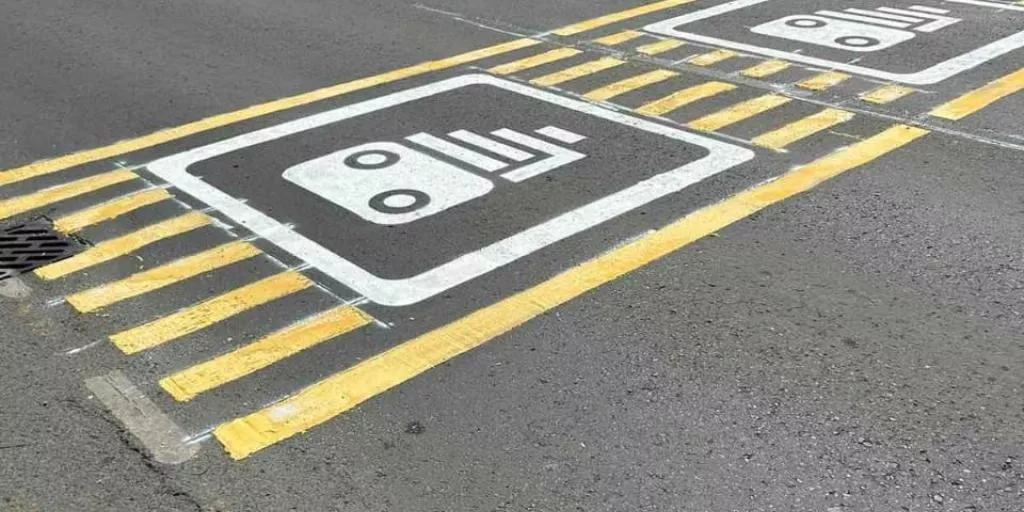
    The government is set to reduce traffic fines for stopping on pedestrian crossings from €300 to €85 following parliamentary approval of legislation proposed by Nicosia MP Marinos Mousiouttas.

    • The government is set to reduce traffic fines for stopping on pedestrian crossings from €300 to €85 following parliamentary approval of legislation proposed by Nicosia MP Marinos Mousiouttas.

    On 26 May 2025, the Electromechanical Services Department issued instructions to its contractor to implement the necessary modifications to the traffic camera system. This move came after securing approvals from TEAA and KEAA contract management bodies, alongside police confirmation of available funding.

    According to the Department Director, all necessary resources for the implementation of the new penalty structure have been secured. Payments to the contractor will be made in two phases: the first upon completion of modifications at the initial crossing and the second upon full project completion.

    Traffic camera: Significant Reduction for Stopping Violations

    The new €85 penalty will replace the previous €300 fine specifically for stopping violations at pedestrian crossings. This adjustment represents a substantial decrease in financial penalties for drivers, aiming to promote safer behaviour around pedestrian areas.

    Timeline for Implementation

    A pilot implementation is scheduled to commence in late November 2025, with police and the Electromechanical Services Department set to select the first modified intersection within that month. Authorities expect full deployment across all intersections equipped with traffic cameras and pedestrian crossings by the end of the first quarter of 2026.

    Testing and Evaluation Phase

    The pilot programme will allow for technical testing and necessary adjustments to the system without impacting the broader camera network. This phase will enable authorities to evaluate the system’s functionality and ensure that violations are accurately recorded under the new penalty framework.

    During the pilot phase, technical testing will focus on system performance and validation of the violation recording process. This systematic approach will facilitate adjustments as needed before full-scale deployment across Cyprus’s traffic camera network.

    Funding Secured for Changes

    Authorities have confirmed that the funding arrangements are in place to support the technical modifications required for implementing the new penalty structure. This ensures that all necessary changes can proceed smoothly and efficiently.

    Looking Ahead

    With the reduced penalty structure aimed at improving compliance and safety, the full implementation across all relevant intersections is projected to provide comprehensive coverage of the new system by March 2026. This initiative reflects the government’s commitment to enhancing traffic safety while easing the financial burden on drivers.

  • Gesy Reforms Set to Enhance Public Hospitals in Cyprus

    Gesy Reforms Set to Enhance Public Hospitals in Cyprus

    gesy reforms — gesy reforms — Cyprus’ national health system, Gesy, is set to receive further reforms aimed at strengthening public hospitals and digitising health services, as announced by the government on Wednesday evening.

    The presidency of the Republic of Cyprus emphasised that the substantial strengthening of the health sector and the provision of higher quality services to all residents are fundamental pillars of policy and top priorities for the administration. This commitment marks a pivotal moment for public healthcare in the country.

    According to the latest Eurostat data, Cyprus boasts the lowest rate of unmet medical needs in the entire European Union. Just 0.2 per cent of the Cypriot population reported that their need for medical examination or treatment went unaddressed, significantly lower than the EU average of 3.8 per cent. The presidency hailed this achievement, noting it indicates a “functional, effective and accessible health system.”

    “This significant achievement confirms that Gesy essentially covers the needs of residents,” the presidency stated, highlighting that the 0.2 per cent of unmet medical needs serves as a strong indicator of social well-being. It is a testament to the effectiveness of current health policies, which are yielding tangible results.

    Health Minister Michael Damianos has previously affirmed the system’s long-term viability, referring to Gesy as the biggest reform in the health sector since the establishment of the Republic. In early June, he stated, “Gesy is here to stay,” underscoring a commitment to continuous evaluation and improvement of the system.

    As part of these ongoing reforms, the government aims to systematically address any weaknesses in the system, with a series of new legislations designed to safeguard Gesy. Minister Damianos has expressed an intention to enhance the daily experience for citizens visiting hospitals, which reflects a proactive approach to public health management.

    Since its inception, Gesy has registered over a million beneficiaries, facilitating more than 21 million visits to general practitioners and specialists alike. By May, there had been over 3.6 million visits to radiological diagnostic centres, 17 million to laboratories, and 43 million to pharmacies, along with an additional 1.3 million visits to dentists. Furthermore, around 360,000 surgical procedures have been performed under the system.

    The legislative groundwork for Gesy was laid in 2001, but the system officially began operating in June 2019. This evolution in healthcare underscores a significant shift towards modernising public health services in Cyprus, aiming to meet the needs of the population more effectively.