cancer gene — A sperm donor whose genetic mutation has condemned at least 197 children across Europe to a 90% chance of developing cancer fathered no children in Cyprus, the Health Ministry has confirmed.
- A sperm donor whose genetic mutation has condemned at least 197 children across Europe to a 90% chance of developing cancer fathered no children in Cyprus, the Health Ministry has confirmed.
The anonymous Danish donor, who was paid for his sperm while studying, unknowingly carried a defect in the TP53 gene. This mutation disables the body’s primary defence against cancer, resulting in a severe condition known as Li Fraumeni syndrome. This syndrome dramatically increases the risk of various cancers, particularly in childhood. Some children conceived from his sperm have already died, while others have been diagnosed with two different types of cancer.
Cancer gene: Strict Regulations Shield Cyprus
Cyprus managed to avoid the fallout associated with this case due to strict national laws that limit each donor’s sperm to a single family. The Health Ministry confirmed that although the donor’s sperm reached the island, no children were conceived from it. This was clarified following an investigation launched last spring, which began when the first 67 affected children were identified.
Rising Numbers and Alarming Findings
A recent BBC investigation revealed that the number of affected children has nearly tripled to at least 197, with the final count likely to be higher as data from several countries remains uncollected. Dr Edwige Kasper, a cancer geneticist at Rouen University Hospital in France, expressed concern over the situation, stating, “We have many children who have already developed cancer. We have some children who have already presented with two different cancers and some have already died at a very young age.”
Genetic Mutation and Its Consequences
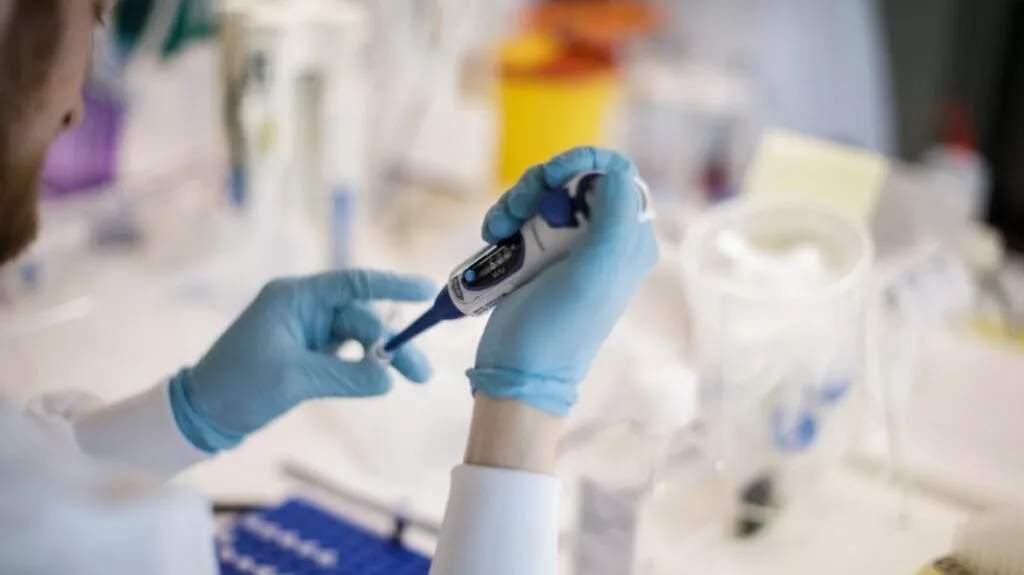
The mutation affects the TP53 gene, which is crucial for preventing cells from becoming cancerous. Up to 20% of the donor’s sperm carried this dangerous variant. Any child conceived using affected sperm inherits the mutation in every cell of their body, leading to a significantly heightened cancer risk throughout their lives.
Despite the serious implications of this mutation, the donor himself and his family were reported to be healthy, having passed all necessary screening tests. The European Sperm Bank acknowledged that such mutations are not typically detected during preventive genetic testing, which raises questions about the safety protocols in place.
Failures in Monitoring Sperm Donor
In a troubling turn of events, the European Sperm Bank temporarily blocked the donor in April 2020 after a child conceived from his sperm developed cancer. However, subsequent tests declared the result negative, leading to his re-approval. It was only in October 2023, after further analysis, that he was permanently blocked from donating. For 18 months following the first cancer diagnosis, his sperm remained available for use.
A Growing Concern Across Europe
The case first emerged publicly in June 2022 when Belgian newspaper Le Soir revealed that 52 children had been conceived using the donor’s sperm in Belgium alone between 2008 and 2017. An investigation by The Guardian then uncovered that a total of 67 children across Europe were affected, with many conceived through assisted reproduction in Belgium. The Belgian Health Ministry alerted other European nations, including Cyprus, about the potential risks.
The Health Ministry’s Medically Assisted Reproduction Council has been monitoring the situation since the initial reports, and based on current data, no immediate concerns have been identified for Cyprus. However, the ongoing situation serves as a cautionary tale about the importance of rigorous screening and monitoring of sperm donors to prevent similar incidents in the future.