Tag: health services

  • No Lives at Risk Despite Cancellation of Neonatal ICU Contract

    No Lives at Risk Despite Cancellation of Neonatal ICU Contract

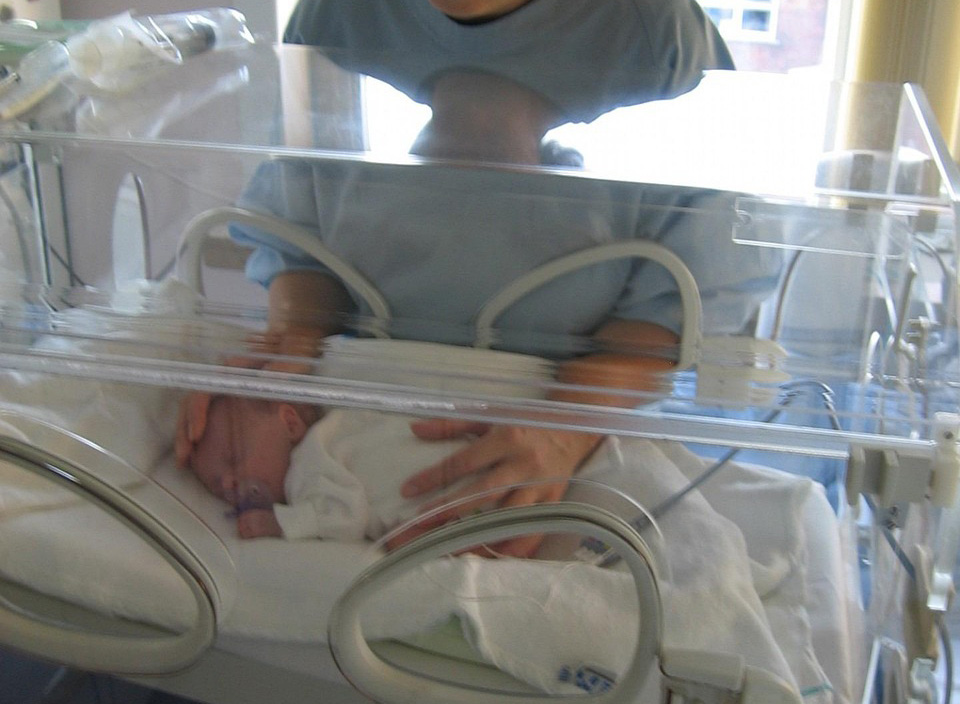
    neonatal icu — neonatal icu — No lives are at risk as a result of the cancellation of a contract for the new neonatal intensive care unit at the Makarios children’s hospital in Nicosia, according to Charalambos Charilaou, spokesman for the state health services organisation (Okypy).

    • As the community awaits further developments, the focus remains on ensuring the safety and well-being of the most vulnerable patients in the neonatal unit.

    Neonatal icu: Contract Cancellation Explained

    On Saturday, Charilaou clarified that the decision to cancel the contract was necessary due to its problematic nature and deadlock. Speaking to the Cyprus News Agency, he stated, “we did what we had to do” and emphasized that the existing neonatal unit is well-equipped and staffed, highlighting its capability despite spatial limitations.

    Future Plans for the Unit

    Charilaou noted that the contract was terminated with the contractor’s consent, eliminating potential legal complications. Okypy has successfully recovered €1.3 million worth of guarantees and is optimistic about finding a new contractor. The hope is to complete the new building by September 2027, with the new contract mirroring the original value of €6.4 million.

    Concerns from the Community

    Despite official assurances, local advocacy groups have expressed their dissatisfaction. The miracle babies association described Okypy’s timeline for the new unit as “an illusory dream for premature babies and their families.”

    Political Reactions

    Criticism has also emerged from several MPs. Disy MP Savia Orfanidou expressed her disappointment about the lack of progress, while Akel MP Nikos Kettiros pointed out that the construction site has seen minimal activity, noting, “a fence was placed, and a couple of holes drilled in the ground.”

    Kettiros condemned the government’s handling of the situation, accusing them of “peddling promises and hot air.” Diko MP Chrysanthos Savvides raised alarm about the existing neonatal intensive care unit operating at 150 per cent capacity, stating, “You realise that this puts at risk the lives of newborns.”

    As the community awaits further developments, the focus remains on ensuring the safety and well-being of the most vulnerable patients in the neonatal unit.

  • Three-hour strike — Three-Hour Strike to Disrupt Flights and Services Across Cyprus

    Three-hour strike — Three-Hour Strike to Disrupt Flights and Services Across Cyprus

    three-hour strike — three-hour strike — Cyprus will experience significant disruption on Thursday as a three-hour nationwide strike affects airports, schools, and public services amid ongoing disputes over the Cost-of-Living Allowance (CoLA).

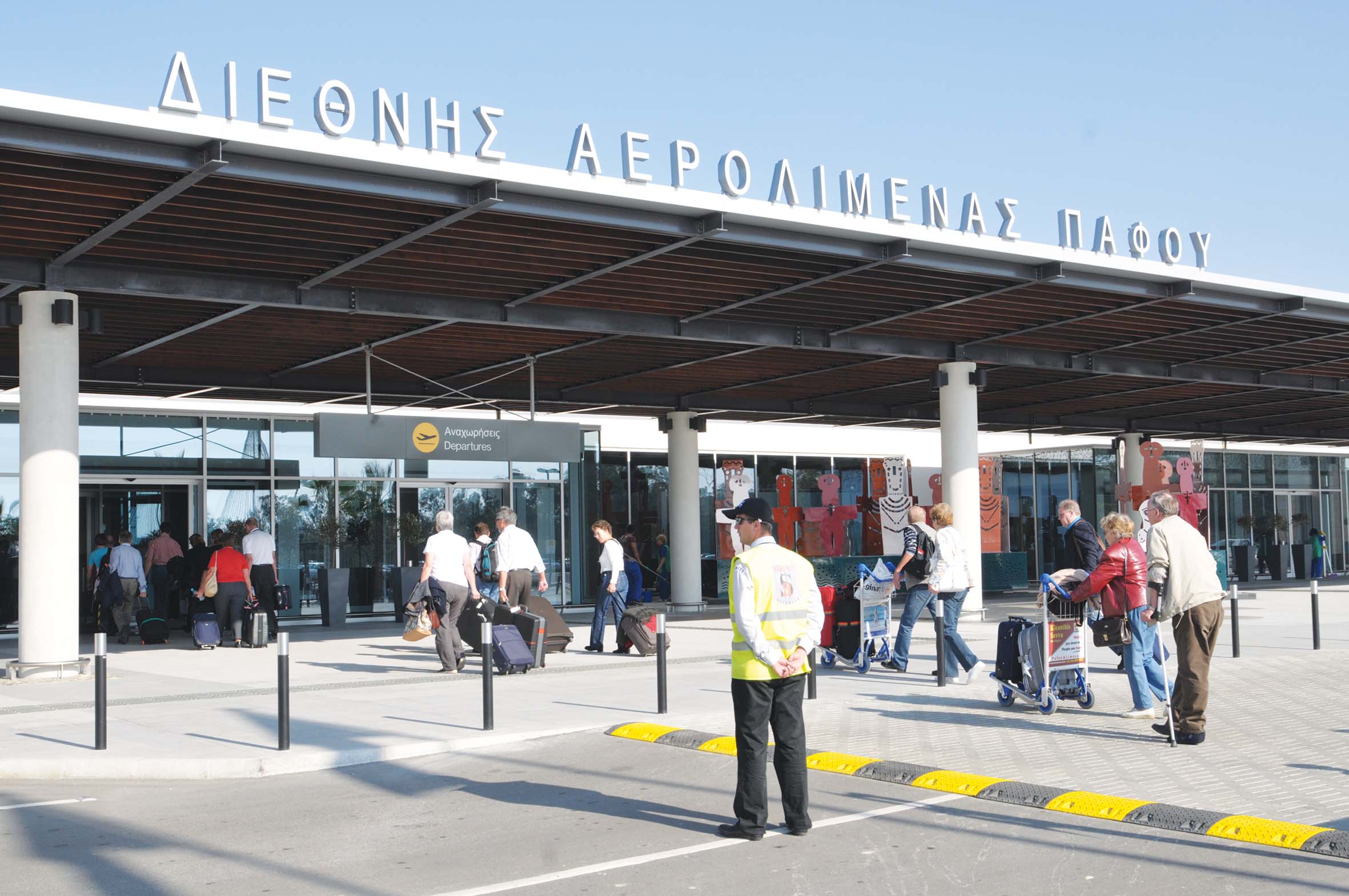
    Hermes Airports announced that more than 50 flights at Larnaca and Paphos airports are likely to be delayed or cancelled between 11am and 2pm, impacting over 15,000 passengers. The airport operator has urged travellers to contact their airlines or travel agents for the latest updates and to monitor the official website for rescheduled flight information.

    As the strike unfolds, several flights have already been cancelled, including those from Jazeera Airways to and from Kuwait, Qatar Airways to and from Doha, and Emirates from Dubai to Malta. To manage the expected increase in passenger volume post-strike, additional staff will be on duty after 2pm.

    Schools across the island are preparing for early closures, with parents advised to collect their children by 11am. School buses will not operate during the strike hours, and students attending all-day schools should return by 2pm to resume classes. Lunch services will not be provided, and privately run community nursery schools will adhere to their employers’ guidelines.

    Public bus services will also face significant disruption. Cyprus Public Transport (CPT) has stated that many scheduled routes may not operate during the strike, advising passengers to make alternative arrangements. Only morning school bus routes will run, leaving parents to arrange for their children’s transport home.

    In the health sector, hospitals will remain open but with reduced staffing. The national health scheme, Okypy, confirmed that A&E departments and wards will operate with minimal personnel during the strike hours. Patients with appointments during this time will be notified of any changes promptly.

    Citizen service centres will close between the strike hours, and individuals with appointments will receive messages regarding rescheduling. The Electricity Authority of Cyprus (EAC) is also adjusting its service hours, with customer service offices opening only briefly before the strike and resuming later in the day.

    This industrial action follows failed negotiations earlier this week between unions, employers, and the government concerning reforms to CoLA, which also touch on tax and pension issues. President Christodoulides has described these reforms as essential for modernising a system that dates back to 1960. He acknowledged that reforms often provoke reactions but insisted they are in the public’s interest.

    Labour Minister Yiannis Panayiotou emphasised that updating the allowance is necessary to meet contemporary needs, suggesting a graduated scale for CoLA based on earnings. He argued that higher earners should not receive the same support as those on minimum wage.

    Trade unions, including Sek and Peo, assert that the strike is crucial for protecting workers, particularly those on low incomes. Employers have expressed a desire for dialogue on modernisation but have condemned the strike, highlighting the need for essential services to remain operational. Demonstrations are also planned across various towns in Cyprus during the strike.

    In a joint statement, employers’ groups Oev and Keve have voiced their concerns over the government’s handling of the dispute, arguing that the current approach could harm the economy and deter foreign investment. They noted that the International Monetary Fund and the European Commission have previously called for the abolition of CoLA, marking it as a structural weakness within the public sector.

    Political reactions are divided; while some parties advocate for the restoration of allowances, others support the strike as a necessary measure. President Christodoulides has called for calm, suggesting that industrial action does not foster progress on reform.

    As the strike looms, it is clear that the impact will be felt across homes, schools, and workplaces throughout Cyprus, leaving citizens to navigate the challenges posed by this significant industrial action.

  • Gesy Reforms Set to Enhance Public Hospitals in Cyprus

    Gesy Reforms Set to Enhance Public Hospitals in Cyprus

    gesy reforms — gesy reforms — Cyprus’ national health system, Gesy, is set to receive further reforms aimed at strengthening public hospitals and digitising health services, as announced by the government on Wednesday evening.

    The presidency of the Republic of Cyprus emphasised that the substantial strengthening of the health sector and the provision of higher quality services to all residents are fundamental pillars of policy and top priorities for the administration. This commitment marks a pivotal moment for public healthcare in the country.

    According to the latest Eurostat data, Cyprus boasts the lowest rate of unmet medical needs in the entire European Union. Just 0.2 per cent of the Cypriot population reported that their need for medical examination or treatment went unaddressed, significantly lower than the EU average of 3.8 per cent. The presidency hailed this achievement, noting it indicates a “functional, effective and accessible health system.”

    “This significant achievement confirms that Gesy essentially covers the needs of residents,” the presidency stated, highlighting that the 0.2 per cent of unmet medical needs serves as a strong indicator of social well-being. It is a testament to the effectiveness of current health policies, which are yielding tangible results.

    Health Minister Michael Damianos has previously affirmed the system’s long-term viability, referring to Gesy as the biggest reform in the health sector since the establishment of the Republic. In early June, he stated, “Gesy is here to stay,” underscoring a commitment to continuous evaluation and improvement of the system.

    As part of these ongoing reforms, the government aims to systematically address any weaknesses in the system, with a series of new legislations designed to safeguard Gesy. Minister Damianos has expressed an intention to enhance the daily experience for citizens visiting hospitals, which reflects a proactive approach to public health management.

    Since its inception, Gesy has registered over a million beneficiaries, facilitating more than 21 million visits to general practitioners and specialists alike. By May, there had been over 3.6 million visits to radiological diagnostic centres, 17 million to laboratories, and 43 million to pharmacies, along with an additional 1.3 million visits to dentists. Furthermore, around 360,000 surgical procedures have been performed under the system.

    The legislative groundwork for Gesy was laid in 2001, but the system officially began operating in June 2019. This evolution in healthcare underscores a significant shift towards modernising public health services in Cyprus, aiming to meet the needs of the population more effectively.