Tag: higher education

  • Ikyk Scholarships for 300 Students to Be Paid in 2026

    Ikyk Scholarships for 300 Students to Be Paid in 2026

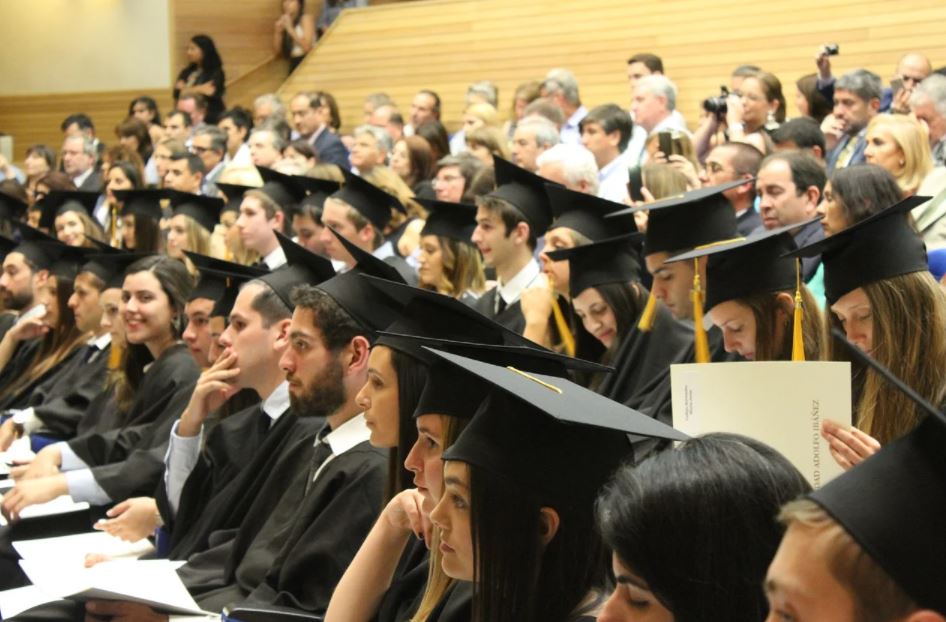
    ikyk scholarships — ikyk scholarships — The Ikyk student scholarships will be disbursed in 2026, as confirmed by the finance ministry, which announced plans to allocate additional funds next year for 300 students who have yet to receive their awarded amounts.

    • “We are glad that the President of the Republic has listened to our appeals and we hope that we will not find ourselves as spectators in the same play next year,” Savvidis remarked.

    During a session with the House education committee, a finance ministry representative outlined the government’s commitment to providing extra funding to the State Scholarship Foundation (Ikyk). This decision aims to ensure that deserving students obtain the financial support they need to continue their studies.

    Concerns have been raised about the payments owed to students from previous years, as the ministry is also looking into outstanding grants from 2023 and possibly 2022. The representative mentioned that they have reached out to Ikyk for detailed information regarding these payments, emphasising the importance of accessing data stored in Ikyk’s digital system.

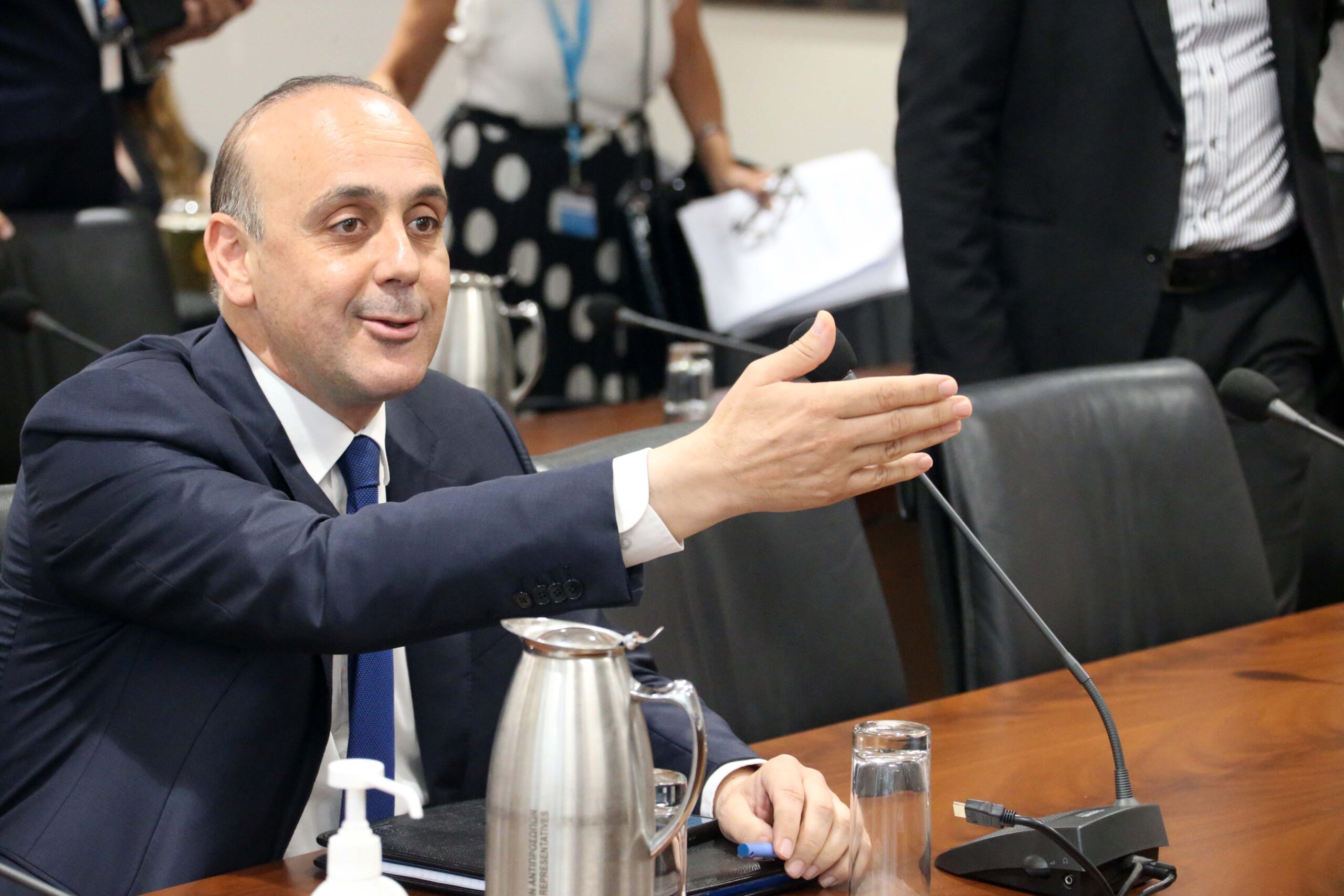
    Chrysanthos Savvidis, chairman of the education committee and Diko MP, highlighted the urgency of the situation, expressing that some students could be forced to halt their education due to the lack of funds. He has appealed to President Nikos Christodoulides for an additional budget to support these students, stressing the need for equal opportunities and the importance of maintaining trust in public institutions that provide scholarships.

    “We are glad that the President of the Republic has listened to our appeals and we hope that we will not find ourselves as spectators in the same play next year,” Savvidis remarked.

    Meanwhile, Disy MP Giorgos Karoulas urged the finance ministry to enhance collaboration with Ikyk, warning that the reliability of the scholarship system is at stake. He stated, “Our talented children must not be victims of this situation and the unreliability of the state itself,” advocating for an increase in scholarship amounts to better support gifted students.

    Akel MP Christos Christofides expressed his satisfaction with the ministry’s recent decision, noting that while it does not achieve perfection, it will ensure that an additional 300 students receive the necessary support. He conveyed his hope that the current issues surrounding the scholarship payments would be resolved promptly.

    Sotiris Ioannou from Elam reassured the committee that, according to his discussions with the finance ministry, no students would lose their scholarships. He indicated that the remaining amounts would be distributed soon, citing information from the Minister of Finance that the issue would be resolved within days.

    The absence of an Ikyk representative at the committee meeting was noted with criticism, particularly as the position of the organisation’s president has been vacant for several months, with the deputy president currently abroad.

    Heightened interest in academic scholarships has led to an increase in Ikyk’s budget, with a supplementary budget of €1.7 million allocated for 2025. The regular budget for 2026 is expected to exceed the previous year’s figure, as announced in parliament.

    Ikyk serves as a government body that awards scholarships to students from Cyprus, the EU, and non-EU countries based on academic merit and socio-economic status. These scholarships cover undergraduate, master’s, and doctoral studies, both domestically and internationally.

  • KES College Launches Its Inaugural MBA Programme

    KES College Launches Its Inaugural MBA Programme

    mba programme — KES College, one of the most successful career-oriented educational centres in Cyprus, has introduced its first post-graduate programme, the Master in Business Administration (MBA), for the current academic year.

    Photo: financialmirror.com

    • This new programme aligns with the college’s strategic vision to nurture skills and innovation while responding to the evolving demands of the labour market.
    • As a member of the European Association of Institutes for Vocational Training (EVBB), KES College is dedicated to enhancing vocational education both in Europe and globally.
    • For further information, interested individuals can contact KES College at +357 22 875737 or via email at info@kescollege.ac.cy.

    After 54 years of providing vocational and undergraduate courses that have helped thousands of students secure jobs and promotions, the KES MBA has recently received accreditation from the Cyprus Agency of Quality Assurance and Accreditation in Higher Education (CYQAA).

    This new programme aligns with the college’s strategic vision to nurture skills and innovation while responding to the evolving demands of the labour market.

    Designed for professionals aiming to enhance their managerial and leadership capabilities, the KES MBA equips participants for career advancement and prepares them for senior positions in both the private and public sectors.

    Mba programme: A Milestone for KES College

    The introduction of this postgraduate programme marks a significant milestone for KES College, which was founded in 1971 by Theodoros Stylianou, initially offering secretarial studies. The MBA represents a pivotal step in the institution’s growth and commitment to its students.

    Dr. Vasias Vassiliadis, Director of Academic Affairs at KES College, stated, “The completion of the evaluation and accreditation process for the MBA by CYQAA represents a significant milestone in the academic journey of the college and a testament to the recognition of its quality standards.”

    He added, “It also marks the first crucial step in our expansion into postgraduate programmes, which has long been a goal of the administration and a shared aspiration of the college’s academic community.”

    Empowering Future Leaders

    The MBA programme is designed to provide a robust foundation for career advancement, fostering professional development that meets the contemporary needs of the business community. By preparing graduates to excel, KES College aims to contribute positively to the Cypriot labour market.

    The college’s central Nicosia campus offers a variety of study directions, including the School of Health Studies, the School of Culinary Arts, Hospitality and Tourism, the School of Journalism and Media Studies, the School of Business and Administration Studies, and the School of Environmental Studies. Additionally, KES College runs a Foundation Programme.

    Commitment to Innovation and Research

    In addition to its educational offerings, KES College operates the KES Research Centre, which conducts independent applied research for industry and innovation programmes. The KES Training Centre also plays a critical role in providing vocational training tailored to market demands across various economic sectors.

    As a member of the European Association of Institutes for Vocational Training (EVBB), KES College is dedicated to enhancing vocational education both in Europe and globally.

    For further information, interested individuals can contact KES College at +357 22 875737 or via email at info@kescollege.ac.cy.

  • University of Nicosia Expands to Athens with New Branch

    University of Nicosia Expands to Athens with New Branch

    The University of Nicosia (UNIC) is set to open a new branch in Athens for the academic year 2025-2026, marking an exciting expansion for the institution.

    • The University of Nicosia (UNIC) is set to open a new branch in Athens for the academic year 2025-2026, marking an exciting expansion for the institution.
    • The establishment of these campuses reflects a growing interest in international education and the increasing demand for varied academic programmes in Greece.

    Located in the Ellinikon area, approximately 10 kilometres from the city centre, the new campus will offer a diverse range of study programmes. Students can expect to find courses in business administration, engineering, social sciences, law, and medicine, among others.

    This initiative is part of a broader trend, as UNIC is not the only institution taking this step. Three other private universities have also received approval to establish branches in Greece. The American University of Anatolia, the University of York, and the University of Keele will join UNIC in enhancing higher education options in the region.

    The establishment of these campuses reflects a growing interest in international education and the increasing demand for varied academic programmes in Greece.

  • International students — Cyprus Ranks Third in EU for International Students

    International students — Cyprus Ranks Third in EU for International Students

    Cyprus has emerged as a leading destination for international students, ranking third among EU member states with nearly one in four university students hailing from abroad, according to Eurostat data released on Friday.

    Prominent Statistics Highlighting Cyprus’ Appeal

    In 2023, Cyprus welcomed a significant number of international students, with the figure standing at 22.3% of its total tertiary education enrolment. This statistic is a testament to the country’s growing reputation as an attractive locale for higher education.

    Across the EU, the total number of foreign students engaged in tertiary-level studies reached 1.76 million, making up 8.4% of all students. These numbers reflect a broader trend towards the internationalisation of higher education across Europe.

    Leading EU Nations in International Student Enrolment

    Luxembourg leads the EU with a remarkable 52.3% of its tertiary students coming from foreign countries, making it the most internationalised higher education system in the bloc. Malta follows closely with 29.6%, while Cyprus occupies a commendable third place.

    This trend contrasts sharply with Greece, Croatia, and Spain, which reported much lower percentages of international students, at 3%, 3.7%, and 4.3% respectively. This disparity highlights Cyprus’s unique positioning within the region.

    Origin of International Students in Europe

    The majority of foreign students in EU universities come from within Europe. Slovakia boasts the highest percentage of European students at 91.3%, followed by Slovenia at 89.4% and Croatia at 89%. This indicates strong intra-European mobility among students.

    In contrast, students from Asia dominate in countries like Ireland, Finland, and Germany, with notable percentages of 45%, 43.35%, and 40.1% respectively. This diverse influx enriches the cultural fabric of educational institutions across the continent.

    Regional Trends in International Student Demographics

    France and Portugal present interesting statistics as well, with more than half of the foreign students in France (52.3%) originating from Africa. Similarly, Africa also constitutes the largest group of foreign students in Portugal, at 42.1%. This trend signifies the growing educational connections between these regions.

    Spain shows a different demographic, with a substantial 46.7% of its foreign tertiary students coming from the Caribbean, Central, and South America. This highlights the varied international student landscapes across Europe.

    Cyprus’ Growing Reputation

    The data signifies a notable shift towards the internationalisation of Cypriot universities, making them appealing to foreign students seeking quality education in a diverse environment. The Cypriot education system’s capacity to attract such a significant proportion of international students is indicative of its strengths and the efforts made to enhance its global outreach.

  • Paphos Mayor Alleges African Degree Scandal Involving Local Universities

    Paphos Mayor Alleges African Degree Scandal Involving Local Universities

    degree scandal — degree scandal — Paphos mayor Phedonas Phedonos has raised serious concerns about the legitimacy of online university courses, claiming that degrees are being purchased by the thousands across Africa without students attending the associated programmes. His remarks have sparked a response from higher education officials, demanding accountability.

    • The discussions around this issue underscore a critical juncture for the educational landscape in Cyprus, where the integrity of its universities will be under scrutiny.

    Degree scandal: Escalating Allegations

    Speaking on a podcast with MEP Fidias Panayiotou, Phedonos asserted that certain universities in Cyprus are distributing a significant number of degrees to students in Africa. He warned that this emerging scandal could soon attract international media attention, stating, “We will be in foreign media and it will say that we sold a thousand or two thousand degrees in Africa.”

    Calls for Transparency

    The University of Cyprus rector, Tasos Christofides, responded swiftly to Phedonos’ statements, urging the mayor to disclose the names of the implicated universities. Christofides described the mayor’s claims as “very serious” and expressed concern over the potential damage to the country’s educational reputation. He insisted that the integrity of degrees earned by diligent students must be preserved.

    Demands for Investigation

    Christofides further called on authorities to investigate the allegations thoroughly. He stated, “I call on the dear mayor of Paphos to name the universities operating in this way so that no shadows are cast over the validity of the degrees students obtain with great effort and sacrifice.” His appeal highlights the urgent need for transparency and accountability in the education sector.

    Potential Implications

    The implications of these allegations are significant, not only for the universities involved but also for the broader perception of Cypriot higher education. As the potential scandal unfolds, it raises questions about regulatory oversight and the quality of online education offerings.

    A Growing Concern

    The issue of degree mills and the sale of fraudulent qualifications is not new, but the scale suggested by Phedonos could point to a troubling trend. With online education continuing to expand, ensuring the credibility of such programmes is paramount for maintaining trust in academic qualifications.

    The discussions around this issue underscore a critical juncture for the educational landscape in Cyprus, where the integrity of its universities will be under scrutiny.