Tag: history

  • Cyprus’s Oldest Woman Anastasia Panayi Passes Away at 105

    Cyprus’s Oldest Woman Anastasia Panayi Passes Away at 105

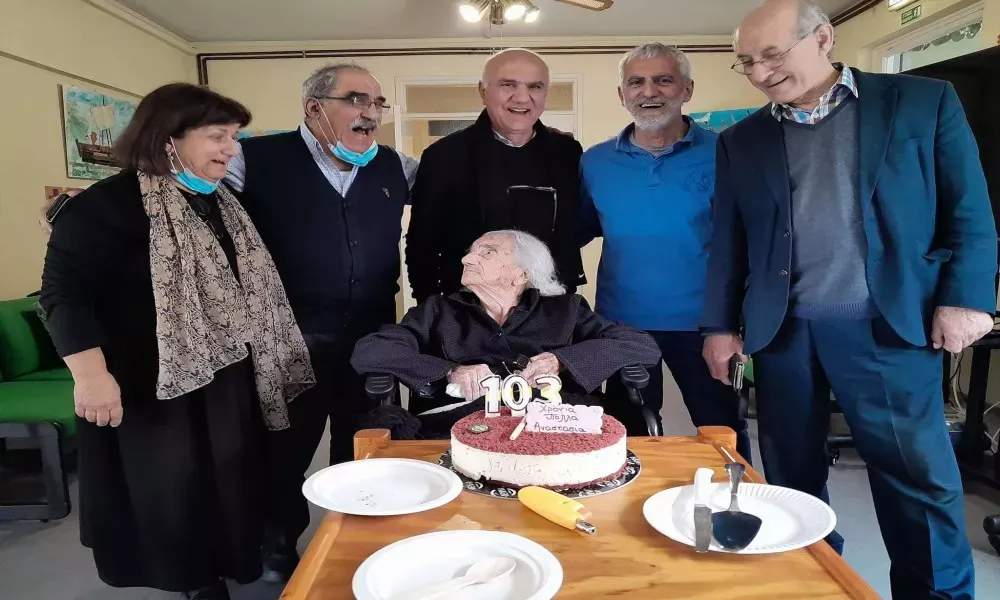
    oldest woman — Anastasia Sophocli Panayi, known as the oldest woman in Cyprus, has died at the remarkable age of 105. Her passing on Wednesday marks not only the loss of a beloved figure but also the closing chapter of a life that witnessed the vast changes in Cypriot society over a century.

    Photo: in-cyprus.philenews.com

    Oldest woman: A Life Spanning a Century

    Born in Syrkania, located in the occupied region of Kythrea, Panayi lived through significant historical events that shaped Cyprus. From the island’s time under British colonial rule to its independence, and the turbulent period following the 1974 invasion, Panayi’s life encapsulated the resilience and transformation of the Cypriot people.

    Witness to History

    Throughout her long life, Panayi experienced the profound impacts of socio-political changes. She was a part of the generation that saw Cyprus transition from a colonial territory to an independent state in 1960, a momentous occasion that many Cypriots celebrated. However, this independence was followed by conflict and division, particularly the events of 1974, which led to the displacement of thousands and the ongoing division of the island.

    Celebrating a Legacy

    Panayi’s life was not just marked by significant historical milestones but also filled with personal stories and memories that resonate with many. Her family described her as a pillar of strength and wisdom, and her longevity was a source of pride for her community. Friends and relatives have shared anecdotes illustrating her vibrant spirit and the warmth she brought to those around her.

    Community Mourning and Funeral Arrangements

    The news of Panayi’s passing has elicited a wave of mourning across Cyprus. Many have expressed their condolences and shared their memories of her, reflecting on the profound impact she had on her family and friends. A funeral service is scheduled for Thursday, 18 December, at the Holy Temple of Apostle Andreas in Platy, Aglantzia. The service will commence at 11:00, with family members receiving condolences starting from 10:00.

    Honouring a Remarkable Life

    As family and friends gather to pay their respects, it serves as a poignant reminder of the ties that bind generations together. Panayi’s life story is a testament to the strength and resilience of women, particularly in the face of adversity. Her legacy will undoubtedly live on through the stories shared by those who knew and loved her.

    A Reflection on Longevity and Heritage

    Anastasia Panayi’s life is a reflection of the rich heritage of Cyprus, embodying the spirit of a nation that has endured and adapted through countless challenges. Her longevity offers insights into the importance of family, community, and the shared history that connects people across generations.

    Lessons from a Centenarian

    In an age where the average lifespan is steadily increasing, Panayi’s life invites reflection on what it means to grow old. Her experiences serve as a reminder of the value of resilience, love, and support within families and communities. As her story concludes, it leaves behind a legacy of strength and an enduring impact on those she touched.

    Final Farewell

    As the community prepares to bid farewell to Anastasia Sophocli Panayi, many will remember not just her age, but the richness of her life and the lessons it imparted. In celebrating her memory, they honour not only her remarkable journey but also the spirit of Cyprus itself.
  • Cypriot hellenism — Exhibition Celebrates New Era for Cypriot Hellenism

    Cypriot hellenism — Exhibition Celebrates New Era for Cypriot Hellenism

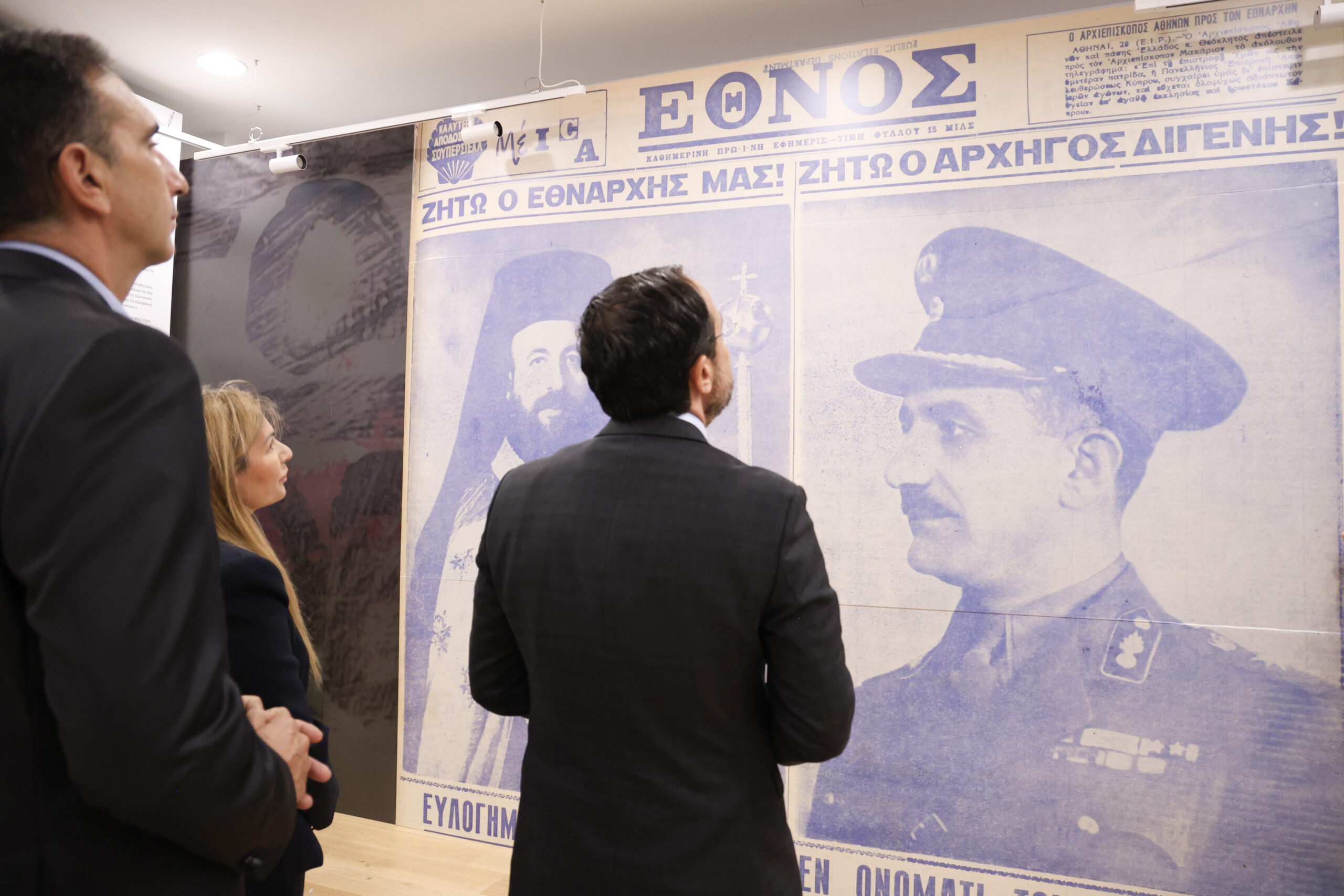
    cypriot hellenism — The phrase ‘new era for Cypriot Hellenism’ resonated through the halls of the old Nicosia Old Town Hall as President Nikos Christodoulides inaugurated the ’70 Years of Eoka 1955-1959′ exhibition on Saturday. This event marks a significant reflection on the armed Eoka struggle that began in 1955, a pivotal moment in Cyprus’s quest for self-determination.

    Photo: cyprus-mail.com

    During his address, Christodoulides expressed profound pride in the sacrifices made by the ancestors of the Cypriot people. He remarked, “I am proud of our ancestors, of the people of our homeland, who, literally and figuratively burning with love for freedom and the Union with Greece and defying all danger and hesitation, joined the struggle and generously offered their services.” This sentiment encapsulates the enduring spirit of those who fought during the turbulent years of Eoka.

    Photo: cyprus-mail.com

    The exhibition, organised by the government Press and Information Office (PIO), showcases a rich collection of archived newspapers, photographs, and artefacts from the era, many of which are on display for the first time. Visitors are invited to engage with the history that shaped their nation, reflecting on the struggles faced in the pursuit of independence.

    Christodoulides acknowledged that while Eoka’s struggle did not achieve the desired union with Greece, it ultimately led to the establishment of the Republic of Cyprus in 1960. He stated, “The struggle of Eoka 55-59 may not have led to the coveted union with Greece, but it did bring about the most valuable asset to date, our statehood, our greatest bargaining power.” This perspective highlights the complex legacy of Eoka, framed within the broader narrative of Cypriot identity and statehood.

    As visitors traverse the exhibition, they can sense the “accumulated resentment” stemming from decades of foreign occupation following World War II. Christodoulides described the period as one of “decolonisation” for the island, noting the disappointment felt by many as their aspirations for self-determination were repeatedly thwarted. He emphasised the importance of remembering these struggles, stating that the memories of Eoka have been passed down through generations.

    The president paid tribute to notable Eoka fighters such as Kyriakos Matsis, Gregoris Afxentiou, Markos Drakos, and Evagoras Pallikarides. They were hailed as “seeds in the land of Cyprus which bore fruit in its freedom and independence.” Such recognition serves to honour the contributions made by these individuals in the fight against colonial rule.

    As discussions continue regarding the future of Cyprus, including a forthcoming meeting between the island’s leaders and UN envoy Maria Holguin, Christodoulides was careful to position the exhibition within the context of ongoing negotiations. He stressed that the exhibition does not undermine current efforts to resolve the Cyprus issue. “The viability, the functionality of a possible solution goes to a very large extent through respect for the historical identity of each person and certainly not through self-abolition,” he said. This statement reinforces the idea that understanding and respecting history is crucial for any future resolution.

    The ’70 Years of Eoka 1955-1959′ exhibition opens to the public on Sunday and will be accessible until December 12. Visitors can enjoy free entry from Monday to Friday between 4pm and 7pm, and on weekends from 10am to 6pm. This initiative not only serves as a reminder of the island’s tumultuous past but also invites a dialogue about its future.

  • Expropriated land — Tasos Isaac’s Daughter Secures Appeal for Expropriated Land

    Expropriated land — Tasos Isaac’s Daughter Secures Appeal for Expropriated Land

    The daughter of Tasos Isaac has won an appeal regarding the expropriated land that belonged to her father, who was killed in 1996 during a demonstration in the buffer zone. The decision, made public on October 30, has significant implications for the return of the land, which was not utilised as intended by the Paralimni municipality.

    Expropriated land: A Long Wait for Justice

    Maria Isaac Kouskounou’s legal battle has been ongoing since the original ruling by the court of first instance dismissed part of her case, citing the overdue status of her claim and questioning her right to pursue the case given that both her father, Tasos Isaac, and his brother had passed away. The court’s initial stance raised concerns about the rights of the heirs, given that Tasos Isaac had seven children.

    The Court’s Ruling

    In the latest ruling from the appeals court, Kouskounou’s legal counsel argued that her appeal was justified and did not infringe upon the rights of her siblings. The court concurred, stating that she was indeed an heir to the property and that her appeal was valid. The ruling noted, “If expropriated land is not used for the purpose intended within three years, the authority responsible for the expropriation is obliged to offer the property back to the original owner or their heirs for the purchase price.” This stipulation underscored Kouskounou’s legal footing in her claim.

    Legal Precedents and Implications

    The appeals court highlighted that a co-owner of a property is permitted to appeal a court decision independently, thereby safeguarding the interests of other owners. This aspect of property law played a pivotal role in the court’s decision to overturn the initial ruling, which had erroneously mandated that all co-owners must file collectively. The appeals court stated, “No regulation could deny any of the owners their right to appeal a decision.” This precedent could potentially pave the way for other heirs facing similar disputes.

    Financial Implications of the Ruling

    As part of the ruling, the appeals court ordered the first instance court to reconsider the case with a different judge, allowing for a fresh examination of previously overlooked aspects. Additionally, Kouskounou was awarded costs amounting to €3,000 plus VAT, an outcome that not only validates her claim but also compensates her for the legal expenses incurred during the lengthy process.

    A Legacy of Violence

    The case is rooted in a tragic chapter of Cypriot history. In August 1996, Tasos Isaac was killed during a protest against Turkish forces in the buffer zone near Dherynia. The demonstration escalated when Greek Cypriots confronted Turkish Cypriots, leading to violent clashes. According to a United Nations report, Isaac was fatally beaten by members of the Grey Wolves, a Turkish nationalist group, as he became ensnared in barbed wire.

    Continued Struggles for Recognition

    Three days after Isaac’s death, fellow protester Solomos Solomou was also killed during a demonstration. His attempt to remove a Turkish flag from a military post resulted in him being shot by a Turkish soldier, further cementing the violent legacy of this period in Cypriot history. The deaths of Isaac and Solomou are emblematic of the tensions that still exist in the region, and their families continue to seek justice and recognition for their losses.

    Looking Ahead

    With the appeal successfully granted, Maria Isaac Kouskounou is now poised to return to court and pursue the rightful return of her father’s expropriated land. This ruling not only serves as a personal victory for Kouskounou but also echoes a broader call for justice among families affected by the violence of the past. The upcoming hearings will be closely watched, as they may set important legal precedents for other heirs facing similar challenges.

    As the legal processes unfold, the case of Tasos Isaac’s daughter illustrates the enduring impact of historical grievances and the quest for justice that many families in Cyprus continue to navigate. The resolution of this case could provide a much-needed sense of closure for the Isaac family and a reminder of the rights of heirs to contest expropriations that remain unresolved.

  • History Teachers Explore New Neolithic Settlement Site ‘Nisia’

    History Teachers Explore New Neolithic Settlement Site ‘Nisia’

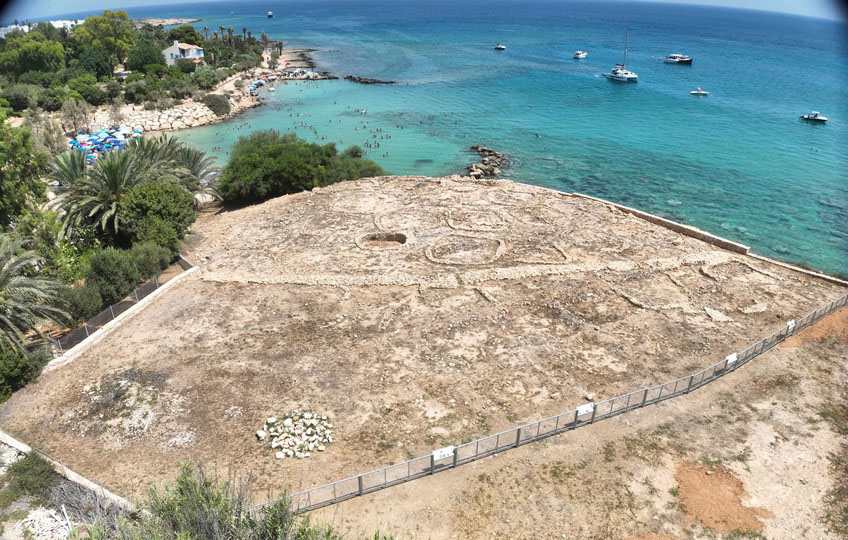
    More than 100 secondary school history teachers toured the newly opened Neolithic settlement site “Nisia” near Protaras in Paralimni-Dherynia on Saturday, enhancing their professional training.

    • More than 100 secondary school history teachers toured the newly opened Neolithic settlement site “Nisia” near Protaras in Paralimni-Dherynia on Saturday, enhancing their professional training.

    The event, organised by the secondary education history curriculum team of the education ministry in collaboration with the department of antiquities and local schools, provided 105 educators with an opportunity to explore the site excavated on a hill overlooking Vyzakia beach. This location features informational displays with visual materials that vividly illustrate life in the Neolithic village and highlight recent archaeological discoveries.

    The tour was led by Dr Anna Satraki, an officer from the department of antiquities. Following the exploration, participants engaged in a discussion and presentation at Paralimni lyceum, which focused on new archaeological data related to excavations, museums, and upcoming exhibition spaces. Special mention was made of a new archaeological museum planned for construction in Nicosia.

    Mayor Giorgos Nikolettou of Paralimni-Dherynia attended the event and praised the collaboration between the ministry, the antiquities department, and the history curriculum team. He reiterated the municipality’s commitment to promoting the region’s rich heritage sites.

    The organising committee comprised notable members of the inspectorate for philological subjects including Dr Antonia Loizou, Dr Angelos Chrysostomou, and history advisors like Dr Panagiotis Proikakis, Mrs Andri Charalambous Zeniou, Dr Panagiotis Tofis, and Dr Andriani Georgiou, all contributing to the success of this educational initiative.

  • Political Outrage Erupts Over Podcast Remarks on Eoka Fighter Grigoris Afxentiou

    Political Outrage Erupts Over Podcast Remarks on Eoka Fighter Grigoris Afxentiou

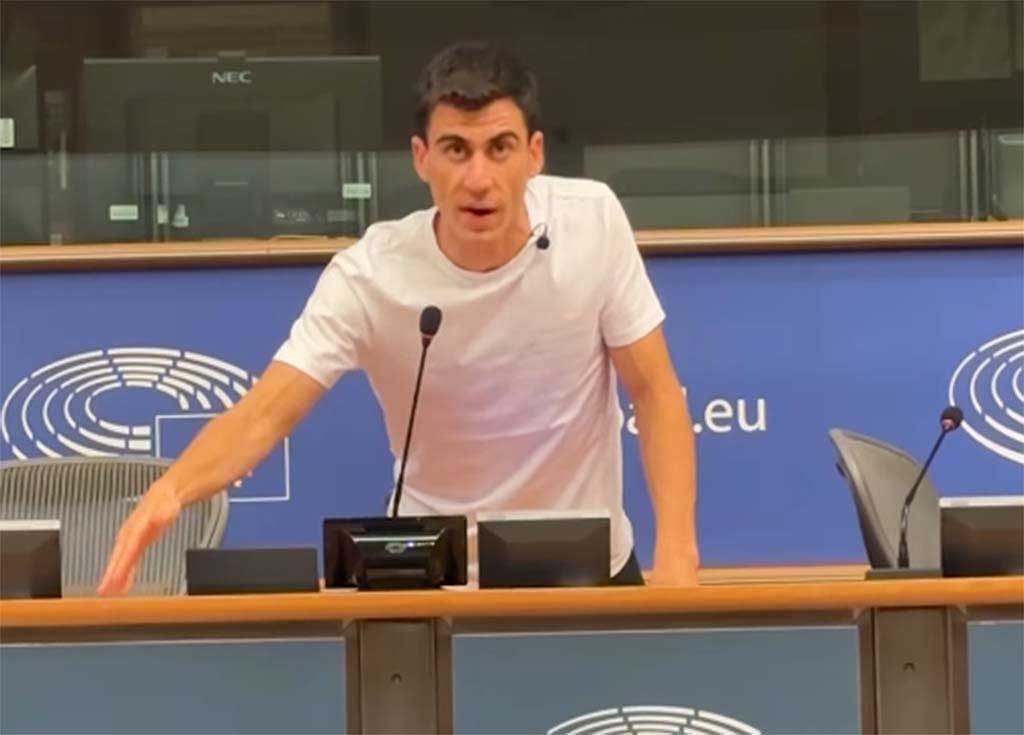
    Political parties in Cyprus are incensed following controversial remarks made on a podcast hosted by MEP Fidias Panayiotou, where doubts were cast on the widely accepted narrative surrounding the death of Eoka fighter Grigoris Afxentiou.

    The narrative, which claims that British forces set Afxentiou’s hideout ablaze while he was still inside, was challenged by historian Michalis Michael during the podcast. Michael suggested that Afxentiou may not have been burned alive as traditionally believed, stating, “It is said that Afxentiou told [his fellow fighters], ‘get out and I will stay here’. You could not fight inside the hideout.”

    According to Michael, the circumstances of Afxentiou’s death were further complicated by a forensic report from a 2017 trial involving four of his fellow fighters. He noted, “The description states that the others got out, Afxentiou stayed, they shouted at him to surrender and he did not, they threw a grenade at him.” Michael revealed that the forensic report detailed Afxentiou’s injuries, including a bullet wound and other significant trauma, casting doubt on the suicide narrative previously suggested.

    Political reactions were swift and fierce. The Democratic Rally (Disy) was one of the first to respond, condemning the podcast’s assertions as an attempt to “rewrite Cypriot history, which was written with the blood of our heroes.” They described the suggestion that Afxentiou committed suicide or was shot by a fellow fighter as slanderous and an affront to his legacy.

    “Grigoris Afxentiou will remain an eternal beacon of militancy and supreme virtue,” Disy stated, insisting that the significance of his sacrifice should not be altered by contemporary political views.

    The Democratic Party (Diko) echoed these sentiments, asserting that Afxentiou’s sacrifice is a cornerstone of national dignity and collective memory. They urged political figures to refrain from exploiting the sacrifices of heroes for political gain, stating that such attempts deserve nothing but shame.

    In contrast, the left-wing party Akel defended Michael’s position, framing his comments as a legitimate historical inquiry. They highlighted Afxentiou’s status as a symbol of self-sacrifice and heroism in the fight against colonialism. “For the sake of history, we recall that when the British colonialists were searching for Grigoris Afxentiou, the only newspaper which refused to publish his wanted notice was the Akel newspaper,” they argued, emphasising their own patriotism in the face of criticism.

    This exchange of accusations escalated, with Disy accusing Akel of adopting a narrative aligned with British colonialists and undermining the legacy of Cypriot resistance. They challenged Akel to acknowledge their historical mistakes, further intensifying the political friction surrounding the podcast remarks.

    On Saturday afternoon, President Nikos Christodoulides also weighed in on the debate, sharing a post on social media featuring Afxentiou’s wanted poster along with a quote attributed to him: “In the ultimate need, I will fight and die like a Greek, but they will not catch me alive.” This statement resonated with those who view Afxentiou as a national hero, underscoring the deep emotional and political stakes involved in the discourse surrounding his legacy.