Tag: housing

  • Ioannou Commits to Tackling EU’s Housing Crisis During Cyprus Presidency

    Ioannou Commits to Tackling EU’s Housing Crisis During Cyprus Presidency

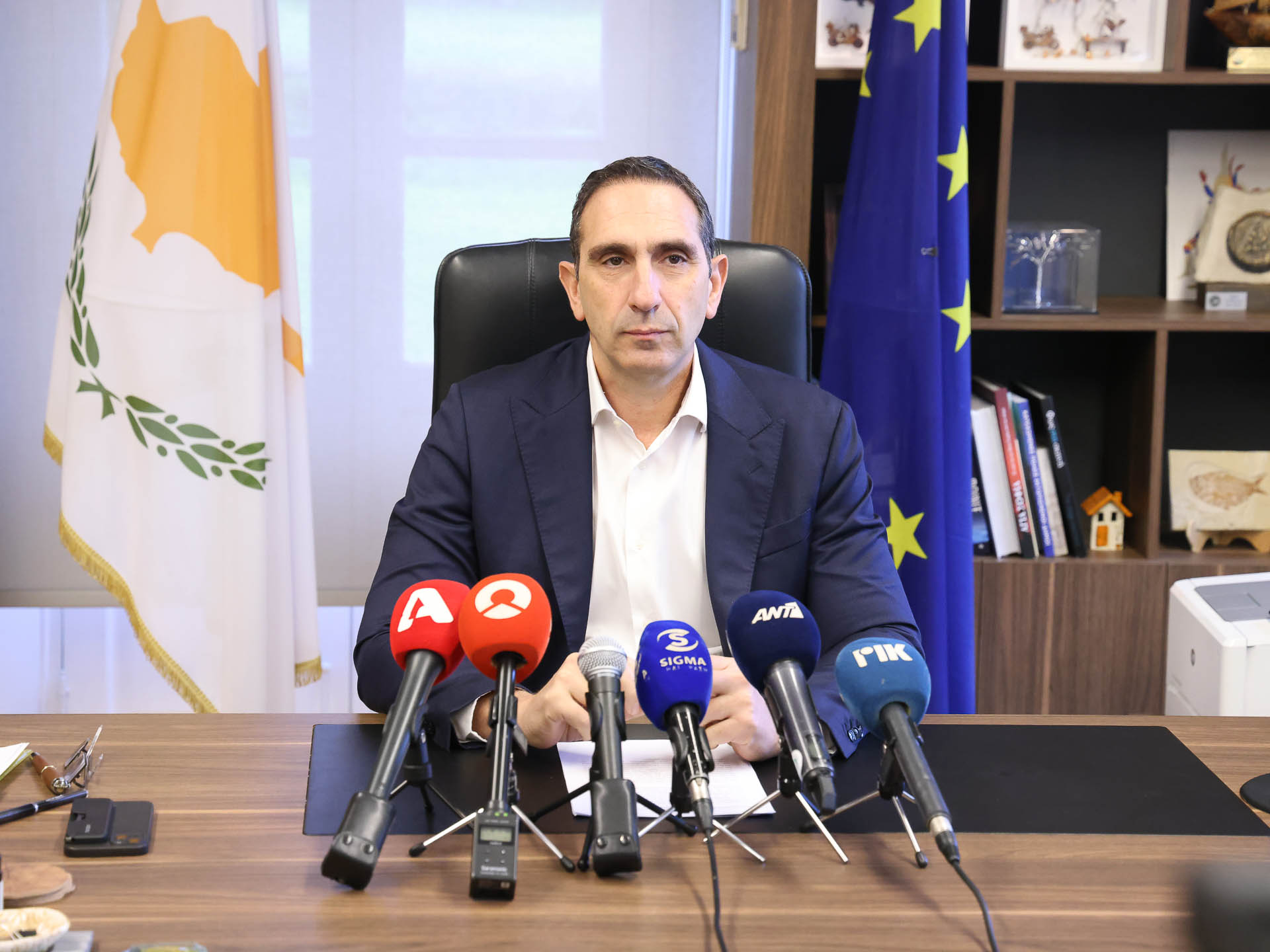
    Interior Minister Constantinos Ioannou has pledged to address the EU’s rapidly worsening housing problem during Cyprus’ six-month presidency of the Council of the European Union. He highlighted the urgency of affordable housing as a critical issue affecting all 27 member states.

    Speaking on Friday, Ioannou stressed that while housing policy is primarily a national responsibility, the growing challenges faced by many European citizens in accessing affordable and sustainable housing necessitate a coordinated response from the EU. “The increasing difficulty for a large number of European citizens to secure access to affordable and sustainable housing makes a coordinated European response necessary,” he stated.

    The upcoming appointment of Dan Jorgensen as the European housing commissioner by European Commission President Ursula von der Leyen in 2024 underscores the recognition of the housing crisis at the highest political levels within the EU. Ioannou noted, “Addressing the housing crisis is a complex undertaking, but there is strong political will for cooperation so that the crisis can be turned into an opportunity for the EU, for the benefit of European citizens.”

    To facilitate discussions on this pressing issue, Cyprus will host an informal ministerial meeting on housing in May. This meeting aims to bring together EU officials to strategise on effective solutions. Additionally, the European Commission released a plan last month specifically targeting affordable housing, which is structured around four key pillars.

    Housing crisis: Four Pillars of the Housing Plan

    The first pillar focuses on boosting housing supply. The Commission aims to enhance productivity and innovation in construction by promoting advanced materials and methods, including offsite and modular construction. They plan to cut red tape to expedite housing supply through a new “housing simplification package.” This initiative seeks to reduce administrative burdens and improve cost efficiency in permitting and renovation processes.

    Investment Mobilisation Strategies

    To mobilise investment, the Commission proposes the creation of a new “pan-European investment platform” that will collaborate with the European Investment Bank and various national and regional financial institutions. Furthermore, a revision of state aid rules is on the cards, allowing member states to implement social and affordable housing projects more swiftly, without the need for prior approval from the Commission.

    Immediate Support and Market Regulations

    The third pillar aims to provide immediate support while also driving necessary reforms. This includes addressing issues stemming from short-term rentals, such as those offered by platforms like Airbnb, which have been contributing to local housing affordability problems. The Commission plans to introduce new legislative measures to balance the benefits of tourism with the housing needs of local populations.

    Additionally, the plan addresses speculation in the housing market, promoting transparency and identifying speculative behaviours that may be distorting market conditions. Structural reforms in areas such as spatial planning and taxation are also encouraged to streamline processes and enhance housing supply across the EU.

    Support for Vulnerable Groups

    Lastly, the plan prioritises the protection of the most affected populations. It aims to mobilise investments for student housing and develop innovative housing models tailored for young people and those from disadvantaged backgrounds. The Commission has committed to expanding social housing and implementing measures to prevent and address homelessness effectively.

    Through these initiatives, Ioannou and the EU aim to tackle the growing housing crisis, transforming it into an opportunity for improvement within the bloc. As Cyprus takes on its presidency, the focus will undoubtedly remain on fostering collaboration and implementing solutions that benefit European citizens.

  • Cyprus Rent Costs Surpass Mortgage Payments, Revealing Housing Market Shift

    Cyprus Rent Costs Surpass Mortgage Payments, Revealing Housing Market Shift

    cyprus rent — Cyprus rent costs have now matched or surpassed mortgage payments, altering the landscape of housing choices for many citizens. Once, renting was a more affordable option compared to mortgage repayments, but this is no longer the case.

    Interior Minister Constantinos Ioannou highlighted this significant change in a recent discussion with DIKO MP Christos Senekis. He revealed that the rising rental costs have led many to reconsider their housing options. Data shows a drop in the number of displaced individuals applying for rental subsidies, decreasing from 4,509 in 2022 to 3,155 in 2024, while interest in property acquisition has grown.

    “Based on the data maintained, a slight decrease in applicants for rental subsidies and a simultaneous increase in applications for purchasing or construction schemes has been observed over the last three years,” Ioannou stated. This shift suggests that as rental prices climb, more people are opting for home ownership, where mortgage payments are now comparable to monthly rent.

    The government has responded to the upward trend in rents by increasing subsidy amounts by approximately 15% starting on 1 January 2024. This move aims to alleviate some of the financial pressure on those still in need of rental support.

    The KtizO housing scheme, designed specifically for displaced persons, is also in progress. This initiative is expected to cost around €130 million over a decade and aims to provide better housing options for those affected by displacement.

    Ioannou also addressed concerns regarding the outdated income criteria for the Rental Subsidy Scheme, which have remained unchanged for over 15 years. He confirmed that the Service for the Care and Rehabilitation of Displaced Persons has sent a Bill to the Law Office for legal vetting, which aims to revise these criteria.

    The proposed changes include the abolition of certain articles in the Rent Control Law, which govern rental subsidies for displaced individuals. This would pave the way for new assessment criteria regarding income and eligibility for the Rental Subsidy Scheme.

    “With the approval of the Bill, specific assessment criteria will be submitted to the Council of Ministers for approval, which will include both the method of calculating incomes and new tables of income criteria,” Ioannou explained. The goal is to expand the number of displaced beneficiaries eligible for assistance and to ensure the scheme operates more effectively.

    On the financial front, Ioannou reported that over the past three years, more than 90% of the Rental Subsidy budget has been utilised, showcasing the ongoing demand for housing assistance. In 2022, 93.54% of funds were absorbed, followed by 93.76% in 2023, and 85.39% in 2024.

    “Any savings are not left unspent but are transferred to other Housing Schemes for the displaced that relate to the purchase, construction, or repair of a house/apartment,” he noted, highlighting a commitment to ensuring that available funds are maximised to support housing initiatives.

  • Affordable homes — State to Build 500 New Affordable Homes Across Major Cities

    Affordable homes — State to Build 500 New Affordable Homes Across Major Cities

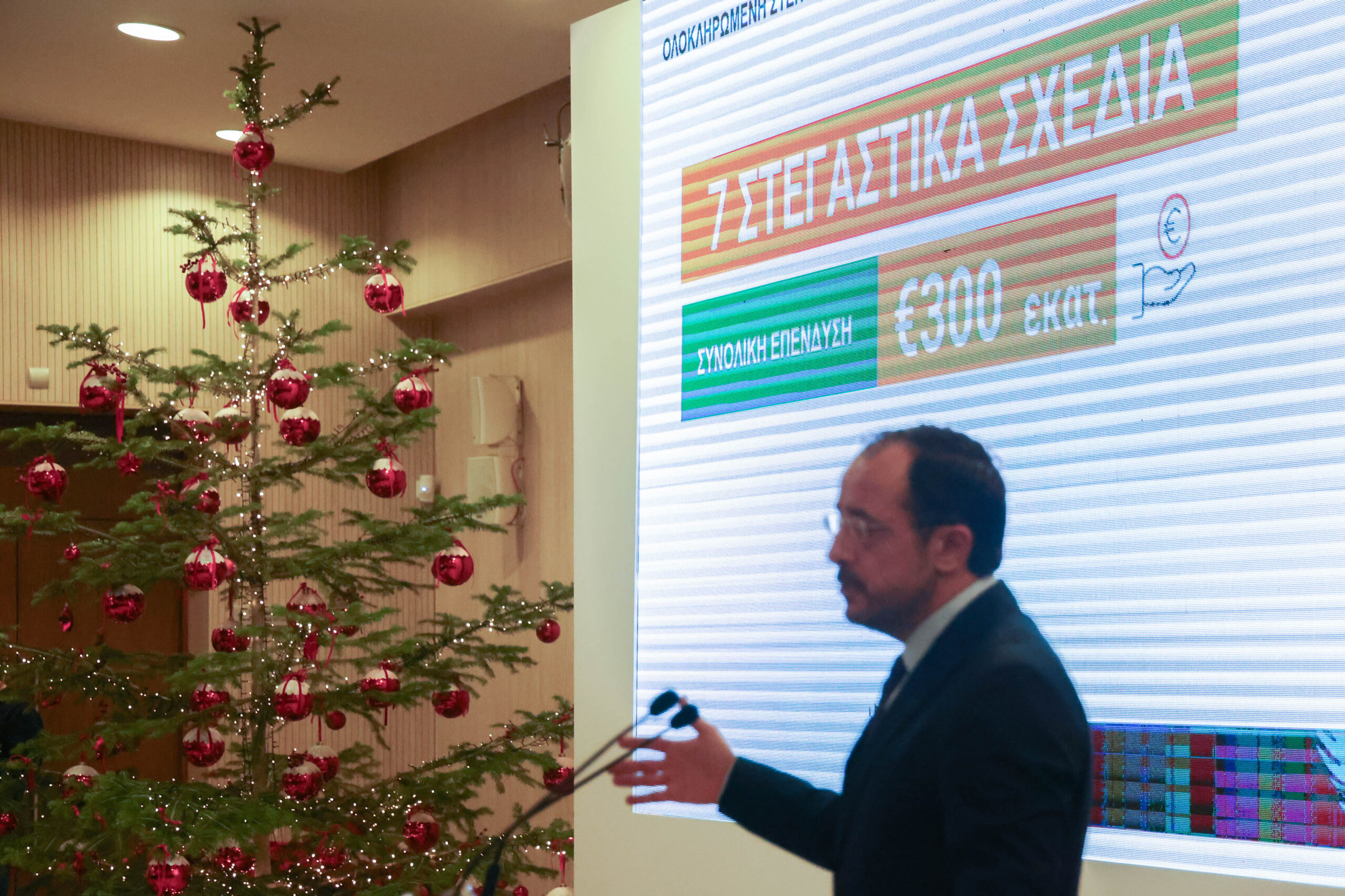
    affordable homes — The state is set to develop 500 new affordable homes to meet the growing housing demand, as President Nikos Christodoulides announced on Tuesday. This initiative aims to provide rental and sale options in Nicosia, Larnaca, Limassol, and Paphos.

    Photo: cyprus-mail.com

    • More details about the project and its timeline will be released in the coming months as the state moves forward with its plans.

    President Christodoulides emphasised the importance of this measure, stating, “This is an important measure that will help to ease the pressure caused by rising housing demand and will significantly contribute to reducing housing costs. It is a plan long requested by social partners and developed in cooperation with them.”

    The new housing units will be priced affordably, with a primary focus on young people looking to enter the property market. This demographic has been particularly affected by the rising costs associated with housing.

    With construction costs estimated at around €70 million, the project will involve using state-owned land valued at over €7 million. The government intends to offer these plots to the private sector through a tender process, ensuring that the construction is carried out efficiently.

    President Christodoulides also highlighted that the rental units will remain under state ownership, which will help maintain affordability in the long term. He noted, “In total, the current government’s investment in housing policy so far exceeds €300 million.” This investment reflects the government’s commitment to addressing the housing crisis and supporting citizens in their quest for affordable living options.

    More details about the project and its timeline will be released in the coming months as the state moves forward with its plans.

  • State Aid Ombudsman Budget Proposal for 2026 Sees Significant Increase

    State Aid Ombudsman Budget Proposal for 2026 Sees Significant Increase

    The budget proposal for the state aid ombudsman in 2026 has seen a significant increase, totalling €703,280, as announced by commissioner Stella Michaelidou during a session with the House Finance Committee on Monday.

    State aid: Budget Increase and Staffing Developments

    The budget has risen by €129,852 compared to previous allocations, a development welcomed by committee members. Notably, the office has recently expanded its workforce with the hiring of four permanent staff members, enhancing its operational capacity.

    Concerns Over Rising Accommodation Costs

    Despite the positive staffing news, there are concerns regarding a 42 per cent increase in accommodation costs for the office. Diko MP Christiana Erotokritou, chair of the committee, questioned the necessity of this rise in rental expenses. Michaelidou clarified that the office currently operates from an apartment and that the new premises were selected through a transparent process involving the public works department and finance ministry. The rental increase is set at €63,000, as assessed by the land registry.

    Long-Term Stability and Future Planning

    The commissioner assured the committee that the new location meets the approved organisational requirements, which should prevent the need for further relocations in the near future. Following the addition of four permanent hires, the office aims to operate exclusively with permanent staff moving forward. Any secondments that conclude in 2026 will be evaluated individually, with renewals being considered based on the office’s operational needs at that time.

    Strengthening EU Relations and Upcoming Events

    Additional budget increases are attributed to the office’s participation in European Union competition groups. Michaelidou highlighted the office’s recognition from the EU for maintaining the state aid register. In a significant upcoming event, the office will host the state aid working group in Cyprus for EU member states in June 2026.

    Guiding Principles of the Office

    Michaelidou emphasised the importance of the office’s role in advising on the allocation of public resources, adhering to EU state aid principles such as transparency, proportionality, necessity, and appropriateness. This guidance is critical for ensuring that aid is distributed effectively and fairly.

    Political Support and Broader Implications

    Support for the office’s work was voiced by Disy MP Harris Georgiades, who pointed out that EU competition policy is among the most advanced in Europe, underscoring the vital role of the commissioner. Meanwhile, Green Party MP Stavros Papadouris raised inquiries regarding outcomes from a recent Copenhagen conference focused on affordable housing. In response, Michaelidou indicated that the office is contemplating whether housing could be classified under services of general economic interest, which would enable EU member states to better serve their citizens.