Tag: investment

  • UAE President Sheikh Mohammed Bin Zayed Al Nahyan Visits Cyprus to Enhance Trade

    UAE President Sheikh Mohammed Bin Zayed Al Nahyan Visits Cyprus to Enhance Trade

    UAE President Sheikh Mohammed bin Zayed Al Nahyan’s visit to Cyprus marks a significant step in strengthening trade relations between the two nations. On Sunday, he met with Cypriot President Nikos Christodoulides at the presidential palace in Nicosia, an event that is seen as a formal confirmation of the upgraded strategic relationship between the UAE and Cyprus.

    Trade: Welcoming Ceremony Highlights Diplomatic Ties

    The day commenced with a welcoming ceremony at Larnaca airport, where President Christodoulides greeted Sheikh Mohammed with military honours. The national anthems of Cyprus and the UAE resonated through the air as bands from the National Guard and the Cyprus police played, setting a tone of respect and collaboration.

    After the reception, Sheikh Mohammed laid a wreath at the statue of Archbishop Makarios III, further highlighting the significance of the visit. The gathering included senior officials from both nations, such as Foreign Minister Constantinos Kombos and Transport Minister Alexis Vafeades from Cyprus.

    Discussions on Key Areas of Cooperation

    The private meeting between the two presidents was followed by expanded talks involving delegations from both sides. According to Konstantinos Letymbiotis, the government spokesman, the discussions centred on enhancing bilateral cooperation across several important sectors. These include:

    • Investment
    • Energy
    • Technology
    • Trade
    • Education
    • Culture
    • Tourism
    • Shipping
    • Security
    • Critical infrastructure

    Both leaders expressed their commitment to moving from strategic alignment to practical implementation. They underscored the necessity of measurable objectives and actionable plans to fortify their relationship.

    UAE’s Interest in Cypriot Investment Opportunities

    During the talks, particular emphasis was placed on investment, with the UAE showing a keen interest in launching significant initiatives in Cyprus. Priority sectors identified include energy, infrastructure, technology, tourism, and shipping. To facilitate this cooperation, a permanent business framework will be established through a joint UAE-Cyprus business council. This council will link the Cyprus Chamber of Commerce and Industry, Invest Cyprus, and the UAE Chamber of Commerce Federation, providing a stable platform for business collaboration and project development.

    Joint Action Plan and Future Prospects

    The two presidents agreed to collaborate on a joint action plan in areas where their interests converge. This includes trade, investment, energy, political dialogue, tourism, culture, education, shipping, security, and critical infrastructure. The upcoming Cypriot Presidency of the Council of the European Union, set to begin on January 1, 2026, was highlighted as an opportunity to strengthen EU-Gulf relations, particularly with the UAE.

    The discussions also touched on the ongoing negotiations for a free trade agreement between the UAE and the EU, which is anticipated to unlock further avenues for trade, investment, and cooperative efforts.

    Regional and Humanitarian Considerations

    Amid their discussions, both leaders exchanged views on various regional and international issues, focusing on developments in the Middle East. The humanitarian situation in Gaza was particularly emphasised, with commitments to continue providing aid through all available channels. President Christodoulides described the visit as a new chapter in Cyprus-UAE relations, reinforcing the strategic partnership and establishing operational structures with measurable goals.

    “From today, a new chapter opens, defined by trust, shared interests, and our joint commitment to a more connected and prosperous region,” he stated.

    Strengthening the Ties Established Since 2022

    Sheikh Mohammed bin Zayed Al Nahyan remarked that since the establishment of strategic cooperation between Cyprus and the UAE in 2022, the ties have seen substantial growth in various sectors, including energy, industry, trade, investment, tourism, and education. He acknowledged that a UAE-EU free trade agreement would further enhance opportunities with Cyprus and welcomed the forthcoming Cypriot EU presidency as a means to bolster UAE-EU relations.

    As the visit came to a close, President Christodoulides hosted an official luncheon in honour of Sheikh Mohammed, further cementing the diplomatic ties forged during this historic meeting.
  • Uncertainty Surrounds Great Sea Interconnector Cost and Future

    Uncertainty Surrounds Great Sea Interconnector Cost and Future

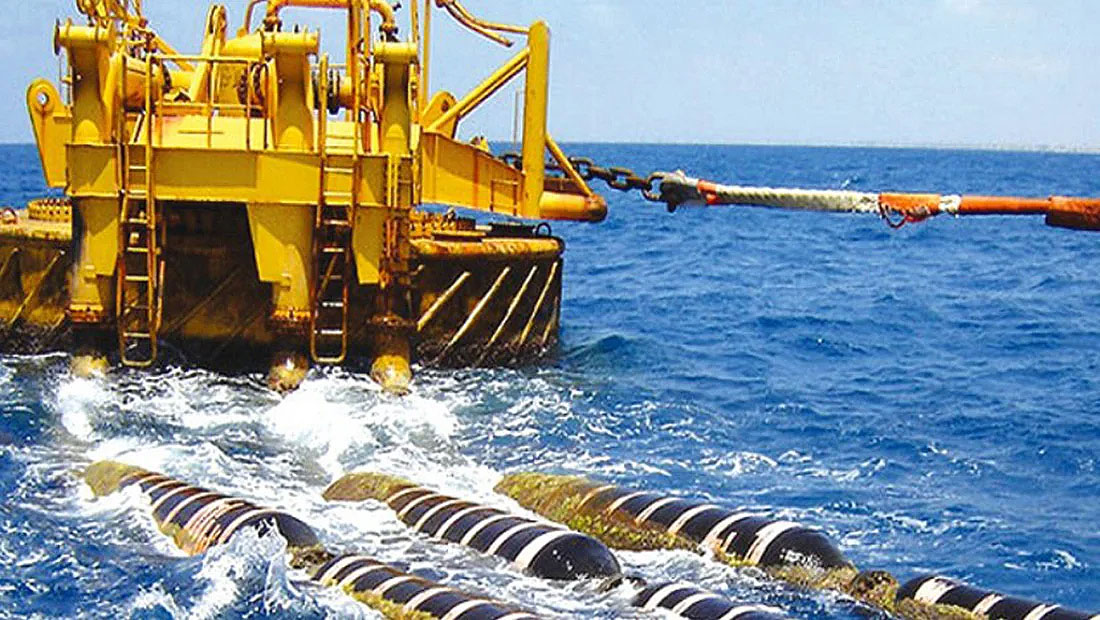
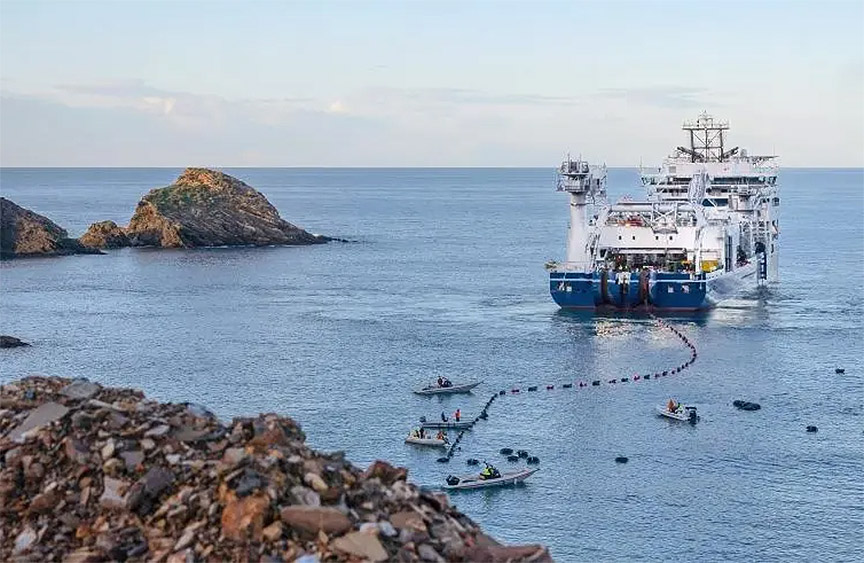
    The Great Sea Interconnector’s future is shrouded in uncertainty as discussions about its cost intensify. Recent talks in Athens led to an agreement to ‘update the techno-economic’ parameters, a move interpreted by many as indicative of stalled progress on the project. While some view this as a necessary step forward, others see it as a sign that the interconnector is struggling to gain momentum.

    Photo: cyprus-mail.com

    Great sea: Debate Over Project Viability

    Opinions on the interconnector diverge sharply. Critics argue that the announcement of a new feasibility study suggests a fundamental reassessment of the project. The GSI, which aims to connect the electricity grids of Cyprus and Greece via a subsea cable, currently faces a significant funding gap, estimated to be around €1 billion. Those sceptical of the project highlight that the necessity of further studies indicates a lack of confidence in its financial viability.

    Photo: cyprus-mail.com

    Funding Challenges

    Despite optimistic claims from Admie, Greece’s independent transmission operator and the project’s promoter, evidence of substantial investment interest remains elusive. Claims that the United States International Development Finance Corporation is considering involvement lack concrete backing. Currently, Admie has capital estimated between €250 million and €300 million and has also secured €650 million in grants from the European Commission. However, the projected cost of the interconnector stands at approximately €1.9 billion, leaving a significant funding shortfall.

    Government Statements and Investor Interest

    Following the Athens summit, Greek Energy Minister Stavros Papastavrou asserted that genuine interest from American investors exists. He stated, “Interest has been exhibited from the Americans, from American companies. We are in an exploratory phase. The Americans, as well as anyone else desiring to invest in a long-term project, they want the numbers, they want the data to understand the what, the how, and the where.”

    This perspective suggests that the feasibility study’s purpose is to provide clarity on costs, which will be critical for attracting potential investors. The study aims to determine whether the project can yield a healthy return on investment and if financial institutions will be willing to back it.

    Concerns Amidst Optimism

    However, sceptics raise valid concerns about the potential ramifications of the feasibility study. They question what would occur if the findings indicate that the interconnector is not financially viable. Would the governments of Cyprus and Greece proceed with a project deemed unfeasible? This uncertainty complicates the already precarious situation surrounding the GSI.

    Further complicating matters, the Turkish navy has deployed gunships to halt depth surveys required for the subsea cable, raising questions about the project’s feasibility if these critical surveys cannot be completed. A source familiar with the situation revealed that there is currently no clear understanding of the GSI’s total cost, contradicting positive outlooks from some officials.

    Historical Context and Previous Studies

    The interconnector project has a complicated history. Initially undertaken by EuroAsia Interconnector Ltd., the project was passed to Admie in October 2023. The Cypriot finance ministry previously submitted a cost-benefit analysis to the European Investment Bank (EIB) when EuroAsia was still involved, seeking an opinion rather than a loan application. The EIB’s recommendation advised Cyprus to invest in energy storage solutions instead.

    Admie later engaged the same consultancy that evaluated EuroAsia’s analysis to perform a second cost-benefit study, which indicated a more favourable outcome for the interconnector, albeit based on several optimistic assumptions.

    Political Perspectives and Future Prospects

    In light of the uncertainty, some remain steadfast in their belief that the GSI is essential for Cyprus’s energy security. Pavlos Liasides, who formulates energy policy for the Disy party, stated, “The GSI is a project that must be done, and will be done. It cannot be otherwise.” Liasides emphasised the interconnector’s significance in the broader context of regional energy needs, connecting Cyprus to the Middle East and Europe.

    He also highlighted the geopolitical implications of the project, noting that plans for interconnectors have been influenced by various international stakeholders, excluding certain nations, including Turkey. This exclusion adds a layer of complexity to the project’s implementation.

    Cost Implications for Consumers

    Addressing concerns about the project’s costs, Liasides pointed out that even if the GSI were to be completed without being utilised, the financial impact on consumers would be minimal, estimating an increase of only €15 per year on their bills over 25 to 30 years.

    Future Collaboration Between Cyprus and Greece

    Despite any perceived tensions between Cyprus and Greece regarding the interconnector, Liasides expressed confidence in the collaboration between the two nations. He noted the leaders’ public commitment to the project during their recent meeting in Athens, suggesting that both governments remain aligned in their objectives.

    As discussions continue, Liasides cautioned against inflammatory rhetoric that could undermine their efforts. He stated, “The GSI has adversaries; they are out there, lurking to poison relations between us and the Greek government. We mustn’t give them any ammunition.” This sentiment underscores the delicate balance that both countries must maintain as they navigate the complexities surrounding the Great Sea Interconnector.

  • Morea Residences: Coastal Villas Offering a Unique Living Experience in Cyprus

    Morea Residences: Coastal Villas Offering a Unique Living Experience in Cyprus

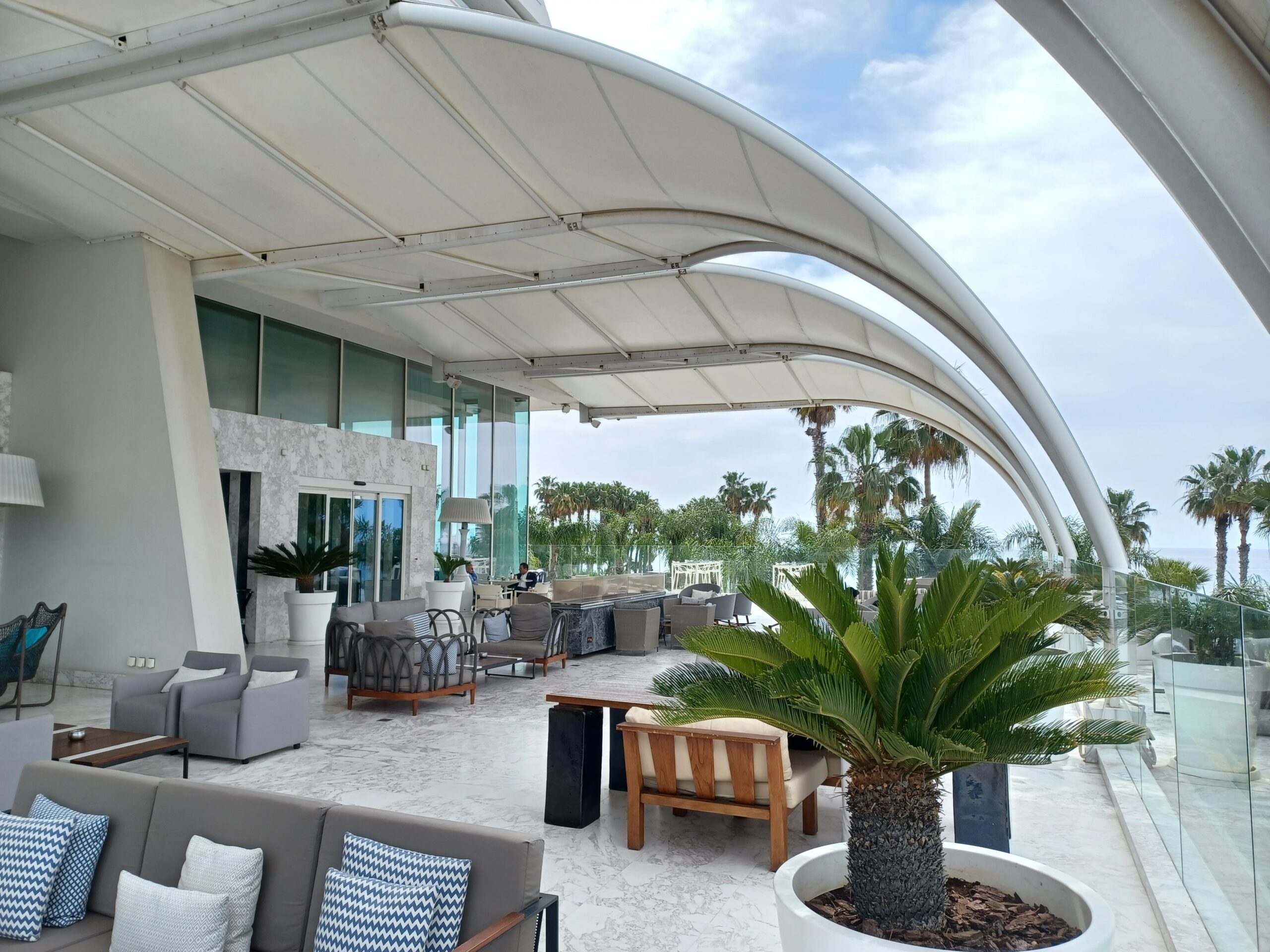
    Morea Residences is a gated community featuring 30 private villas that redefine coastal living. With classic Mediterranean design, modern engineering, and smart home systems, these villas provide an ideal blend of comfort and luxury. Each villa boasts its own private pool and is set within beautifully landscaped green areas, all just a short walk from one of Cyprus’s most stunning beaches.

    Photo: cyprus-mail.com

    Morea residences: A Coastal Retreat in Paphos

    Situated in Pegeia, near Paphos, Morea Residences captures the essence of tranquil living by the sea. While Paphos has seen rapid development, Pegeia retains its charm with a unique combination of coastal access and privacy. Residents can enjoy warm days and open spaces, creating an atmosphere conducive to relaxation and reflection.

    Photo: cyprus-mail.com

    Thoughtfully Designed Villas

    Morea Residences features three distinct villa types, catering to various lifestyles. The two-bedroom poolside villas are compact and bright, making them perfect as holiday homes or rental investments. The three-bedroom options offer additional space, with choices between a private pool or a courtyard, suitable for families or longer stays. The six-bedroom villas, located at the top of the site, span three levels and include a private infinity pool, lifts, and breathtaking coastal views.

    Modern Living Meets Natural Beauty

    The design philosophy at Morea is based on harmony with nature. The villas incorporate natural stone and wood, with clean lines and extensive outdoor areas that enhance the living experience. Inside, residents benefit from modern amenities and smart home systems that simplify daily routines, allowing for a more enjoyable lifestyle.

    Community Amenities for a Resort-like Experience

    The shared spaces at Morea Residences contribute to a sense of community, akin to a private resort. A striking 40-metre river-style pool runs through the heart of the development, accompanied by a separate children’s pool, a playground, and a clubhouse ideal for gatherings. Outdoor fitness zones, yoga decks, barbecue spots, and tranquil green corners provide numerous opportunities for relaxation and social interaction.

    Investment Potential in a Thriving Market

    Morea Residences also presents a compelling investment opportunity. The Coral Bay area ranks among the strongest short-term rental markets in Paphos, with consistent demand for modern villas near the beach. With limited two- and three-bedroom homes available in gated communities, the potential for rental income and long-term value is promising. As construction progresses, current pricing reflects advantageous conditions for early buyers.

    A Thoughtful Approach to Coastal Living

    Morea Residences does not aim to revolutionise coastal living; instead, it embodies the concept with clarity and purpose. Designed as a small, well-planned community near the beach, the layout prioritises privacy and comfort for each home. Whether as a full-time residence, a smart investment, or a holiday base, Morea offers something for everyone.

    A Rarity in Today’s Market

    As projects of this scale and location become increasingly scarce, Morea Residences stands out for its quality and vision. It promises a comfortable home by the Mediterranean, crafted with an emphasis on durability and aesthetics. This is a place where residents can enjoy the fundamental joys of life—air, space, and proximity to the sea.

    Morea Residences isn’t just another development; it is a lifestyle choice that resonates with those seeking a harmonious balance between comfort and nature. With its unique features and prime location, it offers a rare opportunity to embrace coastal living in Cyprus.

  • Cyprus Embraces Family Offices to Diversify Its Economy

    Cyprus Embraces Family Offices to Diversify Its Economy

    Cyprus is opening a new chapter in the diversification of its economy with the attraction and upcoming legislative regulation of Family Offices, or more accurately in Greek: Offices for the Management of Family Wealth.

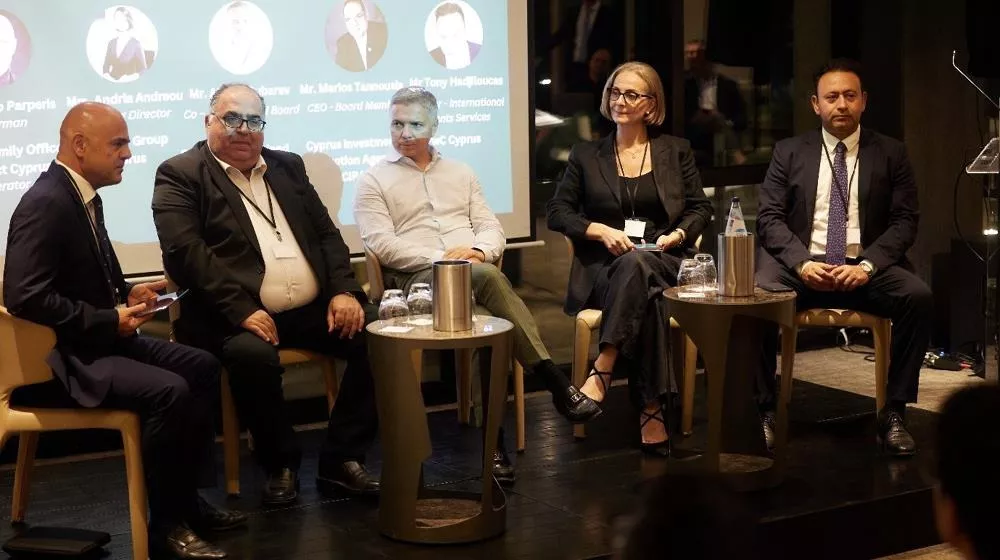
    Recently, a significant event took place in Limassol, gathering key players from the financial, regulatory, and private wealth management sectors. This meeting aimed to explore the future of Family Offices in Cyprus and outline the potential benefits for the country.

    Mr. Theodoros Parperi, the event organiser and President of Family Office Connect Cyprus (FOC), emphasised the platform’s role in promoting dialogue and innovation within the family office ecosystem. Established in 2025, FOC aims to position Cyprus as a leading jurisdiction for Family Office services.

    Family Offices, as described by Mr. Parperi, are specialised entities that manage the wealth, investments, and personal affairs of affluent families. They offer a range of services including investment management, tax planning, legal support, philanthropic activities, and succession planning. There are two primary types: Single Family Offices (SFOs), which cater to one family, and Multi-Family Offices (MFOs), which serve multiple families.

    The process of establishing a Family Office involves strategic planning and legal guidance. Families must select the appropriate jurisdiction, define their structure (SFO or MFO), and engage with financial professionals such as lawyers and investment advisors.

    Unlike traditional investment funds, Family Offices are private structures that primarily serve the needs of individual families, allowing them to invest in various assets without the regulatory burdens faced by public funds. This setup offers advantages such as control, flexibility, and tailored investment strategies, which can enhance financing for economic development initiatives, including startups and existing businesses.

    Experts believe that Family Offices can significantly benefit the Cypriot economy by attracting foreign investment, creating high-quality jobs, and bolstering the professional services sector. They can also help elevate Cyprus’s reputation as a financial centre and provide long-term economic stability and diversification. Drawing from successful models in countries like Singapore, Family Offices can contribute to philanthropy, an area where Cypriot society stands to gain immensely.

    According to reports from Phileleftheros, several Family Offices are already operational in Cyprus, with both local and international families recognising the country’s tax stability and quality of professional services as key factors for their choice.

    However, the absence of a formal legal framework in Cyprus limits the comprehensive documentation of these entities and hinders sector development. Efforts are underway to establish a more structured environment for Family Offices.

    The establishment of Family Office Connect Cyprus (F.O.C.) marks a significant step towards this goal. The platform advocates for a robust institutional framework for Family Offices in Cyprus. Among its initial recommendations are the creation of a legal framework for SFOs, the introduction of Private Foundations for succession and philanthropy, and collaboration with regulatory bodies like the Cyprus Securities and Exchange Commission (CySEC) and the Ministry of Commerce.

  • Cyprus Economic Forum Highlights Resilience Amid Global Challenges

    Cyprus Economic Forum Highlights Resilience Amid Global Challenges

    cyprus economic — cyprus economic — The 16th Limassol Economic Forum has become a pivotal gathering for discussing how global disruption is reshaping economies and trade, underscoring the importance of resilience, reform, and leadership for Cyprus and Europe.

    Cyprus economic: Government Strategies for Economic Strength

    Deputy Minister Irene Piki shared the government’s robust strategy, which emphasises reform, investment, and institutional integrity as essential components for building economic resilience. She pointed out that President Christodoulides has prioritised reform as a core agenda, reinforcing Cyprus’ strong economic health characterised by full employment and low inflation.

    Business Leaders Address Market Pressures

    A panel featuring influential business figures, including Elias Neocleous and George Pantelides, addressed various market pressures such as inflation, geopolitical risks, and overregulation. The consensus highlighted the necessity for agility, security, and predictability in the business landscape, with Pantelides advocating for simpler regulatory frameworks to facilitate success.

    Bank of Cyprus on the Move

    Charis Pouangare from the Bank of Cyprus reported a notable increase in lending and highlighted the adoption of scenario planning among businesses to navigate through uncertain times. He emphasised the need for Europe to become more dynamic to keep pace with changing market conditions.

    Calls for Strategic Autonomy in Europe

    House Speaker Annita Demetriou stressed the importance of Europe taking a proactive stance rather than merely reacting to global events. She advocated for strategic autonomy underpinned by economic stability, technological leadership, and defence capabilities.

    Digital Euro Discussions Underway

    In a related event, the Central Bank of Cyprus held its first special session on the digital euro, bringing together key payment service providers ahead of the European Central Bank’s decision on the project’s next steps. George Karatzias, speaking on behalf of the CBC governor, described the meeting as occurring at a decisive moment as preparations for the digital euro advance.

    Real Estate Market Thrives

    The Cypriot real estate market continues to thrive, with 1,669 properties sold to overseas buyers in the past year. Interior Minister Constantinos Ioannou reported significant sales figures, noting that international demand has particularly driven up prices in Paphos, while sales in Limassol and Larnaca reflect diverse buyer interests.

    AmCham Cyprus Welcomes New Leadership

    AmCham Cyprus has announced its newly elected board of directors and president following its annual general meeting. The chamber expressed gratitude to outgoing president Georgios Georgiou for his contributions and welcomed Marios Kapiris as the new president.

    Rental Market Trends

    A recent study by Perprice indicates a rise in rental prices for standard apartments in Cyprus’s major cities, reflecting changing demands in the housing market. The research suggests that standard apartments, accounting for a significant portion of the market, are increasingly sought after.

    Digital Transformation in Public Services

    In a significant move towards digital transformation, the Cypriot government is adopting the electronic invoicing service offered by Jinius. This collaboration marks a milestone in efforts to build a fully digital economy, with government officials expressing confidence in the platform’s reliability and security.

    Tax Department’s Crackdown on Undeclared Income

    The Cyprus tax department has identified about 300 individuals and entities, including foreign residents, who failed to declare income from platforms like OnlyFans. The investigation, prompted by social media monitoring, revealed substantial undeclared earnings, highlighting the need for compliance in the digital age.

    Corporate Developments and Innovations

    Demetra Holdings Plc has announced a buyback of its own shares, while the Cyprus Institute of Neurology and Genetics has secured funding for advanced research tools in precision medicine. These developments reflect ongoing corporate activity and commitment to innovation within the country.

    Future Events Focused on Collaboration and Innovation

    Upcoming events, such as the Cyprus–France Cooperation & Innovation Forum and a training seminar on Augmented Reality and Virtual Reality technologies, aim to foster collaboration and enhance competitiveness in the business sector.

  • Syllouris and Giovanis Maintain Innocence in Golden Passports Case

    Syllouris and Giovanis Maintain Innocence in Golden Passports Case

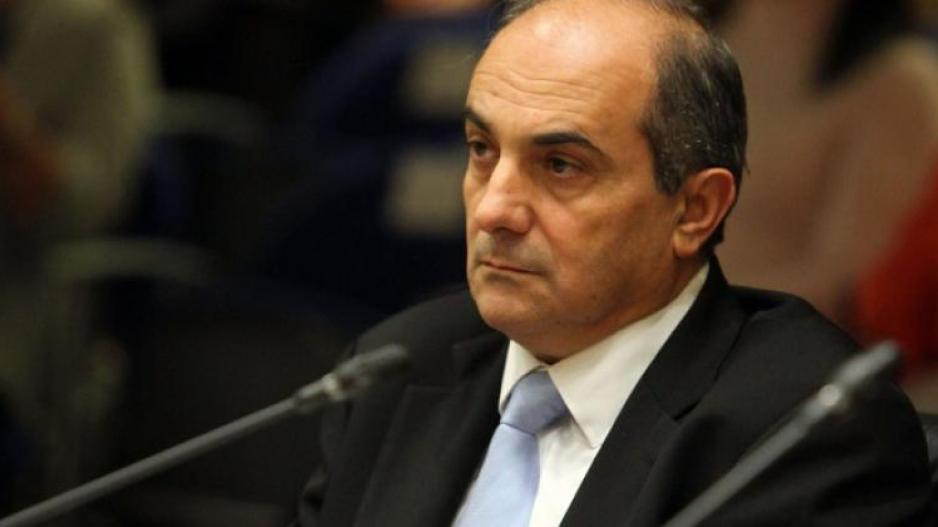
    In a significant development in the golden passports trial, former parliament speaker Demetris Syllouris pleaded not guilty on Thursday before Nicosia’s Criminal Court. He is facing charges alongside Christakis Giovanis, who also insists he acted lawfully and without wrongdoing.

    • This authorisation letter from March 2015 is pivotal as it supports Syllouris's claims regarding his official capacity and the legitimacy of his actions in the context of the golden passports scheme.
    • This trial is poised to remain in the public eye, drawing attention to the broader implications of the golden passports scheme and its impact on Cyprus's international reputation.

    Defendants’ Stance on Allegations

    During the hearing, Syllouris expressed his commitment to addressing the accusations directly. He stated, “I declare categorically that I am innocent of all charges I face in this case, which has completely unjustly caused enormous problems for me and my family.” His unsworn statement underlined his belief that he did not violate the law in any capacity regarding the golden passports scheme.

    Giovanis echoed Syllouris’s sentiments in his own unsworn statement, asserting that he had not committed any illegal acts. He explained that the documents he signed in the Nikolay Gornovsky case were either requested or drafted by lawyer Andreas Pittadjis, who represents both him and the Group. “I never thought or believed there was anything reprehensible, nor did I do anything reprehensible,” Giovanis stated.

    Details of the Golden Passports Scheme

    The golden passports scheme in question has garnered considerable attention, as it involves allegations of corruption surrounding the issuance of citizenship to foreign investors. The case has drawn scrutiny from both local and international media, particularly considering the high-profile nature of the defendants.

    During the proceedings, Syllouris maintained that he closely followed the court’s testimony and reiterated his position that he did not engage in any actions that would satisfy the charges. His defence seeks to establish that the actions taken were part of legitimate parliamentary duties.

    Testimony from Former Parliamentary Director

    As the trial progressed, Sokratis Sokratous, the former Director General of Parliament, provided testimony on the official trips undertaken by Syllouris during his tenure as Speaker. Sokratous confirmed that an official visit to China took place in November 2019, led by Syllouris, where discussions on imports and exports were held.

    According to Sokratous, the selection of Members of Parliament (MPs) for participation in such trips is made exclusively by their respective parties. He defended the necessity of these visits, emphasising their role within the framework of parliamentary diplomacy, which aims to promote Cyprus’s economic, cultural, and political interests abroad.

    Insights into Parliamentary Diplomacy

    Sokratous elaborated on the operations of parliamentary diplomacy, explaining that it allows Parliament to function autonomously when promoting the Republic’s interests. He highlighted the importance of attracting foreign investment, noting that parliamentary delegations are often accompanied by representatives from the Cyprus Investment Promotion Agency (CIPA).

    The focus on economic relations with non-EU countries is a crucial aspect of this diplomatic effort. Sokratous clarified that the aim is not only to foster political ties but also to enhance economic prospects for Cyprus.

    Submission of Evidence

    During the hearing, the court agreed to admit a letter from the former President of Cyprus, which provided authorisation for Syllouris to attract investments to the country. Initially, the secretary of the former President was to appear in court to confirm the document, but her presence was deemed unnecessary after the prosecution consented to submit it as evidence.

    This authorisation letter from March 2015 is pivotal as it supports Syllouris’s claims regarding his official capacity and the legitimacy of his actions in the context of the golden passports scheme.

    Next Steps in the Trial

    The proceedings are set to continue with further hearings scheduled. The next session is slated for 15 September at 10am, where witnesses called by Giovanis’s defence team will be examined. As the trial unfolds, both defendants are expected to maintain their positions of innocence, with their legal teams prepared to counter the allegations brought against them.

    This trial is poised to remain in the public eye, drawing attention to the broader implications of the golden passports scheme and its impact on Cyprus’s international reputation.