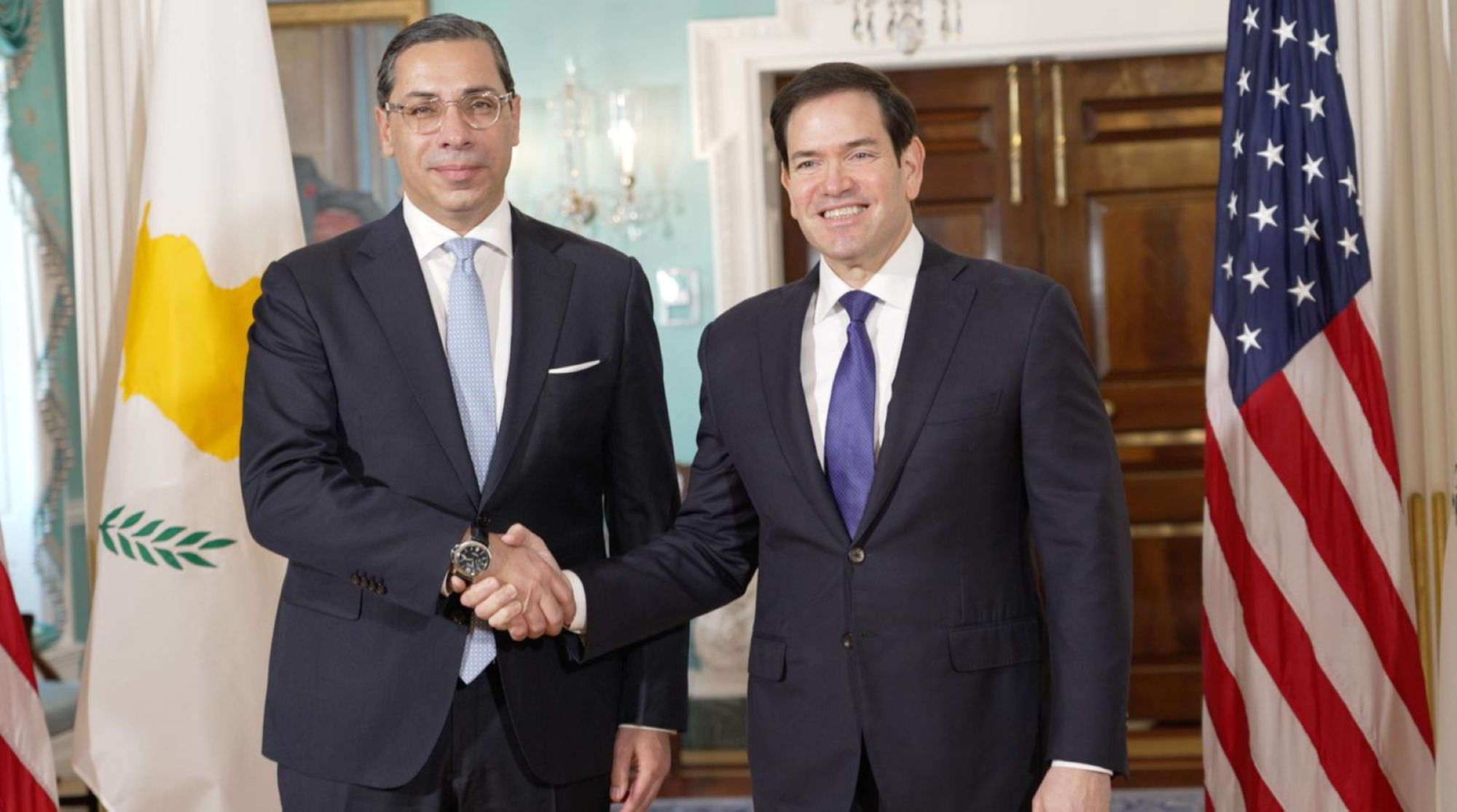
Foreign Minister Constantinos Kombos engaged in a significant conversation regarding Venezuela with United States Secretary of State Marco Rubio on Sunday. This call not only focused on Venezuela but also touched upon various pressing global matters.
Venezuela: Key Topics of Discussion
According to Tommy Pigott, deputy spokesman for the US Department of State, the dialogue included discussions about the United States’ counternarcotics operations in the Caribbean. This aspect of the conversation was framed within the context of the US government’s rationale for its recent actions against Venezuelan President Nicolas Maduro and his wife, Cilia Flores.
Wider Global Context
In addition to Venezuela, Kombos and Rubio also addressed the ongoing protests in Iran and the shared priorities during Cyprus’ presidency of the Council of the European Union, which runs from January to June. The Cypriot foreign ministry described the exchange as “forward-looking,” highlighting the importance of transatlantic relations and the strategic partnership between Cyprus and the US.
Regional Developments and Concerns
The conversation extended to regional developments in Syria and Iran, particularly in light of recent protests. The Cypriot government had reiterated its travel advisory against all travel to Iran just last week, underscoring the serious nature of the situation.
Efforts for Peace in Ukraine
Another topic of importance discussed was the ongoing efforts for lasting peace in Ukraine. The discussions reflect a broader concern for stability in various regions that have been affected by conflict.
Maduro’s Legal Troubles
As of now, Nicolas Maduro remains in New York following his capture in Venezuela and is facing criminal charges in the US related to drug trafficking. The implications of his capture and the subsequent actions taken by the US have stirred significant reactions both domestically and internationally.
US President’s Stance on Energy Companies
On the same day, US President Donald Trump threatened to restrict energy giant ExxonMobil from accessing Venezuela’s oil reserves. This statement came after ExxonMobil’s CEO, Darren Woods, labelled Venezuela as “uninvestable” during a meeting at the White House. This situation raises questions about the future of foreign investment in the Venezuelan oil sector.
Reactions in Cyprus
In Cyprus, the US actions regarding Venezuela have sparked a negative grassroots reaction. Despite the escalating tensions, Kombos maintained a measured stance on the day of Maduro’s capture, advocating for “de-escalation, restraint, and a resolution that respects international law.” He emphasised that Cyprus is closely monitoring developments in Venezuela in collaboration with the EU and other partners.
EU’s Position on Maduro
EU High Representative for Foreign Policy, Kaja Kallas, has also been vocal about the situation, stating that the EU is closely monitoring developments in Venezuela. She reiterated that the EU has consistently maintained that Maduro lacks legitimacy and supported a peaceful transition. The EU stresses the necessity of adhering to international law and the UN charter, underscoring that the safety of EU citizens remains a top priority.
Protests Against US Actions
Following the developments, a protest occurred outside the US embassy in Nicosia, led by Akel party leader Stefanos Stefanou. He expressed that there can be “no excuse” for the US’s actions in Venezuela, arguing that the intervention cannot be justified as a means to combat a dictatorial regime or drug trafficking. Stefanou’s remarks reflect a broader sentiment among various political factions in Cyprus regarding the US’s foreign interventions.
Condemnation of Military Actions
Other political parties in Cyprus have also voiced their objections to the US actions. The Volt party condemned any violation of international law, stating that military force should not substitute for diplomacy. This collective discontent indicates a growing apprehension regarding the ramifications of foreign interventions and their legality.