Tag: Israel

  • Military cooperation — Cyprus, Greece and Israel Strengthen Military Cooperation at Jerusalem Summit

    Military cooperation — Cyprus, Greece and Israel Strengthen Military Cooperation at Jerusalem Summit

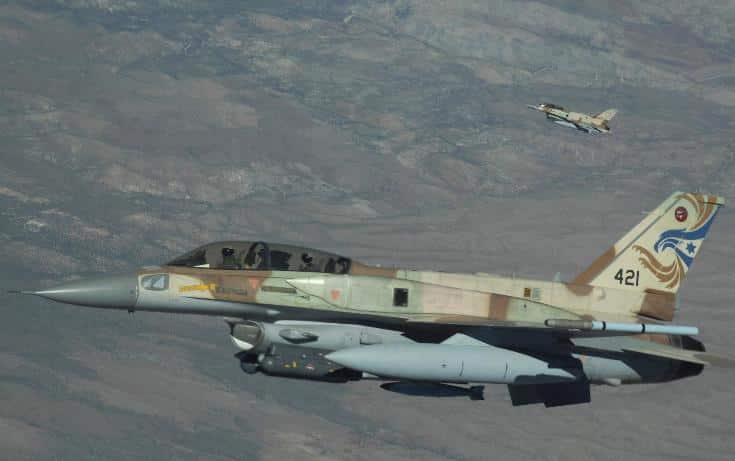
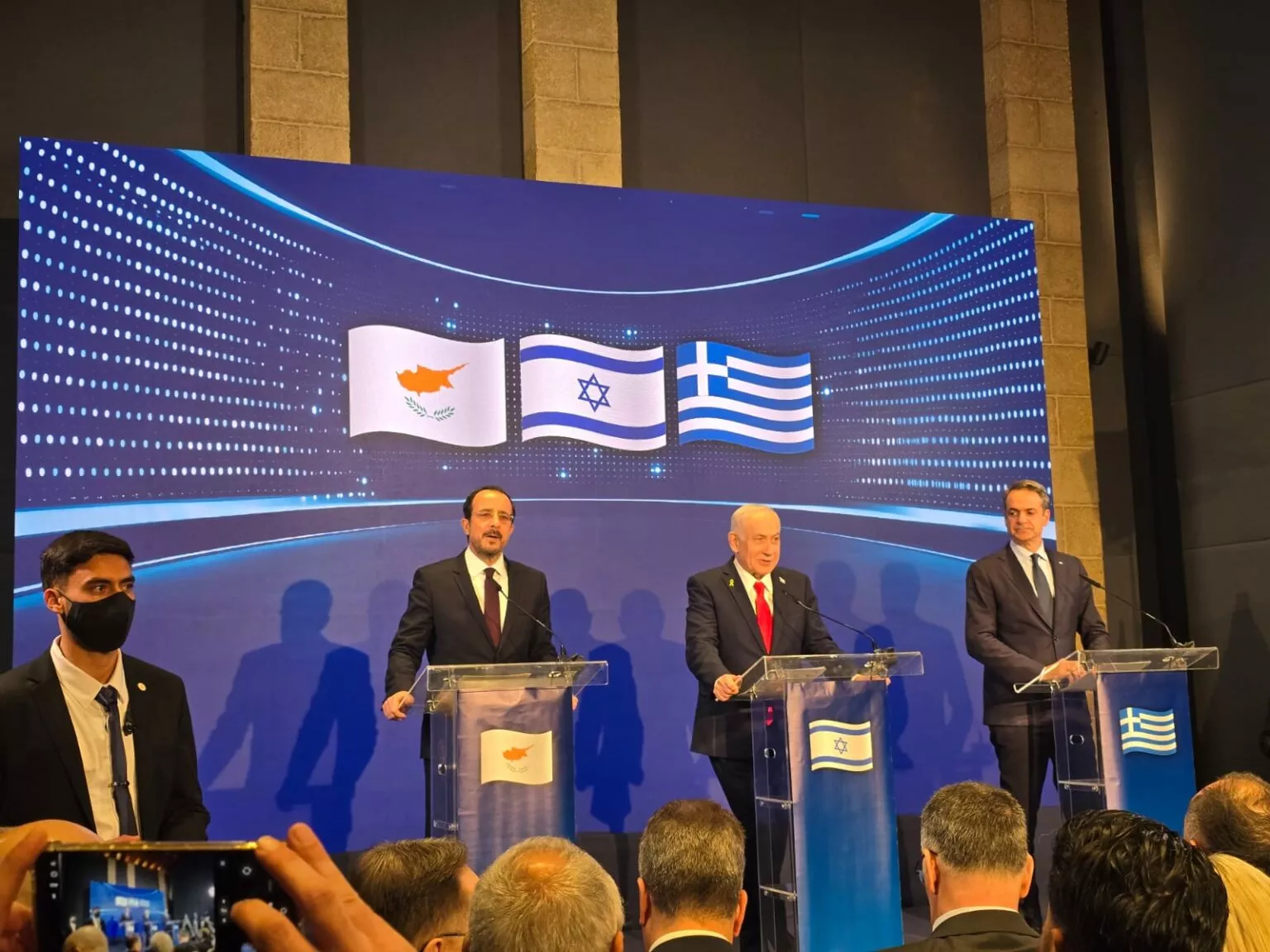
    military cooperation — Cyprus, Greece and Israel have agreed to deepen military ties, reflecting a shared commitment to enhance cooperation among their armed forces during the 10th trilateral summit in Jerusalem. The leaders of the three nations—President Nikos Christodoulides of Cyprus, Prime Minister Kyriakos Mitsotakis of Greece, and Prime Minister Benjamin Netanyahu of Israel—issued a joint declaration acknowledging the historic significance of this collaboration amid evolving regional dynamics.

    Military cooperation: Expanding Defence Collaboration

    In their declaration, the leaders highlighted the necessity of strengthening defence and military cooperation, which they view as vital in addressing security challenges across the Eastern Mediterranean and beyond. They agreed to hold annual summits and increase trilateral meetings at ministerial and working levels, further solidifying their partnership.

    Joint Military Initiatives

    Reports have emerged suggesting that Greece, Cyprus, and Israel are exploring the creation of a joint rapid response brigade. This initiative aims to safeguard their energy interests in the Eastern Mediterranean while countering Turkish claims in the region. However, the Cypriot Ministry of Defence has downplayed these reports, indicating that while discussions are ongoing, no formal plans have been established.

    Commitment to Security and Counter-Terrorism

    The summit underscored a unified stance against terrorism, with leaders pledging to enhance cooperation in security matters. They reaffirmed their commitment to combating terrorism financing and ensuring maritime security, which is crucial for protecting sea lanes and critical infrastructure from emerging threats. The establishment of the Maritime Cyber Security Centre of Excellence in Cyprus is expected to commence operations in 2026, aiming to bolster regional maritime security efforts.

    Humanitarian Efforts and Regional Stability

    The leaders also recognised the humanitarian contributions of Cyprus and Greece towards Gaza, particularly through the Amalthea maritime corridor. This initiative is coordinated with Israel and international partners to facilitate humanitarian aid effectively. They reiterated the importance of ensuring that such aid reaches civilians safely and is not misused by extremist groups.

    Emergency Preparedness Initiatives

    As part of their cooperation framework, Cyprus, Greece, and Israel have agreed to establish a trilateral working group focused on emergency preparedness and response. This group will facilitate rapid assistance during natural disasters. Additionally, plans are underway for creating a Cyprus Regional Aerial Firefighting Station, which aims to enhance the capabilities of the three nations in responding to environmental crises.

    Energy Collaboration and Infrastructure Projects

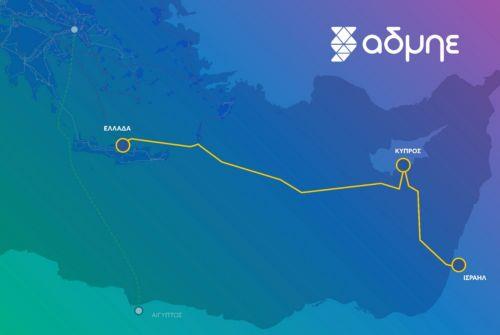
    The summit also highlighted the commitment to joint energy projects, including natural gas development and renewable energy initiatives. The leaders referenced the Great Sea Interconnector project and the recent 3+1 Energy Ministerial Summit, which included participation from the US, as pivotal steps towards promoting energy security in the region.

    Advancing Science and Technology Cooperation

    In a bid to foster innovation, the leaders agreed to strengthen trilateral cooperation in science and technology. This includes the establishment of a working group dedicated to artificial intelligence and joint research initiatives, aiming to enhance their capabilities in critical policy areas and high-performance computing.

    Deepening Cultural and Educational Ties

    Beyond military and technological collaboration, the nations expressed a desire to deepen cultural, educational, and academic exchanges. They have committed to accelerating existing agreements on environmental education and youth exchanges, recognising the importance of people-to-people ties in strengthening their partnership.

    Addressing Regional Challenges

    The leaders acknowledged the complexities of the regional landscape, including the ongoing dialogue between Israel and Lebanon. They reiterated their support for Lebanon’s sovereignty and stressed the importance of maintaining the status quo at the Holy Places in Jerusalem, underscoring the city’s significance for Judaism, Christianity, and Islam.

    As they look to the future, the leaders expressed optimism about the potential for collaboration. Christodoulides remarked on the reliability and resilience of their partnership, stating, “There are no limits to the prospects for cooperation between Cyprus, Greece, and Israel.” As the nations aim to solidify their commitments in defence, energy, and humanitarian efforts, their collaboration presents a strategic response to the challenges facing the region.
  • Defence cooperation: Defence Minister Clarifies Cyprus-Greece-Israel Cooperation Talks

    Defence cooperation: Defence Minister Clarifies Cyprus-Greece-Israel Cooperation Talks

    Defence Minister Vasilis Palmas has confirmed that discussions regarding a Cyprus-Greece-Israel defence cooperation initiative have not taken place. This statement follows reports in Greek media suggesting that high-ranking military officials from the three nations were in talks about forming a rapid reaction force aimed at countering Turkey’s military presence in the Eastern Mediterranean.

    • Officials have made it clear that any procurement will take into account repair, maintenance, and transport costs to ensure economic efficiency and long-term sustainability.

    Palmas addressed these claims in an interview with philenews, emphasising that any such initiative would depend on significant political decisions rather than merely military consultations. He underlined the importance of the matter but stated it is premature to speculate whether a trilateral defence formation will materialise in the future.

    The relationships between Cyprus, Greece, and Israel are currently at a high point, according to Palmas. He noted that during his recent visit to Israel, where he met with the Israeli Defence Minister, the potential defence cooperation was not a topic of discussion.

    Amidst these diplomatic considerations, Palmas provided updates on military infrastructure developments within Cyprus. He indicated that upgrades to the Evangelos Florakis Naval Base in Mari and the Andreas Papandreou Air Base in Paphos are currently underway. These enhancements are part of a broader strategy to strengthen the operational capabilities of the National Guard.

    Palmas revealed that the United States has begun architectural and technical plans for the upgrade of the Paphos Air Base, which is expected to bolster Cyprus’s military infrastructure significantly. The decision to enhance the Mari Naval Base was solidified following the signing of the Cyprus-France Strategic Declaration in Paris, marking a pivotal moment for Cyprus’s role in the region.

    The planned naval infrastructure aims to be capable of hosting warships, with architectural and technical plans anticipated to be completed by 2026, leading to substantial construction work starting in 2027.

    In terms of military equipment, Palmas mentioned that the Defence Ministry and National Guard General Staff are prioritising the acquisition of surplus American military equipment. Cyprus is preparing to send a delegation to the US to explore various weapons systems suited for its needs. Among the equipment under consideration are American armoured personnel carriers and potentially Bradley-type vehicles.

    Officials have made it clear that any procurement will take into account repair, maintenance, and transport costs to ensure economic efficiency and long-term sustainability.

  • Cyprus-Israel Defence Talks Focus on Regional Security Cooperation

    Cyprus-Israel Defence Talks Focus on Regional Security Cooperation

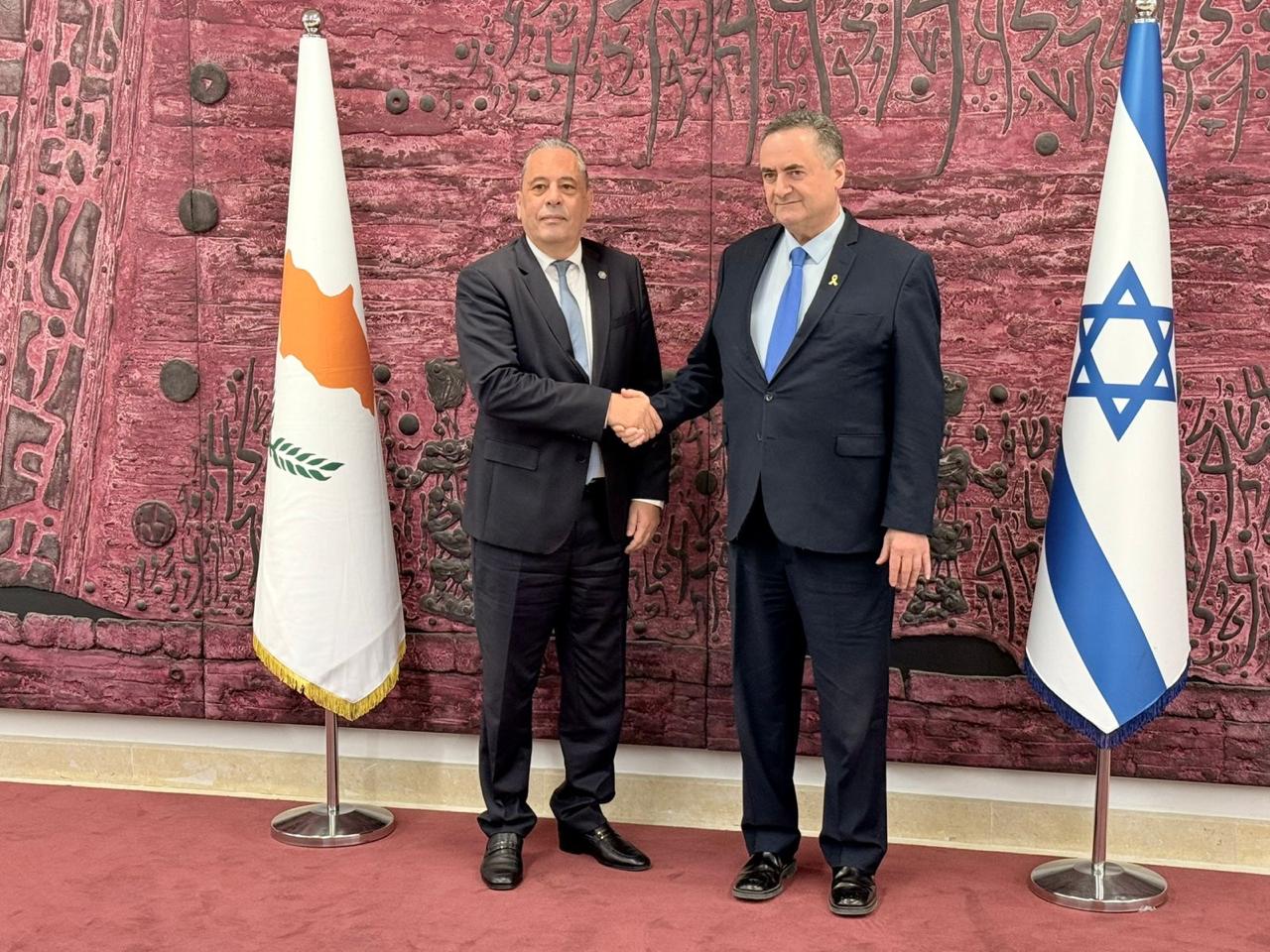
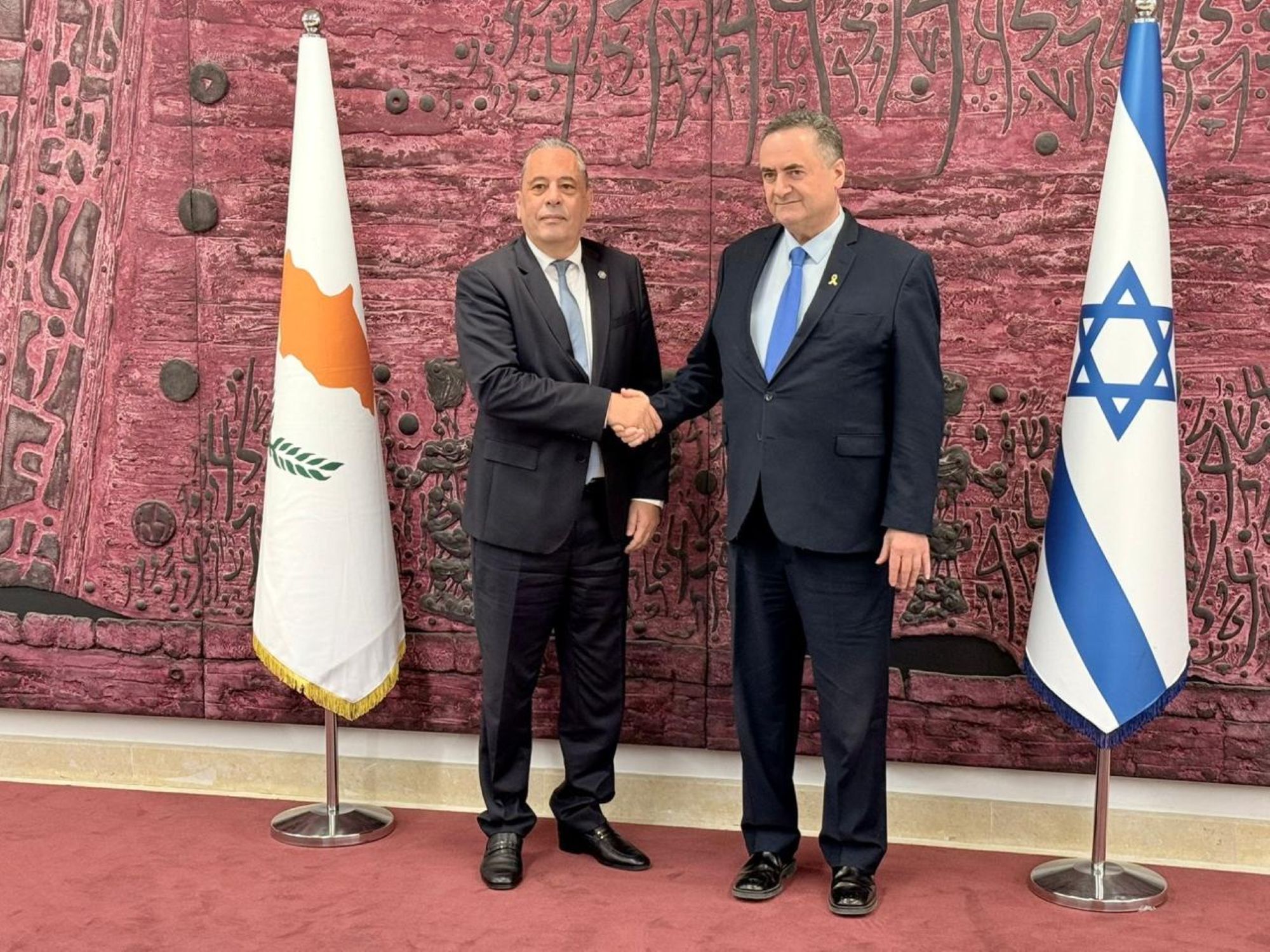
    cyprus-israel defence — Cyprus-Israel defence discussions have centred on enhancing regional security and bilateral cooperation during Defence Minister Vasilis Palmas’s official visit to Israel. The talks, confirmed by the Cypriot defence ministry, occurred just ahead of Cyprus’s upcoming presidency of the Council of the European Union, set for the first half of 2026.

    Cyprus-israel defence: Strengthening Ties Amid Regional Challenges

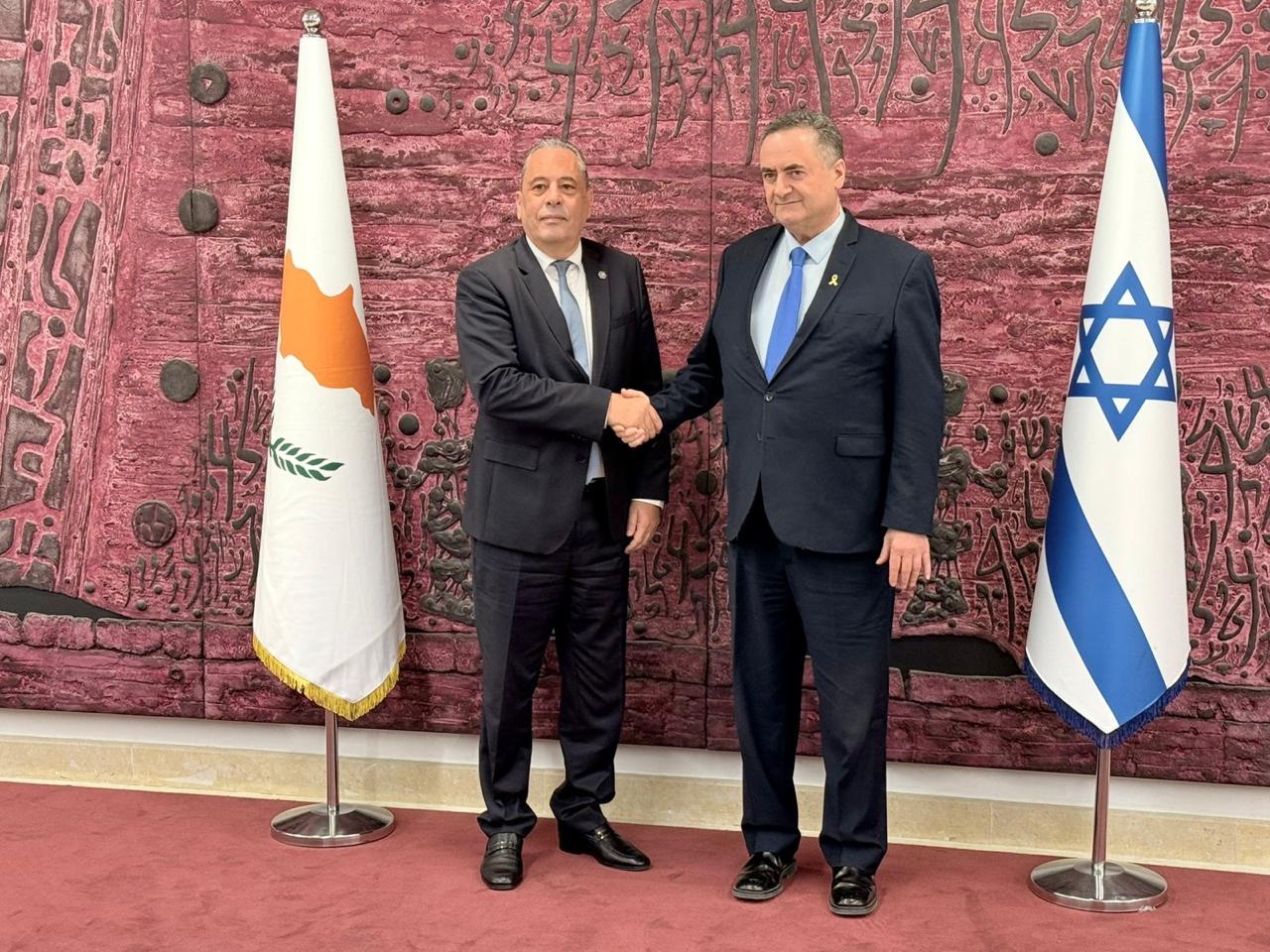
    In discussions with his Israeli counterpart, Israel Katz, Palmas addressed the security dynamics not only in Cyprus but also in Israel and the broader Eastern Mediterranean and Middle East regions. This dialogue is part of ongoing efforts to bolster bilateral defence and security relationships between the two nations.

    Focus on European Unity and Stability

    Palmas articulated that Cyprus aims to leverage its EU presidency to foster European unity and enhance strategic stability in the eastern Mediterranean. The minister emphasised the importance of regional cooperation, stating, “During our presidency, we will encourage dialogue in areas of mutual interest, promoting peace, stability, and adherence to international law.” This commitment underscores the growing alignment in defence strategies between Cyprus and Israel.

    Recent Developments in Defence Cooperation

    Cypriot-Israeli defence ties have seen significant growth in recent years. Notably, Cyprus has procured the Barak MX air defence system from Israel, which is being delivered incrementally and is expected to be fully operational by the end of this year. This acquisition reflects a deeper military collaboration aimed at addressing shared security concerns.

    Palmas’s Visit and Engagements

    Palmas arrived in Israel on Monday and was slated to return to Cyprus late Tuesday afternoon. During his visit, he toured the Civil-Military Coordination Centre (CMCC) in Kiryat Gat, which serves as a hub for military and humanitarian operations related to the Gaza ceasefire. He met with Major General Patrick Frank, the director of the CMCC, to discuss ongoing stabilisation and relief efforts in the region.

    The Role of the Civil-Military Coordination Centre

    The CMCC was established in October 2025 following a peace agreement aimed at coordinating humanitarian and stabilisation efforts in Gaza. Currently, it hosts personnel from approximately 20 countries, including Cyprus, although specific numbers of Cypriot personnel and their roles remain undisclosed.

    Humanitarian Aid Oversight in Gaza

    Recent reports indicate that the CMCC has assumed oversight of humanitarian aid entering the Gaza Strip, with responsibilities previously held by Israel’s Coordinator of Government Activities in the Territories now diminished. An early November report noted that while Israel retains control over Gaza’s perimeter and entry of goods, the CMCC’s role has become more central to aid distribution.

    A US military official described the relationship between Israel and the CMCC as an integration of efforts, stating, “It is an integration. It is hand in glove. They [the Israelis] remain the hand, and the CMCC have become the glove over that hand.” This statement highlights the complexities of humanitarian operations in the region amid ongoing tensions.

    Prospects for Future Cooperation

    The discussions between Palmas and Katz set the stage for increased collaboration in the face of evolving security challenges, particularly in the context of the Israeli-Palestinian conflict and broader geopolitical tensions in the Middle East. As Cyprus prepares for its EU presidency, the focus will be on fostering a unified approach to security in the eastern Mediterranean.

    With both nations committed to enhancing their bilateral ties, the potential for future joint initiatives appears promising. As the situation in the region continues to develop, the relationship between Cyprus and Israel may play a crucial role in promoting stability and security in an area marked by ongoing conflicts.

  • Cyprus defence — Cyprus Defence Minister Engages with Israel on Regional Security Ahead of EU Presidency

    Cyprus defence — Cyprus Defence Minister Engages with Israel on Regional Security Ahead of EU Presidency

    cyprus defence — cyprus defence — Cyprus’s defence minister visited Israel to discuss regional security and bilateral cooperation ahead of the island’s upcoming European Union presidency. Vasilis Palmas met his Israeli counterpart, Israel Katz, on 15 and 16 December to exchange views on the security situation in Cyprus, Israel, and the wider Eastern Mediterranean and Middle East, according to a ministry statement.

    Photo: in-cyprus.philenews.com

    Cyprus defence: Strengthening Defence Ties

    The two ministers examined ways to reinforce bilateral defence and security ties between their countries. Palmas highlighted the importance of collaboration, stating that the Cypriot government will utilise its forthcoming EU Council presidency to enhance European unity and foster strategic stability in the region.

    Photo: in-cyprus.philenews.com

    Promoting Cooperation and Stability

    During his discussions, Palmas expressed Cyprus’s intent to deepen cooperation with Israel, aiming to encourage dialogue in areas of mutual interest while promoting regional peace, stability, and respect for international law.

    A Visit to the Civil-Military Coordination Centre

    While in Israel, Palmas visited the Civil-Military Coordination Centre, which serves as a key coordination hub for military, humanitarian, and international organisations involved in supporting the Gaza ceasefire implementation. He met with the centre’s commander, Major General Patrick D. Frank, to discuss ongoing efforts and collaborative strategies.

    Looking Ahead

    This visit comes as Cyprus prepares for its significant role in the EU, where it aims to address pressing issues in the Eastern Mediterranean. The discussions reflect a growing commitment between Cyprus and Israel to not only enhance their bilateral relations but also contribute positively to the broader regional landscape.

  • Horizon programme — Protesters Demand Israel’s Expulsion from EU Horizon Programme

    Horizon programme — Protesters Demand Israel’s Expulsion from EU Horizon Programme

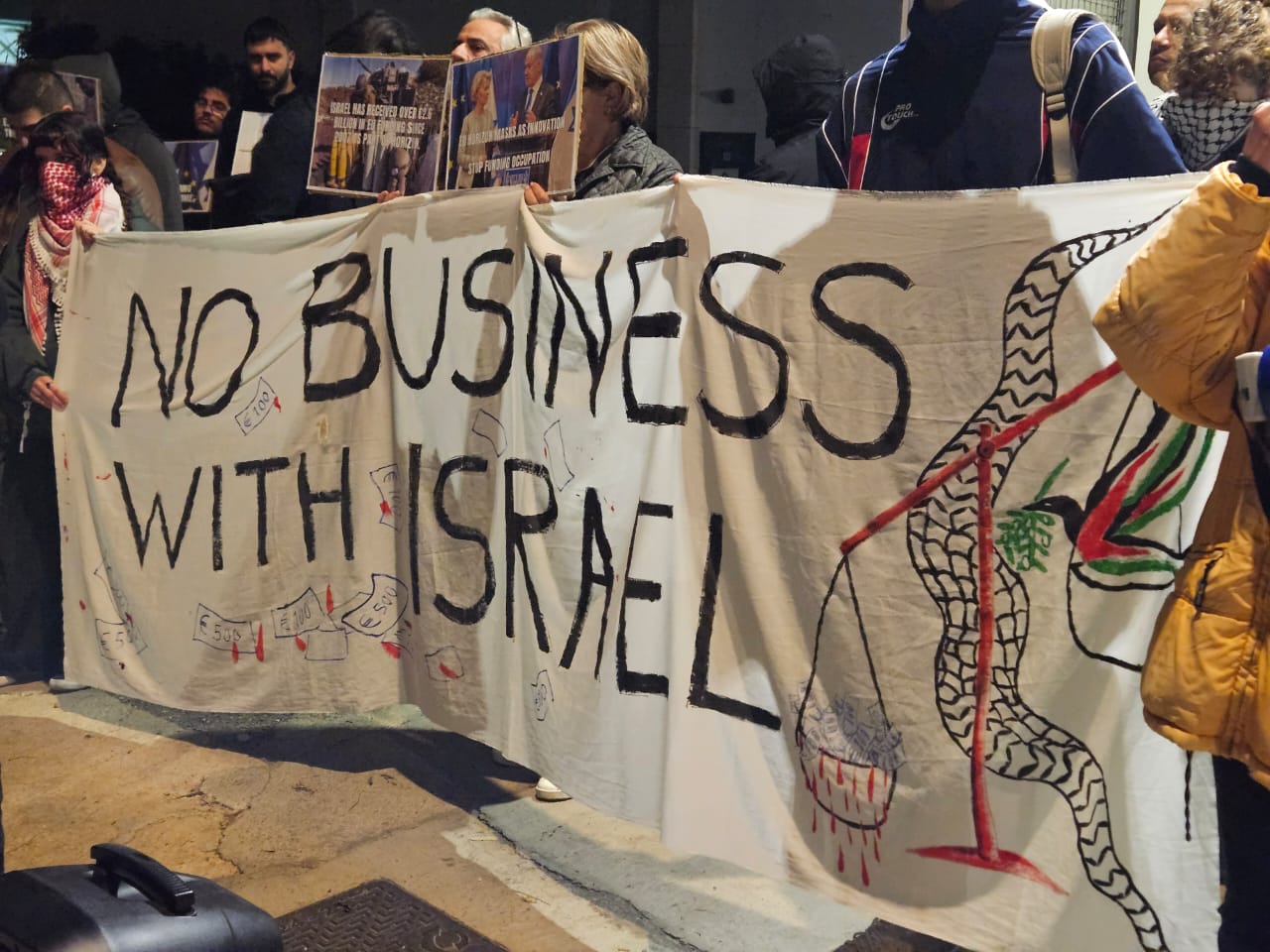
    Protesters are calling for Israel’s expulsion from the EU’s Horizon Programme during demonstrations across Europe, including a gathering in Nicosia, Cyprus. On Friday evening, around 30 to 40 activists braved the cold outside the EU Commission building, joining a wider campaign that spanned over 20 cities.

    Photo: cyprus-mail.com

    The Horizon Programme, a €95 billion initiative aimed at funding research and innovation, has been a focal point of criticism. Activists argue that Israel, with its privileged status allowing participation equivalent to that of EU member states, has been the recipient of substantial funding since 2014, totalling around €300 million annually.

    Photo: cyprus-mail.com

    One activist voiced concerns about the implications of this funding, stating, “€3 billion of EU funding going directly to a genocidal state.” The speaker condemned specific projects funded by Horizon, highlighting connections to Israeli aerospace industries and military technologies, including drones and interrogation techniques purportedly linked to human rights violations.

    As temperatures dropped, the protesters raised their voices against what they termed the EU’s hypocrisy. Chants like “EU Horizon, you can’t hide, we charge you with genocide!” echoed in the evening air. The gathering also served as a poignant reminder of the humanitarian crisis in Gaza, with one speaker noting the tragic deaths of three children due to the cold weather, underscoring the severity of the situation.

    The activists expressed frustration over the European Commission’s handling of Israel’s participation in the programme. They pointed out that since October 7, discussions of a suspension have been minimal, with proposals suggesting only a partial reduction in collaboration. This, they argue, falls short of the decisive action taken against Russia in April 2022, when the European Commission suspended its involvement in Horizon entirely.

    With calls for accountability and action resonating through the crowd, the protests in Nicosia reflect a growing sentiment among students and researchers in Europe. As the campaign unfolds, it seeks to challenge existing partnerships and highlight the ethical considerations surrounding funding in light of ongoing conflicts.

  • Missing sailboat — Four Israelis Rescued After Missing Sailboat Found Between Cyprus and Israel

    Missing sailboat — Four Israelis Rescued After Missing Sailboat Found Between Cyprus and Israel

    missing sailboat — missing sailboat — Four Israeli nationals have been safely located after their sailboat was reported missing in the waters between Cyprus and Israel. This successful rescue concludes a significant search and rescue operation that began when the vessel, which had set sail from Israel on 2 December, failed to arrive in Crete as planned.

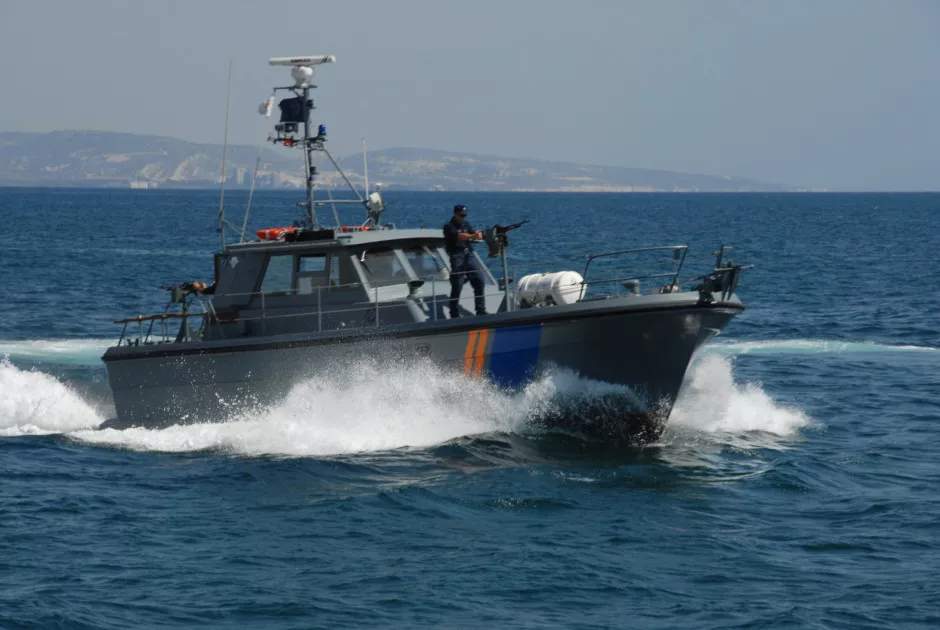
    The Cyprus Joint Search and Rescue Coordination Centre (JRCC) played a pivotal role in the search, coordinating efforts throughout the day. The JRCC activated the national ‘Nearchos’ search and rescue plan, which involved collaboration with both Greek and Israeli authorities. Cypriot air assets were mobilised to aid in the search, along with assistance from nearby commercial vessels that were in the area.

    According to the Israeli Foreign Ministry, officials worked closely with their counterparts in Greece and Cyprus to locate the missing sailors, highlighting the importance of international cooperation in maritime emergencies. The vessel was located successfully today, bringing relief to the families of those onboard.

    As the situation unfolded, concerns arose regarding the circumstances under which the sailboat departed from Israel. An investigation has been ordered to examine why the vessel was permitted to leave, especially given the weather warnings that were in effect at the time, signalling a storm system approaching the region.

    This rescue operation demonstrates the commitment of authorities in Cyprus and Israel to ensure the safety of their citizens at sea, and the swift response from multiple agencies played a crucial role in bringing this incident to a positive conclusion.

  • Israeli Peacekeepers Proposed to Supplant UN Forces in Cyprus

    Israeli Peacekeepers Proposed to Supplant UN Forces in Cyprus

    Israeli peacekeepers should replace United Nations peacekeeping forces stationed in Cyprus, according to American pro-Israel analyst Michael Rubin. In a recent article for the National Security Journal, the former Pentagon official urged US President Donald Trump to dismantle what he described as “legacy zombie missions” of the UN, highlighting the United Nations Peacekeeping Force in Cyprus (Unficyp) as a prime example.

    • "The observer mission continues, but Unficyp has become the poster child for UN zombie missions," Rubin asserts, emphasising the need for a more active role in maintaining peace in the region.

    Rubin argues that the UN’s credibility has waned significantly, pointing to the Turkish-occupied area in Cyprus, which he notes is more than nine times the size of the Gaza Strip. He critiques Unficyp, stating that it has become a mere observer rather than an effective peacekeeping mechanism.

    “The observer mission continues, but Unficyp has become the poster child for UN zombie missions,” Rubin asserts, emphasising the need for a more active role in maintaining peace in the region.

    Furthermore, he draws parallels with the United Nations Relief and Works Agency for Palestinians in the Middle East (Unrwa), claiming it has been compromised by groups like Hamas. Rubin alleges that Unrwa has been co-opted, arguing that it should not be involved in post-war Gaza reconstruction, while accusing it of enabling indoctrination and weapons storage.

    His suggestions for Israeli peacekeepers come amid concerns about a proposal to include Turkish troops in an international stabilisation force in Gaza. Rubin warns that allowing Turkish forces into Gaza could escalate tensions, potentially igniting conflict across the region over time.

    “Allowing Turkey to send its forces to Gaza would light a fuse that could engulf the region, maybe not in a month or a year, but certainly within a decade or two,” he cautions. He also highlights that Turkey’s intelligence service is believed to support Hamas, threatening the stability of Israel and its neighbours.

    Rubin is a senior fellow at the American Enterprise Institute, a Washington DC think tank, and his call for Israeli peacekeepers comes amid significant allegations against Unrwa. In early 2024, Israel accused Unrwa of complicity in the October 7, 2023 attacks, leading to aid cuts that were only partially reversed.

    A UN investigation subsequently found that nine Unrwa staff members “may” have been involved in the attack, resulting in their dismissal, while evidence against others was deemed insufficient. In October 2024, the Israeli parliament passed legislation prohibiting Unrwa from operating within Israel, further intensifying scrutiny of the agency.

    As of October 2025, the International Court of Justice (ICJ) ruled that Israel did not adequately substantiate its claims that a significant number of Unrwa’s employees were linked to Hamas or other terrorist factions. Amid these controversies, Israel itself faces allegations from South Africa and others regarding genocide in Gaza.

    In September, the UN Independent International Commission of Inquiry on the Occupied Palestinian Territory accused Israel of committing genocide against Palestinians in Gaza, adding another layer to the ongoing discourse surrounding peacekeeping efforts in the region.

  • Finance Minister Keravnos Raises Concerns Over Great Sea Interconnector Funding

    Finance Minister Keravnos Raises Concerns Over Great Sea Interconnector Funding

    great sea — Finance Minister Makis Keravnos has voiced significant concerns regarding the funding of the Great Sea Interconnector (GSI) project, citing potential financial risks associated with its implementation. In remarks made following a meeting of the Council of Ministers on Monday, where the 2026 state budget was under consideration, Keravnos highlighted findings from various studies suggesting that the GSI may not be financially sustainable.

    Keravnos stated, “I still think this issue is under discussion. If we pay the money, there is a risk. As I have said, studies suggest that the project is not viable.” His comments reflect a consistent apprehension regarding the project’s feasibility, a sentiment he has expressed on multiple occasions.

    The GSI aims to connect the energy grids of Cyprus, Greece, and Israel, representing a significant step towards regional energy integration. However, the project has faced various challenges, leading to the Cypriot government withholding €25 million requested by Greece’s independent transmission system operator, Admie, to assist with its funding.

    During the budget preparations, Keravnos mentioned that both internal and external risks had been evaluated, with the GSI identified as a notable concern. He emphasised the uncertainty surrounding the final cost of the project, which adds another layer of complexity to funding decisions.

    In a related matter, the Minister addressed the European Commission’s demand for the return of €67 million related to the Vasiliko liquefied natural gas (LNG) terminal, which was never completed. Keravnos assured that the government is actively managing this issue, hinting at potential offsets with future funds. “We are not giving up, we are fighting,” he asserted, indicating a commitment to navigating the financial challenges ahead.

    When pressed by journalists about the possibility of negotiating the demanded amount, Keravnos firmly stated that the figure was not negotiable under any circumstances, reaffirming the government’s position on the matter.

  • Nicosia protest — Nicosia protest: Protestors Rally in Nicosia Against Israel and British Military Bases

    Nicosia protest — Nicosia protest: Protestors Rally in Nicosia Against Israel and British Military Bases

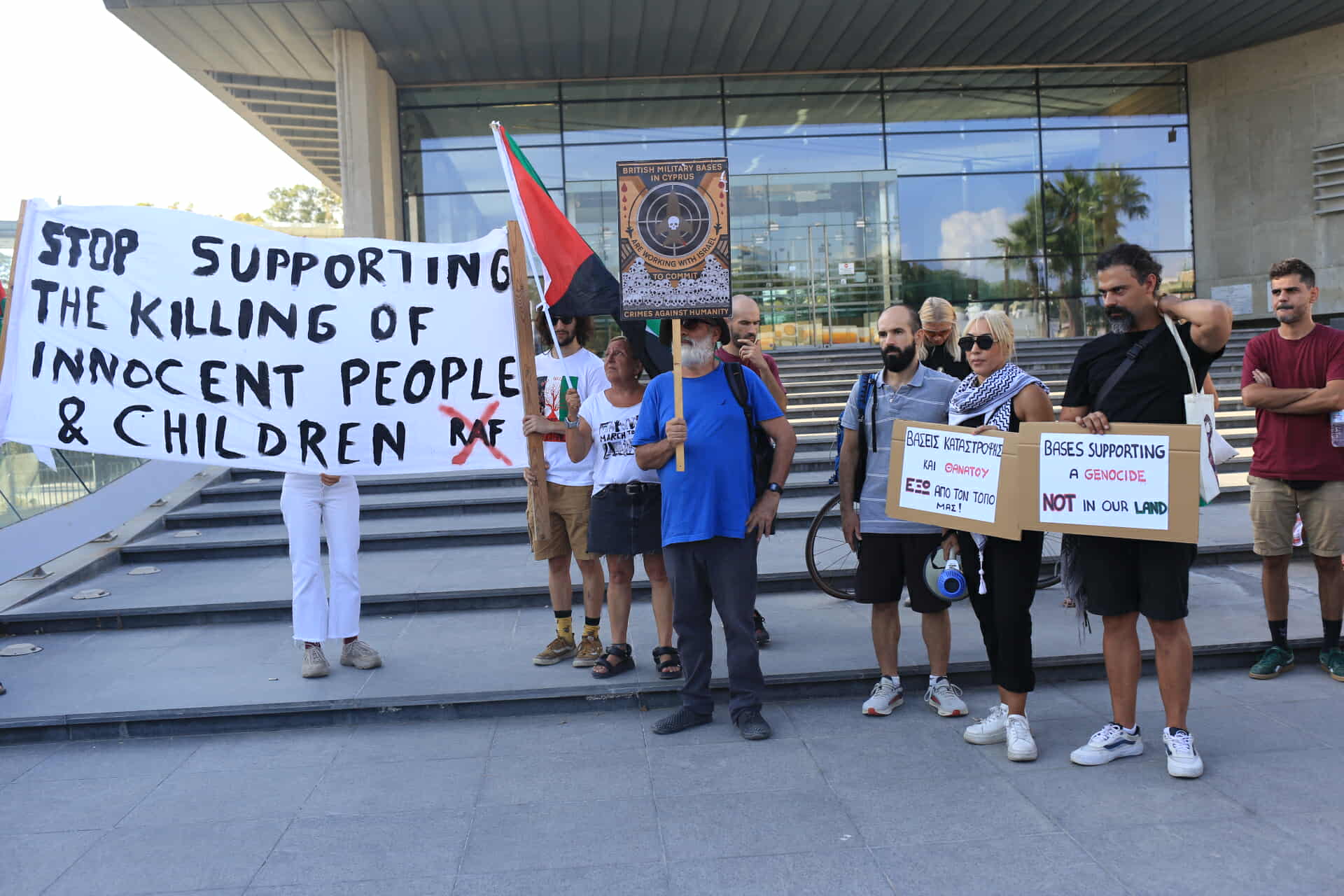
    nicosia protest — nicosia protest — Dozens of protestors gathered in Nicosia on Sunday afternoon as part of a rally against Israel and the British military bases in Cyprus. The event, dubbed the “Global Rally Against this supply chain of death,” was organised by multiple groups, including United for Palestine, AFOA, BDS, and the Cyprus Peace Council.

    • As tensions in the region continue, the voices from this rally serve as a reminder of the ongoing struggles faced by many and the significance of public discourse in shaping future policies.

    Nicosia protest: Mobilisation and March

    The mobilisation began around 4pm outside the Nicosia District Court, where participants assembled before marching towards the British High Commission. Throughout the event, police forces were present to ensure safety, and officials later confirmed that the demonstration was conducted peacefully.

    Chants and Placards

    Carrying Palestinian flags and various placards, the demonstrators voiced their concerns with chants such as “Freedom for Palestine. Stop the genocide.” The placards conveyed strong messages against the British military presence in Cyprus, with one reading: “Bases of destruction and death, out of our land.”

    Another placard stated, “The British Bases, in cooperation with Israel, commit crimes against humanity.” These messages reflected the protestors’ call for an end to support for violence against innocent civilians, particularly children.

    Demographics of the Protest

    The march saw participation from individuals of all ages, each bringing their perspectives on the ongoing conflicts in the Middle East. Some placards highlighted Britain’s historical role in regional conflicts while others specifically condemned Israeli actions in Gaza and the West Bank.

    Legal Framework for Demonstrations

    The police issued a reminder to the organisers about their legal obligations under the Public Gatherings and Parades Law 151(I) of 2025. This legislation stipulates that organisers must ensure demonstrations remain orderly and peaceful, cooperate with local authorities, and adhere to guidelines set by a liaison officer appointed for the event.

    Moreover, the law grants police the authority to impose restrictions or dissolve a protest if it becomes violent, breaches conditions, or poses risks of harm. Despite these provisions, no such measures were required on Sunday, and the demonstration concluded without any incidents.

    Significance of the Protest

    This rally in Nicosia is part of a broader movement calling for solidarity with Palestine and a reassessment of the UK’s military involvement in Cyprus. The protestors’ voices echoed a growing discontent with international policies perceived to support violence and conflict in the region.

    Community Reactions

    Local reactions to the protest have varied. Many supporters have praised the demonstrators for their commitment to raising awareness about the situation in Palestine, while critics argue that such protests may not effectively foster dialogue or resolution.

    Future Implications

    The peaceful nature of the demonstration in Nicosia suggests a willingness among protestors to engage in dialogue rather than violence. The event could pave the way for future gatherings aimed at addressing complex geopolitical issues and advocating for peaceful resolutions.

    As tensions in the region continue, the voices from this rally serve as a reminder of the ongoing struggles faced by many and the significance of public discourse in shaping future policies.

  • Cyprus sovereignty: Cyprus Faces Backlash Over Sovereignty After Israeli Request

    Cyprus sovereignty: Cyprus Faces Backlash Over Sovereignty After Israeli Request

    cyprus sovereignty — cyprus sovereignty — The issue of Cyprus surrendering sovereignty to Israel has ignited controversy following the Presidential Palace’s decision to disseminate a directive from Israel’s Diaspora Minister. This letter, addressed to municipalities and communities, calls for the removal of political slogans from public spaces, raising concerns over foreign interference in domestic affairs.

    The directive originated from a circular issued by Israel’s Ministry of Diaspora Affairs, which prompted the Interior Ministry of Cyprus to pass on the request to every municipality across the island. The Interior Ministry explicitly stated that they had received “instructions to forward” the Israeli request, detailing directives from Interior Minister Constantinos Ioannou that focused on the removal of alleged antisemitic slogans.

    The Movement of Ecologists – Citizens’ Cooperation has strongly condemned this action, labelling it a serious retreat from the principle of sovereignty. In a statement released on 22nd September 2025, the movement argued that “Cyprus cannot function under the instructions of any third country.” They view this situation as a dangerous precedent that undermines the country’s independence.

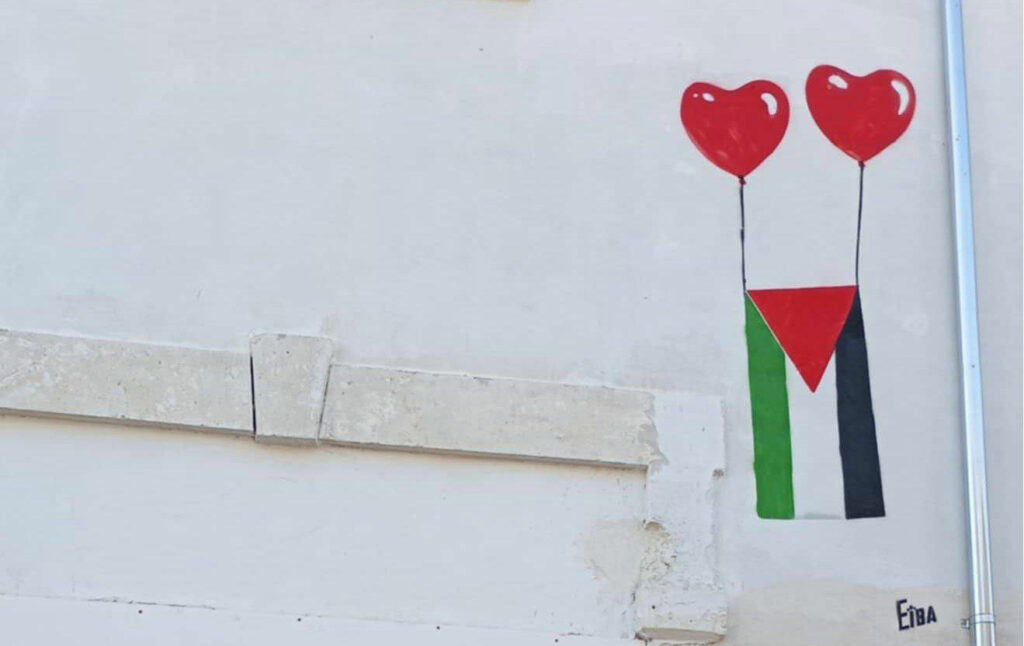
    The Israeli circular specifically targeted four pieces of graffiti that were deemed problematic. Among the images included was a depiction of a Palestinian flag held near two heart-shaped balloons, referencing an incident during a football match in July between Pafos FC and Israeli team Maccabi Tel Aviv. Other controversial artworks showcased included the word “Gaza” painted in blood red above a baby image and a tin labelled “genocide” leaking red paint, alongside inflammatory phrases above a modified Israeli flag.

    Municipal leaders, including Larnaca mayor Andreas Vyras, have publicly rejected the ministry’s instructions. Vyras, who also serves as the chairman of the union of Cyprus municipalities, stated firmly, “We do not accept suggestions from third parties, even more so from any foreign country.” He highlighted that municipalities are capable of addressing issues of genuine hate speech and violence without needing external direction, emphasising that “freedom of expression is non-negotiable.”

    Concerns around freedom of expression have been raised by the Movement of Ecologists, who argue that limiting such freedoms to appease foreign governments constitutes an attack on democracy. They stress that the ability to express oneself, as long as it doesn’t cross into hate speech, is essential to a functioning democracy. The movement has called for the immediate withdrawal of the circular and for the government to respect the will of its citizens, thereby ensuring the protection of the country’s independence and democratic rights.