Tag: journalism

  • George Penintaex Joins Parliament Following Mousiouttas’ New Role

    George Penintaex Joins Parliament Following Mousiouttas’ New Role

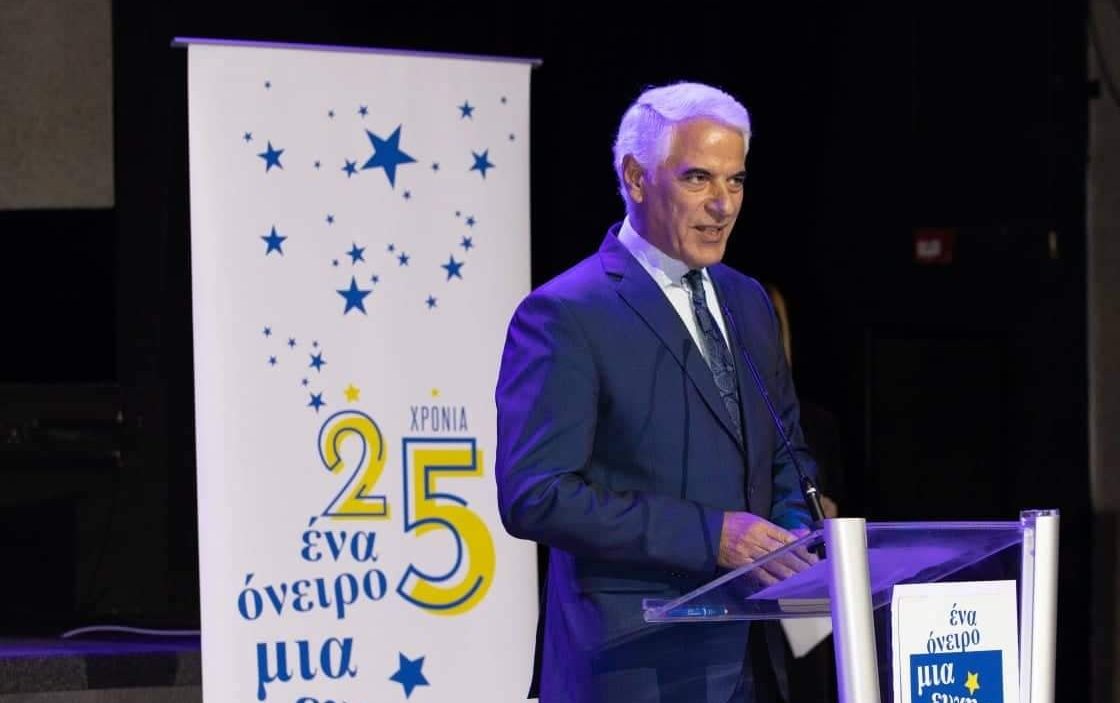
    george penintaex — George Penintaex is set to enter parliament as a member of Dipa, stepping in after Marinos Mousiouttas vacated his seat to take on the role of labour minister. This transition occurred on Friday, marking a significant change within the party.

    Penintaex will now join fellow Dipa members Marios Garoyian, Alekos Tryfonides, and Michalis Giakoumis in the House of Representatives. His addition comes at a time of considerable political movement.

    In a statement to the Cyprus News Agency following Mousiouttas’ appointment, Penintaex expressed his commitment to his constituents. He remarked, “I will remain faithful to the principles with which I ran for office.” His ambition, he stated, is to serve the people of the Republic of Cyprus to the best of his abilities.

    Penintaex, born in 1956, is known for his philanthropic efforts, particularly as the chairman of the “Ena Oneiro, Mia Efxi” foundation, which supports children battling cancer. His professional background is rooted in journalism, having studied at Middlesex University in the UK, where he specialised in journalism and public relations.

    His career in journalism includes significant roles such as director of the Cyprus News Agency and secretary-general of the alliance of Mediterranean news agencies. With the upcoming elections in May, Penintaex, like all 55 current members of parliament, will face re-election, making this a crucial time for his political ambitions.

  • Protesting: President Christodoulides Affirms Right to Protest Amid Police Controversy

    Protesting: President Christodoulides Affirms Right to Protest Amid Police Controversy

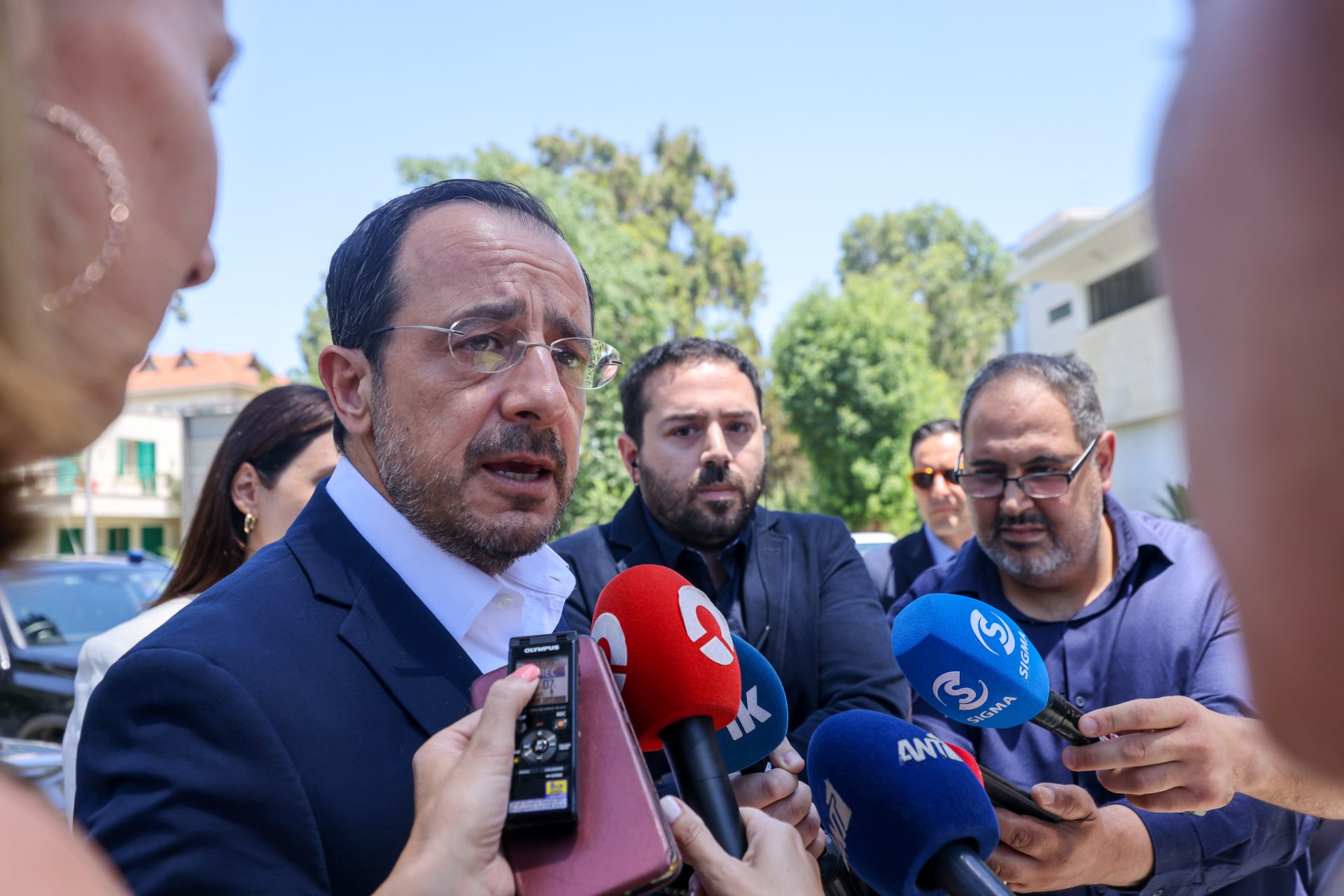
    protesting — President Nikos Christodoulides has stated that “no one is banned from protesting,” addressing concerns following a heavy-handed police response to a demonstration outside the foreign ministry on Thursday night. His remarks came during his arrival at a rural culture festival in the village of Lofou, where he reiterated the government’s commitment to the right to protest.

    On Thursday, demonstrators gathered to voice their opposition to Israel’s interception of boats heading towards Gaza, part of the Gaza Sumud flotilla. The protest escalated when riot police intervened, deploying pepper spray and engaging in physical confrontations with attendees.

    “The police have taken a very specific position,” Christodoulides remarked, defending recent legislation that imposes stricter regulations on protests, which had come under fire following the events of Thursday night. He stated that protests and the right to demonstrate are “absolutely respected and guaranteed” in Cyprus.

    The president acknowledged ongoing criticism of police actions, urging a balanced view of the circumstances under which security forces operate. He mentioned that any alleged excessive use of force would be investigated, assuring that appropriate measures would be taken if necessary.

    Following the protest, the political landscape shifted with Akel condemning the police’s response as an “unprovoked attack.” The party called for further protests, stating, “Akel calls on everyone who does not tolerate state repression and the government’s subservience to the Netanyahu regime to mobilise.”

    Volt echoed similar sentiments, emphasising that “violent repression of peaceful demonstrations has no place in a democratic and European country.” They condemned the police violence against demonstrators advocating for Palestinian rights, asserting that such actions undermine the principles of democracy.

    Accounts from the protest highlighted the chaotic scene, with a journalist from Haravgi reporting being injured during the police intervention. Veteran journalist Christos Christofides described being “thrown to the ground” amid the turmoil, thanking those who assisted him in escaping potential injury from the crowd.

    The union of Cyprus journalists condemned the police’s actions, noting that one of their members, despite identifying as a journalist, faced violence from officers. They called for an investigation led by Police Chief Themistos Arnaoutis, demanding accountability for the errant officers involved.

    The police response was justified by their statement that the protestors had blocked a lane of traffic outside the foreign ministry, necessitating intervention to clear the area. This incident in Nicosia was part of a broader wave of global protests against Israel’s military actions, which saw thousands taking to the streets in cities worldwide including Barcelona, Milan, and Paris.

  • Threats Against Journalists Highlight Press Freedom Crisis

    Threats Against Journalists Highlight Press Freedom Crisis

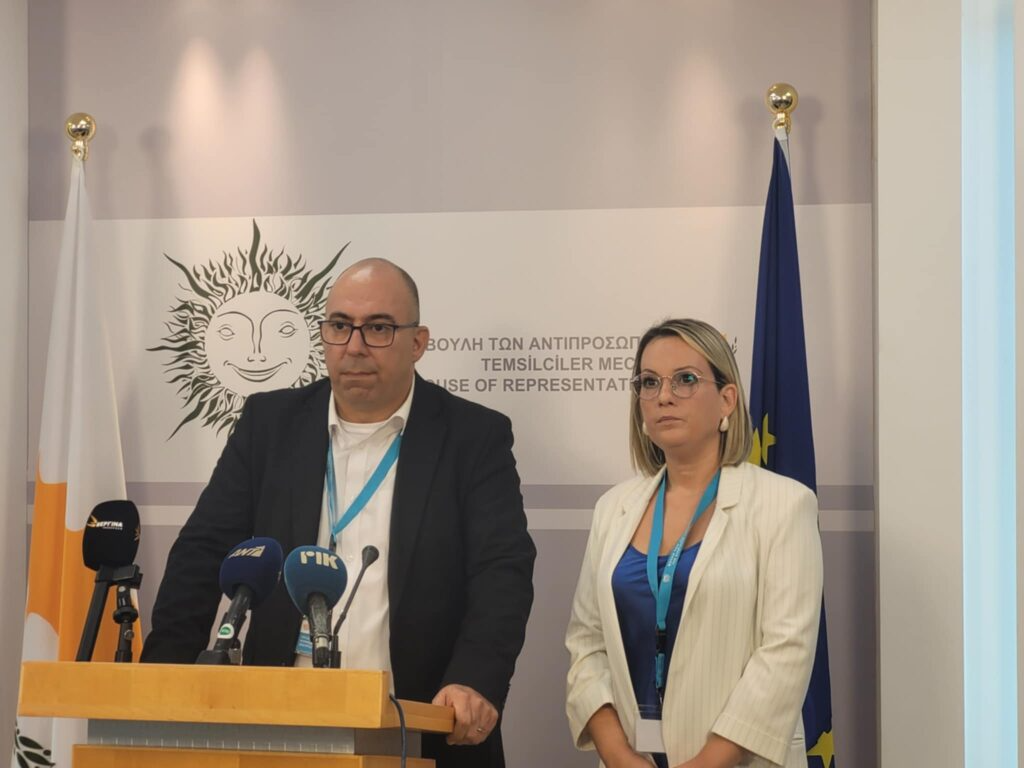
    press freedom — Press freedom is under attack as increasing threats against journalists and citizens emerge, aimed at suppressing freedom of expression and public criticism. During a recent session of the House Human Rights Committee, parliamentarians gathered to address these escalating concerns, prompted by a complaint from a citizen who claimed to have received threats from a police officer linked to the Cypriot Intelligence Service (CIS).

    MP Irene Charalambidou initiated the examination after Nikoletta Tsikkini reported that her rights were violated by a CIS member’s violent threats. Tsikkini stated, “We are dealing with the protection of my reputation, honour and safety,” emphasising the need for citizens to defend themselves against potential repercussions for exposing threats.

    Her lawyer, Alekos Argyrou, highlighted the severity of such threats, particularly when they originate from those in positions of authority. He remarked, “When officials misuse their power and access to sensitive data, it constitutes a serious interference with fundamental rights and a potential abuse of power.” This misuse raises pressing concerns about the erosion of trust in public institutions.

    Following the incident, the CIS member involved was removed from their role and reassigned, but uncertainties linger regarding any potential disciplinary actions, as the internal regulations governing the CIS remain opaque.

    Alongside individual threats, the committee chair emphasised a worrying trend of organised trolling campaigns targeting journalists. Charalambidou noted that she had received over five complaints from prominent journalists who faced intimidation for their reporting. Specific threats included alarming messages like, “You in the ground and me in prison,” aimed at one journalist, and a warning from a former CIS member to another citizen to “Shut up so I don’t have to expose your dirty laundry.”

    Giorgos Frangos, President of the Cyprus Journalists’ Union, voiced his alarm about these developments, stressing that a journalist’s capacity to critique is vital for the profession. He warned that pending legislation surrounding journalist protection and fake news could further jeopardise the safety of those who report on contentious topics. Frangos noted, “One in three journalists has received warnings or deterrence for reporting. Sixty-two percent experience job insecurity, meaning they don’t touch on topics that might leave them without work.”

    As discussions continued, several MPs expressed their suspicions regarding the coordinated nature of these threats, often executed through fake social media profiles. Charalambidou remarked, “It’s the first time fake websites are created and journalists receive threats for practising their profession.” She underscored the alarming pattern of identical language used in threats against various journalists.

    MP Giorgos Koukoumas underscored the intensifying misuse of power to stifle free expression, citing instances where dissenters faced severe repercussions. He recalled a minister sending police to a home over a satirical remark and highlighted the increasing frequency with which journalists are threatened. Koukoumas referenced declining scores in the Reporters Without Borders survey, noting that Cyprus drops ten points annually.

    Concerns about the implications of threats from political figures also surfaced. MP Christos Senekkis described messages threatening a journalist, as well as others aimed at inciting violence against specific groups. He urged caution, stating that revealing the identity of the CIS member would not serve any purpose and could further endanger free expression and personal privacy.

    In a bid to address these issues, MP Alexandra Attalides announced her intention to propose an amendment related to the CIS, aiming to bolster protections for free expression. Meanwhile, MP Rita Superman reiterated the necessity of safeguarding citizens’ rights to speak freely, while MP Demetris Demetriou suggested that the matter be examined by the Institutions Committee in a joint closed session.