Tag: labour rights

  • Working hours — Police Unions Warn of Protests Over Working Hours Reform

    Working hours — Police Unions Warn of Protests Over Working Hours Reform

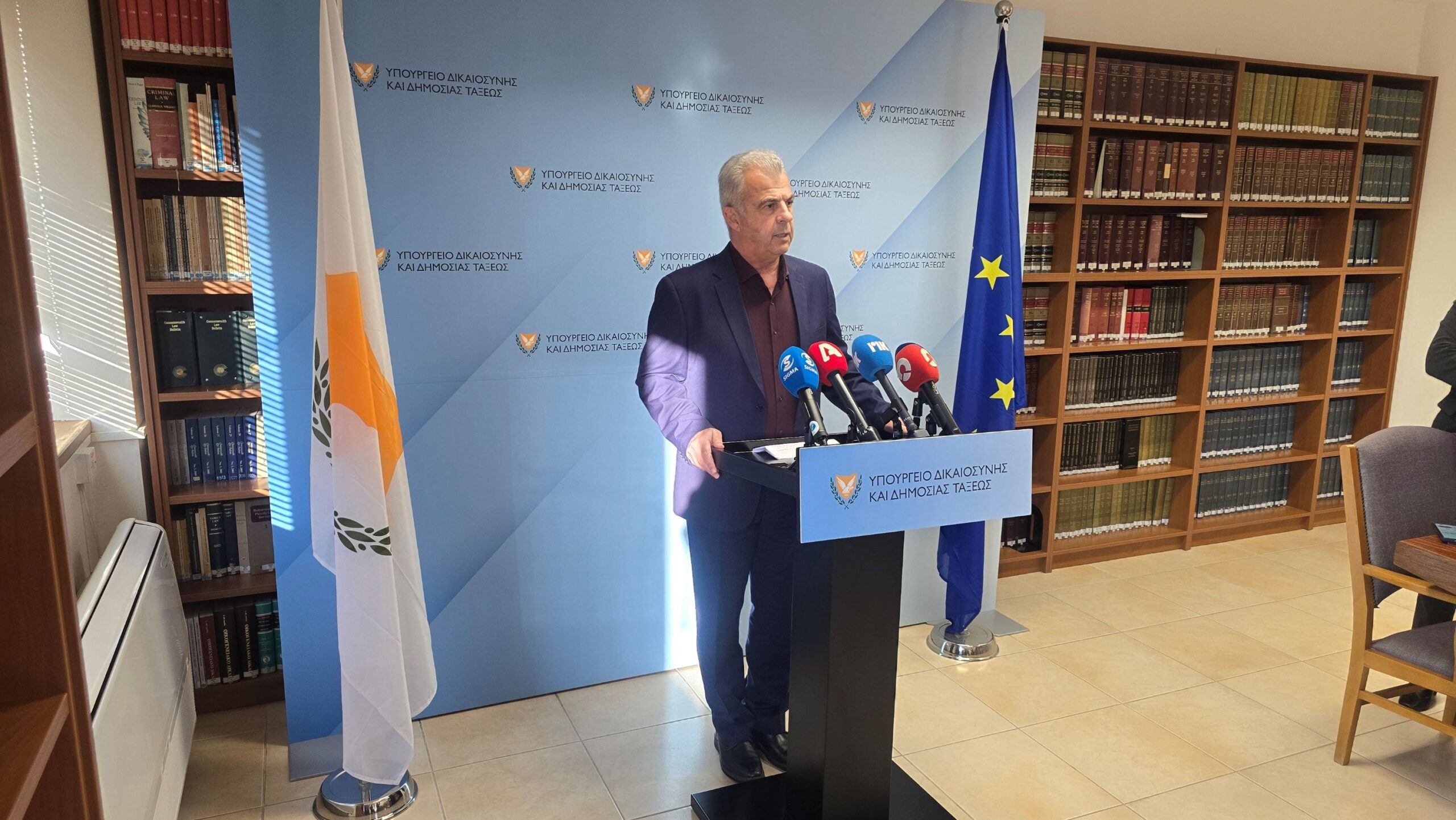
    Police unions are preparing to protest against a proposed reform that seeks to change working hours and holiday regulations for officers. The contentious reform was revealed earlier this week, prompting a strong backlash from union representatives following a meeting with Justice Minister Costas Fitiris on Friday.

    Working hours: Union Leaders Express Discontent

    Nikos Loizides, head of the police branch of the Isotita trade union, voiced his concerns over the proposed changes put forth by police chief Themistos Arnaoutis. During the meeting, Loizides expressed anger over the plans, highlighting that the union would explore various avenues to challenge the reform.

    “We have legal remedies at our disposal, including the Joint Police Committee, the European police union and the courts. With the approval of my council, we are also prepared to hold protests in unexpected locations and on unanticipated days,” Loizides stated after the meeting. He mentioned a potential protest on January 7, coinciding with the opening ceremony of Cyprus’ EU Council presidency.

    Concerns Over Officer Wellbeing

    Loizides has raised alarms over the implications of the reform, which he claims would significantly reduce the rest days for officers. Previously, officers could take one day off for every 20 working days; under the new proposal, this would change to one day off for every 76 working days. This change, he asserts, would deprive officers of 15 days of rest annually.

    The unions’ outrage was further fuelled by comments made by the police chief suggesting the existence of dishonest officers abusing overtime and hidden agendas within unions. Loizides conveyed that such remarks led to a strong reaction from the unions, as they felt their integrity was being questioned.

    Government’s Position and Warnings

    Justice Minister Costas Fitiris urged the unions to moderate their tone, emphasising that the police chief’s orders must be followed. He stated, “Discipline also means that even those who disagree must carry out orders given by their superiors without question.” Fitiris also outlined that the unions could pursue legal action if they felt their rights were infringed upon.

    The minister rejected claims from Loizides that the reform was politically motivated, asserting that it was strictly a decision made by the police leadership. He stressed the importance of maintaining order within the police force, saying, “Under no circumstances should it be allowed that, under pressure, whether from public opposition or the use of the media, demands are met in a way that undermines the hierarchy required in a security force such as the police.”

    Union’s Call for Dialogue

    In a joint statement, police unions expressed their belief that the plans put forth by Arnaoutis circumvented established labour institutions. They argued that modifications to working hours should be the result of dialogue, not unilateral decisions.

    Angelos Nikolaou, president of the Cyprus Police Association (CPA), described the meeting with the justice minister as productive, stating that his association supports the suspension of Arnaoutis’ proposal. He mentioned the need to address the police chief’s unilateral decision to reduce officers’ days off and modify working hours.

    “The police are a disciplined body. It was agreed that we would follow the chief’s instructions while appealing to the relevant bodies to examine the possibility of modifying, cancelling or suspending the decision,” Nikolaou explained.

    Next Steps and Future Actions

    The CPA has communicated with the Joint Police Committee (JPC), which is expected to convene next week to further discuss the implications of the proposed changes. Nikolaou has indicated that legal action may be pursued if necessary, including discussions with the president about the situation.

    He also highlighted the importance of protecting the labour rights of police officers, stating, “The essence is the labour rights of police officers and we must defend those who work and give their all to their duty.”

    A Call for Responsibility

    Fitiris expressed concern about the possibility of protests coinciding with the EU Council presidency, stating he was “worried and saddened” by the unions’ threats of a work stoppage. He reassured that the state would continue to function, stating, “The state will not stop functioning,” and warned of consequences for any union actions that deviate from state regulations.

    The Justice Minister concluded by expressing confidence in the sense of responsibility among police officers, emphasising their commitment to public safety and their oath to serve the community. He stated, “I do not believe that there is even one police officer who would violate his oath and act contrary to what society demands.”

  • Mixed Reactions to New Cost-of-Living Allowance Agreement in Cyprus

    Mixed Reactions to New Cost-of-Living Allowance Agreement in Cyprus

    cost-of-living allowance — The new cost-of-living allowance (CoLA) agreement, signed on Thursday following extensive negotiations between employers and workers, has elicited mixed reactions from various political factions in Cyprus.

    • “Our most serious concern,” Disy added, “relates to the inevitable further expansion of the state payroll, in connection with general increases and mass hiring.”
    • Their statement concluded with a call for “the universal, fair and socially balanced implementation of the CoLA,” framing it as a matter of social justice and dignity in the workplace.
    • The future implementation of the CoLA will likely continue to be a focal point in the political discourse, reflecting the broader challenges faced by workers and the economy alike.

    Cost-of-living allowance: Political Parties Weigh In

    Disy, the ruling party, expressed support for the agreement, viewing it as a crucial step towards maintaining labour peace. They endorsed the 4 per cent inflation ceiling established for the CoLA’s implementation, which aims to mitigate its adverse effects. However, Disy also highlighted the need for modernising the CoLA institution, a commitment the government had previously announced. They argue that modernisation is essential for ensuring the sustainability of public finances and enhancing economic competitiveness.

    According to Disy, “the weaknesses of the institution remain,” pointing out that the CoLA is uniformly paid regardless of salary level. This system, they argue, disproportionately favours high-wage earners. The party also raised concerns regarding the expansion of the CoLA to the national minimum wage, suggesting that it merely affirms earlier decisions made by their government.

    “Our most serious concern,” Disy added, “relates to the inevitable further expansion of the state payroll, in connection with general increases and mass hiring.”

    Akel’s Advocacy for Labour Rights

    Akel, the main opposition party, praised the CoLA agreement as a significant achievement in advancing labour rights. They underscored that the agreement does not signify the end of their efforts. “The trade union movement fought a months-long battle to protect and secure the CoLA,” Akel stated, emphasising that this success demonstrates the power of collective action in expanding workers’ rights.

    The party has committed to continuing their advocacy alongside the trade union movement to ensure the CoLA encompasses all workers, asserting that “workers can live with dignity.” Akel’s spokesperson remarked, “The agreement on the CoLA signed yesterday is a milestone, but it is not the end of the road.”

    Ecological Movement’s Call for Universal Coverage

    The Ecological Movement echoed Akel’s sentiments, vowing to advocate for a policy that addresses societal needs comprehensively. They acknowledged positive developments, such as the planned full restoration of the CoLA to 100 per cent within 18 months in areas where it is currently applicable. Nonetheless, they deemed this progress insufficient.

    The movement articulated their stance clearly: “The CoLA must be awarded universally to all employees, and in a staggered manner, so that the support is proportional to actual needs and inversely proportional to the level of the salary.” They highlighted ongoing affordability challenges faced by citizens, stressing that measures affecting purchasing power should prioritise effective support for the most vulnerable rather than relying on partial solutions.

    Their statement concluded with a call for “the universal, fair and socially balanced implementation of the CoLA,” framing it as a matter of social justice and dignity in the workplace.

    Expansion of CoLA Beneficiaries

    The newly established permanent agreement expands the CoLA to benefit over 55,000 additional recipients. The allowance will see a gradual increase, moving from the current 66.7% to 80% of the cost-of-living rise starting January 1, 2026. This will further increase to 90 per cent on July 1, 2026, and finally reach 100 per cent by January 1, 2027.

    Annual adjustments will be made based on Cyprus’ real GDP growth, with the CoLA increase capped at a maximum of 4 per cent. In the event of an economic downturn, the labour advisory board will convene to review and recommend necessary measures.

    Looking Ahead

    As the CoLA agreement rolls out, the differing reactions from political parties illustrate the ongoing debates regarding labour rights and economic stability in Cyprus. While some parties celebrate the agreement as a significant achievement, others caution against potential pitfalls, urging for a more comprehensive approach to labour rights and economic sustainability.

    The future implementation of the CoLA will likely continue to be a focal point in the political discourse, reflecting the broader challenges faced by workers and the economy alike.