Tag: Limassol wildfire

  • Cyprus MEPs Express Disappointment Over EU’s Wildfire Response

    Cyprus MEPs Express Disappointment Over EU’s Wildfire Response

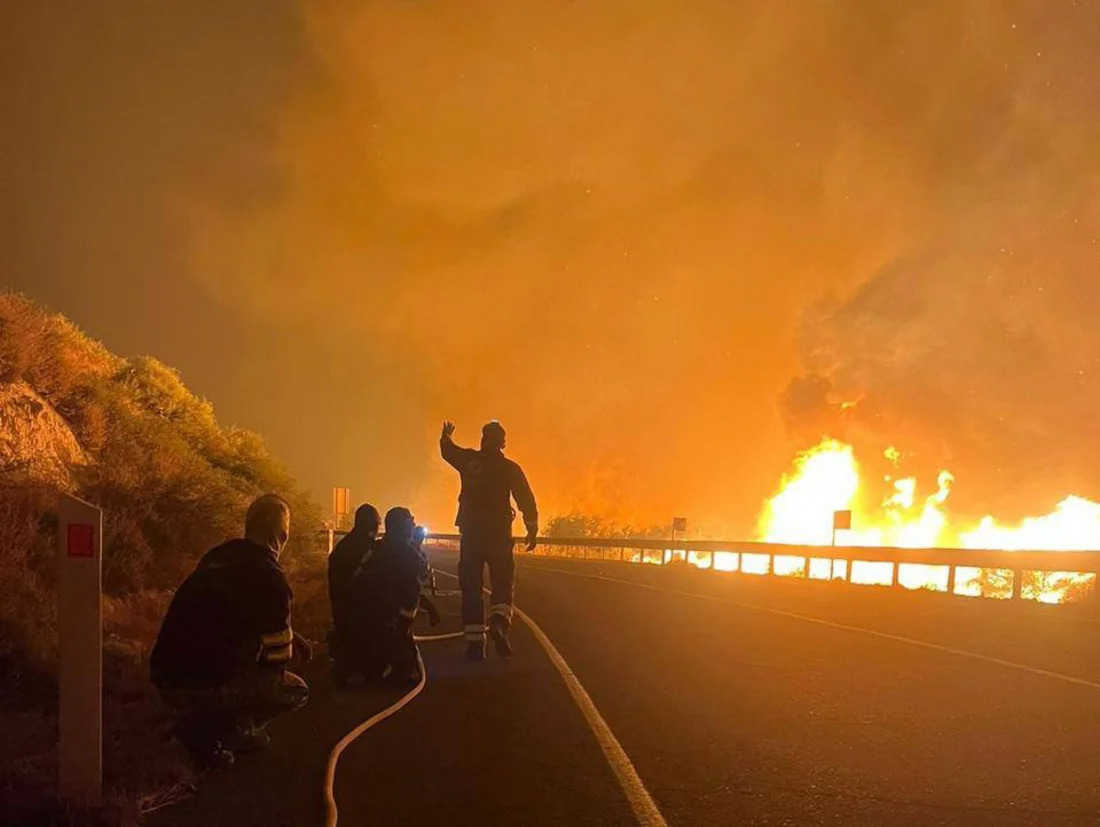
    Cyprus MEPs have voiced their frustration, feeling ‘abandoned’ by the EU following the devastating wildfire in Limassol that resulted in two fatalities in July.

    • Cyprus MEPs have voiced their frustration, feeling ‘abandoned’ by the EU following the devastating wildfire in Limassol that resulted in two fatalities in July.
    • Despite expressing gratitude for any assistance received, Panayiotou emphasised that it was insufficient, stating, “You were not in Cyprus when we needed you the most, and this needs to change.”

    During a session in Strasbourg, Cypriot representatives called for enhanced support from the European Union to combat future wildfires. Akel’s Giorgos Georgiou was the first to address the chamber, criticising European Commissioner for Crisis Management, Hadjia Lahbib, for her speech. He highlighted the inadequate response to the wildfires, stating, “I heard you use the word ‘shall’ 10 times and the word ‘must’ 20 times in your speech.”

    Georgiou pointed out that Cyprus led Europe in the proportion of territory burned over the past decade, with 104 square kilometres lost. This, he claimed, underscored the need for urgent EU assistance, particularly regarding the two firefighting planes requested from Spain that had yet to arrive after three months.

    While acknowledging the Cypriot government’s significant responsibility for the wildfires, Georgiou noted that no ministers had resigned in response to the disaster. He contended that the EU also bore blame, stating, “Since 2016, we, the Left group, have been calling for a European air firefighting base to be established in Cyprus. You are outrageously ignoring us.”

    Geadi Geadi of Elam echoed these sentiments, critiquing the rescEU mechanism, which he argued had left countries like Cyprus vulnerable. He proposed the establishment of a robust pan-European fire brigade and stricter penalties for arsonists, alongside increased funding for wildfire victims.

    In a pointed exchange, French MEP Gregory Allione questioned Geadi’s call for more funding for a mechanism he deemed ineffective, prompting Geadi to clarify that his experience at the Limassol fire scene revealed substantial gaps in the current system.

    Independent MEP Fidias Panayiotou added to the criticism, stating, “The European Union did almost nothing to help us,” noting that assistance from non-EU countries such as Jordan and Israel had been more forthcoming than aid from EU member states. He lamented, “This is not a good look for the European Union, and us Cypriots feel abandoned by the EU.”

    Despite expressing gratitude for any assistance received, Panayiotou emphasised that it was insufficient, stating, “You were not in Cyprus when we needed you the most, and this needs to change.”

    Disy’s Michalis Hadjipantela concluded the Cypriot addresses by stressing the ongoing impact of climate change on the island. He asserted that the EU must go beyond mere sympathy, advocating for tangible actions to fortify the rescEU mechanism and better prepare for future incidents. Earlier in the summer, he had called for the EU to station firefighting aircraft in Cyprus.
  • Tepak farm — Tepak Farm Faces €80,000 Repairs After Wildfire Devastation

    Tepak farm — Tepak Farm Faces €80,000 Repairs After Wildfire Devastation

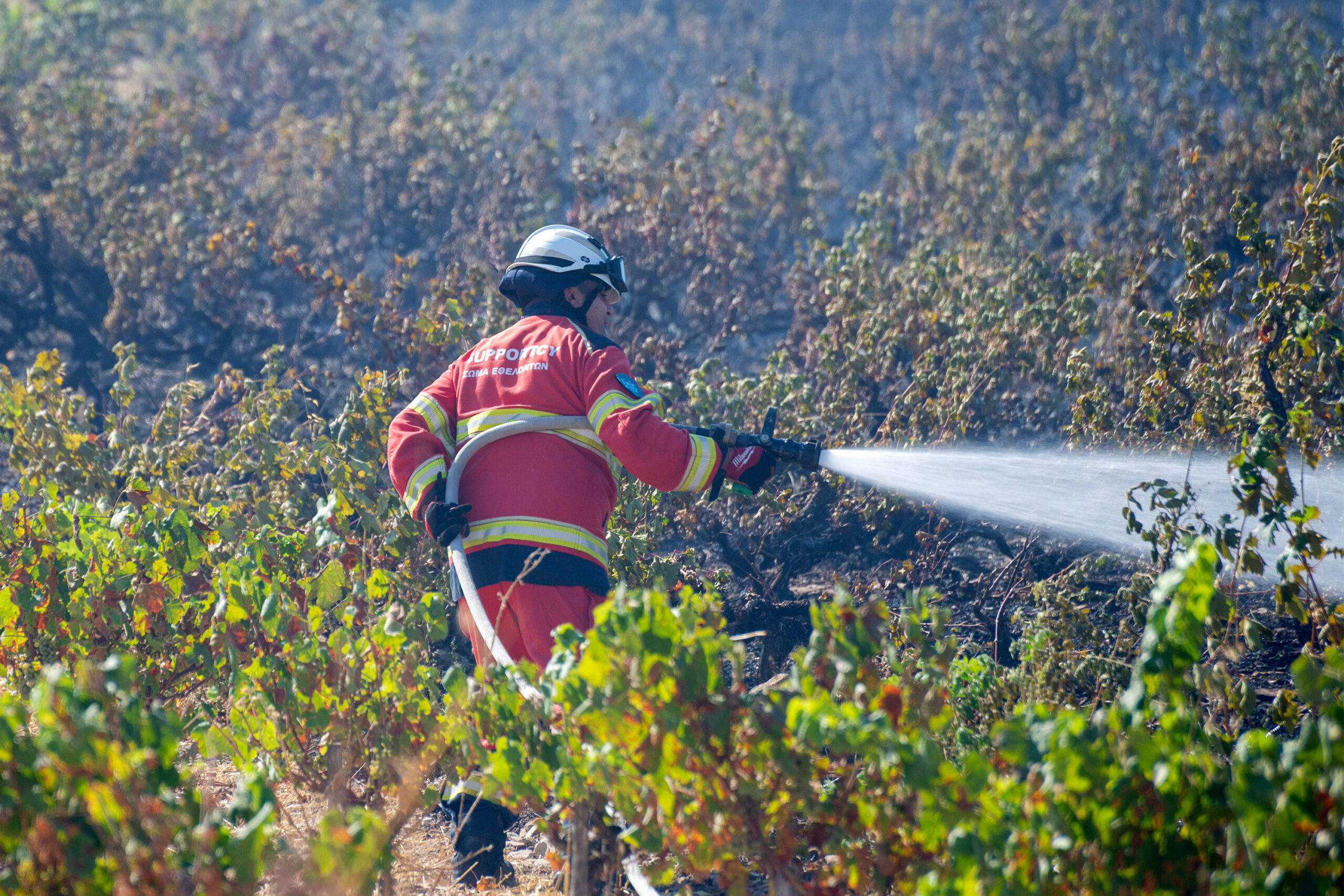
    Tepak farm, part of the Cyprus University of Technology, is facing significant repair costs of approximately €80,000 following damage from a recent wildfire in Limassol.

    • Tepak farm, part of the Cyprus University of Technology, is facing significant repair costs of approximately €80,000 following damage from a recent wildfire in Limassol.

    A detailed report, prepared by the Department of Agricultural Sciences, Biotechnology and Food Science, has been submitted to the university’s rectorate. Professor Demetris Tsaltas indicated that the funds are primarily needed for replacing equipment destroyed in the blaze.

    Tepak farm: Wildfire’s Impact on Agriculture

    The wildfire, which broke out on July 23 in the wine villages of Limassol, affected the farm’s 16 hectares of cultivated land, including greenhouses, offices, and storage areas. While many of the crops, such as vineyards and fruit-bearing plants, escaped direct contact with the flames, the extreme temperatures scorched the exterior of some plants.

    Assessing Damage and Recovery

    Professor Tsaltas explained that the situation remains fluid, as the coming weeks will reveal which plants can be salvaged and which need to be replaced. He expressed concern that this year’s production will suffer losses, along with potential impacts on next year’s yields.

    Students conducting research projects at the farm have also been affected. To mitigate the damage, efforts are underway to manually water some plants, enabling students to continue their work despite the adversity.

    Plans for Restoration

    The aim is to minimise disruption to research and teaching at the farm, with hopes to restore operations by the 2026–27 academic year. The speed at which restoration funds are released will play a critical role in purchasing necessary equipment and materials.

    Initial inspections have revealed some positive signs, with certain trees showing signs of life despite their damaged appearance. However, Tsaltas cautioned that determining the true extent of recovery will require weeks or even months. The forthcoming winter and spring months are seen as crucial for the farm’s resurgence.

    Environmental Concerns

    In addition to the visible damage, Tsaltas noted potential long-term impacts on soil quality due to pollutants from the fire. Concerns have been raised regarding toxic substances that may leach into groundwater, posing further challenges for future cultivation.

    The Role of Sustainable Practices

    In discussions surrounding fire prevention, Tsaltas highlighted the importance of maintaining well-cultivated areas. He mentioned that isolated crops surrounded by uncultivated land could limit fire spread, but stressed that heat stress would still affect production. Maintaining agricultural areas is vital to preserving their character and reducing vulnerability to such disasters.

    Moreover, grazing practices can assist in managing low vegetation, reducing the risk of future fires. As efforts to restore Tepak farm continue, the focus will remain on sustainable agricultural practices to safeguard against future threats.