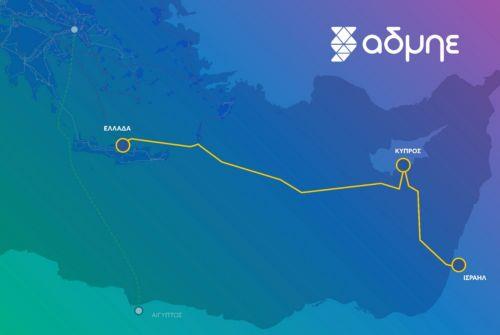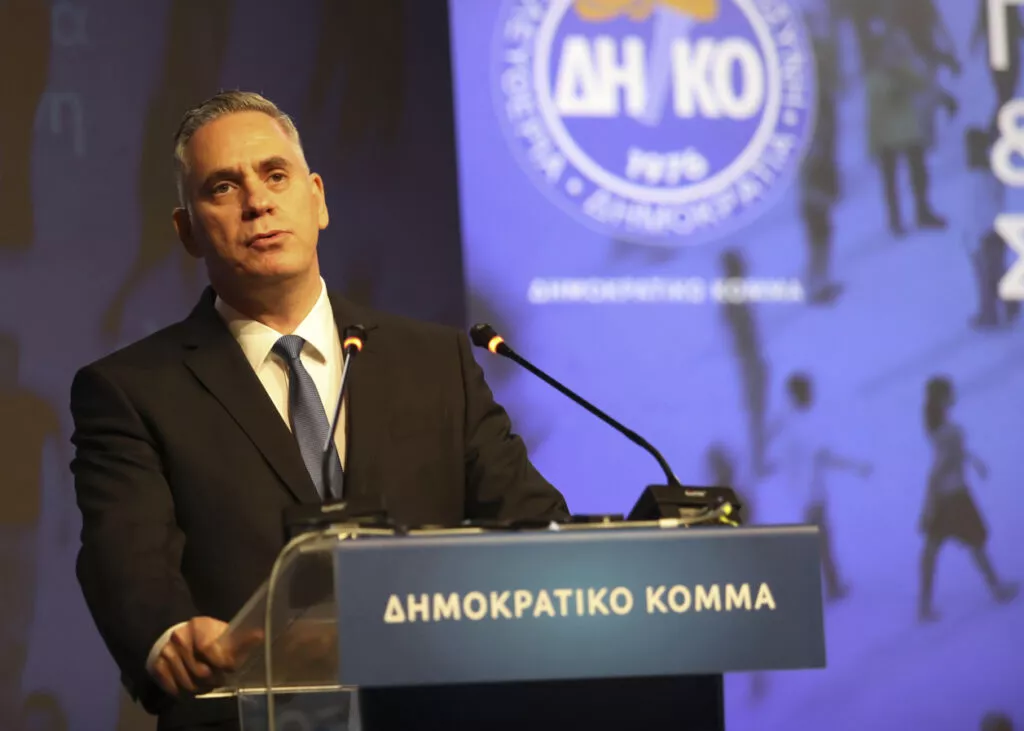
The Great Sea Interconnector has become a point of contention between President Nikos Christodoulides and DIKO leader Nicolas Papadopoulos, who has expressed frustration over the government’s inaction regarding the critical subsea electricity cable linking Cyprus to Greece and the broader European grid.
Great sea: The Letter That Sparked the Crisis
In mid-December, Papadopoulos sent a formal warning to the Presidential Palace detailing his concerns about the project’s management. He specifically pointed fingers at Finance Minister Makis Keravnos, accusing the government of hesitation that he believes is jeopardising national interests. The letter, which went unanswered, has ignited a public outcry from Papadopoulos during recent parliamentary sessions and media appearances.
Warnings of Catastrophic Consequences
In his correspondence, Papadopoulos outlined several dire outcomes should the Great Sea Interconnector fail to progress:
- Financial Penalties: Cyprus has already invested approximately €302 million in the project. If cancelled, the state could face hefty compensation claims from the French contractor, Nexans, due to loss of revenue and breach of contract.
- Legal Fallout: Nexans is reportedly in the process of cancelling sub-contracts and may shift responsibility to the Greek grid operator, ADMIE, which could then hold the Cypriot government accountable for not honouring agreements.
- Diplomatic Rupture: The current governmental stance threatens to sever relations with key stakeholders, including the Greek government, the European Commission, and France.
- Energy Isolation: A failure to complete the interconnector would leave Cyprus without access to a stable energy supply, enabling local monopolies to maintain high prices for consumers.
Accusations of Sabotage
Papadopoulos has been vocal about his belief that the progress of the interconnector is being undermined from within the government. He has directly accused Finance Minister Keravnos of questioning the project’s viability and withholding the necessary €25 million annual funding, despite a Cabinet-approved Memorandum of Understanding. Papadopoulos dismissed the Ministry’s requests for updated studies, referencing EU Energy Commissioner Dan Jørgensen’s assurance that existing studies are adequate.
The Ultimatum
In his letter, Papadopoulos called for an emergency meeting with President Christodoulides and the Ministers of Finance and Energy to discuss the deadlock. He warned that failing to hold this meeting would compel him to take his dissent public, a promise he has now fulfilled.