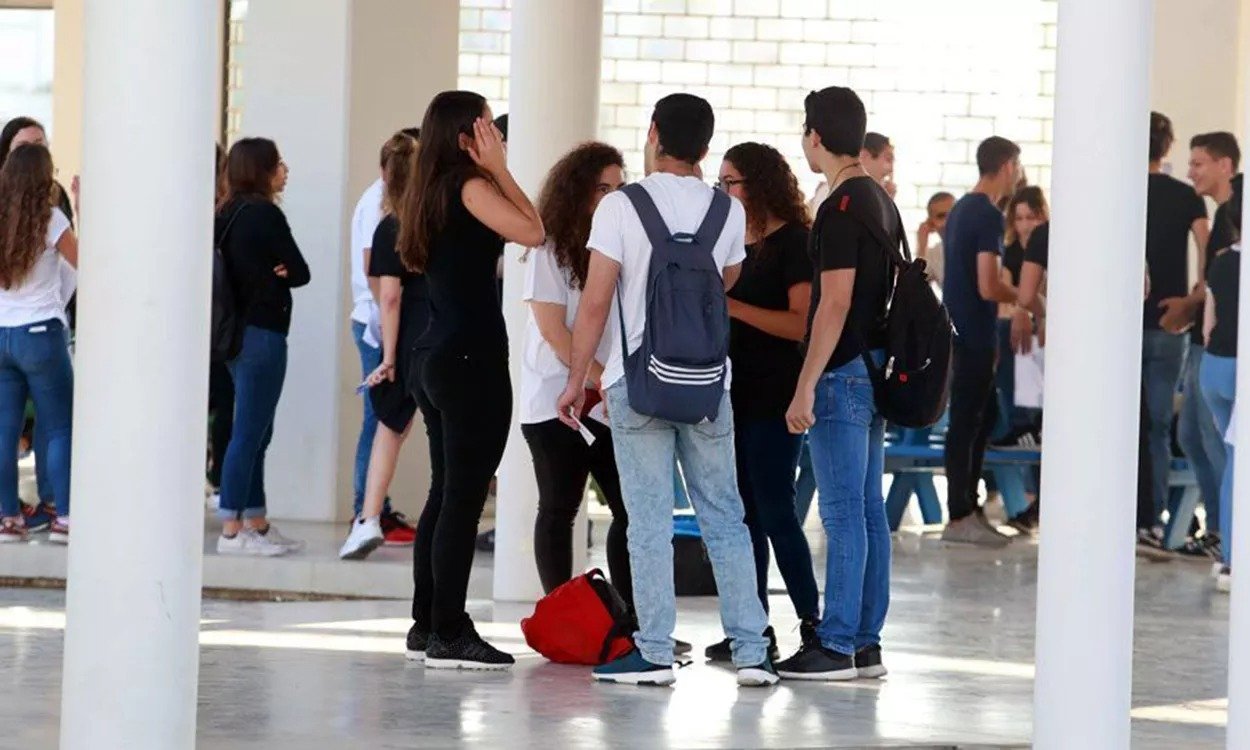
Cyprus will pilot social workers in schools this year as part of a significant educational reform initiative designed to enhance mental resilience and address violence among students. Education Minister Athena Michailidou announced this innovative programme, which will also include educational psychologists, during a recent address to the Cyprus News Agency.
The ministry’s 2026 priorities reflect a shift towards equipping students with practical skills rather than relying solely on rote learning. Michailidou emphasised the importance of moving away from ‘content, rote learning and excessive theory’ to foster skills vital for navigating both the job market and everyday life.
Social workers: Transforming Educational Approaches
This shift aligns with broader European educational priorities, but Michailidou insists it will be approached in a balanced manner that integrates humanistic education and values. The introduction of social workers in schools aims to provide a holistic support system for students, tackling issues of violence and delinquency while also promoting mental well-being.
Addressing Special Education Needs
The ministry is also making strides in special education reform, with Michailidou revealing that consultations are at an advanced stage. The proposed amendments aim to create a more unified and inclusive educational framework for students with diverse needs.
New Protocols for Violence Prevention
In conjunction with the pilot programme, the ministry has developed protocols and recommendations to assist teachers in addressing delinquency. These resources are being distributed to schools in both electronic and printed formats. Teacher groups dedicated to violence prevention are being established, alongside enhanced roles for school counsellors and class teachers, all of which aim to foster a supportive environment.
Statistical data indicates that these roles have been effective, with students feeling more comfortable reaching out to trusted staff members. Furthermore, the ministry is investing in security measures, including surveillance cameras and the deployment of security officers in many secondary schools, to create a safer educational setting.
Modernising Work Experience Initiatives
Another component of the ministry’s agenda is the reintroduction of a work experience programme for Year 11 students, set to launch in March or April. Under this programme, students will spend three days a week in workplaces of their choice, supervised by school staff. This initiative is designed to enhance career skills and provide students with a clearer understanding of their vocational paths.
Michailidou expressed the importance of ensuring that students are well-informed and prepared for their future careers. The ministry has also begun piloting career guidance in 16 primary schools, helping students explore various educational and career options.
Commitment to Disability Rights
During her address, Michailidou also addressed concerns regarding the treatment of people with disabilities. She stressed that all students, regardless of their abilities, must be treated equally and with respect. The minister condemned any statements that may degrade or insult individuals with disabilities, particularly in the educational context.
As Cyprus moves forward with these initiatives, the focus remains on creating an inclusive, supportive, and modern educational environment that prioritises both academic skills and the personal development of students.