Tag: Middle East

  • EU Must Act on Gaza, Says Cyprus Foreign Minister

    EU Must Act on Gaza, Says Cyprus Foreign Minister

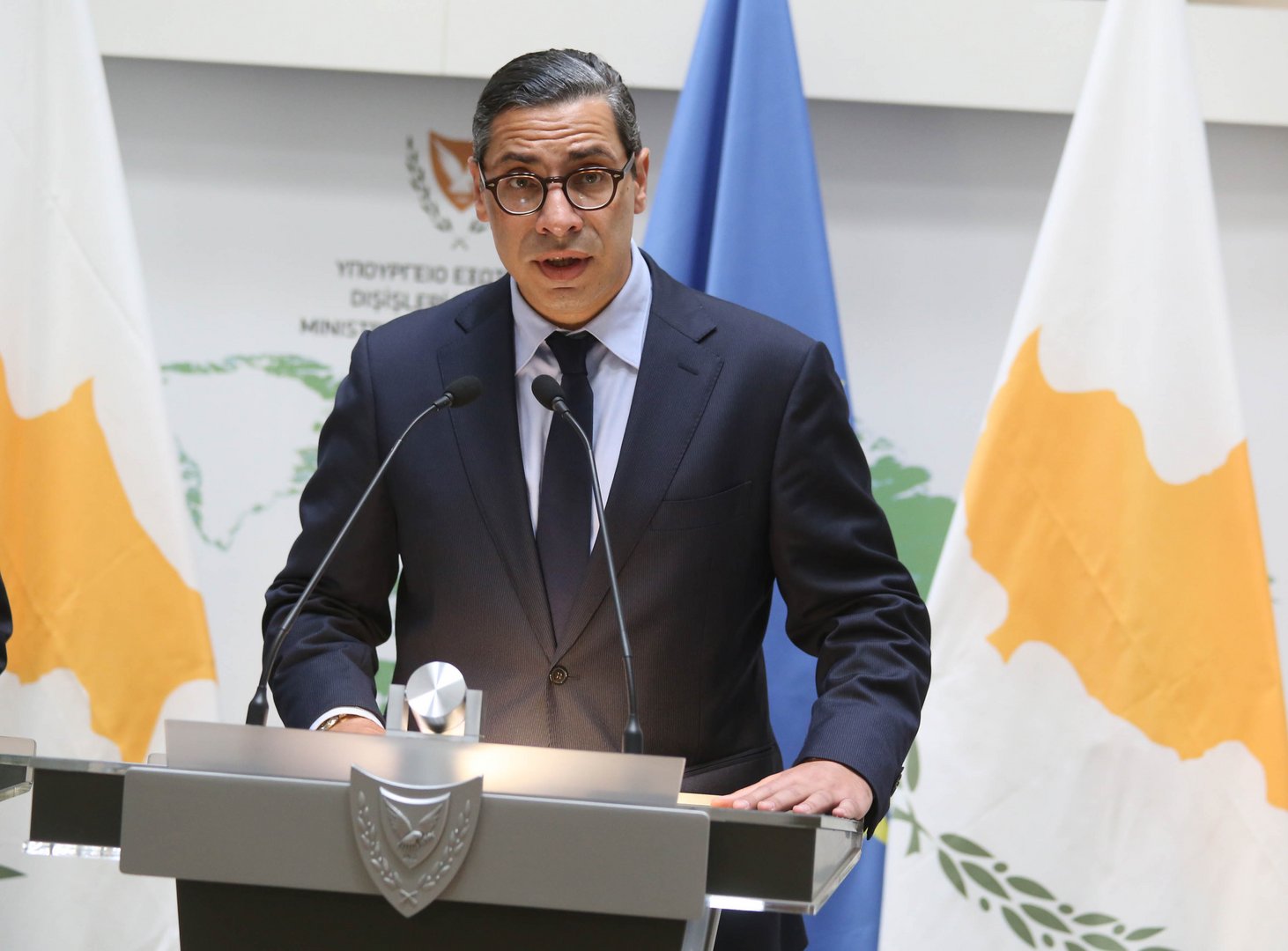
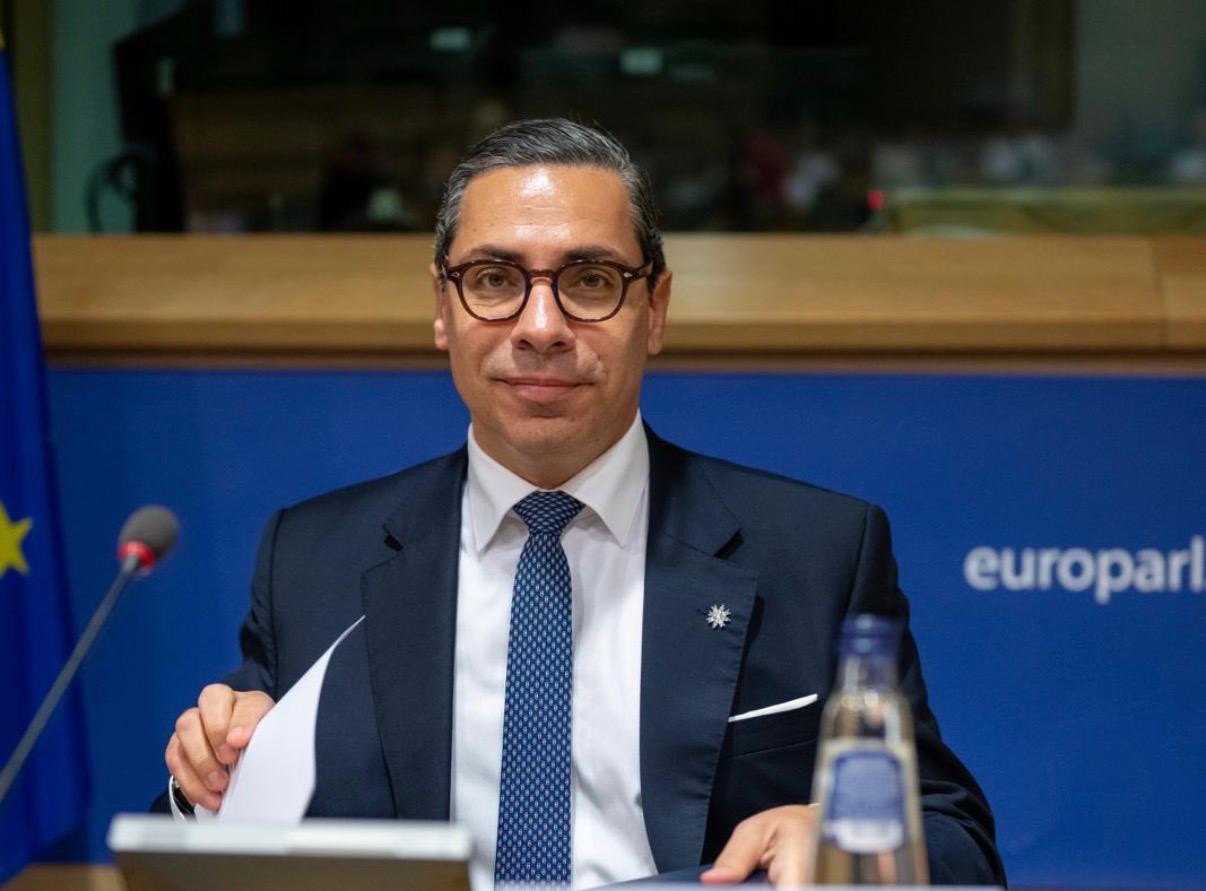
    The European Union “cannot remain mere observers” on the matter of Gaza, stated Foreign Minister Constantinos Kombos during a session with the European Parliament’s foreign affairs committee on Wednesday.

    • “Efforts are being made by Brussels to formulate a common position and stance in this regard,” he said, adding that these conversations “have not yet reached a conclusion.”

    Kombos emphasised the need for the EU to coordinate its efforts fully and act based on international law. He highlighted Cyprus’s significant contributions in humanitarian efforts, particularly through the Amalthea humanitarian aid corridor. “We must move in full coordination and on the basis of international law,” he asserted.

    His remarks come in light of the Cypriot government’s recent announcements regarding its potential participation in the United States’ Gaza Board of Peace. Last week, Kombos indicated that Cyprus would await a unified EU position before deciding on involvement, noting that discussions in Brussels to formulate a common stance are ongoing.

    “Efforts are being made by Brussels to formulate a common position and stance in this regard,” he said, adding that these conversations “have not yet reached a conclusion.”

    Cyprus’s approach has been characterised by a careful and balanced strategy, as communicated to the American side. The Foreign Minister mentioned that the government is maintaining a “particularly positive approach” towards the prospect of joining the Board of Peace, which seeks to address the complex issues facing Gaza.

    There have been reports that Cyprus received an invitation to join the board. According to Bloomberg, however, each participating country may be required to pay a membership fee of $1 billion. This claim was later addressed by Government spokesman Konstantinos Letymbiotis, who clarified that the reports do not reflect reality.

    Notably, Russian President Vladimir Putin was also invited to join the board, and he confirmed the existence of the $1 billion fee. The Board of Peace is designed to include a broad coalition of countries focused on stabilising Gaza.

    The board will also have a seven-member executive team, which includes prominent figures like US Secretary of State Marco Rubio, US special envoy to the Middle East Steve Witkoff, and former British Prime Minister Sir Tony Blair. Each member will oversee critical portfolios aimed at fostering long-term success and governance in Gaza.

    Bulgarian diplomat Nickolay Mladenov, who previously served as the UN’s special coordinator for the Middle East peace process, has been appointed as the board’s high representative for Gaza. The White House stated he would serve as the on-the-ground link between the Board of Peace and a new national committee for Gaza’s administration, led by civil engineer Ali Shaath.

    In a parallel initiative, the White House has established a separate “Gaza executive board” tasked with supporting effective governance and delivering essential services aimed at promoting peace and prosperity for the region. This board includes notable members such as Sigrid Kaag, the incumbent UN special coordinator for the Middle East peace process, and Turkish Foreign Minister Hakan Fidan.
  • Bahrain king: Christodoulides Commends Bahrain’s King for Visionary Leadership

    Bahrain king: Christodoulides Commends Bahrain’s King for Visionary Leadership

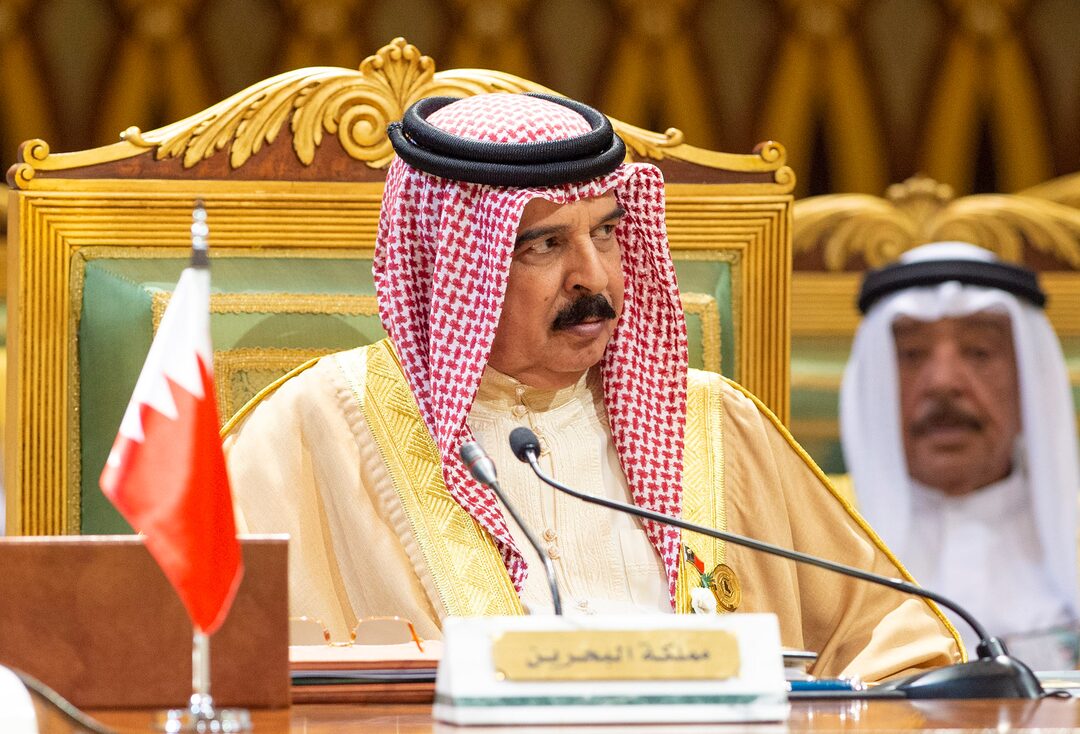
    bahrain king — bahrain king — President Nikos Christodoulides has praised the wise and visionary leadership of King Hamad bin Isa Al Khalifa of Bahrain during his two-day visit to the kingdom. In a heartfelt note written in the guestbook at the royal palace, Christodoulides expressed admiration for the king’s efforts in establishing Bahrain as a beacon of international cooperation, interfaith dialogue, and peaceful coexistence.

    • As discussions unfold during this significant visit, the future of Cyprus-Bahrain relations appears promising, with both nations poised to deepen their cooperation in various critical areas.

    Highlighting the strong bilateral relations between Cyprus and Bahrain, Christodoulides acknowledged the significant roles played by both the king and Prime Minister Salman bin Hamad Al Khalifa in advancing these ties. He remarked on their unwavering support, stating, “I wish his majesty a long and prosperous reign and the people of the Kingdom of Bahrain continued peace, prosperity, and success. May the friendship between our two countries last a long time.”

    On Sunday, shortly after his arrival, Christodoulides engaged in a private meeting with the king, which set the stage for extensive discussions between delegations from both nations. This visit is part of a broader strategy outlined by the Cypriot government to strengthen and deepen relations with Gulf states.

    Government spokesman Konstantinos Letymbiotis emphasised the importance of the visit, stating that it reflects a clear political will to enhance cooperation with Bahrain across various sectors, including politics, economy, energy, culture, and defence. According to Letymbiotis, the relationship has been developing steadily, culminating in the decision to establish a Cypriot embassy in Manama later this year.

    The inauguration of this embassy is set to take place during Christodoulides’ visit, with Foreign Minister Constantinos Kombos in attendance. Letymbiotis further described the visit as a reflection of Cyprus’ strategic choice to reinforce its role as a reliable and active partner in the region, particularly in promoting stability and cooperation between the European Union and Gulf states.

    Earlier this year, Christodoulides articulated his intention to leverage Cyprus’ geographical position to enhance relations between the EU and the Middle East during Cyprus’ presidency of the Council of the EU. He noted, “The Republic of Cyprus will not only continue but will also substantially strengthen its efforts to further strengthen relations between the EU and the countries of the wider Middle East region.” This indicates a commitment to fostering better ties and engagement in the region.

    As discussions unfold during this significant visit, the future of Cyprus-Bahrain relations appears promising, with both nations poised to deepen their cooperation in various critical areas.

  • Gaza peace — Greece and Cyprus Join Trump’s Gaza Peace Council

    Gaza peace — Greece and Cyprus Join Trump’s Gaza Peace Council

    gaza peace — Greece and Cyprus have received invitations from Donald Trump to join a Peace Council that will oversee Gaza’s temporary governance. As two of the 25 founding members, their participation marks a significant moment in international relations, particularly concerning the eastern Mediterranean and the Middle East.

    Gaza peace: New Developments in Gaza Governance

    According to reports from Greek media, the Peace Council includes all participants from the historic Sharm El-Sheikh ceremony. This gathering features notable countries such as France, Canada, various Gulf states, and Turkey, highlighting a united front in support of Gaza’s future.

    Strengthening Regional Influence

    The inclusion of Greece and Cyprus in this council is seen as a boost to their international standing. It underscores their growing role in key geopolitical matters, particularly in the context of ongoing tensions and developments in the region.

    Structure and Objectives of the Peace Council

    The Peace Council is part of the second phase of Trump’s Gaza peace plan, which operates under UN Security Council Resolution 2803. Its primary aim is to provide international oversight during Gaza’s transitional governance and to support stabilisation efforts necessary for implementing the peace agreement.

    Transitional Bodies Established

    To facilitate the work of the Peace Council, two transitional bodies have been created. The Executive Committee will manage the political and operational aspects of the Gaza agreement, while a Palestinian national technocratic committee has been tasked with temporarily governing Gaza during this transition.

    Leadership in the Peace Process

    In a strategic move, former Bulgarian diplomat N. Mladenov has been appointed as the High Representative. His role will involve coordinating the activities of the transitional bodies and the Peace Council, aiming to ensure a smooth governance transition in Gaza.

    International Support and Collaboration

    The Turkish presidency has confirmed that Trump has also invited President Recep Tayyip Erdoğan to join the Peace Council. This invitation further illustrates the collaborative nature of the council, with various nations coming together to address the complex challenges facing Gaza.

    The Peace Council’s formation signifies a commitment to stabilising the region and fostering cooperation among nations with vested interests in Gaza’s future governance. As the situation evolves, the roles of Greece, Cyprus, and other member nations will be crucial in shaping the outcomes of this ambitious peace initiative.

  • UAE President Sheikh Mohammed Bin Zayed Al Nahyan Visits Cyprus to Enhance Trade

    UAE President Sheikh Mohammed Bin Zayed Al Nahyan Visits Cyprus to Enhance Trade

    UAE President Sheikh Mohammed bin Zayed Al Nahyan’s visit to Cyprus marks a significant step in strengthening trade relations between the two nations. On Sunday, he met with Cypriot President Nikos Christodoulides at the presidential palace in Nicosia, an event that is seen as a formal confirmation of the upgraded strategic relationship between the UAE and Cyprus.

    Trade: Welcoming Ceremony Highlights Diplomatic Ties

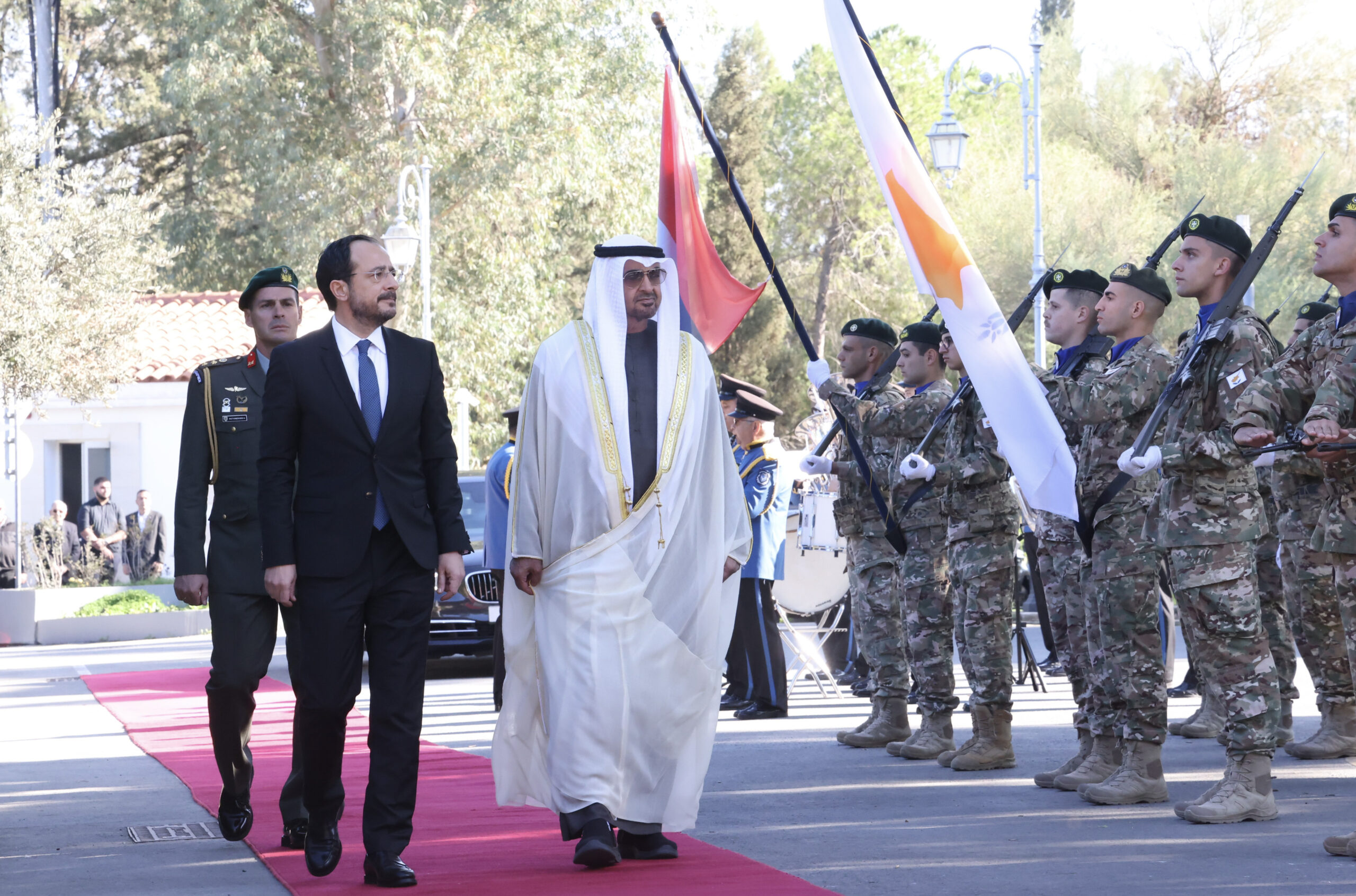
    The day commenced with a welcoming ceremony at Larnaca airport, where President Christodoulides greeted Sheikh Mohammed with military honours. The national anthems of Cyprus and the UAE resonated through the air as bands from the National Guard and the Cyprus police played, setting a tone of respect and collaboration.

    After the reception, Sheikh Mohammed laid a wreath at the statue of Archbishop Makarios III, further highlighting the significance of the visit. The gathering included senior officials from both nations, such as Foreign Minister Constantinos Kombos and Transport Minister Alexis Vafeades from Cyprus.

    Discussions on Key Areas of Cooperation

    The private meeting between the two presidents was followed by expanded talks involving delegations from both sides. According to Konstantinos Letymbiotis, the government spokesman, the discussions centred on enhancing bilateral cooperation across several important sectors. These include:

    • Investment
    • Energy
    • Technology
    • Trade
    • Education
    • Culture
    • Tourism
    • Shipping
    • Security
    • Critical infrastructure

    Both leaders expressed their commitment to moving from strategic alignment to practical implementation. They underscored the necessity of measurable objectives and actionable plans to fortify their relationship.

    UAE’s Interest in Cypriot Investment Opportunities

    During the talks, particular emphasis was placed on investment, with the UAE showing a keen interest in launching significant initiatives in Cyprus. Priority sectors identified include energy, infrastructure, technology, tourism, and shipping. To facilitate this cooperation, a permanent business framework will be established through a joint UAE-Cyprus business council. This council will link the Cyprus Chamber of Commerce and Industry, Invest Cyprus, and the UAE Chamber of Commerce Federation, providing a stable platform for business collaboration and project development.

    Joint Action Plan and Future Prospects

    The two presidents agreed to collaborate on a joint action plan in areas where their interests converge. This includes trade, investment, energy, political dialogue, tourism, culture, education, shipping, security, and critical infrastructure. The upcoming Cypriot Presidency of the Council of the European Union, set to begin on January 1, 2026, was highlighted as an opportunity to strengthen EU-Gulf relations, particularly with the UAE.

    The discussions also touched on the ongoing negotiations for a free trade agreement between the UAE and the EU, which is anticipated to unlock further avenues for trade, investment, and cooperative efforts.

    Regional and Humanitarian Considerations

    Amid their discussions, both leaders exchanged views on various regional and international issues, focusing on developments in the Middle East. The humanitarian situation in Gaza was particularly emphasised, with commitments to continue providing aid through all available channels. President Christodoulides described the visit as a new chapter in Cyprus-UAE relations, reinforcing the strategic partnership and establishing operational structures with measurable goals.

    “From today, a new chapter opens, defined by trust, shared interests, and our joint commitment to a more connected and prosperous region,” he stated.

    Strengthening the Ties Established Since 2022

    Sheikh Mohammed bin Zayed Al Nahyan remarked that since the establishment of strategic cooperation between Cyprus and the UAE in 2022, the ties have seen substantial growth in various sectors, including energy, industry, trade, investment, tourism, and education. He acknowledged that a UAE-EU free trade agreement would further enhance opportunities with Cyprus and welcomed the forthcoming Cypriot EU presidency as a means to bolster UAE-EU relations.

    As the visit came to a close, President Christodoulides hosted an official luncheon in honour of Sheikh Mohammed, further cementing the diplomatic ties forged during this historic meeting.

  • Health Minister Highlights Importance of Animal Health for Public Safety

    Health Minister Highlights Importance of Animal Health for Public Safety

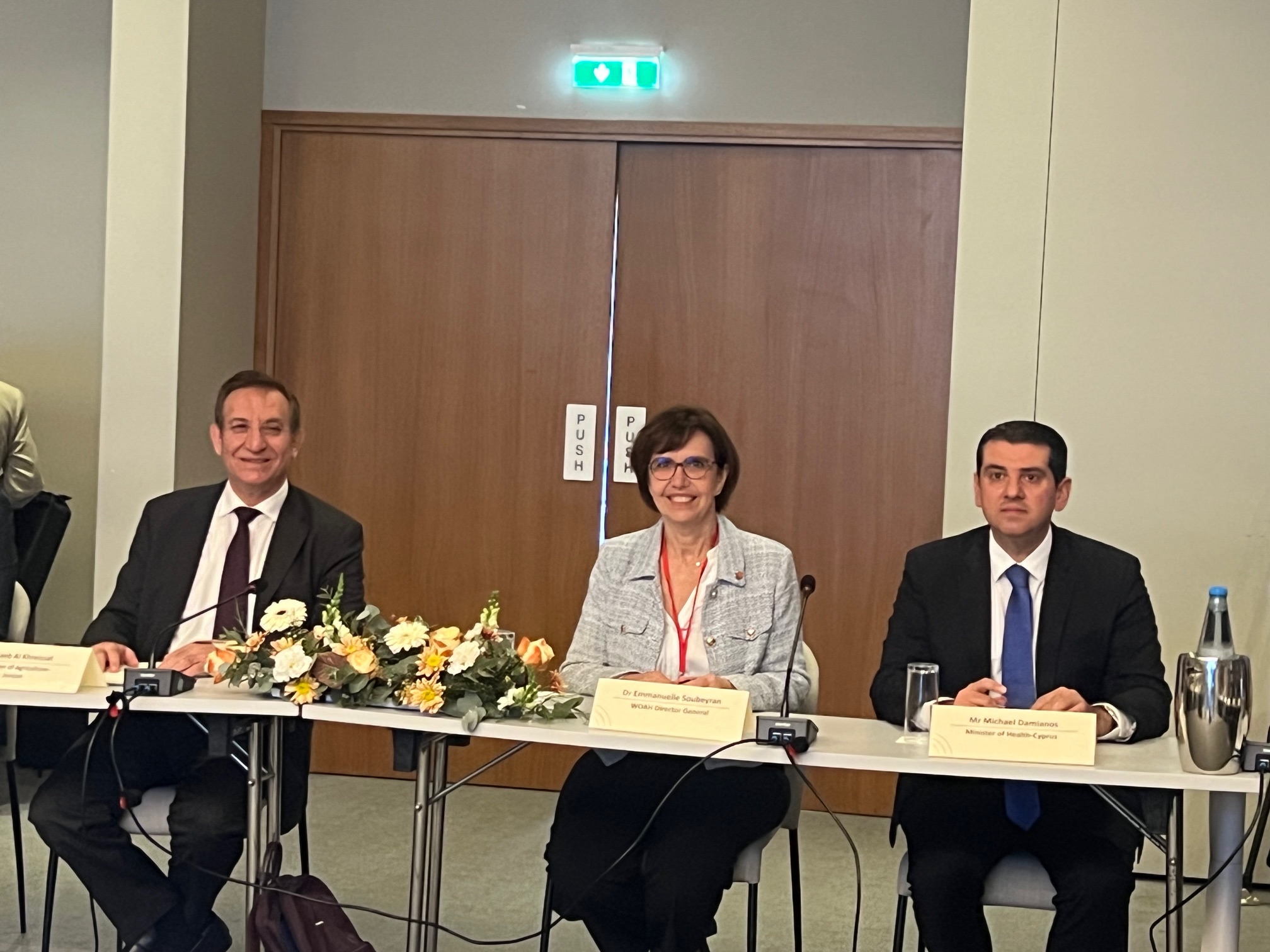
    Animal health is crucial for public health and food safety, emphasised Health Minister Michael Damianos at the 18th conference of the Middle East regional committee for the World Organisation for Animal Health (WOAH) in Larnaca. The conference, which convened on Monday and Tuesday, gathered experts, policymakers, and stakeholders committed to enhancing animal health standards across the region.

    Focus on Animal Health and Public Safety

    During his address, Damianos underscored the integral role of animal health in building resilient societies. He noted the relationship between animal well-being and food safety, highlighting that effective animal health measures are essential for ensuring the safety of food products consumed by the public. The conference aimed to address the challenges of zoonotic diseases—those transmitted between animals and humans—emphasising the need for comprehensive strategies.

    Climate Change and Animal Diseases

    Damianos also addressed the impact of climate change on animal health, noting that rising temperatures and changing weather patterns lead to the proliferation of various animal diseases. The health minister pointed out that these environmental shifts require the implementation of effective measures to manage animal populations and safeguard public health. “The distribution of animal diseases is expanding due to climate change, and we must adapt our strategies accordingly,” he stated.

    Proposed Measures for Improvement

    To combat the challenges posed by animal diseases, Damianos proposed a series of measures aimed at enhancing animal health and food safety. These include:

    • Robust Biosecurity Systems: Establishing strong biosecurity protocols to prevent disease outbreaks.
    • Early Warning Detection: Implementing systems for early detection of animal diseases.
    • Harmonised Field Surveillance: Enhancing surveillance and monitoring systems across the region.
    • Real-Time Molecular Diagnostics: Investing in advanced diagnostic technologies for quicker disease identification.
    • Risk-Based Vaccination Programmes: Developing vaccination strategies tailored to specific risks.
    • Cross-Border Information Exchange: Facilitating communication between countries to manage disease threats effectively.

    These initiatives are seen as vital for maintaining a healthy animal population and ensuring the availability of safe animal products for human consumption.

    Addressing Antimicrobial Resistance

    Damianos warned about the growing threat of antimicrobial resistance, which undermines both veterinary and human medicine. He advocated for the promotion and implementation of a national Antimicrobial Resistance action plan, stressing its importance for the effective management of this pressing issue. “Antimicrobial resistance poses a silent modern threat that we must address with urgency,” he said.

    Enhancing Veterinary Practices

    The minister also highlighted plans to bolster laboratory capacities and implement an e-prescribing platform for veterinary medicines. This initiative aims to ensure that all veterinary medications are prescribed by qualified animal health professionals, thereby improving the management of animal health and reducing the misuse of antibiotics.

    Collaboration and Shared Commitment

    Despite the complexities of the challenges ahead, Damianos expressed confidence in the collective expertise and commitment of the participants at the conference. He stated, “Although the challenges we face are complex, our collective expertise, shared values, and commitment to the principles of WOAH provide us with the necessary tools to overcome them.”

    A Regional Perspective on Animal Health

    Emmanuelle Soubeyran, the Director General of WOAH, echoed Damianos’s sentiments, highlighting the interconnectedness of animal healthcare and public health. She noted that many diseases affecting humans originate from animals, reinforcing the need for a unified approach to animal health. “Animal healthcare also concerns public health, given that many diseases can be transmitted between humans and animals,” she remarked.

    International Cooperation in Animal Health

    The conference also saw contributions from various regional leaders, including Jordanian Agriculture Minister Saeb Khreisat. Khreisat reaffirmed his commitment to improving animal healthcare and promoting safe international trade. He underscored the importance of collaboration, stating, “Diseases know no borders, and cooperation in times of need strengthens international ties.”

    As the conference continues, participants are expected to discuss further strategies and solutions to bolster animal health in the region, reflecting a strong commitment to ensuring public safety and food security across the Middle East.

  • Gaza ceasefire — President Christodoulides Attends Gaza Ceasefire Signing in Sharm el-Sheikh

    Gaza ceasefire — President Christodoulides Attends Gaza Ceasefire Signing in Sharm el-Sheikh

    President Christodoulides is in Sharm el-Sheikh today for the signing of the Gaza ceasefire agreement, marking a significant moment for Cyprus’s role in regional diplomacy.

    • President Christodoulides is in Sharm el-Sheikh today for the signing of the Gaza ceasefire agreement, marking a significant moment for Cyprus's role in regional diplomacy.
    • By being included in this elite group, Cyprus is perceived as a pillar of stability and an ally in constructive dialogue, strengthening its position on the world stage.
    • “We are not resting on our laurels,” Christodoulides said. “The invitation is a clear recognition of our role and what we can achieve moving forward.”
    • The President is joined by key members of his government, including the Foreign Minister and Deputy Minister for European Affairs, underscoring the importance of this diplomatic engagement.

    Invited by the United States and Egypt, the President’s participation underscores Cyprus’s upgraded geopolitical standing in the Eastern Mediterranean. He noted that Cyprus now joins a select group of nations actively involved in shaping Gaza’s future and reconstruction efforts.

    Diplomatic sources highlighted that this invitation reflects a broader recognition of Cyprus’s contributions to stability and humanitarian efforts in the region, as well as the international trust it has garnered from influential countries.

    “Cyprus is an interlocutor with all parties and not a spectator in regional developments,” sources stated, emphasising the country’s commitment to supporting Gaza’s recovery and fostering regional security.

    In comments made prior to the event, President Christodoulides expressed gratitude to both President Biden and President al-Sisi for the invitation. He described it as a testament to Cyprus’s diplomatic achievements and the expectations placed on the country by the international community.

    The list of attendees at the signing ceremony is notably exclusive, featuring only 23 states alongside three key institutions: the EU, the UN, and the Arab League. Other participants include nations with vested interests in the Palestinian issue, such as Qatar, Jordan, and Turkey, among others.

    By being included in this elite group, Cyprus is perceived as a pillar of stability and an ally in constructive dialogue, strengthening its position on the world stage.

    President Christodoulides remarked on the significance of the event, stating, “We want Cypriot companies to have a role in the reconstruction of Gaza. Our involvement is essential for security matters and the effective implementation of the agreement.”

    This summit follows months of active Cypriot diplomacy, notably through the Amaltheia initiative, which has been pivotal in establishing a humanitarian corridor to Gaza. The initiative has been instrumental in fostering relationships with key partners in the region, including the US, Egypt, and the UAE.

    The President’s presence at this ceremony is expected to amplify Cyprus’s diplomatic influence, particularly as the country prepares to assume the EU Council presidency in 2026. This development counters narratives of isolation, showcasing Cyprus as a credible and engaged international player.

    “We are not resting on our laurels,” Christodoulides said. “The invitation is a clear recognition of our role and what we can achieve moving forward.”

    As leaders convene for the summit, the programme commences with a reception led by President al-Sisi, followed by the signing ceremony and an opening address by President Biden, setting the tone for discussions on Gaza’s future.

    The President is joined by key members of his government, including the Foreign Minister and Deputy Minister for European Affairs, underscoring the importance of this diplomatic engagement.

  • Gaza reconstruction — President Christodoulides to Unveil Gaza Reconstruction Plan at Egypt Summit

    Gaza reconstruction — President Christodoulides to Unveil Gaza Reconstruction Plan at Egypt Summit

    The President of the Republic, Nicos Christodoulides, is set to present a Gaza reconstruction plan during the upcoming summit in Egypt. This initiative aims to involve Cypriot companies in the rebuilding efforts, underscoring Cyprus’s role in regional stability and humanitarian assistance.

    Engagement with Regional Leaders

    Prior to his departure for Egypt, President Christodoulides spoke to the media following a memorial service for the heroes of the Saranti community. He revealed that in the last 48 hours, he had engaged in multiple discussions with key leaders in the region. These included Egyptian President Abdel Fattah al-Sisi, Israeli Prime Minister Benjamin Netanyahu, the President of the European Council, and the President of the United Arab Emirates.

    Invitation to the Summit

    Mr Christodoulides expressed his gratitude to US President Donald Trump and President al-Sisi for the invitation extended to Cyprus to participate in the summit. He noted that being one of only 22 invited countries reflects the recognition of Nicosia’s active role and credibility in the region.

    Details of the Gaza Reconstruction Plan

    The President highlighted that the action plan he plans to present focuses on the reconstruction of Gaza, specifically through the involvement of Cypriot businesses. He pointed out that this plan is integral to the ongoing peace process and is linked to the security matters outlined in the recent ceasefire agreement.

    Importance of Initial Phases

    Christodoulides emphasised that the full implementation of the first phase of the ceasefire agreement is crucial for advancing the peace process. His comments indicate a commitment to ensuring that the reconstruction efforts are not only effective but also supportive of long-term stability in the region.

    Cyprus’s Role in Humanitarian Efforts

    Emphasising Cyprus’s humanitarian role, the President reiterated the nation’s capability to act as a stabilising force. He referred to the “Amalthea” corridor, which has been pivotal in evacuating citizens from conflict areas. Furthermore, he mentioned that Cyprus will play a significant role in facilitating the entry of humanitarian aid through the CYCLOPS Centre located in Larnaca.

    Upcoming EU Presidency

    As Cyprus prepares to take over the Presidency of the Council of the European Union in less than 90 days, President Christodoulides noted that this transition will further bolster Cyprus’s diplomatic position within the Eastern Mediterranean. The upcoming presidency is expected to enhance Cyprus’s influence in discussions related to regional security and humanitarian efforts.

    Recent Developments in Defence Cooperation

    In light of recent geopolitical developments, the President addressed the US decision to lift the arms embargo against Cyprus. He described this move as “expected and significant,” with aspirations towards the permanent abolition of the restriction. Additionally, he disclosed plans for National Guard officials from Cyprus to visit the United States to assess defence materials as part of ongoing cooperation programmes.

    Upgrades to Defence Infrastructure

    Mr Christodoulides confirmed that the upgrade of the “Andreas Papandreou” Air Base in Paphos is progressing in collaboration with the US. This initiative is part of a broader strategy to enhance the defence and security capabilities of the Republic of Cyprus, reaffirming the country’s commitment to regional stability and security cooperation.

    Looking Ahead

    As President Christodoulides embarks on this significant diplomatic mission, the implications of the Gaza reconstruction plan and Cyprus’s involvement in regional security will be closely watched. His participation in the summit signifies a pivotal moment for the Republic of Cyprus as it seeks to strengthen its international partnerships and contribute to meaningful change in the region.

  • Kombos — Kombos Engages with Qatari Prime Minister Al Thani in Doha

    Kombos — Kombos Engages with Qatari Prime Minister Al Thani in Doha

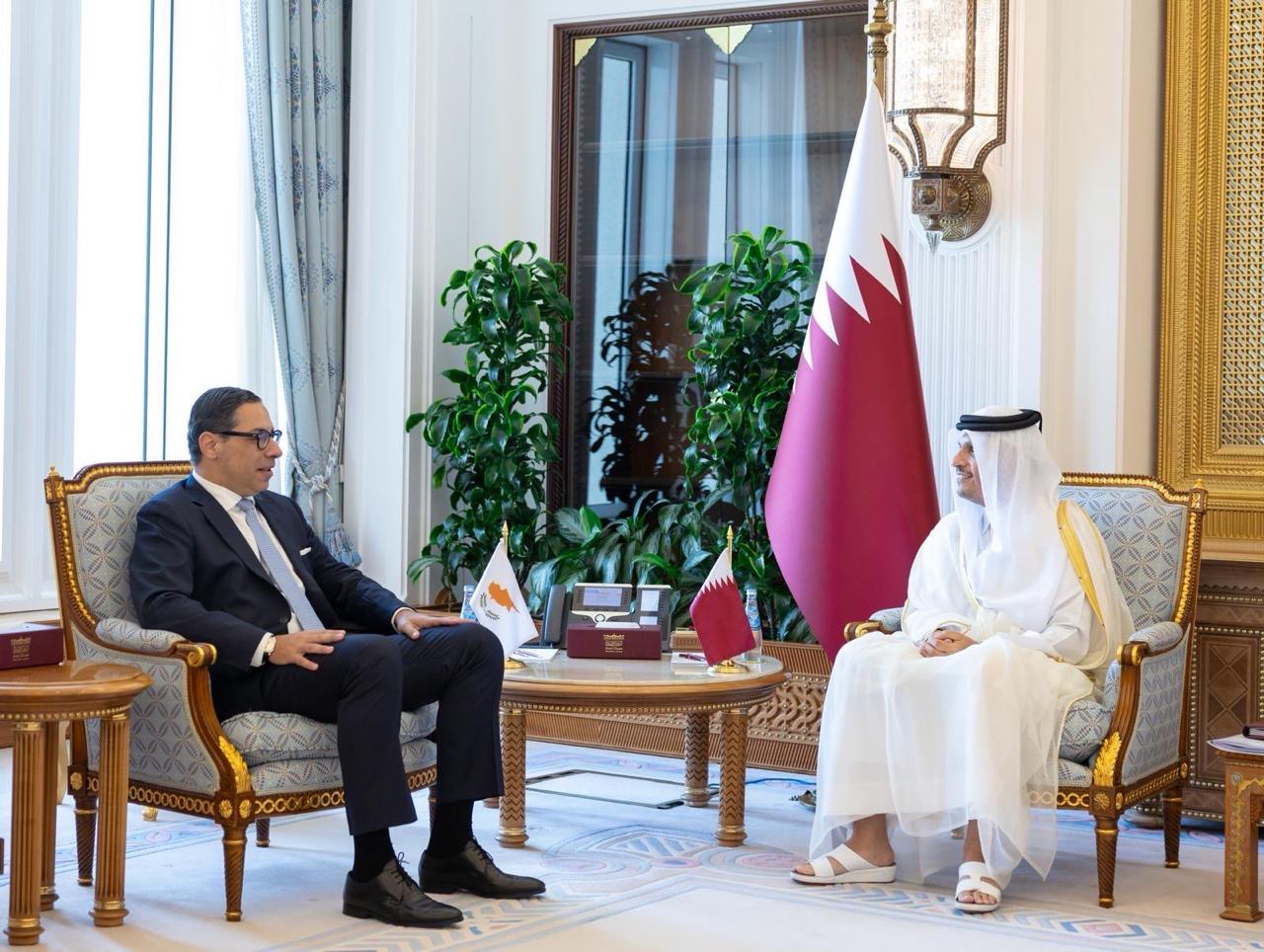
    Foreign Minister Constantinos Kombos met with Qatari Prime Minister Mohammed bin Abdulrahman bin Jassim Al Thani on Monday in Doha, marking a significant step in fostering stronger ties between Cyprus and Qatar.

    The discussions held during this meeting centred on several pivotal topics, including the ongoing strengthening of relations between the two nations and Cyprus’s upcoming six-month presidency of the Council of the European Union. The foreign ministry emphasised the importance of collaboration amid current regional challenges.

    Kombos: Addressing Regional Developments

    Kombos and Al Thani’s dialogue also touched upon pressing regional developments, particularly the situation in Syria and the urgent need for a ceasefire in Gaza. The conversation highlighted efforts to secure the release of hostages and ensure humanitarian aid reaches civilians affected by the ongoing conflict.

    Previous Engagements and Diplomatic Relations

    This meeting followed their previous conversation in June, shortly after a brief conflict involving Iran and Israel. At that time, Kombos had praised Qatar’s leadership role in facilitating de-escalation. The Qatari Prime Minister had been in the spotlight due to the missile attacks on the US’s Al Udeid airbase, a response to US actions against Iranian nuclear facilities. Following these events, Qatar played a crucial role in mediating peace efforts, which led to a ceasefire announced by then-US President Donald Trump.

    Strengthening Cyprus-Qatar Ties

    Relations between Cyprus and Qatar have been on an upward trajectory in recent years. President Nikos Christodoulides previously referred to Cyprus as Qatar’s “ambassador in Brussels,” emphasising the strategic partnership and mutual interests shared by the two nations. During Emir Sheikh Tamim bin Hamad Al Thani’s visit to Nicosia last year, discussions further solidified their commitment to enhancing bilateral relations and regional cooperation.

    Both leaders expressed optimism about the prospects for future collaboration, recognising the shared geographical and cultural ties that bind their nations. As Cyprus prepares for its role in the EU Council presidency, the discussions with Qatar are expected to play a crucial role in shaping regional diplomacy.

  • Amalthea — Kombos Accuses Turkey of Obstructing Cyprus’ Amalthea Humanitarian Initiative

    Amalthea — Kombos Accuses Turkey of Obstructing Cyprus’ Amalthea Humanitarian Initiative

    Foreign Minister Constantinos Kombos has accused Turkey of obstructing the Republic of Cyprus’ humanitarian initiative called Amalthea. He described the actions of Ankara as a coordinated campaign aimed at derailing the aid corridor that Cyprus has been striving to establish.

    Turkey’s Diplomatic Pressure

    In an interview published on Sunday by Phileleftheros, Kombos stated that Turkey has been “quite inventive” in implementing various tactics to hinder Cyprus’ humanitarian plans. These tactics reportedly include exerting diplomatic pressure on third countries to undermine the initiative and casting doubts on its feasibility.

    Significance of the Amalthea Initiative

    Despite facing numerous challenges, Kombos reaffirmed the importance of the Amalthea initiative, calling it a diplomatic and operational success. He highlighted that the existence of this initiative is crucial, particularly given the current volatile regional climate. “The fact that the Republic of Cyprus managed to design, implement, and continue this effort in this particularly sensitive field and during this time has its own importance and sends a specific message,” he stated.

    International Support

    The humanitarian corridor to Gaza, which is part of the Amalthea initiative, has received commendations from various international bodies, including the Palestinian Authority and several key Arab states. This global acknowledgment serves as a testament to the credibility and constructive role that Cyprus is attempting to play in the region.

    Addressing Domestic Criticism

    Kombos also responded to domestic criticisms regarding the government’s handling of the ongoing Middle East crisis. He pointed out that the international reception to the Amalthea initiative acts as a firm rebuttal against local dissent. The Foreign Minister remarked that such recognition strengthens Cyprus’ position on the global stage.

    A Warning Against Complacency

    While discussing the geopolitical landscape, Kombos warned against complacency in Cyprus, linking Turkey’s obstructive actions to the broader existential threat posed by the ongoing division of the island. “Let’s not have the delusion of normality. We are facing an existential threat,” he cautioned, adding, “It would be irresponsible to ignore reality.”

    Security Concerns

    As an illustration of these security concerns, Kombos mentioned the case of five Greek Cypriots who are currently being illegally detained in the Turkish-occupied northern part of Cyprus. He condemned Turkey’s actions in this regard, further emphasising the need for vigilance in light of the prevailing geopolitical tensions.

    Commitment to Negotiations

    Turning his attention to the longstanding Cyprus problem, Kombos reiterated the government’s commitment to relaunching negotiations. He stressed that Nicosia remains aligned with the UN Security Council framework to resolve the division of the island. “We have made continuous efforts to generate momentum for a return to the negotiating table, but these efforts are met with the barren reaction of the other side,” he expressed.

    Support from the International Community

    Kombos also noted that Cyprus’ position is supported by the European Union and the wider international community. “The only framework is that of the UN Security Council. There can be nothing else for us,” he affirmed, underlining the necessity of a unified approach to the issue.