Tag: migration

  • Turkey sanctions: Cyprus President Presents Evidence of Turkey’s Sanctions Violations to EU

    Turkey sanctions: Cyprus President Presents Evidence of Turkey’s Sanctions Violations to EU

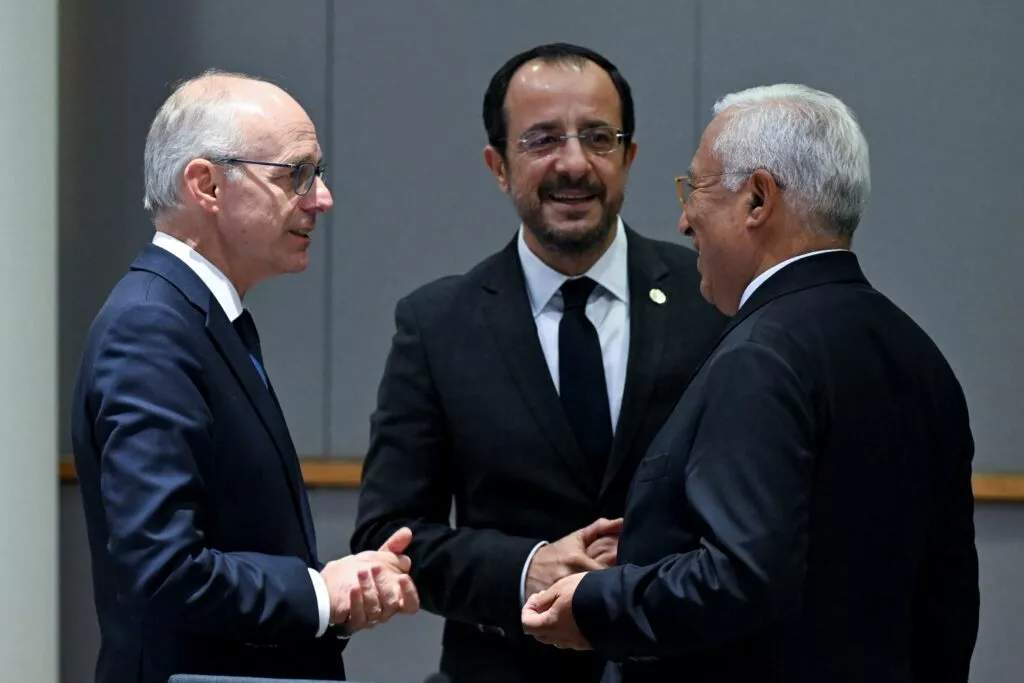
    turkey sanctions — turkey sanctions — Cyprus President Nikos Christodoulides will present evidence of Turkey’s involvement in violations of sanctions against Russia during Thursday’s European Council session. This meeting is pivotal as it is the last before Cyprus takes over the EU Presidency on 1 January.

    Turkey sanctions: Focus on Supporting Ukraine

    Christodoulides intends to share specific data with other EU leaders that indicates breaches of European sanctions by Turkey. This follows a similar presentation made during his recent visit to Ukraine, where he met with President Volodymyr Zelensky.

    Upcoming Discussions on Financial Support

    One of the key topics at the Council will be Ukraine’s financial support for the 2026-27 period. Leaders aim to reach a consensus among the 27 member states, although Hungary has expressed reservations about the idea of common borrowing. The agenda includes discussions on utilising frozen Russian Central Bank assets to facilitate a compensation loan.

    Sanctions and Strategic Objectives

    The renewal of sanctions against Russia will ensure that Russian assets remain frozen until compensation is arranged for Ukraine. This strategy aims to alleviate the financial burden on EU member states while maintaining pressure on Russia to cease its military actions.

    Political Dynamics and Enlargement Discussions

    The upcoming session is also expected to address the EU’s enlargement, particularly concerning the Western Balkans, Ukraine, Moldova, and Turkey. Cyprus is keen on sending strong messages regarding its ongoing issues, especially with Turkey, and is committed to collaborating with the UN to support resolution efforts.

    Addressing Geo-Economic Challenges

    Christodoulides’ agenda will also touch upon the EU’s economic resilience in light of pressures from global powers like China and the United States. The discussions will focus on reducing dependence on external entities while enhancing the EU’s competitiveness and strategic autonomy.

    Multiannual Financial Framework Negotiations

    Another critical topic will be the draft of the Negotiating Box for the Multiannual Financial Framework (MFF) for 2028-2034. Member states aim for a political agreement by the end of 2026, as the MFF represents a significant priority for the upcoming Cyprus Presidency. The discussions will address various funding allocations, including support for Ukraine and the role of the Common Agricultural Policy.

    Diverging Views Among Member States

    Significant differences remain among member states regarding budget architecture and prioritisation. The proposed new MFF, amounting to €2 trillion, aims to redefine how the EU supports its initiatives, particularly with regards to security and economic stability.

  • Exploring How EU Values Have Shaped Cyprus Over Two Decades

    Exploring How EU Values Have Shaped Cyprus Over Two Decades

    How have EU values shaped Cyprus? This question lies at the heart of a two-day event titled Are We European Now?, celebrating 20 years since Cyprus joined the European Union. Hosted by ABR (Alternative Brains Rule) under the project EUnity20, the event invites citizens, artists, researchers, and activists to engage in meaningful dialogue about the essence of being European.

    Taking place at ARTos House in Nicosia on December 19 and 20, the programme features a series of discussions, performances, screenings, and participatory workshops. These activities aim to foster a deeper understanding of how EU values are reflected in daily life and where gaps still exist.

    Critical Conversations on EU Values

    The event encourages open questioning about the impact of EU ideals on Cypriot society. Facilitated by journalist and podcaster Eleni Antoniou, the discussions cover a variety of vital topics, including environmental protection, democratic participation, equality, LGBTQI+ rights, and youth engagement.

    Whose Land, Whose Voice?

    The first panel, featuring Klitos Papastylianou and Andromachi Sofokleous, delves into Cyprus’ environmental challenges. Titled Whose Land, Whose Voice?, this discussion focuses on how EU policies influence land-use decisions and the participation of citizens in these critical matters.

    Bodies, Beliefs, and Who Decides

    Next, Costas Gavrilides and Maria Epaminonda lead a conversation on cultural conservatism in the panel Bodies, Beliefs, and Who Decides. This session examines how societal values shape issues of bodily autonomy, identity, and equality, even within the frameworks established by the EU.

    Fortress or Home

    The third discussion, Fortress or Home, hosted by Giorgos Charalambous and Nicos Trimikliniotis, tackles the complex relationship between migration, identity, and Cyprus’ role in the European project. This panel highlights the shifting perceptions of Cyprus as it grapples with these challenges.

    Permission to Speak

    Finally, Giorgos Koukoumas and Christiana Xenophontos address political participation in the session Permission to Speak. This discussion focuses on the reasons behind the growing sense of disenfranchisement among young people in Cyprus, particularly regarding protest rights and civic engagement.

    Artistic Expression Meets Public Dialogue

    Complementing the discussions, the event features various artistic performances and workshops. Participants can engage in activities like crafting postcards and letters to the EU and the Cyprus Parliament, encouraging a blend of artistic expression with civic participation.

    A notable feature is The Box of Full-Filling, a workshop led by Nurtane Karagil that collects personal statements, slogans, and found objects, creating a collective snapshot of individual experiences. This participatory element aims to capture the essence of what it means to be European in Cyprus today.

    The event kicks off on Friday evening with screenings and performances, including an introduction to the Visual Voices exhibition. This showcase is part of the art collective’s Relate series and highlights the work of artists with migrant backgrounds, reinforcing the theme of artistic engagement throughout the weekend.

    As Cyprus reflects on two decades of EU membership, Are We European Now? serves as a vital platform for exploring the intersection of EU values and everyday life on the island, fostering hope for a more inclusive and engaged future.

  • Syrians withdraw — Cyprus Sees 2,800 Syrians Withdraw Asylum Claims Amid Declining Migrant Arrivals

    Syrians withdraw — Cyprus Sees 2,800 Syrians Withdraw Asylum Claims Amid Declining Migrant Arrivals

    syrians withdraw — syrians withdraw — In a significant shift, 2,800 Syrians have withdrawn their asylum claims in Cyprus, marking a considerable change in the migration landscape. This decision comes as irregular migrant arrivals in the country have decreased notably, according to the Deputy Ministry of Migration.

    Syrians withdraw: Declining Migrant Arrivals

    Data reveals that by August 2023, Cyprus recorded just 1,606 irregular arrivals, a stark contrast to the 9,307 individuals who arrived in 2022. This reduction reflects a broader trend in migration patterns, as the island nation has seen a notable decline in the number of people seeking sanctuary.

    Withdrawal of Asylum Claims

    Of the total asylum applications made, approximately 25 per cent were from Syrians, with 2,800 individuals withdrawing their requests and choosing to return home. This marks a significant departure from the previous trend of increasing asylum applications, indicating a shift in the motivations and circumstances of these individuals.

    Intensified Processing of Asylum Applications

    The Asylum Service in Cyprus has ramped up its processing times, with decisions now being made more swiftly. From January to August 2023, the service issued 8,546 asylum decisions, of which a staggering 95 per cent were negative. The Deputy Minister of Migration and Asylum, Nicholas Ioannides, introduced new guidelines in April 2025 that have expedited the rejection of applications from individuals who do not meet asylum criteria.

    Impact of Policy Changes

    These policy changes have led to immediate rejections of ineligible applications, rather than drawn-out processes. While each case is still examined individually, the new streamlined approach aims to reduce backlogs and expedite the overall asylum process.

    Increasing Syrian Repatriations

    In total, 4,112 Syrian nationals have either withdrawn their applications or had their subsidiary protection status revoked. Among these, 3,541 have successfully returned to Syria. This voluntary repatriation indicates a willingness among many Syrians to return home, possibly reflecting improved conditions or changes in personal circumstances.

    Relocation Initiatives Under EU Mechanism

    Since 2022, Cyprus has relocated over 3,006 international protection applicants to nine EU member states under the European Union’s Voluntary Solidarity Mechanism. A significant majority of these relocations occurred between March 2023 and the present, with Cyprus leading among the five Mediterranean frontline countries involved in this initiative.

    Support for Vulnerable Groups

    The European Union Agency for Asylum (EUAA) has facilitated special briefing sessions to ensure that applicants understand their rights and the relocation process. These sessions have particularly focused on vulnerable individuals, including families, unaccompanied minors, and those with special needs, ensuring informed consent for participation in the relocation programme.

    Stricter Measures for Criminal Offences

    Following the recent policy adjustments, enforcement measures have tightened. Foreign nationals implicated in criminal activities can now have their subsidiary protection status revoked and face deportation if any appeals are unsuccessful. This also applies to unaccompanied minors deemed troublesome.

  • Trilateral cooperation — Greek and Syrian Foreign Ministers Explore Trilateral Cooperation Involving Cyprus

    Trilateral cooperation — Greek and Syrian Foreign Ministers Explore Trilateral Cooperation Involving Cyprus

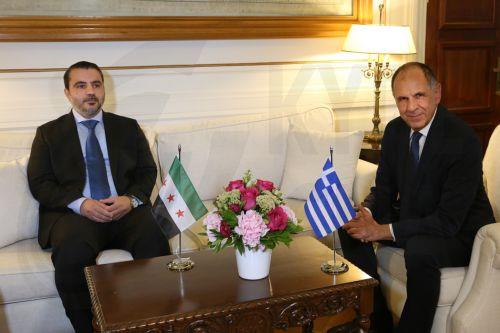
    Greek Foreign Minister Giorgos Gerapetritis and Syria’s interim Foreign Minister Asaad Al-Shaibani met in Athens to discuss a trilateral cooperation scheme involving Cyprus. The meeting, announced by the Greek foreign ministry on Wednesday, reflects a strategic intention to enhance regional collaboration.

    Trilateral cooperation: Commitment to Regional Cooperation

    During the meeting, both ministers underscored their commitment to fostering regional cooperation through the establishment of a trilateral format that would include Cyprus. Lana Zochiou, spokesperson for the Greek foreign ministry, relayed this intent, stating, “The ministers confirmed their will to promote regional cooperation by establishing a trilateral format with the participation of the Republic of Cyprus.”

    Potential Meeting at the UN General Assembly

    The first meeting of the proposed trilateral partnership could occur during the 80th Session of the United Nations General Assembly, scheduled from September 9 to September 29 in New York. This platform presents an opportunity for further dialogue and the potential for solidifying agreements among the involved parties.

    Awaiting Concrete Measures

    While the discussion marks a significant step in diplomatic relations, specific details outlining how the trilateral cooperation will manifest remain undisclosed. The absence of concrete measures raises questions about the practical implications of the proposed collaboration.

    Cyprus’s Role in Regional Diplomacy

    Cyprus has been actively pursuing better relations with Syria, as highlighted by Foreign Minister Constantinos Kombos in a statement made in May. He noted that Cyprus was “actively pursuing good neighbourly relations” with Syria and advocated for the lifting of sanctions on the nation. Given Cyprus’s geographic proximity to Syria—approximately 350km—this initiative could facilitate a more robust interaction between the two countries.

    Addressing Migration Challenges

    Amid rising concerns over asylum seekers and irregular migrants arriving in Cyprus, the government has initiated efforts to engage European Union partners regarding safety declarations for parts of Syria. Interior Minister Constantinos Ioannou labelled the situation as “alarming,” prompting Cyprus to lead a group of EU members to explore this issue further.

    Collaborative Efforts with Greece

    In a recent meeting with Greek Migration Minister Dimitris Kairidis, Ioannou emphasised the necessity for “joint actions” to effectively manage the ongoing migration situation. This collaboration aligns with Greece’s expressed intent to join the Cyprus-led EU Syria Group, aiming to address the complexities of migration flows in the region.

    International Meeting on Migration

    In mid-May 2024, an international meeting of interior ministers was convened in Cyprus, featuring representatives from Austria, the Czech Republic, Denmark, Greece, Italy, Malta, and Poland. This gathering aimed to discuss coordinated strategies to tackle the pressing issues related to migration and asylum seekers.

    Looking Ahead

    The discussions between Greece and Syria, with Cyprus as a participating nation, signal a potential shift in regional dynamics. While the specifics of the trilateral cooperation scheme are yet to be defined, these diplomatic efforts could pave the way for enhanced collaboration in addressing shared challenges.

    The ongoing dialogue between these countries illustrates the importance of regional partnerships in navigating complex political and humanitarian issues. As the situation develops, the involvement of Cyprus alongside Greece and Syria could prove pivotal in shaping future cooperation in the Eastern Mediterranean.