
Tag: MPs

  • Allegations of Human Trafficking in Ayia Napa Raise Concerns Among MPs

    Allegations of Human Trafficking in Ayia Napa Raise Concerns Among MPs

    Allegations of human trafficking in Ayia Napa have sparked significant concern among MPs, particularly following a recent Channel 4 documentary that exposed the exploitation of young women in the area. This troubling issue was extensively discussed during a meeting of the House human rights committee on Monday.

    Committee chairwoman and Akel MP Irini Charalambides revealed that deputy migration minister Nicholas Ioannides is expected to address the committee within the next fortnight. He will provide updates on the measures being implemented to protect victims, combat human trafficking, and hold perpetrators accountable.

    Andreas Anastasiadis, assistant director of the police, informed the committee that an ex officio investigation into the documentary has already been launched. The police have gathered several statements and are seeking additional information from the British broadcaster regarding the claims made in the film.

    In another development, the cyber crime department is currently examining allegations related to a website that purportedly advertised job positions in Cyprus during the summer months. Anastasiadis refrained from sharing further details to avoid compromising the ongoing investigations but noted that police efforts against human trafficking have intensified in recent years. Since 2021, there have been 30 convictions across 21 cases, with an additional 30 cases still pending.

    During the meeting, it became apparent to MPs that the multidisciplinary group tasked with combating human trafficking, which operates under the deputy migration ministry, is failing to perform its duties adequately. Chairwoman Charalambides expressed her discontent with the current situation, stating that it does not align with the timelines provided by the Ministry of Interior. As a result, she plans to advocate for the coordination of this body to be transferred to the justice ministry, which is also responsible for law enforcement.

    Disy MP Rita Superman echoed the concerns raised during the discussion, asserting that the issues revealed in the documentary reflect a broader systemic problem rather than just a negative reality for Cyprus. She emphasised that the nation is grappling with a system that has allowed for the exploitation of women and the impunity of organised groups for far too long.

    Superman pointed out that while the media often highlights procedures and restrictions, there has been insufficient focus on tangible results. She critiqued the prevailing response of “there were no complaints” regarding human trafficking cases as indicative of significant operational and political gaps.

    Volt MP Alexandra Attalidou described human trafficking as a direct outcome of systemic issues, calling for proactive measures to identify victims. She argued that the state must demonstrate zero tolerance for such practices and ensure that victims receive the necessary support to escape their situations, especially as many face intimidation that prevents them from coming forward.

    Ayia Napa’s mayor, Christos Zannetou, shared that the municipality has conducted its own investigations into local establishments and the broader social challenges facing the town. However, he highlighted that the responsibility for monitoring accommodations used by seasonal workers no longer falls under municipal authority, indicating a gap in local oversight.

    Zannetou announced a comprehensive meeting scheduled for February 6, aimed at tackling ongoing concerns regarding public safety, law enforcement, and the management of seasonal workforce accommodations. Justice Minister Constantinos Ioannou and police chief Themistos Arnaoutis are expected to attend this crucial meeting.

    The allegations raised in the documentary point to a troubling system of exploitation aimed at young British women, who are lured to Cyprus under the guise of “working holidays”. Many of these women encounter illegal employment practices, sexual harassment, and unsafe living conditions, highlighting the urgent need for intervention and reform in the region.
  • MPs Progress on Teacher Evaluation Bill, Seeking Compromise

    MPs Progress on Teacher Evaluation Bill, Seeking Compromise

    MPs are advancing discussions on a new teacher evaluation bill aimed at enhancing teaching performance, according to Diko MP Pavlos Mylonas, the chair of the House education committee. Mylonas expressed optimism that a workable outcome is within reach as various parties and individual MPs prepare amendments to the proposed legislation.

    Negotiations Focused on Clarity and Compromise

    Amid ongoing discussions, Mylonas highlighted the committee’s efforts to explore compromises that address concerns raised by education unions. He noted that ambiguities within the legislative framework, particularly regarding overlapping responsibilities, need clarification. The committee intends to tackle these issues during an article-by-article debate, and an extraordinary session may be convened if necessary to ensure the process is completed efficiently.

    Confidence in Plenary Progress

    When asked about the likelihood of the bill reaching the plenary, Mylonas conveyed strong confidence, stating he was “almost certain” that parliamentary groups would maintain their current positions. He emphasised the importance of creating a system that benefits teachers, ultimately leading to improved educational outcomes for students.

    Aiming for a Fairer Evaluation System

    Mylonas acknowledged that while the emerging proposal from the committee may not be flawless, it represents a genuine effort to establish a fair, effective, and merit-based evaluation system. With over 20,000 educators and more than 100,000 students impacted, the need for a balanced approach is paramount, and differing opinions are to be expected.

    Placing Students at the Centre

    Throughout the discussions, Mylonas reiterated the necessity of focusing on students’ needs, asserting that the interests of the majority should guide the legislative process. He remains hopeful that an agreement can be reached that reflects the collective interests of all stakeholders involved in the education sector.

    A Historical Perspective on Teacher Evaluation

    The push for a modernised teacher evaluation system follows Cyprus’s long-standing commitment to educational reform, dating back fifty years to the introduction of the first evaluation system. With the Republic now under EU obligations to update this framework, the stakes are high. The education ministry’s initial proposal, made nearly a year ago, has faced strong resistance from state school teachers, who advocate for maintaining the status quo while presenting their demands for change.

    A Comprehensive Summary of Ongoing Debates

    As discussions continue, a comprehensive summary of the long-standing debate regarding the new evaluation system is available for those looking to understand the complexities and nuances of this significant legislative effort.

  • Assistance dogs — Cyprus Takes Steps to Ensure Legal Rights for Assistance Dogs

    Assistance dogs — Cyprus Takes Steps to Ensure Legal Rights for Assistance Dogs

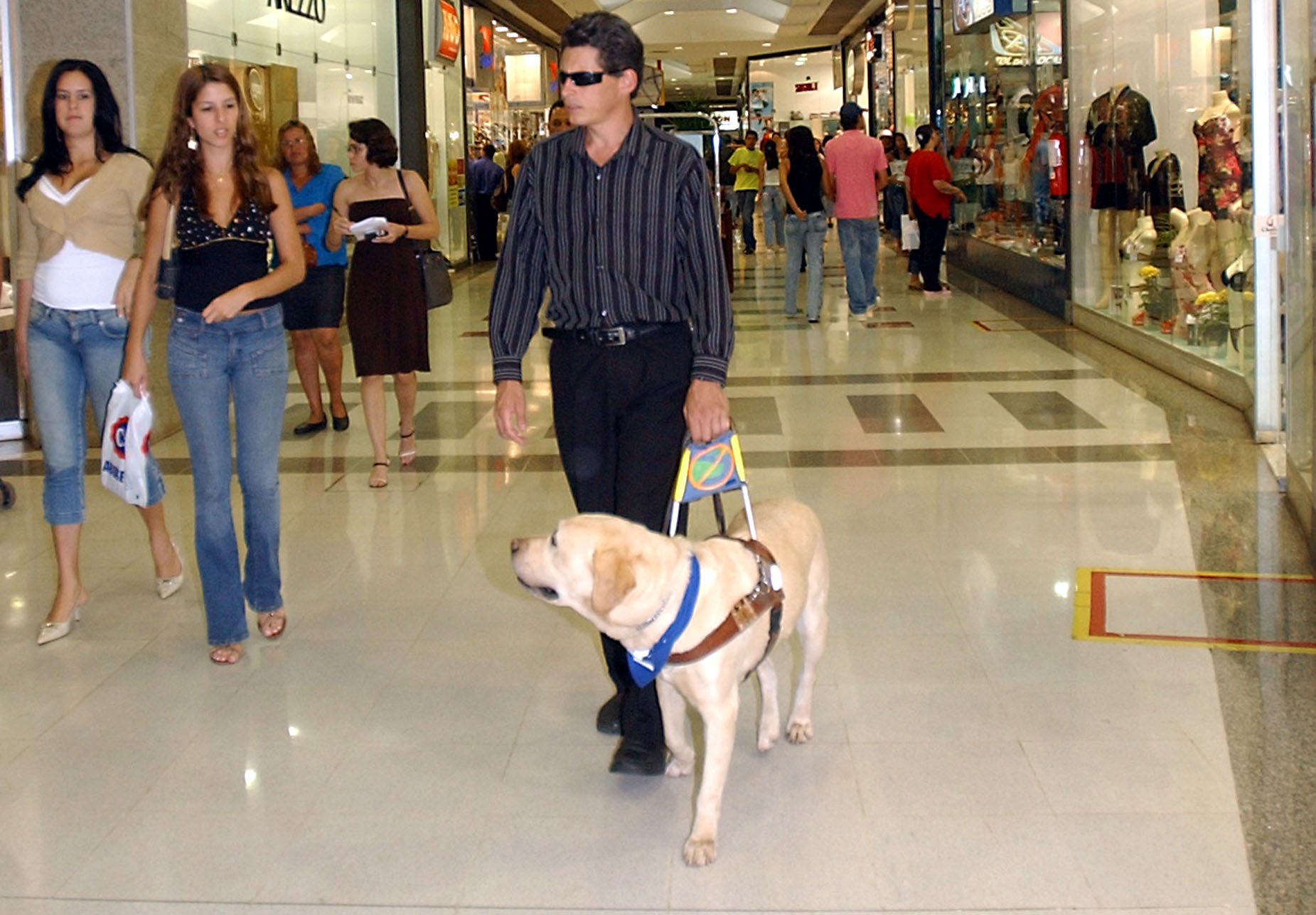
    Cyprus is moving to guarantee the legal right for people with disabilities to use assistance dogs, addressing a significant gap in legislation that has left just three certified dogs in the country.

    • Cyprus is moving to guarantee the legal right for people with disabilities to use assistance dogs, addressing a significant gap in legislation that has left just three certified dogs in the country.

    During a recent meeting of the House Human Rights Committee, MPs highlighted the urgent need for legislation after learning that training costs can soar to €50,000. This financial burden, coupled with a lack of regulatory framework, has severely limited access to assistance dogs for those who need them most.

    Assistance dogs: Legislative Action on the Horizon

    The committee convened following a motion by MP Christos Senekis, which garnered broad political and institutional support for immediate action. Senekis stressed that the right to be accompanied by an assistance dog is already recognised under the UN Convention on the Rights of Persons with Disabilities, a treaty Cyprus ratified in 2011. However, the absence of specific laws for universal access in public and private spaces has left many individuals without the help they require.

    In collaboration with organisations such as the Cyprus Confederation of Disability Organisations (KYSOA) and the Pan-Cyprian Organisation of the Blind, Senekis is drafting a bill aimed at enshrining these rights in law. He referenced Greece, which has had a regulatory framework in place since 2010, and suggested that Cyprus could link the certification process to existing laws regarding dogs and persons with disabilities.

    High Costs and Ongoing Challenges

    Committee chair Eirini Charalambidou underscored the importance of this issue, pointing out the prohibitive costs associated with certification. “It cannot be that around €10,000 is required for the certification of a guide dog,” she stated. “The state has a duty to resolve the issue with a clear legislative framework and certification process.”

    MP Charalambos Theopemptou echoed these sentiments, noting that discussions on exempting assistance dogs from ownership fees have highlighted the critical lack of certified dogs in Cyprus. He mentioned that training costs can vary significantly, with many instances reaching €50,000 at foreign schools. The lengthy training process involves both the dog and its handler and includes ongoing assessments.

    Voices from the Community

    Pelagia Englezaki, director of the School for the Blind, elaborated on the extensive training requirements for assistance dogs, emphasising the financial and temporal commitments involved. MP Alexandra Attalides remarked on the cultural barriers that persist in Cyprus, where assistance animals are not as widely accepted as in other European nations. She stressed the vital role these dogs play in the lives of many disabled individuals, serving not just as aids but as companions.

    Officials from various ministries expressed support for establishing a regulatory framework. Petros Anagiotis from the Interior Ministry indicated a positive stance towards reform, while Christakis Nicolaides, president of the Pan-Cyprian Organisation of the Blind, highlighted that the issue has been on the agenda since at least 1980. He reiterated the urgent need for a new legislative framework to facilitate certification and ensure free access for assistance dogs in public spaces.

    A Call for Action

    During the session, a representative from the Ombudsman’s Office noted the lack of recorded complaints, attributing this to the absence of a certification system. Concerns were raised about the current regulations set by the Road Transport Department, which require assistance dogs to have a muzzle and health documentation, a point that elicited strong reactions from MPs.

    Addressing the limitations on resources available for training assistance dogs, police representatives acknowledged that these challenges hinder the development of a robust support system for disabled individuals. Meanwhile, the Union of Municipalities expressed readiness to collaborate in creating a clear framework for assistance dog certification.

    At the conclusion of the meeting, Charalambidou announced that the issue would be swiftly referred to the Interior Ministry and the Justice Ministry for further action. Senekis is set to present a bill designed to ensure a comprehensive framework for assistance dogs, which includes national certification, state funding for training costs, and explicit access rights across all public and private spaces.