Tag: National Guard

  • Cyprus Airspace Breached by Turkish F-16 Fighter Jets

    Cyprus Airspace Breached by Turkish F-16 Fighter Jets

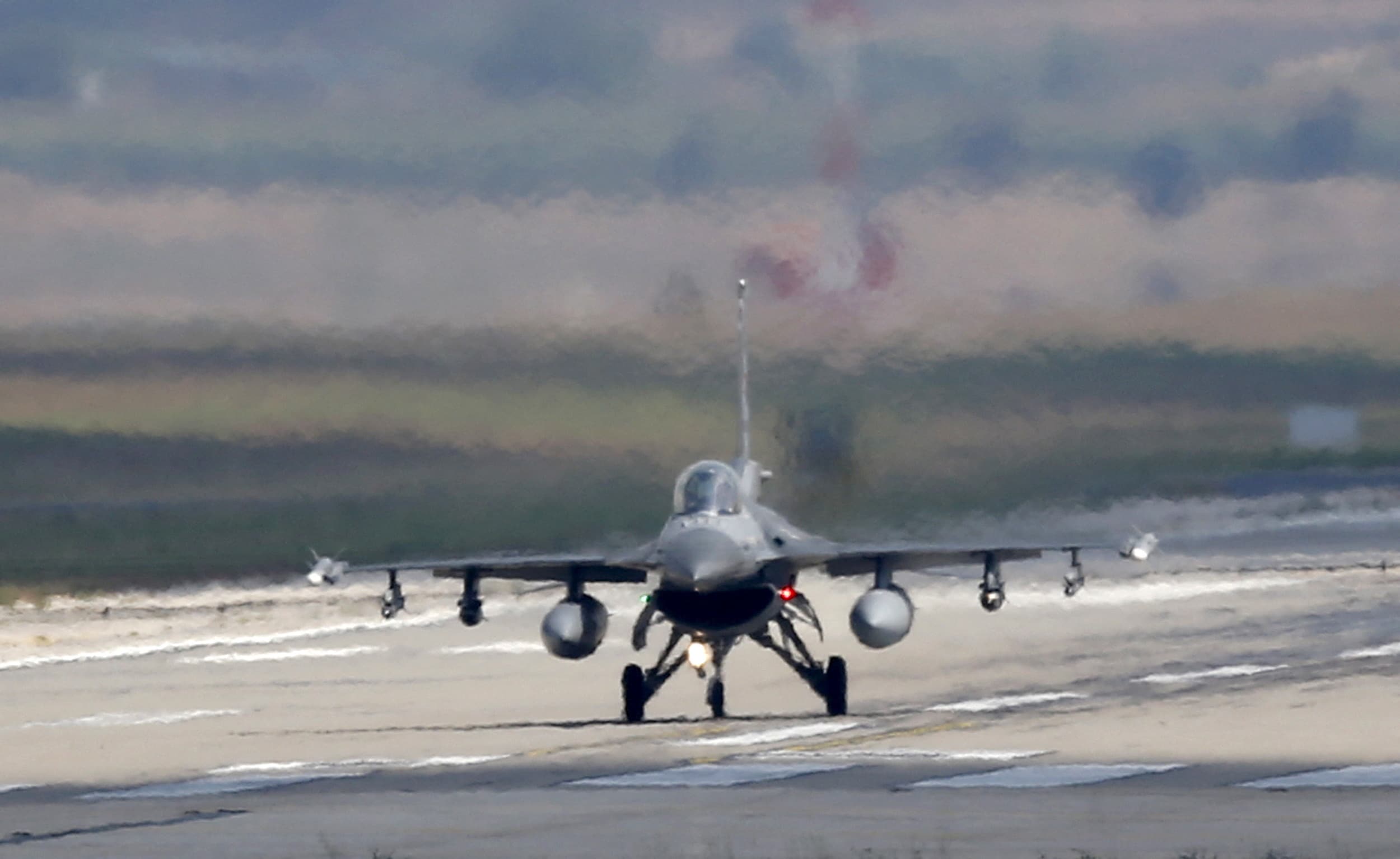
    cyprus airspace — The violation of Cyprus airspace by Turkish F-16 fighter jets has raised significant concerns regarding regional tensions. On Saturday, four Turkish aircraft entered the airspace of the Republic of Cyprus while participating in celebrations marking the anniversary of the illegal unilateral declaration of the breakaway regime in northern Cyprus.

    According to sources, two of the F-16s also reportedly flew over a small section of the UN-controlled buffer zone, heightening the situation’s sensitivity. The National Guard General Staff responded promptly, taking all necessary steps to address the incursion.

    In a statement to the Cyprus News Agency (CNA), the National Guard confirmed that representations were made concerning the incident. This action underlines the ongoing military and political tensions between Cyprus and Turkey, particularly in light of historical grievances and territorial disputes.

    The Turkish aircraft’s actions were seen as provocative, particularly given the timing of the flights coinciding with a day of significance for the breakaway regime, which is only recognised by Turkey. The incident exemplifies the fragile nature of peace in the Eastern Mediterranean and the complexities of airspace sovereignty in the region.

    Cyprus airspace: Military and Diplomatic Reactions

    The National Guard’s immediate response reflects a broader strategy to ensure the security of Cypriot airspace. Military officials are closely monitoring the situation, with the potential for further diplomatic engagements to address such violations in the future.

    Local authorities and international observers have expressed concern over the implications of increased military activity in the area. With Cyprus caught between its historical ties to Greece and the ongoing tensions with Turkey, such incidents could escalate if not addressed swiftly and effectively.

    Implications for Regional Stability

    This airspace violation serves as a reminder of the precarious balance of power in the Eastern Mediterranean. Analysts suggest that continuous military provocations could undermine efforts for dialogue and peaceful resolution of ongoing conflicts.

    The UN has previously called for restraint from both sides, advocating for diplomatic solutions to long-standing disputes. The recent actions by Turkish F-16s might complicate these efforts, as they signal a willingness to assert military presence in contested areas.

  • National Guard Introduces Locally Developed Anti-Drone Systems in Cyprus

    anti-drone systems — The National Guard today unveiled two innovative, locally produced anti-drone systems, known as “THISEAS” and “Drone Eye,” during a presentation at the Stavros Stylianides Camp in Kornos, Larnaca. This unveiling marks a significant advancement in Cyprus’s defence capabilities, showcasing homegrown technology designed to enhance national security.

    Photo: in-cyprus.philenews.com

    • Importantly, the THISEAS system can simultaneously detect over 2,000 targets and has already been successfully tested by four different armies, with three countries having purchased it.

    Defence Minister Vasilis Palmas highlighted the importance of these developments, stating that the completion of the “ATHENA” action plan demonstrates how domestic scientific research, innovation, and technological growth can act as a force multiplier and deterrent power for the nation.

    Photo: in-cyprus.philenews.com

    Anti-drone systems: THISEAS: Enhancing Battlefield Awareness

    The THISEAS project took 28 months to develop and was a collaborative effort involving Cypriot companies Signal Generix and 8Bells, along with the CYENS and KIOS Centres of Excellence. With a budget of €530,000, of which €450,000 was funded by the Ministry of Defence (MoD), this integrated system provides crucial solutions for battlefield situation awareness.

    THISEAS excels in radio emission detection, target identification, and geo-location estimation, all aimed at supporting rapid decision-making in military operations. The system features a virtual reality combat visualisation component powered by advanced artificial intelligence (AI).

    Data from multiple sources—including cameras, radar, UAVs (drones), and sensors—streams into a central processor. AI algorithms, encompassing Computer Vision, Machine Learning, and Deep Learning, are employed to recognise and classify targets such as vehicles, people, and drones. This capability allows THISEAS to detect unusual activity and calculate trajectories, issuing automatic warnings for suspicious movements and effectively reducing reaction time.

    Importantly, the THISEAS system can simultaneously detect over 2,000 targets and has already been successfully tested by four different armies, with three countries having purchased it.

    Drone Eye: A Vehicle-Mounted Anti-Drone Solution

    The second system introduced, Drone Eye, is a robust vehicle-mounted anti-drone solution, fully developed within Cyprus. This project took 42 months and was created through collaboration between the Cypriot company Encorp, Frederick University, and the Open University of Cyprus. It shares a budget of €530,000 with THISEAS, receiving the same amount of MoD funding.

    Drone Eye focuses on the surveillance and neutralisation of small-range unmanned aerial vehicles. It employs a variety of sensors, including high-resolution and thermal cameras, radio frequency (RF) detectors, and radar, to continuously monitor and identify targets.

    AI algorithms play a pivotal role in analysing flight patterns, classifying targets, recognising unusual behaviours—such as drones approaching sensitive areas—and calculating probable trajectories. The system provides real-time alerts and prioritises incidents based on their risk level, integrating seamlessly into broader security and anti-air defence infrastructures.

    During the demonstration attended by Minister Palmas, members of the Parliamentary Defence Committee, and MoD Director General Erikos Elias, the capabilities of these systems were showcased for the first time to the public, reflecting Cyprus’s commitment to enhancing its defence industry through innovation.

  • Surge in Demand for Private Military Training Among Cypriots

    Surge in Demand for Private Military Training Among Cypriots

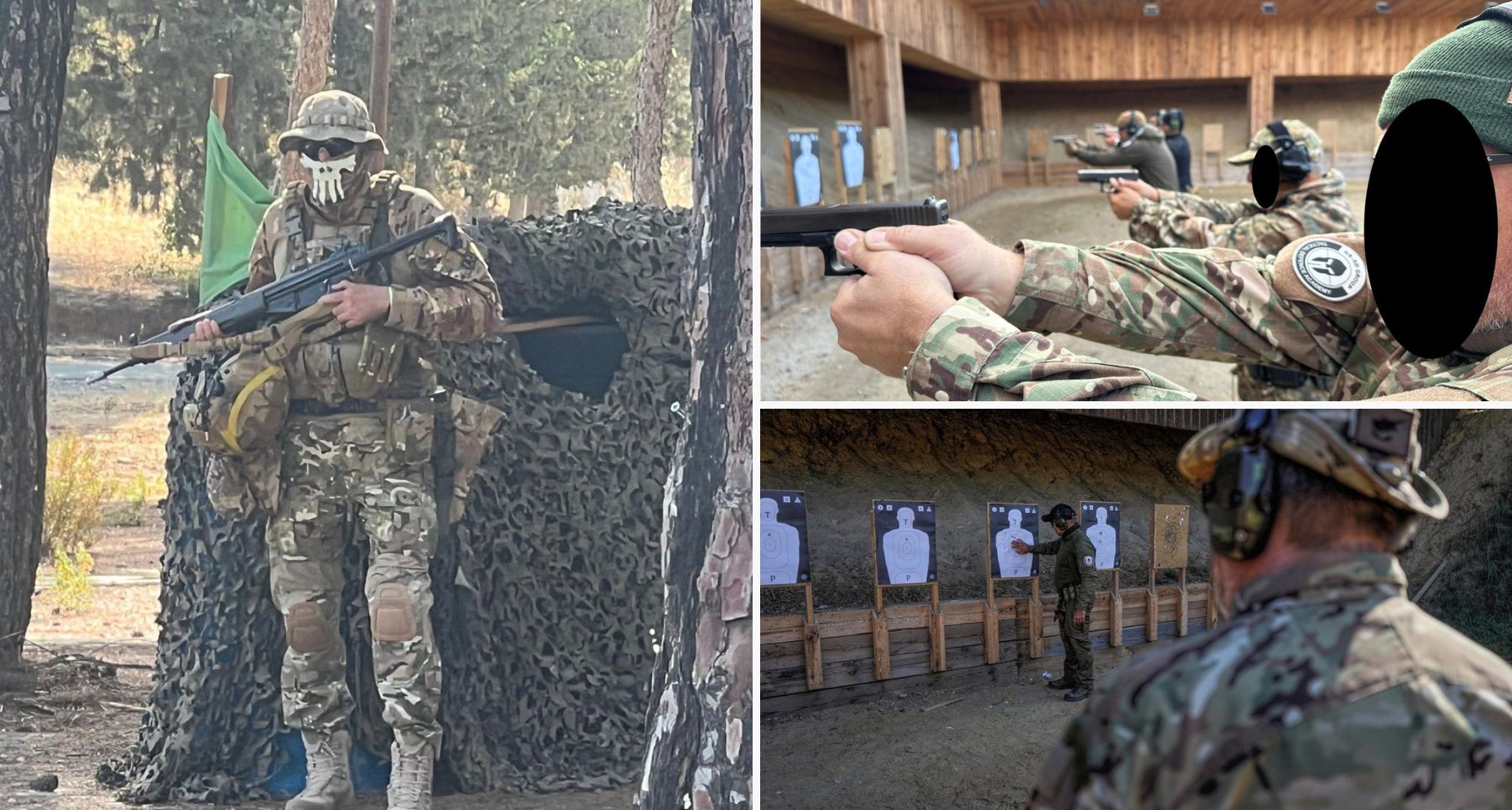
    Hundreds of Cypriots are seeking private military training abroad due to a legal ban on such instruction within Cyprus. According to sources from Phileleftheros, a professional military instructor operating overseas has confirmed a significant rise in interest among citizens keen to develop their military skills.

    Photo: in-cyprus.philenews.com

    The demand for this specialised training has escalated as individuals express concerns about their ability to handle basic military techniques, such as properly holding a weapon or applying a tourniquet effectively in emergencies. This situation has led to the emergence of what some are calling a “secret army,” a group of individuals trained outside of Cyprus due to the country’s restrictive laws.

    Photo: in-cyprus.philenews.com

    Cypriot legislation, specifically Article 55 of Chapter 154 of the Criminal Code, prohibits private military or tactical training, classifying it as a felony with penalties of up to seven years in prison. Any military training involving weapons or tactical drills on Cypriot soil is strictly regulated and requires permission from the Council of Ministers. Notable exceptions exist, such as the Israeli Defence Forces (IDF), which have received annual authorisation to conduct exercises in the Paphos area.

    Those seeking training have turned to well-known private military companies (PMCs) across Europe, including ESA in Poland, Alfa-Metal in Bulgaria, Anti Terror Academy, and Hard Task Training in the Czech Republic. The high cost of this training has not deterred many, as citizens prioritise acquiring essential skills.

    In light of this growing demand, private instructors and companies are advocating for legislative reform to allow for regulated military training within Cyprus. They argue that with the proper legal framework, they could provide tailored instruction to civilians and National Guard personnel alike. One instructor stated, “We can offer training in portable weaponry, small-scale tactics, anti-drone jammer technology, and combat first aid, among other areas.” This suggests a broader push for collaboration between the National Guard and the private sector, which has been successfully implemented in various European Union member states.

    As the reserve force is viewed as a crucial component of the National Guard’s operational strategies, there is increasing pressure on state officials to enhance the quality of training available to those who seek it. The current reserve system is often perceived more as an obligation rather than a valuable opportunity for effective instruction.

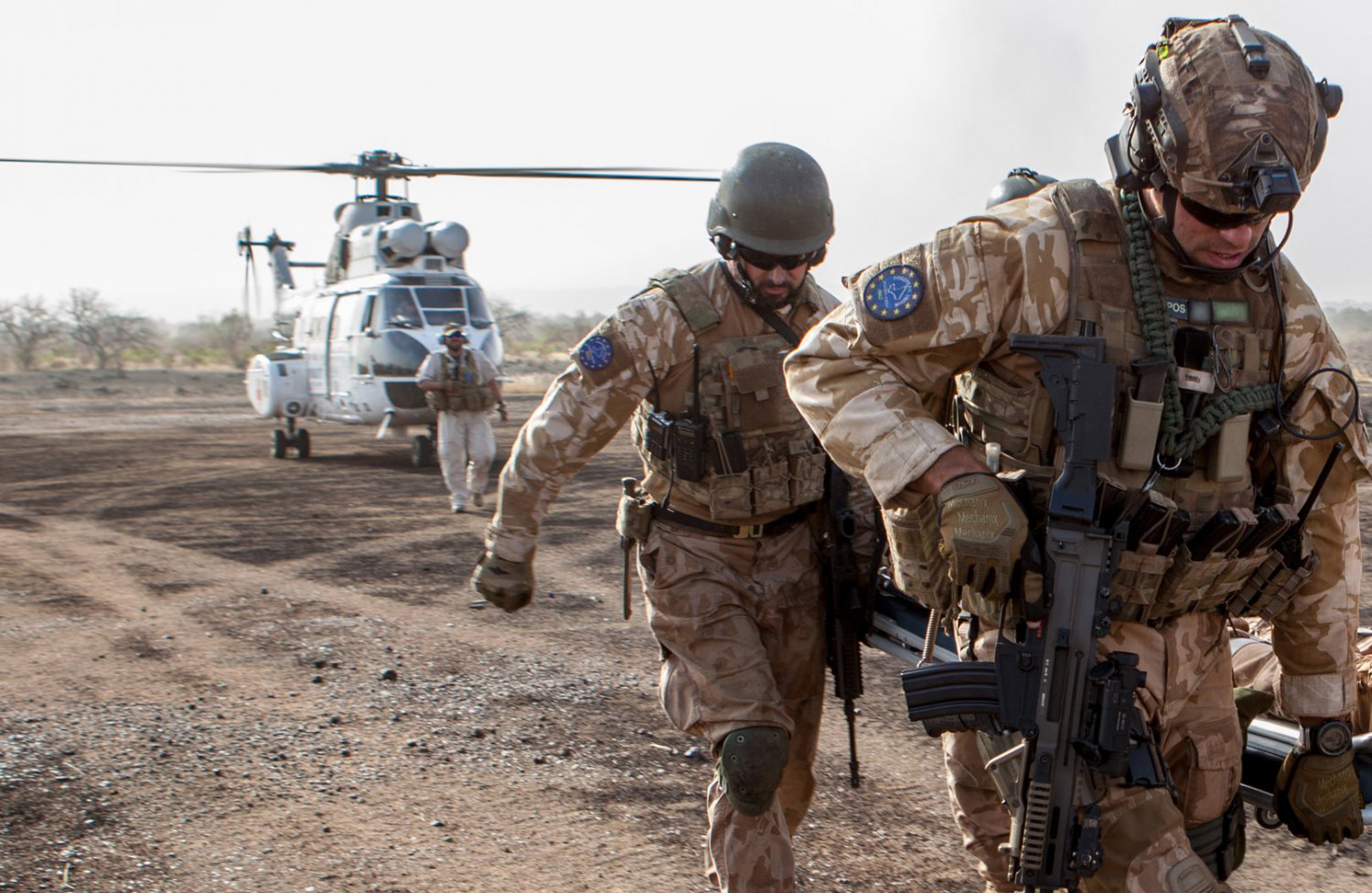
    Adding to the narrative, many private trainers are already involved voluntarily in the Rapid Reaction Forces (RRFs) across Cyprus. Established through a Cabinet decision in 2021, these volunteer units are part of the National Guard’s plans to provide immediate responses during crises in populated areas before full mobilisation takes place. The volunteers leverage their professional military expertise to train other members, enhancing the overall capability of the National Guard.

    Despite their dedication, RRF volunteers and their supporting instructors often bear the costs of their training initiatives personally, with limited institutional backing. Many believe that improved state support and resources, along with clear legal recognition of their efforts, could significantly bolster the National Guard’s deterrent capabilities and operational readiness.

  • Cyprus Secures €1.18 Billion in EU Defence Funding Through SAFE Regulation

    Cyprus Secures €1.18 Billion in EU Defence Funding Through SAFE Regulation

    eu defence — Cyprus has secured funding exceeding €1.18 billion for defence through the European Union’s SAFE regulation, Government Spokesman Konstantinos Letymbiotis announced on Friday.

    • eu defence — Cyprus has secured funding exceeding €1.18 billion for defence through the European Union's SAFE regulation, Government Spokesman Konstantinos Letymbiotis announced on Friday.
    • A preliminary list already exists, which will be refined in the coming period, taking into consideration the operational priorities of the National Guard and the government's strategic objectives.
    • In this context, efforts are also being made to upgrade the air base in Paphos and the naval base at Mari, with contributions from both the United States and the European Union.
    • “At this stage, Turkey and Turkish companies do not have access to this regulation,” he concluded.

    During a media briefing at the Presidential Palace, Letymbiotis stated that the Republic of Cyprus is actively participating in the SAFE regulation, which is designed to provide financial assistance to EU member states for immediate defence needs and to enhance collective security.

    Letymbiotis emphasised the significance of this funding amidst the current international situation, noting that Cyprus had submitted its intention to utilise the mechanism in a timely manner. On 9 September 2025, the European Commission announced the allocation of funds, with Cyprus’s share totalling €1,181,503,924.

    This substantial amount is particularly noteworthy given the size of the Republic of Cyprus, demonstrating the trust placed in the country and its capability to leverage European resources for strengthening defence and deterrent power.

    The Ministry of Defence, in collaboration with the General Staff of the National Guard, is currently processing a list of armaments programmes that will be included in the investment plan. This plan is set to be submitted to the European Commission by 30 November 2025 at the latest.

    A preliminary list already exists, which will be refined in the coming period, taking into consideration the operational priorities of the National Guard and the government’s strategic objectives.

    Letymbiotis explained that the SAFE programme spans five years, with funding averaging approximately €220-230 million annually. These amounts will be adjusted according to the needs and capabilities of the Republic of Cyprus.

    He highlighted the government’s priority of bolstering the Cypriot defence industry, aiming to utilise these programmes to enhance domestic production, promote international collaboration, and contribute to the improvement of the National Guard and Cyprus’s involvement in European and global defence value chains.

    In tandem with this, Cyprus is also taking advantage of recent US decisions to include the country in various defence programmes, such as Excess Defence Articles (EDA) and Foreign Military Sales (FMS). Cyprus has already reached out to the US Pentagon with a verbal request for specific weapons systems from surplus American military stocks as part of its plan to strengthen the National Guard.

    Teams from the National Guard are expected to travel to the United States soon to inspect and evaluate the requested weapons systems. Letymbiotis noted that this strategic cooperation with the US is part of a broader effort to deepen relations in the defence and security sectors.

    “Alongside the European dimension through SAFE, bilateral relations with Washington provide Cyprus with access to modern equipment, often at low cost or for free, which will aid in modernising the National Guard and fortifying our deterrent capabilities,” he stated.

    In this context, efforts are also being made to upgrade the air base in Paphos and the naval base at Mari, with contributions from both the United States and the European Union.

    Addressing questions about Turkey’s application to join the SAFE regulation programme, Letymbiotis clarified that the current provisions remain unchanged. He referenced statements from EU and Commission officials regarding the programme’s clear stipulations that require a candidate state to agree to a bilateral agreement with the EU, necessitating the approval of all 27 member states.

    “At this stage, Turkey and Turkish companies do not have access to this regulation,” he concluded.

  • Tragic Mackenzie Collision Claims Life of Teenage Soldier

    Tragic Mackenzie Collision Claims Life of Teenage Soldier

    mackenzie collision — A 19-year-old National Guard soldier from Aradippou has died following injuries sustained in an incident at the Mackenzie area on Monday night.

    • mackenzie collision — A 19-year-old National Guard soldier from Aradippou has died following injuries sustained in an incident at the Mackenzie area on Monday night.
    • Christos Christaki passed away at approximately 6:10pm today at the American Medical Center in Nicosia, as confirmed by police. Arrangements are currently being made for a post-mortem examination.

    Christos Christaki passed away at approximately 6:10pm today at the American Medical Center in Nicosia, as confirmed by police. Arrangements are currently being made for a post-mortem examination.

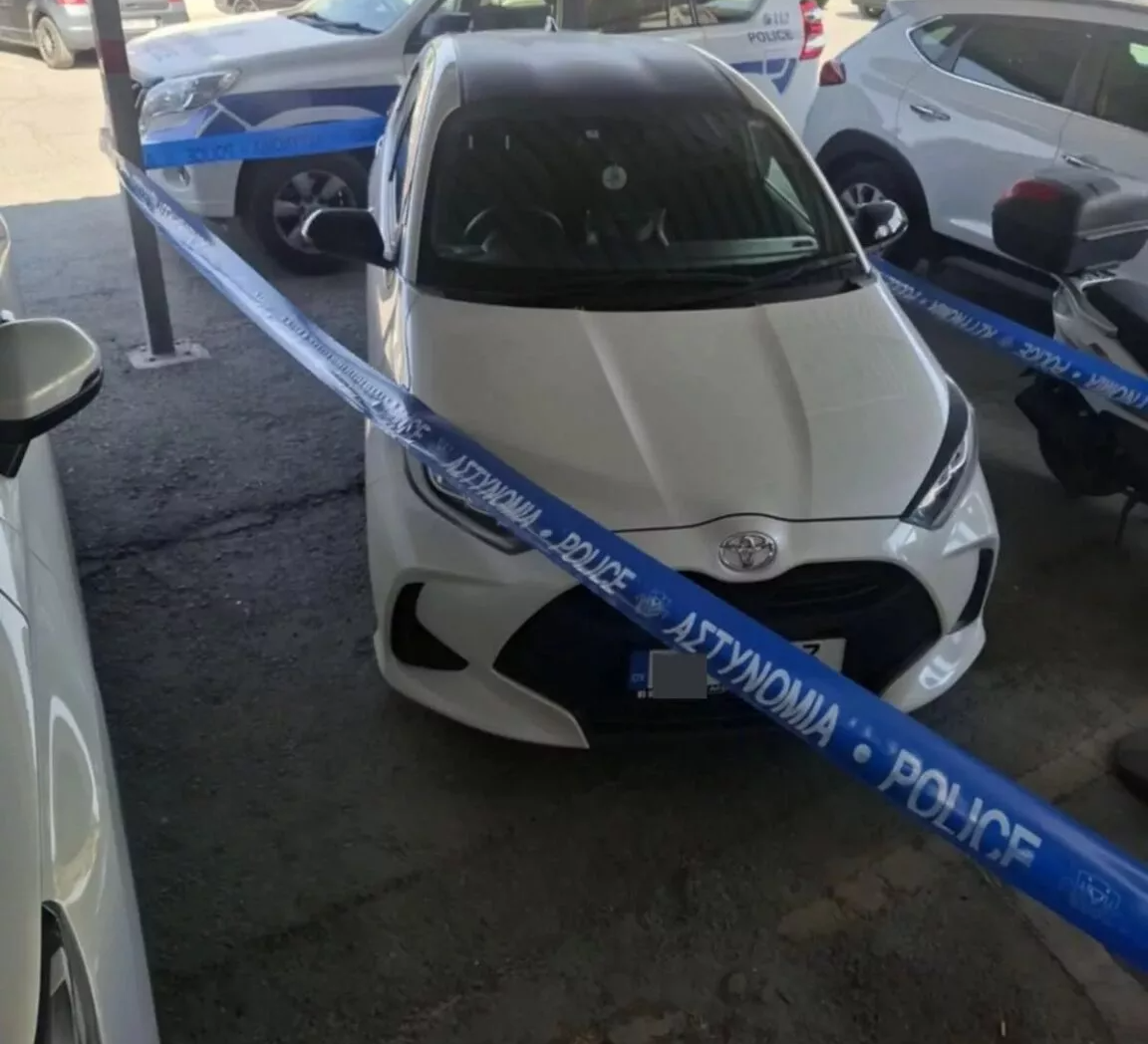
    The unfortunate event took place around 11:30pm on Monday in the main car park behind Mackenzie’s entertainment venues. A group of friends, primarily National Guard soldiers on leave, had just exited a local restaurant and were preparing to get into their vehicles to head home.

    Initial witness statements described the tragic occurrence as a traffic accident. According to these early accounts, a 19-year-old driver, along with a passenger of the same age, accidentally struck Christaki while attempting to approach him so he could board the vehicle. Witnesses reported that the young soldier fell to the ground, suffering a serious head injury.

    However, developments in the investigation led to significant changes in the case’s circumstances. A voluntary statement from the 19-year-old driver prompted Larnaca CID to take over the investigation on Tuesday afternoon, resulting in the arrest of the suspect.

    The driver was detained and later released, but investigations are ongoing under the direction of Larnaca CID. The community is left in mourning, grappling with the loss of a young life under such tragic circumstances.