Tag: Natura 2000

  • Illegal Earthworks Threaten Paphos Monk Seal Habitat

    Illegal Earthworks Threaten Paphos Monk Seal Habitat

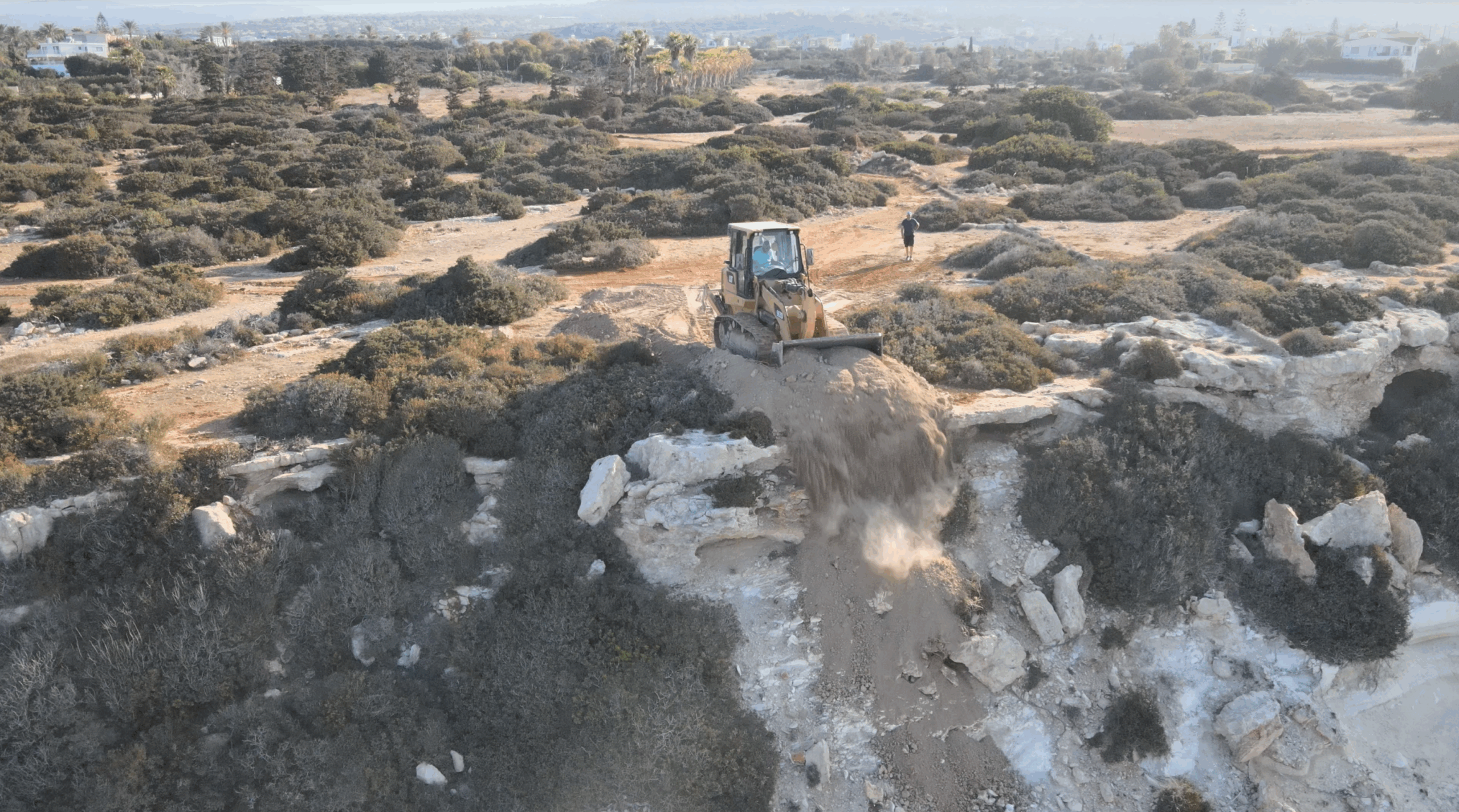
    Environmental group Terra Cypria has raised alarms over illegal earthworks threatening monk seal habitats in the Akamas Peninsula. The organisation has lodged formal complaints with both the Interior and Agriculture ministers regarding extensive excavation, landfill, and levelling operations occurring in the Asprovikla area.

    Photo: in-cyprus.philenews.com

    These operations are situated on plots adjacent to Natura 2000 network sites and strictly protected zones, including the Peyia Sea Caves Natural Micro-Reserve and the Peyia Marine Protected Area. The sea caves serve as a vital breeding ground for the Mediterranean monk seal, the most endangered seal species globally, and the only type in the Mediterranean.

    Terra Cypria claims that the illegal works have been conducted outside urban development zones and within designated coastal protection areas, involving land not owned by any known local businessman. The organisation has formally requested confirmation from authorities on whether the necessary planning or building permits were obtained, and if required environmental assessments were conducted.

    The municipalities of Akamas and the Environment Department have also filed complaints and taken administrative action against the alleged offender. They have informed the Paphos District Local Government Organisation to pursue further action within its competencies.

    The complaints were initiated following a citizen report made on 26 August, which documented large-scale land-clearing activities within plots 411, 434, and 435 of Akamas Municipality in Paphos district. This report, supplemented by photographic and satellite evidence, highlights the severity of the situation.

    Terra Cypria emphasised that these activities are occurring outside designated development boundaries, specifically within the Coastal Protection Zone as outlined by national legislation. The operations are alarmingly close to two Natura 2000 zones: the Akamas Peninsula Special Area of Conservation (CY4000010) and the Akamas Peninsula Special Protection Area (CY4000023), as well as bordering the Peyia Sea Caves Natural Micro-Reserve and the Peyia Sea Caves Marine Protected Area, both of which are protected by decisions from the Council of Ministers.

    The organisation reminded officials that projects within or near protected areas must undergo strict environmental assessments and adhere to both national and European legislation. In cases of confirmed violations, Terra Cypria demands that immediate sanctions be imposed.

    Letters detailing these concerns were sent to various officials, including the Auditor General and the Environment Commissioner, as well as representatives from the Department of Town Planning, Land Registry, and the Paphos District Administration. Terra Cypria has requested written responses within a month, as mandated by environmental legislation. They insist that such illegal activities pose a significant threat to biodiversity, the natural landscape, and the rule of law, especially when conducted without the knowledge or approval of competent authorities.

  • Cyprus Considers New Access Road to Paphos Airport Amid US Military Recommendations

    Cyprus Considers New Access Road to Paphos Airport Amid US Military Recommendations

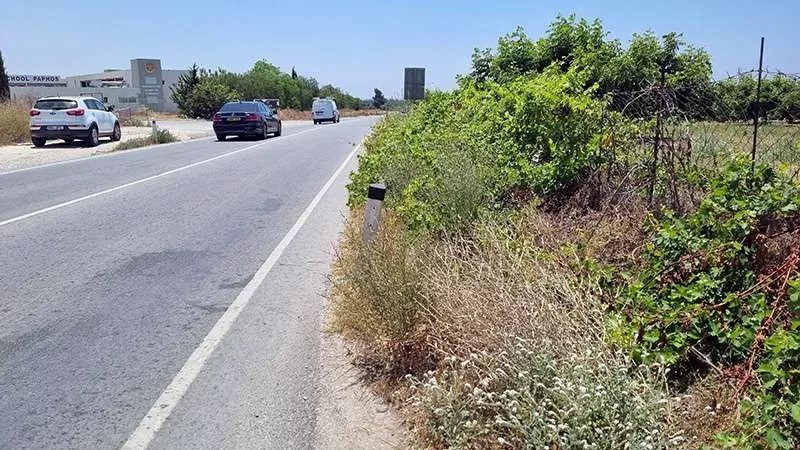
    paphos airport — paphos airport — Cyprus is examining proposals for a second road access to Paphos International Airport and the Andreas Papandreou airbase following recommendations from the United States, marking a significant shift in prioritising national security over environmental concerns.

    The Defence Ministry has begun discussions with relevant authorities after receiving the US proposal, which deems the alternative route crucial for operational adequacy and emergency access to the military facility. A formal proposal is expected to be submitted to the Council of Ministers to advance the necessary procedures.

    Paphos airport: Proposed Coastal Route’s Environmental Challenges

    The envisioned coastal road would link Paphos International Airport with the tourist area of Paphos-Geroskipou, traversing the mouth of the Ezousas River within the Natura 2000 Special Protection Area that encompasses the estuaries of the Ezousas, Xeros, and Diarizos rivers.

    Environmental authorities have long opposed any road construction in this region, citing potential severe impacts on local ecosystems. The latest Special Ecological Assessment Report from June 2023 warned that the coastal road would lead to “serious, negative and irreversible impacts” on various species and habitats protected under EU regulations.

    Decades of Environmental Opposition

    For over twenty years, the Environmental Authority has consistently rejected road construction proposals, with studies conducted in 2005, 2009, 2016, 2017, 2022, and 2023 all highlighting significant threats to endangered sea turtle species and various wild bird populations. Officials argue that enhancing existing road infrastructure presents a more environmentally sound alternative.

    US Military’s Role in Infrastructure Planning

    The push for the new road access stems from recommendations by the 435th Contingency Response Squadron of the US Air Force, which is stationed in Germany. After two inspection visits to Cyprus, the unit outlined specific technical and operational proposals as part of an airbase upgrade programme.

    Reports indicate that the Andreas Papandreou airbase has begun to serve humanitarian missions, civilian evacuations, and as a transit hub. The US military’s involvement in planning includes runway extensions, hangar construction, and the development of a modern communications centre.

    Funding and Strategic Direction

    During President Christodoulides’s official visit to Washington on 30 October 2024, US financial support for the infrastructure project was confirmed, with commitments reportedly remaining intact following the recent presidential election.

    The Defence Ministry, in coordination with US military experts, is looking to weave this project into a broader dual-use infrastructure strategy that combines military and civilian applications, reflecting a new emphasis on national security in decision-making.

  • Glamping site — Glamping Site Approved Near Natura 2000 Protected Area in Paphos

    Glamping site — Glamping Site Approved Near Natura 2000 Protected Area in Paphos

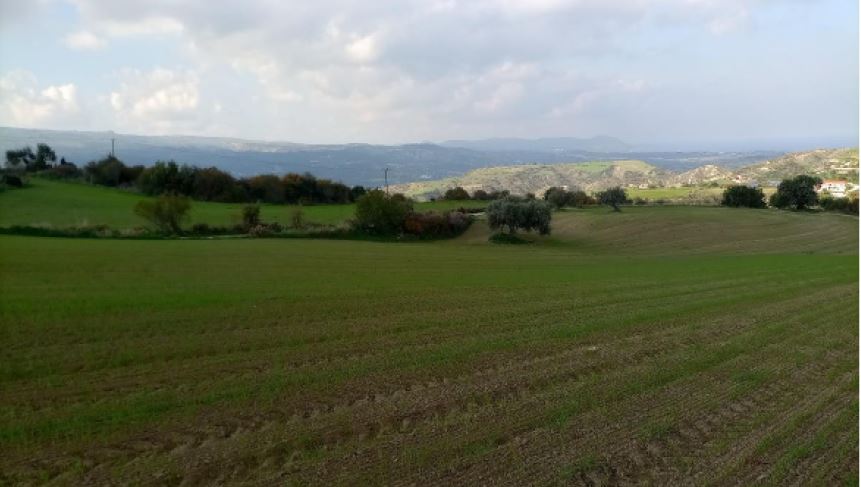
    A new glamping site has been approved near the Natura 2000 protected area known as Sarama Valley in Peristerona, Paphos. This development is set just 125 metres from the protected zone, raising environmental considerations that have been addressed in a recent assessment report.

    Photo: cyprus-mail.com

    Glamping site: Assessment Report Supports Construction

    The environmental department’s approval followed a special assessment report dated August 1, which concluded that the proposed facility’s construction would not result in “irreversible damage.” This report was conducted by I.A.CO Environmental & Water Consultants Ltd, based in Nicosia.

    Site Details and Amenities

    The glamping site will cover an area of 22,743 square metres of agricultural land. A portion of this, specifically 3,034 square metres, will be dedicated to public spaces, which will include green areas and community facilities.

    Construction plans include 20 dome-shaped cabins covering a total of 419.51 square metres. The project, estimated to cost €1 million, is expected to be completed within 12 months, aiming to operate year-round.

    Visitor Capacity and Facilities

    The facility is designed to accommodate an average of 54 guests, with the potential to host up to 72 guests during peak holiday months from May to September. Amenities will feature an amphitheatre, playground, dining spaces, a biological wastewater treatment plant, and 35 parking spaces, enhancing the visitor experience.

    Environmental Considerations Addressed

    At its closest point, the glamping site is adjacent to the Natura 2000 area, which is home to various endangered bird species and plants. However, the assessment report indicated that the development would not obstruct migratory bird pathways, as the site does not overlap with designated transit corridors.

    The environmental department noted that the proposed project area has previously been used for agricultural purposes, which included wheat cultivation. The area was found to contain several types of flora, none of which are listed in the official record of rare and endangered plants in Cyprus.

    Potential Impacts and Mitigation Measures

    While the report highlighted the potential for habitat reduction, species disturbance, and increased noise from the construction, the department outlined several measures to mitigate these effects. These include:

    • Utilisation of the existing electricity grid instead of creating a new one
    • Limiting the number of guests
    • Planting 250 new trees
    • Implementing strategies to reduce light and noise pollution

    The findings led the department to conclude that the project’s construction and operation could proceed, provided that specific restrictions were adhered to, effectively minimising the potential impact on local wildlife.

    Community and Conservation Perspectives

    BirdLife Cyprus, a key stakeholder in the discussions surrounding the project, initially raised concerns. However, after reviewing revised plans presented by the developer, many of these concerns were addressed.

    Tassos Shialis, campaigns coordinator for BirdLife Cyprus, noted that modifications included the removal of open fire spaces and relocating the domes further away from the protected area. As a result, BirdLife Cyprus did not oppose the project during their second meeting, on the condition that the environmental conditions outlined in the permit approval were strictly followed.

    These conditions aim to prevent light pollution through the installation of down-lighting systems, avoid unnecessary expansion of the electricity grid, minimise noise pollution, and restrict construction activities from March to July, protecting local wildlife during critical periods.

    Future of Glamping in Paphos

    The approval of this glamping site marks a significant step towards promoting eco-tourism in the region while balancing environmental conservation. As the project progresses, it will be essential to monitor the adherence to the stipulated conditions to ensure minimal disruption to the surrounding ecosystem.

    As interest in unique accommodation options continues to grow, this development could set a precedent for future projects in sensitive areas, demonstrating that it is possible to enjoy nature responsibly while providing visitors with memorable experiences.