Tag: natural gas

  • Cyprus Faces Significant Energy Challenges in 2026

    Cyprus Faces Significant Energy Challenges in 2026

    Cyprus’ energy challenges are set to intensify in 2026, as experts warn that unresolved issues from the current year will continue to affect the sector. Persistent high electricity prices and potential rolling power cuts loom large on the horizon.

    • With so many unresolved issues, stakeholders are urged to take swift action to ensure a more sustainable energy future for Cyprus.
    Energy challenges: Urgent Decisions Required

    According to Constantinos Hadjistassou, a professor at the University of Nicosia who specialises in energy, the leeway for errors in Cyprus’ energy decision-making is critically low. He emphasised the need for increased coordination among policymakers and experts to address the pressing challenges ahead.

    High Electricity Prices

    Energy expert Charles Ellinas echoed Hadjistassou’s sentiments, stating that the energy sector remains one of Cyprus’ most problematic areas. Despite some successes in 2025, the lack of tangible results necessitates urgent attention to the high cost of electricity, which is not expected to decrease in 2026.

    Ellinas highlighted that Cyprus has the highest per capita carbon dioxide emissions in Europe, primarily due to its reliance on diesel and heavy fuel oil for electricity generation. He stressed the urgent need to transition to natural gas to mitigate these emissions.

    Challenges with LNG and Natural Gas

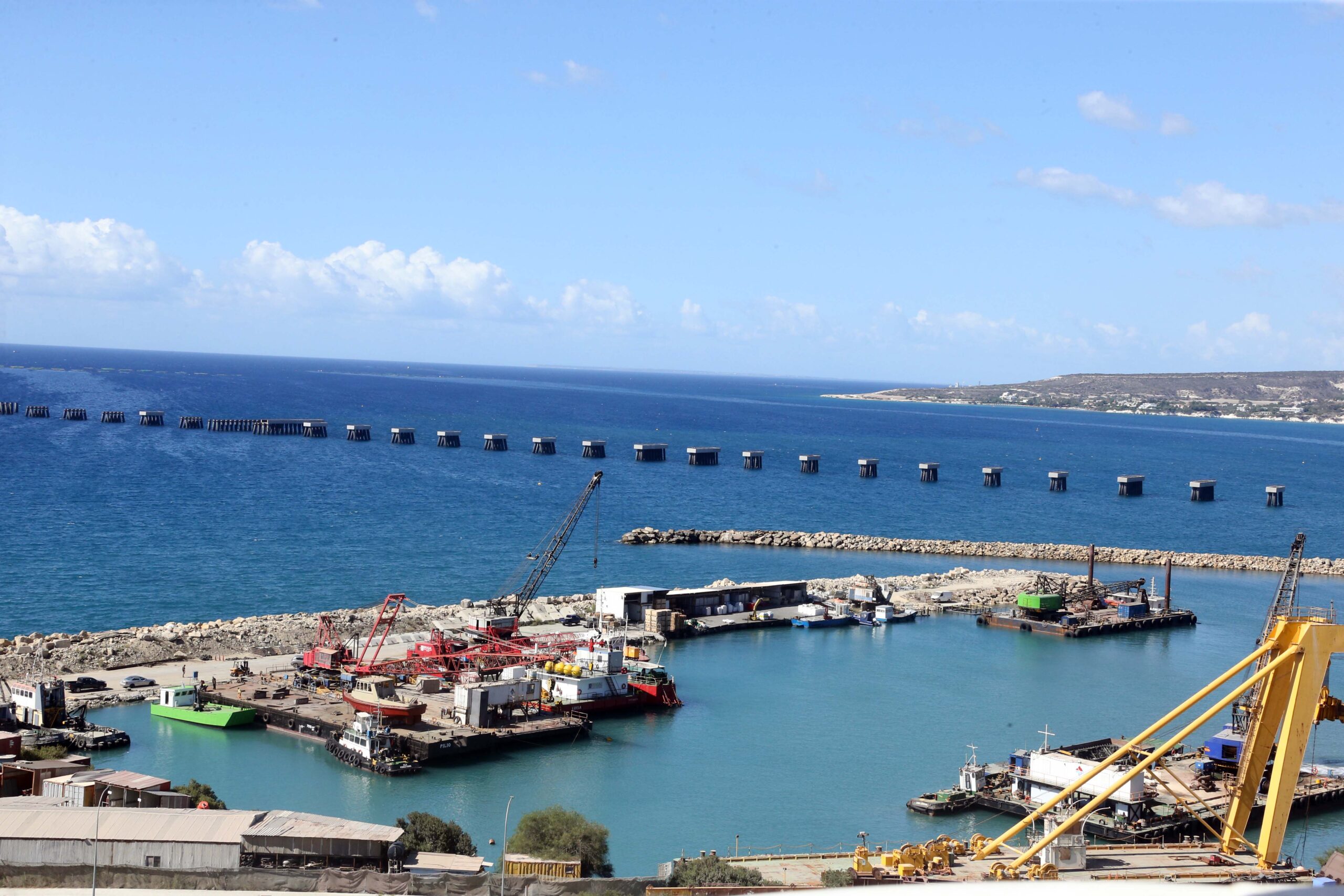
    The LNG import project at Vasiliko continues to face difficulties, with experts noting that the completion of the pier construction is straightforward from an engineering perspective. However, the lack of a clear plan or timetable hampers progress. If completed, the project could allow Cyprus to benefit from lower LNG prices expected in 2026.

    Energean has proposed supplying natural gas through a submarine pipeline from its fields in Israel, contingent on the opening of Cyprus’ natural gas market. Hadjistassou pointed out that the energy ministry has several options available for early 2026, but delays in transitioning from diesel to natural gas will burden Cypriots with high electricity prices.

    Offshore Gas Exploration Prospects

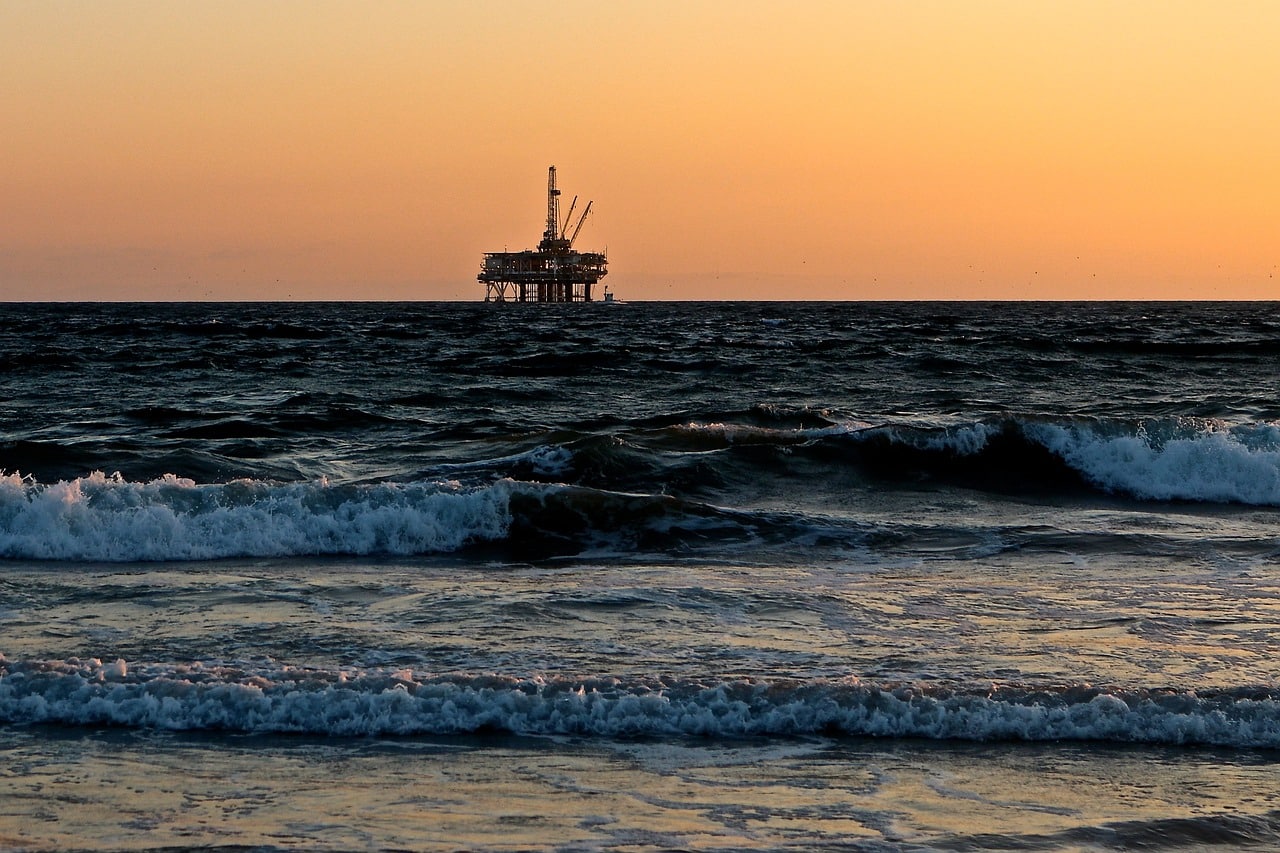
    Looking ahead, the development of the Kronos gas field is anticipated to proceed quickly, with exports to Egypt expected by early 2028. However, Ellinas cautioned that while this may yield political advantages, it will not significantly enrich Cyprus, with profit shares expected to be less than 0.7 per cent of the annual budget.

    The progress of the Aphrodite gas field remains uncertain. Despite the resolution of disputes with Israel, Chevron must decide on investments in 2026 to move forward. With a focus on high-yield projects, Chevron’s low capital expenditure plan complicates progress on the Aphrodite project, which is estimated to cost $4 billion.

    International Collaborations and Infrastructure Projects

    The EEZ delimitation agreement with Lebanon, although politically significant, is not expected to yield direct benefits. Hadjistassou noted that Chevron is prioritising other projects, such as gas agreements with Egypt, over the Aphrodite field.

    Ellinas mentioned the Great Sea Interconnector, a proposed subsea cable linking Cyprus and Greece, which needs decisive action to become operational by the planned 2030-2031 date. The project has received backing from the European Commission and Greece, fostering hope for its advancement despite ongoing governmental ambivalence.

    Recent Developments in the Interconnector Project

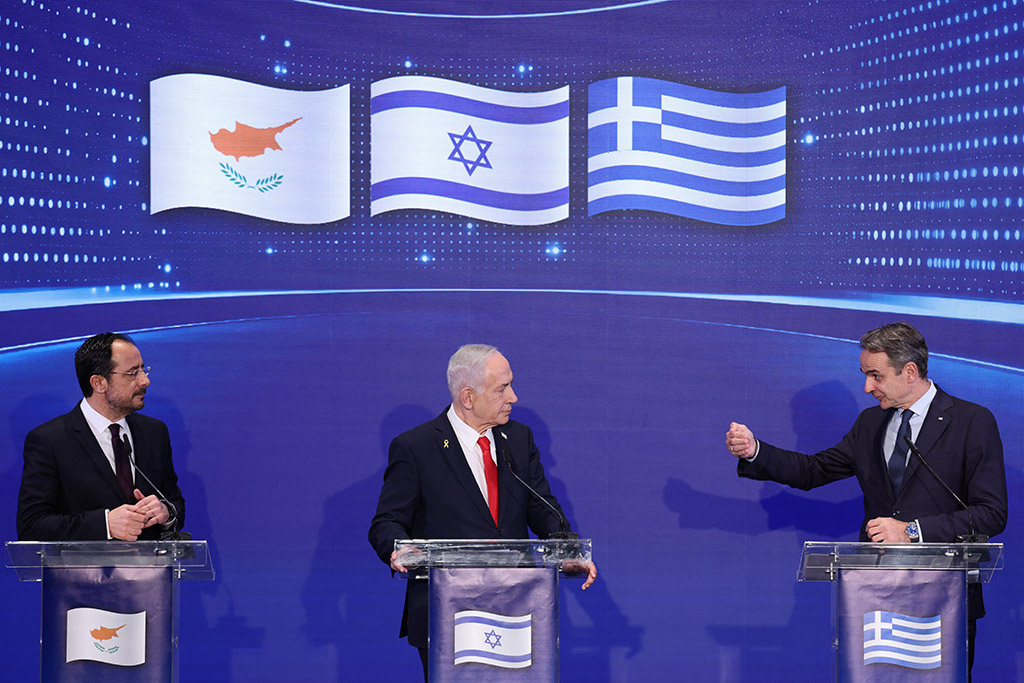
    The trilateral agreement between Cyprus, Greece, and Israel on December 22 aims to promote the Great Sea Interconnector, linking it to the India-Middle East-Europe Economic Corridor (IMEC). Israeli Prime Minister Benjamin Netanyahu underscored the significance of this collaboration, highlighting its potential to enhance energy connectivity between Europe, Asia, and the Arabian Peninsula.

    Despite the commitment, Hadjistassou referred to the project as the “not-so-Great Sea Interconnector” due to lingering uncertainties about its viability and investor interest. The financial burden of the project will largely fall on Cypriot taxpayers, raising concerns about the effective use of funds.

    Renewable Energy Integration Challenges

    As Cyprus grapples with its energy transition, integrating renewables into the grid remains a pressing issue. Hadjistassou warned that power cuts are likely to increase in 2026, particularly during periods of low electricity demand when the generation from renewable sources peaks. Without adequate battery storage, a significant portion of this generated electricity could go to waste.

    He suggested that a portion of the surplus electricity could be redirected to desalination plants to combat water scarcity, highlighting the need for innovative solutions to manage excess electricity.

    The Future of Electricity Supply

    Another critical concern for 2026 will be ensuring a stable electricity supply on the island. With the increasing reliance on renewable energy, the Dhekelia power plant’s role in maintaining grid stability is becoming more crucial. Although the Electricity Authority of Cyprus (EAC) plans to install gas turbines to enhance capacity, they will not be operational until 2028.

    In the meantime, the EAC expects to have a 160MWh battery bank at Dhekelia operational by summer 2026, which could help alleviate power cut issues. Additionally, the Transmission System Operator (TSO) aims to install another 400MWh of battery storage systems by mid-2026, further bolstering the island’s energy resilience.

    Looking Ahead

    Despite these initiatives, the cost of stored electricity will be higher than that generated from conventional sources and renewables, posing another challenge for consumers. As Ellinas summarised, 2026 is set to be another year of significant energy challenges for Cyprus, with urgent priorities including completing the LNG import project, enhancing electricity storage, upgrading the grid, increasing renewable energy installations, and deciding on the Great Sea Interconnector.

    With so many unresolved issues, stakeholders are urged to take swift action to ensure a more sustainable energy future for Cyprus.

  • Chevron’s Commitment Boosts Cyprus’ Energy Prospects

    Chevron’s Commitment Boosts Cyprus’ Energy Prospects

    The presence of Chevron in Cyprus’ maritime exclusive economic zone (EEZ) is viewed as a significant vote of confidence in the energy potential of Cyprus and Europe. This assertion was made by President Nikos Christodoulides during a recent meeting with Javier La Rosa, head of Chevron’s base assets and emerging countries organisation.

    At the presidential palace, Christodoulides expressed appreciation for Chevron’s involvement, highlighting its importance not just for Cyprus but also for the broader European energy landscape. “We appreciate your presence. It is a strong vote of confidence, not only for us, but also for Europe and the possibility of the region developing as an alternative source of energy for Europe,” he stated.

    The discussions between the two leaders came amid notable developments in the energy sector since their last meeting in New York in September. Christodoulides emphasised the urgency of completing pending agreements with Egypt, particularly concerning the Aphrodite gas field, to expedite its utilisation.

    Chevron is a key player in the agreement established between Cyprus and Egypt, which lays the groundwork for the commercialisation of gas from the Aphrodite gas field, located in Block 12 of Cyprus’ EEZ. This agreement is pivotal for facilitating the export of natural gas from Cyprus to Europe.

    In a recent update, Cyprus’ former energy minister, George Papanastasiou, revealed that a techno-economic study on Block 12 is underway, with expectations for completion by the end of next year. This study is critical, as it will inform the final investment decision regarding the transport of gas to the Segas liquefied natural gas (LNG) terminal in Damietta, Egypt.

    Seabed surveys commenced in June, aiming to identify a suitable location for the pipeline that will transport natural gas from Cyprus to Egypt. The initial objective is to facilitate the export of natural gas from the Aphrodite gas field to the Egyptian port city of Damietta.

    In a significant development, members of the Egyptian government visited Nicosia in September, announcing plans for the export of Cypriot natural gas to Europe via Egypt by 2027. This timeline reflects the growing collaboration between the two nations in leveraging their energy resources.

    Furthermore, natural gas from Block 6 of Cyprus’ EEZ, which includes the Kronos gas field, is also set to be transported to Damietta. The Egyptian government was designated as the host government for Block 6 in February, reinforcing its role in this energy partnership.

    Papanastasiou previously noted that the agreements for Blocks 6 and 12 comprehensively address the entire supply chain, from liquefaction in Damietta to the eventual export of LNG to European markets.

    Expressing optimism about the cooperation between Cyprus and Egypt, Egyptian Petroleum Minister Karim Badawi stated in September, “Our cooperation in the energy sector with the Republic of Cyprus is very important and is expanding daily. We are here to support the Republic of Cyprus in the full development of its energy reserves, so that it can exploit them and make them available to its citizens and to European markets which need energy.”

  • Papanastasiou Engages with Egypt’s Badawi on Natural Gas Collaboration

    Papanastasiou Engages with Egypt’s Badawi on Natural Gas Collaboration

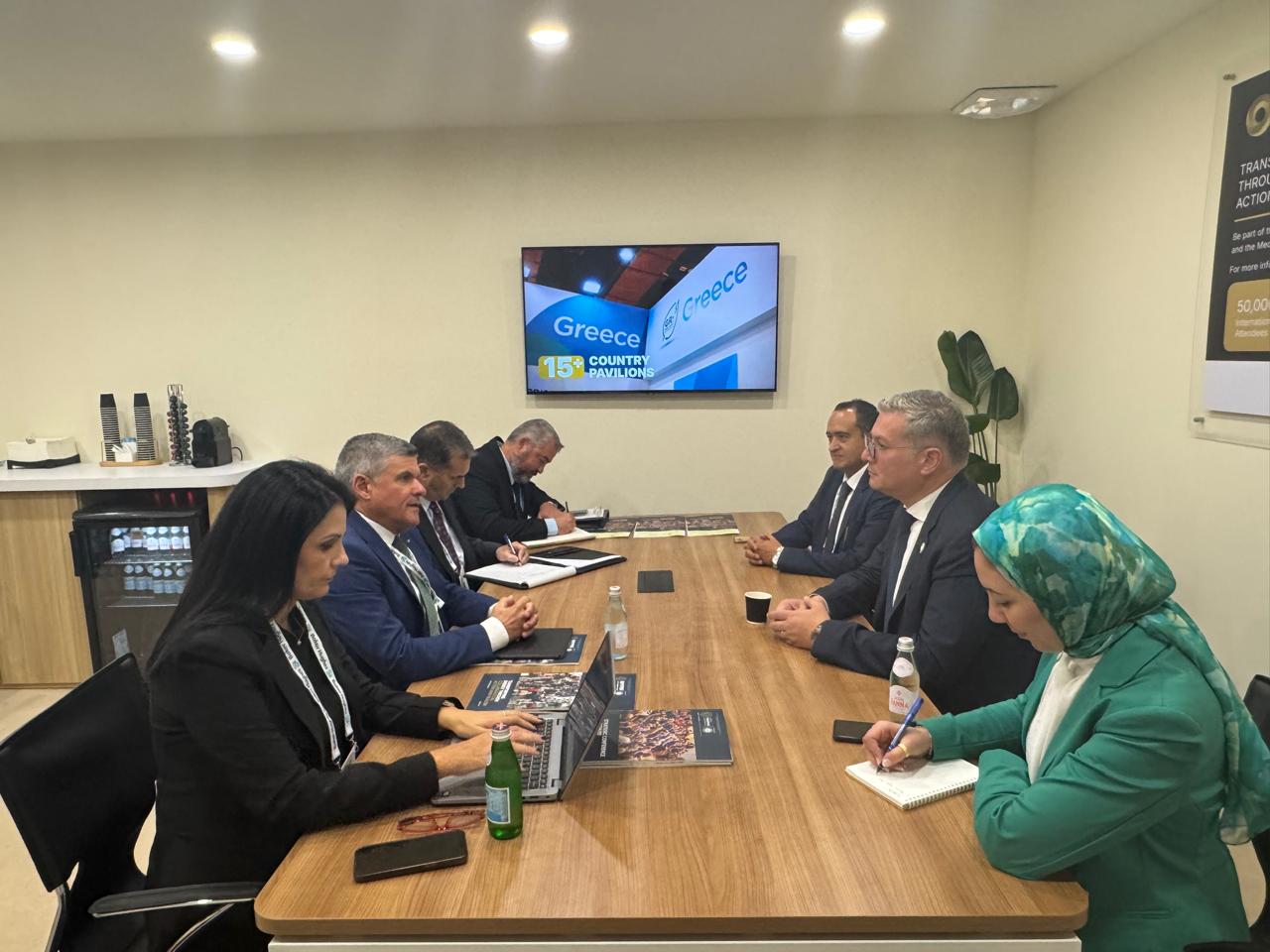
    Energy Minister George Papanastasiou met with Egypt’s Petroleum Minister Karim Badawi on Tuesday for a significant discussion focused on natural gas exploration in Cyprus’ maritime exclusive economic zone (EEZ).

    Photo: cyprus-mail.com

    • Papanastasiou also held discussions with Total’s CEO Patrick Pouyanne and Eni’s COO Guido Brusco on the same day, reinforcing the collaborative spirit between the companies.

    During their meeting, which Papanastasiou described as “results-oriented,” the two ministers aimed to expedite the connection of the Kronos natural gas field, located in Block 6 of Cyprus’ EEZ, to Egypt’s energy infrastructure by 2027.

    Photo: cyprus-mail.com

    This meeting followed a recent visit by Badawi and other Egyptian officials to Nicosia, where they announced plans for the export of Cypriot natural gas to Europe via Egypt in the coming years. Achieving this target hinges on a final investment agreement between the Egyptian government and the consortium of French multinational Total and Italian energy company Eni, who are responsible for the development of the Kronos field.

    In February, the Egyptian government was designated as the “host government” for Block 6, a crucial step towards facilitating the exploitation of these resources. Given the proximity of the Kronos reservoir to Egypt’s Zohr gas field, Eni has the advantage of leveraging its existing infrastructure to transport the natural gas to the Segas liquefied natural gas (LNG) terminal in Damietta.

    Papanastasiou also held discussions with Total’s CEO Patrick Pouyanne and Eni’s COO Guido Brusco on the same day, reinforcing the collaborative spirit between the companies.

    Last week, he emphasised that the planned agreements would encompass the entire supply chain, from the liquefaction of natural gas in Damietta to its eventual export to European markets. Seabed surveys intended to identify a sinking point for the pipeline connecting Cyprus’ EEZ to Egypt commenced in June, initially focusing on transporting gas from the Aphrodite gas field.

    This initiative followed an agreement signed by the governments of Cyprus and Egypt, along with American corporation Chevron, Israeli company NewMed Energy, and BG Group (owned by Royal Dutch Shell). This agreement, according to the Cypriot government, aimed to establish a framework for the effective commercialisation of the gas resources in the region.

    In their recent discussions, Badawi highlighted the potential for further collaboration between Cyprus and Egypt in the energy sector. While the initial focus remained on the Kronos gas field, he acknowledged ongoing efforts regarding the development of the Aphrodite gas field, situated in Block 12 of Cyprus’ EEZ. He noted that substantial progress had been made, reiterating the importance of their partnership.

    “Our cooperation in the energy sector with the Republic of Cyprus is very important and is expanding daily,” Badawi stated. “We are here to support the Republic of Cyprus in the full development of its energy reserves, so that it can exploit them and make them available to its citizens and to European markets which need energy.”

  • Concerns Mount Over LNG Project Viability at Vasiliko

    Concerns Mount Over LNG Project Viability at Vasiliko

    The future of the LNG project at Vasiliko is in jeopardy as design flaws and structural issues have raised serious concerns, potentially leading to its cancellation.

    • The future of the LNG project at Vasiliko is in jeopardy as design flaws and structural issues have raised serious concerns, potentially leading to its cancellation.

    Reports surfaced on Monday revealing that the project may have to be scrapped or completely redesigned due to unsafe materials and significant technical problems. This news follows a report from television channel Omega, which highlighted ongoing “design and materials issues” that have halted progress.

    A source quoted by Omega stated, “There are very serious technical issues, which make it impossible to continue the work at this time. That is why the work on the pier has been at a standstill for months, and no timetable has been given by the authorities for the completion of the work.” This lack of clarity has left stakeholders in limbo.

    In response to the unfolding situation, Energy Minister George Papanastasiou acknowledged the government’s efforts at “damage limitation.” To date, the troubled LNG project has cost taxpayers approximately €320 million, with an additional €70 million requested by the government in March.

    Adding to the concerns, a former director at the Transmission System Operator (TSO), Christos Christodoulides, confirmed the reported deficiencies. He disclosed that the sub-contractor responsible for constructing the jetty at Vasiliko has declined to accept responsibility for the materials and infrastructure, which reportedly require extensive repairs or even remanufacturing.

    Christodoulides raised questions about how the government would attract new bidders to take over the project under these circumstances. Furthermore, he indicated that the project manager might consider rebuilding certain infrastructures at Vasiliko due to the lack of certification for critical equipment and materials already in use.

    Sources have suggested that some components ordered by the previous Chinese-led consortium lacked safety certifications. This includes high-pressure valves essential for safe operations. Such revelations have led many to speculate about the integrity of the entire project.

    In light of these challenges, Christodoulides proposed an alternative strategy: piping natural gas from the offshore Aphrodite reservoir. This plan would involve constructing a pipeline from the reservoir to the existing infrastructures at Vasiliko, allowing for a more immediate and reliable supply of natural gas for electricity generation.

    Such a solution could meet the island’s energy needs with only approximately 0.6 billion cubic metres of natural gas per year, providing a feasible ‘Plan B’ while the LNG project remains uncertain. However, pursuing this option would require the government to renegotiate the development plan with the Aphrodite concession holders.

    Even before the Omega report, Minister Papanastasiou hinted at the need for a potential “course correction” regarding the LNG project. Initially awarded in 2019 with a 24-month deadline for completion, the project has seen multiple missed deadlines from the Chinese-led consortium, which ultimately terminated the contract in July 2023, citing irreconcilable differences with the Cyprus government.

    The floating, storage and re-gasification unit (Fsru), a critical component of the LNG project, remains stuck in a Malaysian port for fitting, illustrating the severe delays and complications that have plagued this initiative.