Tag: Nikos Christodoulides

  • Bahrain king: Christodoulides Commends Bahrain’s King for Visionary Leadership

    Bahrain king: Christodoulides Commends Bahrain’s King for Visionary Leadership

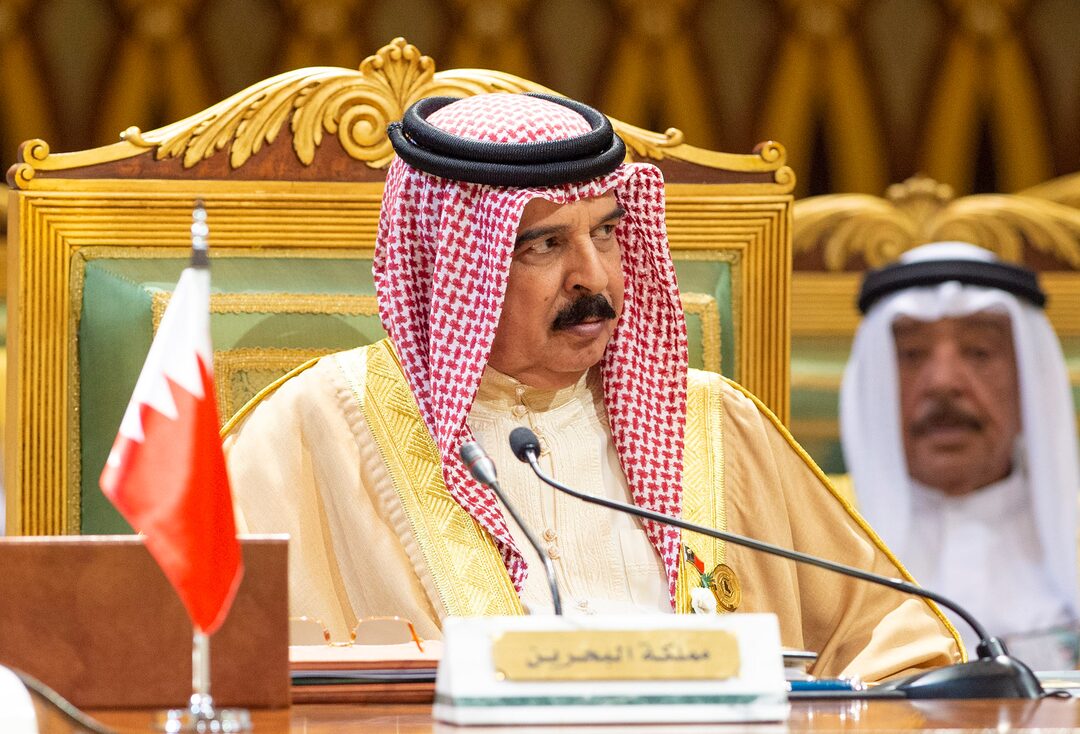
    bahrain king — bahrain king — President Nikos Christodoulides has praised the wise and visionary leadership of King Hamad bin Isa Al Khalifa of Bahrain during his two-day visit to the kingdom. In a heartfelt note written in the guestbook at the royal palace, Christodoulides expressed admiration for the king’s efforts in establishing Bahrain as a beacon of international cooperation, interfaith dialogue, and peaceful coexistence.

    • As discussions unfold during this significant visit, the future of Cyprus-Bahrain relations appears promising, with both nations poised to deepen their cooperation in various critical areas.
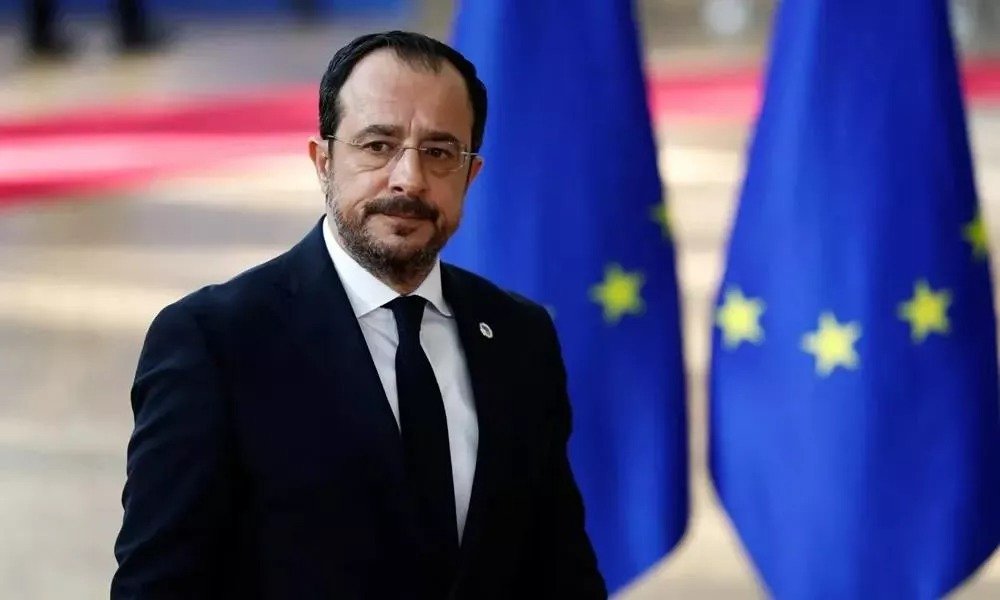
    Highlighting the strong bilateral relations between Cyprus and Bahrain, Christodoulides acknowledged the significant roles played by both the king and Prime Minister Salman bin Hamad Al Khalifa in advancing these ties. He remarked on their unwavering support, stating, “I wish his majesty a long and prosperous reign and the people of the Kingdom of Bahrain continued peace, prosperity, and success. May the friendship between our two countries last a long time.”

    On Sunday, shortly after his arrival, Christodoulides engaged in a private meeting with the king, which set the stage for extensive discussions between delegations from both nations. This visit is part of a broader strategy outlined by the Cypriot government to strengthen and deepen relations with Gulf states.

    Government spokesman Konstantinos Letymbiotis emphasised the importance of the visit, stating that it reflects a clear political will to enhance cooperation with Bahrain across various sectors, including politics, economy, energy, culture, and defence. According to Letymbiotis, the relationship has been developing steadily, culminating in the decision to establish a Cypriot embassy in Manama later this year.

    The inauguration of this embassy is set to take place during Christodoulides’ visit, with Foreign Minister Constantinos Kombos in attendance. Letymbiotis further described the visit as a reflection of Cyprus’ strategic choice to reinforce its role as a reliable and active partner in the region, particularly in promoting stability and cooperation between the European Union and Gulf states.

    Earlier this year, Christodoulides articulated his intention to leverage Cyprus’ geographical position to enhance relations between the EU and the Middle East during Cyprus’ presidency of the Council of the EU. He noted, “The Republic of Cyprus will not only continue but will also substantially strengthen its efforts to further strengthen relations between the EU and the countries of the wider Middle East region.” This indicates a commitment to fostering better ties and engagement in the region.

    As discussions unfold during this significant visit, the future of Cyprus-Bahrain relations appears promising, with both nations poised to deepen their cooperation in various critical areas.
  • Cyprus — Kombos Urges Turkey to Seize Opportunity in Cyprus Relations

    Foreign Minister Constantinos Kombos has called on Turkey to seize the opportunity regarding Cyprus and its evolving relationship with the European Union. In a recent interview with the newspaper Phileleftheros, Kombos addressed the potential invitation for Turkish Foreign Minister Hakan Fidan to an informal meeting of European foreign ministers in Limassol, scheduled for later this year.

    Kombos emphasised that Turkey is not excluded from the Republic of Cyprus, urging the nation to choose collaboration over self-exclusion. He referenced President Nikos Christodoulides’ proposal to invite Turkish President Recep Tayyip Erdogan to meet with EU member states and neighbouring countries in Cyprus in April. “Turkey is not excluded from the Republic of Cyprus, but Turkey must choose whether to insist on its own self-exclusion,” he stated. “We seek for Turkey to seize the opportunity, in connection with its Cyprus-related obligations.”

    Fidan had previously suggested that Cyprus’ six-month presidency of the Council of the European Union, which commenced last Thursday, could serve as a pivotal moment for Turkey. He lamented ongoing challenges posed by the Greek Cypriot administration, claiming they obstruct Turkey on the international stage. Despite these obstacles, he expressed hope for a softening of this stance in the near future. “They obstruct us whenever they get the chance. However, I think that in the face of the current threats which Europe is facing, cooperation and relations between the European Union and Turkey have become more meaningful than ever,” Fidan remarked.

    Fidan raised concerns about a potential Mediterranean agreement that would exclude Turkey, characterising such a proposal as “illegitimate” from their perspective. He claimed that the EU has historically acquiesced to what he described as the arrogance of the Greek Cypriot administration, which he believes threatens the EU’s security architecture.

    Meanwhile, Christodoulides’ overtures towards Erdogan have stirred controversy. Turkish Cypriot leader Tufan Erhurman responded critically to comments made by Christodoulides in an interview with French newspaper Le Figaro, where the Cypriot President stated his willingness to engage with Erdogan to discuss the Cyprus issue and work towards a negotiated settlement. Erhurman accused Christodoulides of disregarding the Turkish Cypriot community, asserting that their presence is crucial in any negotiations facilitated under the United Nations. “The Turkish Cypriot people exist. They are one of the two equal founding partners on the island, and we will not tolerate them being ignored or treated as if they do not exist through statements or agreements,” he said.

  • 2026 Marks a Transformative Period for Cyprus with EU Presidency

    2026 Marks a Transformative Period for Cyprus with EU Presidency

    The year 2026 will be a significant moment for Cyprus as it assumes the rotating presidency of the Council of the European Union for six months. President Nikos Christodoulides shared this news during his New Year address, highlighting the pride and responsibility associated with this role.

    A Proud Milestone for Cyprus

    President Christodoulides expressed that the upcoming presidency is a national mission, stating, “From tomorrow and for six months, our homeland assumes the presidency of the Council of the European Union.” He emphasised the importance of this term, noting that it will be only the second time Cyprus has held this position since joining the EU in 2004.

    Focus on Economic Growth and Social Policies

    As he welcomed the New Year, the President reflected on the nation’s economic progress, attributing it to responsible fiscal policies. He noted that Cyprus is currently experiencing conditions of full employment, zero inflation, and a significant reduction in public debt. “All of this translates into specific tangible results for the public, for the state, for our country,” he remarked, underscoring the benefits for citizens and the government.

    Investments in Public Welfare

    President Christodoulides outlined how economic growth allows for substantial investments in various sectors, including education, health, and housing. He remarked, “It allows us a targeted social policy,” which aims to improve everyday life for the public. This includes ongoing efforts to modernise the state, with a focus on bold reforms that enhance transparency and accountability.

    Reforming the State and Promoting Social Justice

    In his address, the President mentioned several reforms that his government is pursuing to address social needs and improve governance. This includes a tax transformation initiative that aims to restore balance between social justice and economic competitiveness. He stated, “The benefit returns directly to households, the middle class, families and businesses.”

    Educational Reforms on the Horizon

    Among the reforms, the President highlighted changes to the educational service, including new laws for the evaluation of teachers. He mentioned that these reforms are part of a broader strategy to enhance the quality of education and ensure that it meets contemporary standards.

    Legal and Electoral Reforms for a Better Future

    President Christodoulides also pointed to planned reforms within the legal service and the audit office, alongside initiatives for the state’s digital transformation. Notably, he discussed electoral reforms aimed at increasing civic participation, such as automatic voter registration and lowering the voting age from 18 to 17.

    Enhancing Pension Systems

    Another key area of focus is the pension system, with plans for substantial increases in pensions to support retirees. The President’s vision encompasses a comprehensive approach to governance that prioritises the well-being of all citizens.

    Five Priorities Guiding Governance

    As he approaches his third year in office, President Christodoulides outlined five key priorities for his administration. The first is an outward-looking foreign policy with a strong European and Western orientation. He stressed the importance of maintaining a resilient economy and modernising the state through continuous reforms.

    Commitment to Transparency and Accountability

    Another priority is the commitment to transparency, accountability, and the fight against corruption. Finally, the President highlighted the ultimate goal of improving the everyday lives of the public as a guiding principle for his government’s actions.

    Addressing Immigration and Enhancing National Security

    Internally, the government aims to tackle the challenges posed by immigration while reinforcing the nation’s security framework. The President reiterated the importance of establishing a rule of law and simplifying governmental procedures to better serve the public.

    International Engagement and Reunification Efforts

    On the international front, Christodoulides reiterated Cyprus’s commitment to a clear European and Western orientation, positioning the nation as a pillar of stability in the Middle East. He reaffirmed the ongoing efforts to resume discussions for the reunification of Cyprus, emphasising that this must be based on United Nations resolutions and European Union principles.

    A Vision for the Future

    Reflecting on the past and looking towards the future, President Christodoulides expressed satisfaction with the progress made since his election. He stated, “This is my promise, but also my obligation,” as he underscored his commitment to the Cypriot people, including those displaced and the relatives of the missing.

    Looking Ahead to 2026

    As Cyprus prepares to commence its EU presidency in 2026, President Christodoulides concluded with a message of hope and determination. “Happy new year to you all. Together, we are changing Cyprus, with a vision, strategic planning, and a clear plan.” The upcoming presidency represents not only a significant national milestone but also a pivotal opportunity for Cyprus on the European stage.

  • Humanitarian aid — New Humanitarian Aid Shipment for Gaza Arrives at Ashdod Port

    Humanitarian aid — New Humanitarian Aid Shipment for Gaza Arrives at Ashdod Port

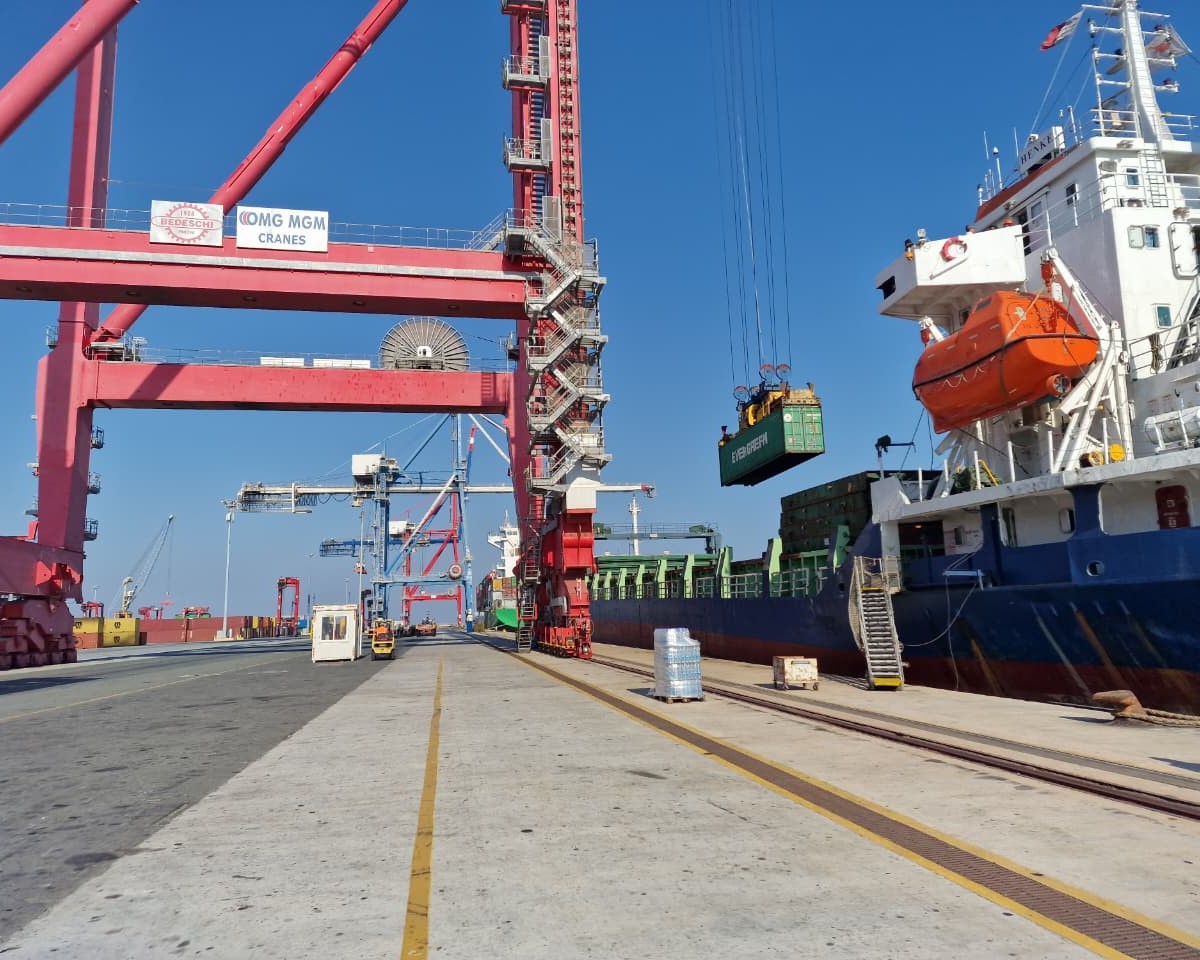
    A new humanitarian aid shipment for Gaza arrived late on Saturday at the port of Ashdod via the “Amalthea” maritime corridor, highlighting continued international support for the region.

    • A new humanitarian aid shipment for Gaza arrived late on Saturday at the port of Ashdod via the "Amalthea" maritime corridor, highlighting continued international support for the region.

    Successful Unloading of Aid

    According to the Cyprus News Agency (KYPE), the unloading of 950 tonnes of aid was completed successfully without any issues. This operation is a testament to the meticulous planning and coordination involved in delivering assistance to those in need.

    Details of the Shipment

    President Nikos Christodoulides announced that the recent shipment comprised 950 tonnes of humanitarian assistance, organised into 44 containers. The materials came from various countries, including Cyprus, the United Arab Emirates, France, Slovakia, and Kuwait.

    Contents of the Aid

    Viktoras Papadopoulos, Director of the President’s Press Office, confirmed that the aid includes essential food and hygiene items. The operation was conducted in collaboration with organisations such as the UN and UNOPS, alongside the UAE and other nations like France and Kuwait, as well as international humanitarian groups, including the World Central Kitchen.

    Ongoing Humanitarian Efforts

    This shipment represents the fifth delivery of humanitarian aid to Gaza since August, contributing to a total of 4,000 tonnes already dispatched during this period. Papadopoulos noted that since the activation of the Amalthea Plan in March 2024, a significant total of 30,000 tonnes of aid has been sent to Gaza.

    Future Shipments Expected

    The ongoing commitment to providing aid to Gaza is evident, with further shipments anticipated in January. The increased interest in utilising the Amalthea Plan further underscores the dedication of various nations and organisations in responding to the humanitarian needs of the region.

    A Collaborative Approach

    The success of these aid shipments is largely due to the collaborative efforts between multiple stakeholders, including governments and humanitarian organisations. This partnership is crucial in ensuring that the aid reaches those who need it most efficiently and effectively.

    The Importance of Humanitarian Aid

    Humanitarian aid plays a vital role in addressing the needs of vulnerable populations, especially in conflict-affected areas like Gaza. The provision of food, hygiene products, and other essential supplies helps alleviate suffering and supports the rebuilding of communities.

    The ongoing humanitarian crisis in Gaza requires sustained attention and support from the international community. As shipments like the one that arrived at Ashdod continue, it is essential to maintain momentum in these efforts to ensure that aid reaches those in dire need.

  • France Positioned to Lead in Resolving Cyprus Problem, Says President Christodoulides

    France Positioned to Lead in Resolving Cyprus Problem, Says President Christodoulides

    France could and should play a leading role in efforts to solve the Cyprus problem, according to President Nikos Christodoulides. In a recent interview with Le Figaro, he expressed his hopes for increased French involvement, emphasising the unique position France holds within the European Union and the United Nations.

    Christodoulides noted that France is not only an EU member but also a permanent member of the UN Security Council, making it a key player in international discussions on the matter. “Any progress must be based on UN Security Council resolutions to allow us to move forward,” he stated.

    He stressed the importance of creating conditions conducive to resuming discussions centred around a bizonal and bicommunal federation, as outlined in various UN resolutions. “I am very pleased that this point was mentioned in a joint statement last week,” he added, referring to a tripartite meeting with UN envoy Maria Angela Holguin and Turkish Cypriot leader Tufan Erhurman.

    During the conversation, Christodoulides articulated a vision for a reunified Cyprus, where both Greek Cypriots and Turkish Cypriots would enjoy the same rights as citizens of EU member states. He asserted, “After the Cyprus issue is resolved, the Republic of Cyprus should be a fully functioning state.” This perspective aligns with broader goals for Cyprus to strengthen its role in the region post-resolution.

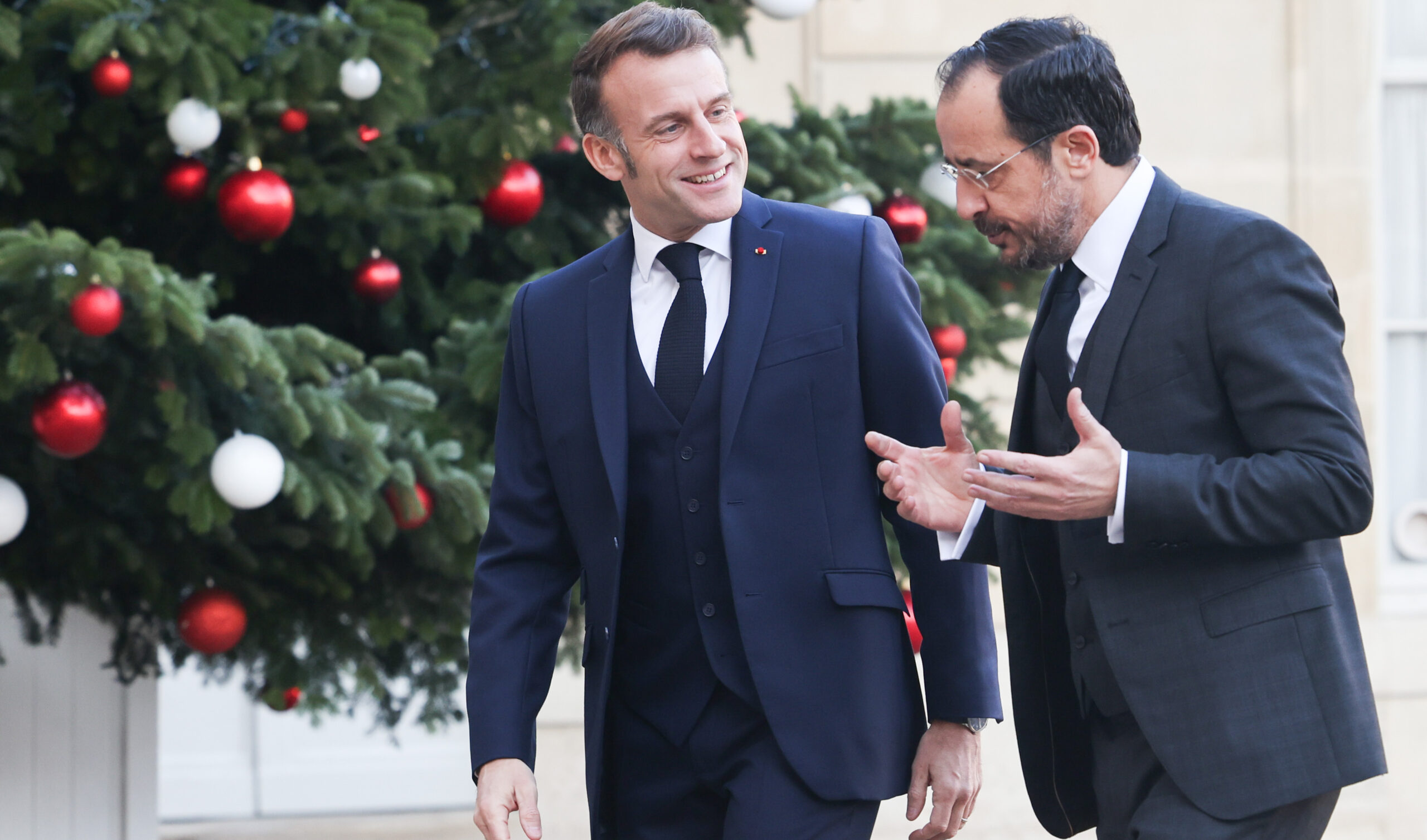
    The discussion surrounding France’s potential role in resolving the Cyprus problem comes on the heels of supportive remarks from French President Emmanuel Macron. Following the signing of a strategic partnership between France and Cyprus, Macron expressed his hopes for a solution that would allow all Cypriots to live together harmoniously on a reunified island. “France strongly supports the United Nations’ mediation efforts for a just, comprehensive, and lasting settlement of the Cyprus issue,” he stated.

    Macron’s commitment underscores the shared interest between Cyprus and France in fostering stability in the region. As diplomatic discussions continue, the call for deeper French involvement from President Christodoulides could pave the way for renewed efforts towards a long-awaited resolution.

  • Cyprus President Advocates for Nato Membership as Natural Progression

    Cyprus President Advocates for Nato Membership as Natural Progression

    Joining Nato would be a natural development for Cyprus, according to President Nikos Christodoulides. In an interview with French newspaper Le Figaro, he expressed strong aspirations for the island’s accession to the military alliance.

    Christodoulides stated, “If it were possible for Cyprus to apply tomorrow and receive a positive response from all member states, we would do so.” However, he acknowledged the significant hurdle posed by the unresolved Cyprus problem, which he believes would lead Turkey to veto any application.

    In light of this, the President revealed that efforts are underway to enhance Cyprus’s military capabilities to align more closely with those of existing Nato members. He noted, “For this reason, we are working methodically to strengthen our military to bring it up to the level of other Nato members, while we wait for the political conditions to be met for us to join the organisation.”

    Christodoulides highlighted that Cyprus has already established a clear foreign policy, significantly leaning towards the West. The notion of joining Nato gained traction following his meeting with former US President Joe Biden at the White House last year. Reports indicated that during this meeting, Christodoulides presented a plan for Cyprus’s future accession to Nato.

    Post-meeting, he reiterated that Cyprus was preparing for Nato membership, contingent on Turkey retracting its objections. However, these aspirations were met with resistance from Turkey, whose defence ministry declared that Cypriot membership in Nato would be “unacceptable” and could disrupt the fragile balance regarding the Cyprus issue.

    Shifting focus away from the potential for Nato membership, Cyprus has been actively reorienting its defence strategy towards the West. At the beginning of the year, the United States granted the island permission to procure military hardware directly from its government, marking a significant step in its defence policy.

    Cyprus was integrated into several US defence programmes, including the Foreign Military Sales (FMS) programme, the Excess Defence Articles (EDA) programme, and is set to receive resources under the US’s Title 10 security assistance provisions. These initiatives are designed to bolster Cyprus’s military infrastructure and capabilities.

    In the autumn, the National Guard received the Israeli Barak MX air defence system, a sophisticated surface-to-air missile capable of defending against a wide range of airborne threats. This acquisition further solidifies Cyprus’s position within the US defence ecosystem and reflects its commitment to enhancing its military readiness.

  • UAE President Sheikh Mohammed Bin Zayed Al Nahyan Visits Cyprus to Enhance Trade

    UAE President Sheikh Mohammed Bin Zayed Al Nahyan Visits Cyprus to Enhance Trade

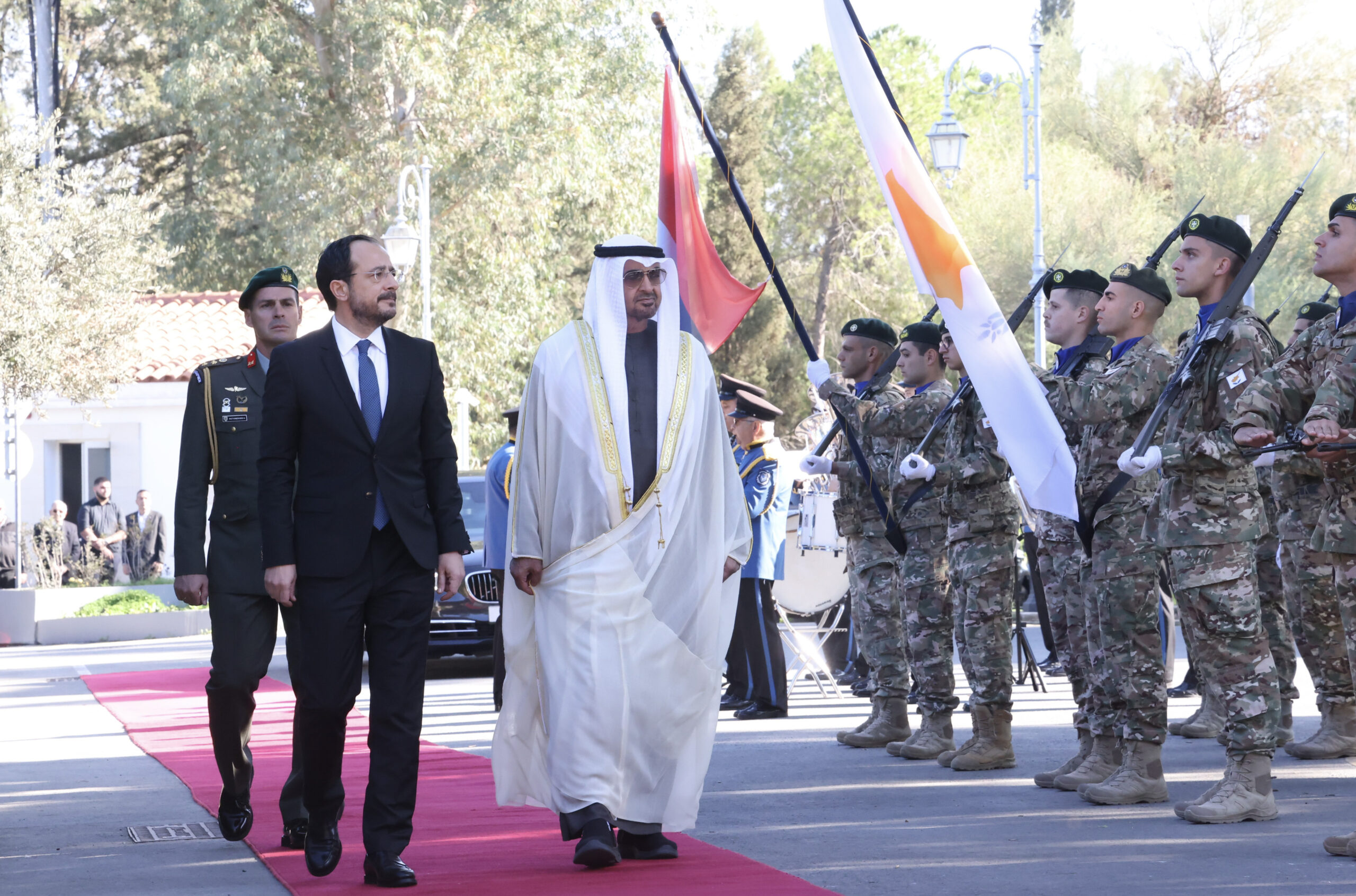
    UAE President Sheikh Mohammed bin Zayed Al Nahyan’s visit to Cyprus marks a significant step in strengthening trade relations between the two nations. On Sunday, he met with Cypriot President Nikos Christodoulides at the presidential palace in Nicosia, an event that is seen as a formal confirmation of the upgraded strategic relationship between the UAE and Cyprus.

    Trade: Welcoming Ceremony Highlights Diplomatic Ties

    The day commenced with a welcoming ceremony at Larnaca airport, where President Christodoulides greeted Sheikh Mohammed with military honours. The national anthems of Cyprus and the UAE resonated through the air as bands from the National Guard and the Cyprus police played, setting a tone of respect and collaboration.

    After the reception, Sheikh Mohammed laid a wreath at the statue of Archbishop Makarios III, further highlighting the significance of the visit. The gathering included senior officials from both nations, such as Foreign Minister Constantinos Kombos and Transport Minister Alexis Vafeades from Cyprus.

    Discussions on Key Areas of Cooperation

    The private meeting between the two presidents was followed by expanded talks involving delegations from both sides. According to Konstantinos Letymbiotis, the government spokesman, the discussions centred on enhancing bilateral cooperation across several important sectors. These include:

    • Investment
    • Energy
    • Technology
    • Trade
    • Education
    • Culture
    • Tourism
    • Shipping
    • Security
    • Critical infrastructure

    Both leaders expressed their commitment to moving from strategic alignment to practical implementation. They underscored the necessity of measurable objectives and actionable plans to fortify their relationship.

    UAE’s Interest in Cypriot Investment Opportunities

    During the talks, particular emphasis was placed on investment, with the UAE showing a keen interest in launching significant initiatives in Cyprus. Priority sectors identified include energy, infrastructure, technology, tourism, and shipping. To facilitate this cooperation, a permanent business framework will be established through a joint UAE-Cyprus business council. This council will link the Cyprus Chamber of Commerce and Industry, Invest Cyprus, and the UAE Chamber of Commerce Federation, providing a stable platform for business collaboration and project development.

    Joint Action Plan and Future Prospects

    The two presidents agreed to collaborate on a joint action plan in areas where their interests converge. This includes trade, investment, energy, political dialogue, tourism, culture, education, shipping, security, and critical infrastructure. The upcoming Cypriot Presidency of the Council of the European Union, set to begin on January 1, 2026, was highlighted as an opportunity to strengthen EU-Gulf relations, particularly with the UAE.

    The discussions also touched on the ongoing negotiations for a free trade agreement between the UAE and the EU, which is anticipated to unlock further avenues for trade, investment, and cooperative efforts.

    Regional and Humanitarian Considerations

    Amid their discussions, both leaders exchanged views on various regional and international issues, focusing on developments in the Middle East. The humanitarian situation in Gaza was particularly emphasised, with commitments to continue providing aid through all available channels. President Christodoulides described the visit as a new chapter in Cyprus-UAE relations, reinforcing the strategic partnership and establishing operational structures with measurable goals.

    “From today, a new chapter opens, defined by trust, shared interests, and our joint commitment to a more connected and prosperous region,” he stated.

    Strengthening the Ties Established Since 2022

    Sheikh Mohammed bin Zayed Al Nahyan remarked that since the establishment of strategic cooperation between Cyprus and the UAE in 2022, the ties have seen substantial growth in various sectors, including energy, industry, trade, investment, tourism, and education. He acknowledged that a UAE-EU free trade agreement would further enhance opportunities with Cyprus and welcomed the forthcoming Cypriot EU presidency as a means to bolster UAE-EU relations.

    As the visit came to a close, President Christodoulides hosted an official luncheon in honour of Sheikh Mohammed, further cementing the diplomatic ties forged during this historic meeting.

  • Letymbiotis Assures Cyprus Presidency Preparations Unaffected by Cabinet Reshuffle

    Letymbiotis Assures Cyprus Presidency Preparations Unaffected by Cabinet Reshuffle

    Letymbiotis has assured that the recent cabinet reshuffle will not hinder Cyprus’ preparations for the upcoming Council of the European Union presidency. Government spokesman Konstantinos Letymbiotis made these remarks on Saturday, responding to concerns following the announcement of six cabinet changes on Friday.

    Letymbiotis: Cabinet Changes and Their Implications

    Letymbiotis stated emphatically that “under no circumstances whatsoever” will the reshuffle impact the government’s readiness for its role in the Council of the EU, which Cyprus is set to assume next month. The reshuffle, he explained, is “the exclusive constitutional right of the president” and does not compromise the administration’s ongoing work.

    Commitment to the Government’s Programme

    The spokesman underscored President Nikos Christodoulides’ commitment to the government’s programme, which he referred to as a “social contract” with the Cypriot people. This statement aims to reassure citizens that governance will remain stable and focused, despite the recent changes in leadership.

    New Cabinet Members and Their Roles

    The new cabinet members are scheduled to be sworn into their roles on Monday, a move that marks a significant transition just weeks before Cyprus takes on the presidency. Four new ministers will lead the Council of the EU meetings over the next six months, taking office only 24 days prior to this critical responsibility.

    Key Ministerial Roles in the EU Council

    • Justice Minister: Costas Fytiris will chair the Justice and Home Affairs Council (JHA) meetings.
    • Health Minister: Neophytos Charalambides and Social Welfare Deputy Minister Clea Hadjistefanou-Papaellina will jointly oversee the Employment, Social Policy, Health, and Consumer Affairs Council (Epsco) meetings.
    • Energy Minister: Michael Damianos, who has been reappointed as Health Minister, will chair the Competitiveness Council (Compet) meetings.

    These appointments are crucial as they set the stage for the upcoming six-month term, during which Cyprus will hold the rotating presidency of the EU.

    Continuity in Leadership for Other Councils

    While the reshuffle has brought changes to some positions, it is important to note that other key councils will continue to be chaired by ministers who have not been affected by the reshuffle. This continuity is expected to provide stability and ensure that the transition into the presidency is seamless.

    Chairs of Remaining Councils

    • General Affairs Council (GAC): European Affairs Deputy Minister Marilena Raouna.
    • Foreign Affairs Council (FAC): EU Foreign Policy Chief Kaja Kallas.
    • Economic and Financial Affairs Council (Ecofin): Finance Minister Makis Keravnos.
    • Agriculture and Fisheries Council (Agrifish): Maria Panayiotou.
    • Environment Council (Envi): Maria Panayiotou.
    • Transport, Telecommunications, and Energy Council (TTE): Transport Minister Alexis Vafeades.
    • Education, Youth, Culture, and Sport Council (EYCS): Education Minister Athena Michaelidou.

    This leadership structure aims to facilitate effective governance during Cyprus’s presidency, as the ministers transition into their new roles.

    Preparation for the Presidency

    As Cyprus prepares for its turn to lead the Council of the EU, the government emphasises the importance of a stable and effective cabinet. The reshuffle, while significant, is viewed as a necessary step in aligning the cabinet with the administration’s goals and commitments to the EU. Letymbiotis’ assurances serve as a reminder of the administration’s focus on continuity and proactive governance.

    Supporting Cyprus’ International Role

    The successful assumption of the presidency will require coordination across various governmental departments, and the newly appointed ministers are expected to bring fresh perspectives and energy to their roles. This reshuffle is seen not only as a change in personnel but as a strategic move to enhance Cyprus’s international standing and effectiveness within the EU framework.

    The government’s proactive stance and assurance from Letymbiotis may help to quell any public concerns regarding the impact of the reshuffle. As Cyprus stands on the brink of a pivotal moment in its EU involvement, the focus remains on ensuring a smooth transition and sustained commitment to the European agenda.

  • Cyprus cabinet: Nikos Christodoulides Welcomes Four New Faces to Cyprus’ Cabinet

    Cyprus cabinet: Nikos Christodoulides Welcomes Four New Faces to Cyprus’ Cabinet

    cyprus cabinet — cyprus cabinet — Four new names are set to join Cyprus’ cabinet on Monday as part of a significant reshuffle announced by President Nikos Christodoulides. This change will see six ministerial positions altered, though the newcomers lack previous ministerial experience. However, they are prominent figures in the island’s public sphere.

    Photo: cyprus-mail.com

    Cyprus cabinet: Marinos Mousiouttas Takes on Labour

    The most prominent addition is Marinos Mousiouttas, who will assume the role of Labour Minister. At 61, Mousiouttas has been a continuous member of parliament since 2016, representing the Democratic Party (Diko) initially before co-founding the Democratic Party of Progress (Dipa).

    Photo: cyprus-mail.com

    He is the son of a founding member of Diko and has a solid educational background, having studied business administration at the New York State University. His career in civil service includes roles in both the finance and labour ministries, and he has also held a leadership position as chair of the House transport committee.

    Costas Fitiris Steps into Justice

    Taking the helm as Justice Minister is Costas Fitiris, who brings a wealth of experience from his previous role as chief marina officer of the Ayia Napa marina, a position he has held since 2019. At 65 years old, Fitiris has a long-standing military background, having served for 40 years in the National Guard, where he achieved the rank of rear admiral.

    Neophytos Charalambides to Oversee Health

    Newly appointed Health Minister Neophytos Charalambides has a strong local government background, having served as a city councillor in Limassol for Diko since 2011. At 47, he is a qualified lawyer, having been admitted to the Cyprus bar in 2004, and his legal expertise will likely influence his approach to health policy.

    Clea Hadjistefanou-Papaellina Advocates for Social Welfare

    The role of Social Welfare Deputy Minister will be filled by Clea Hadjistefanou-Papaellina, who previously chaired the NGO “Foni,” which focuses on children’s rights and combating sexual abuse. Her extensive academic background includes studies at prestigious institutions such as the University of California, Berkeley, and the University of Athens, where she earned her doctorate in physical education.

    This reshuffle not only alters the cabinet’s composition but also reflects President Christodoulides’ strategy to invigorate governance with fresh perspectives, even from individuals without prior ministerial roles.