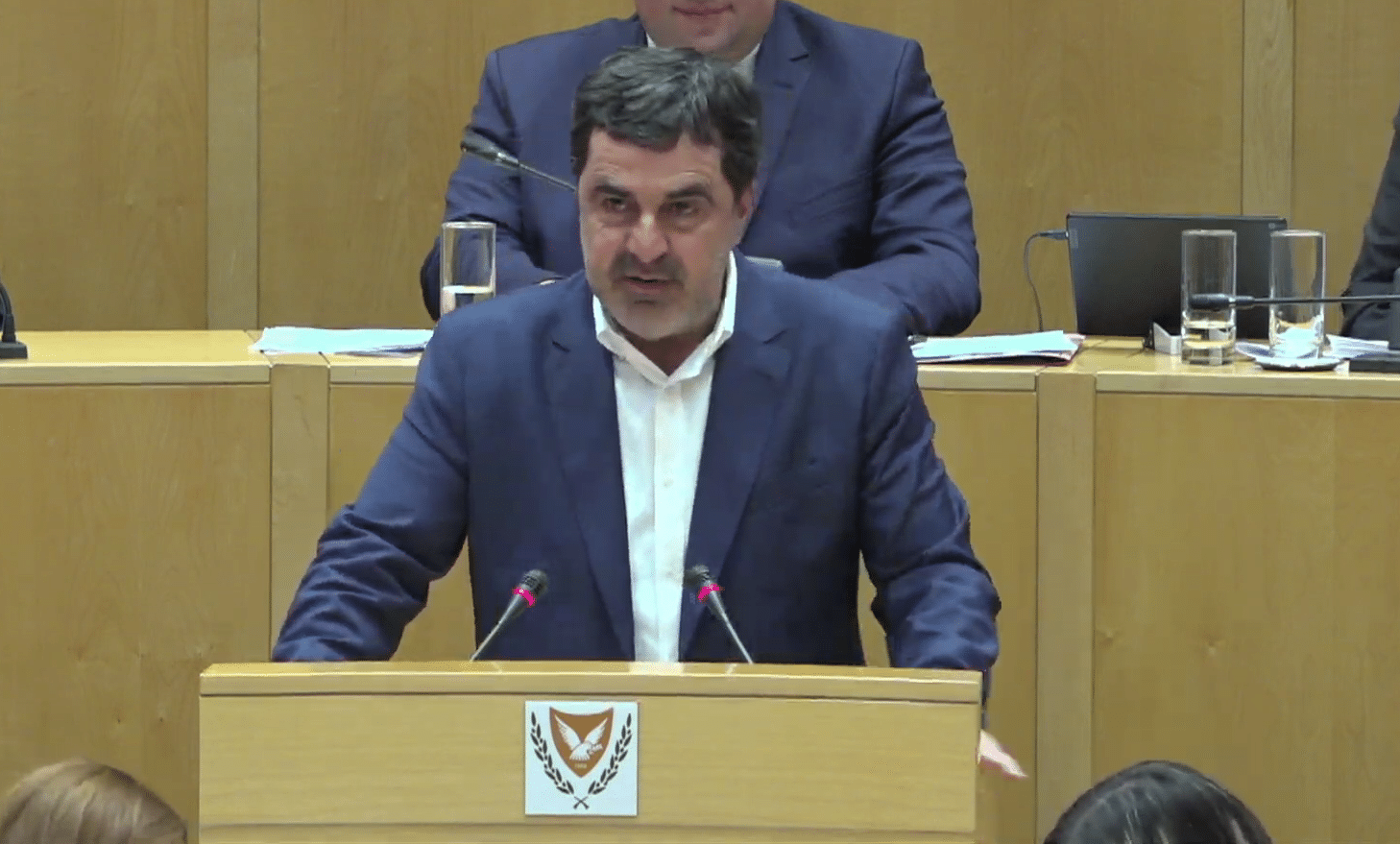
MPs are advancing discussions on a new teacher evaluation bill aimed at enhancing teaching performance, according to Diko MP Pavlos Mylonas, the chair of the House education committee. Mylonas expressed optimism that a workable outcome is within reach as various parties and individual MPs prepare amendments to the proposed legislation.
Negotiations Focused on Clarity and Compromise
Amid ongoing discussions, Mylonas highlighted the committee’s efforts to explore compromises that address concerns raised by education unions. He noted that ambiguities within the legislative framework, particularly regarding overlapping responsibilities, need clarification. The committee intends to tackle these issues during an article-by-article debate, and an extraordinary session may be convened if necessary to ensure the process is completed efficiently.
Confidence in Plenary Progress
When asked about the likelihood of the bill reaching the plenary, Mylonas conveyed strong confidence, stating he was “almost certain” that parliamentary groups would maintain their current positions. He emphasised the importance of creating a system that benefits teachers, ultimately leading to improved educational outcomes for students.
Aiming for a Fairer Evaluation System
Mylonas acknowledged that while the emerging proposal from the committee may not be flawless, it represents a genuine effort to establish a fair, effective, and merit-based evaluation system. With over 20,000 educators and more than 100,000 students impacted, the need for a balanced approach is paramount, and differing opinions are to be expected.
Placing Students at the Centre
Throughout the discussions, Mylonas reiterated the necessity of focusing on students’ needs, asserting that the interests of the majority should guide the legislative process. He remains hopeful that an agreement can be reached that reflects the collective interests of all stakeholders involved in the education sector.
A Historical Perspective on Teacher Evaluation
The push for a modernised teacher evaluation system follows Cyprus’s long-standing commitment to educational reform, dating back fifty years to the introduction of the first evaluation system. With the Republic now under EU obligations to update this framework, the stakes are high. The education ministry’s initial proposal, made nearly a year ago, has faced strong resistance from state school teachers, who advocate for maintaining the status quo while presenting their demands for change.
A Comprehensive Summary of Ongoing Debates
As discussions continue, a comprehensive summary of the long-standing debate regarding the new evaluation system is available for those looking to understand the complexities and nuances of this significant legislative effort.