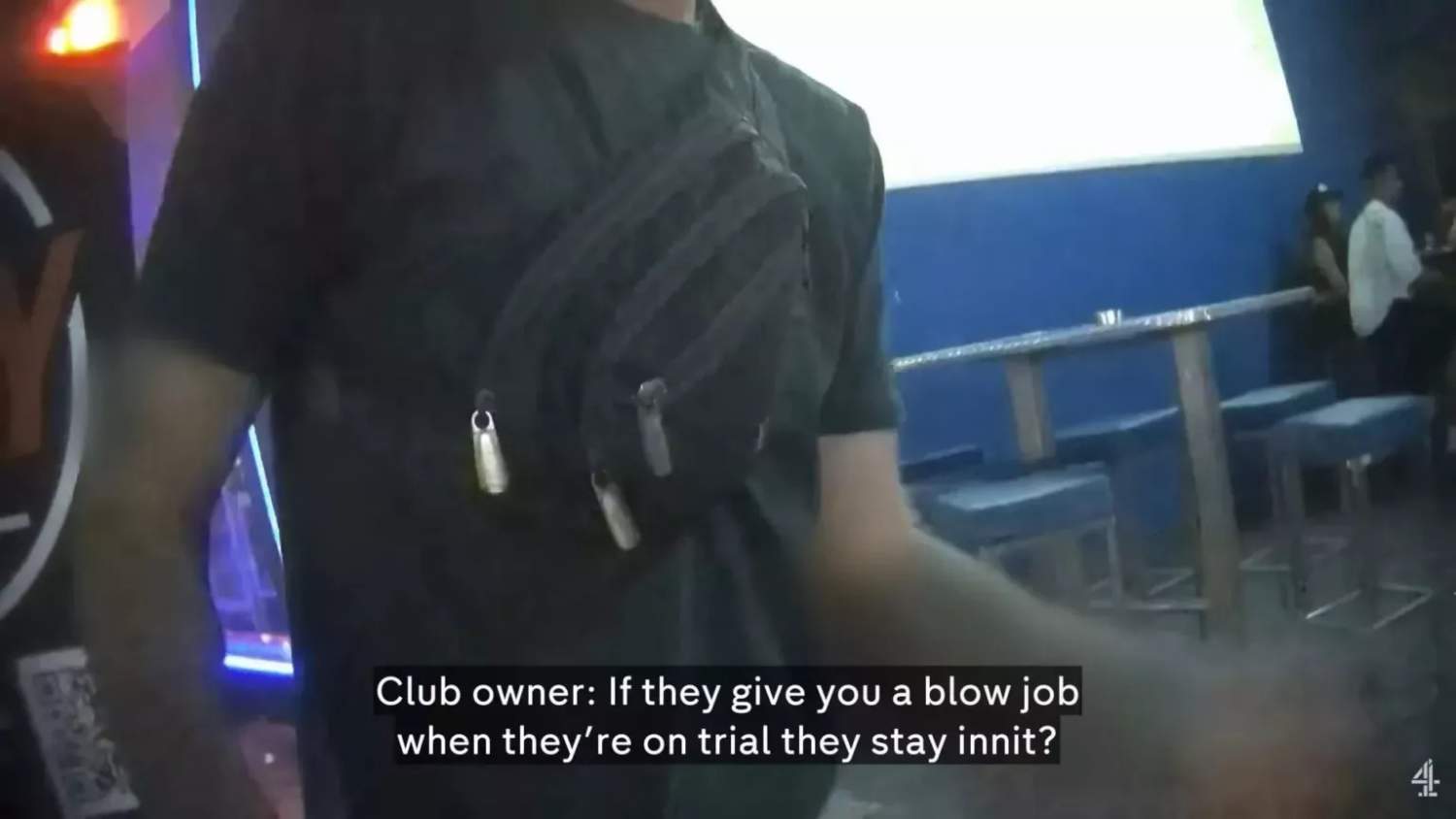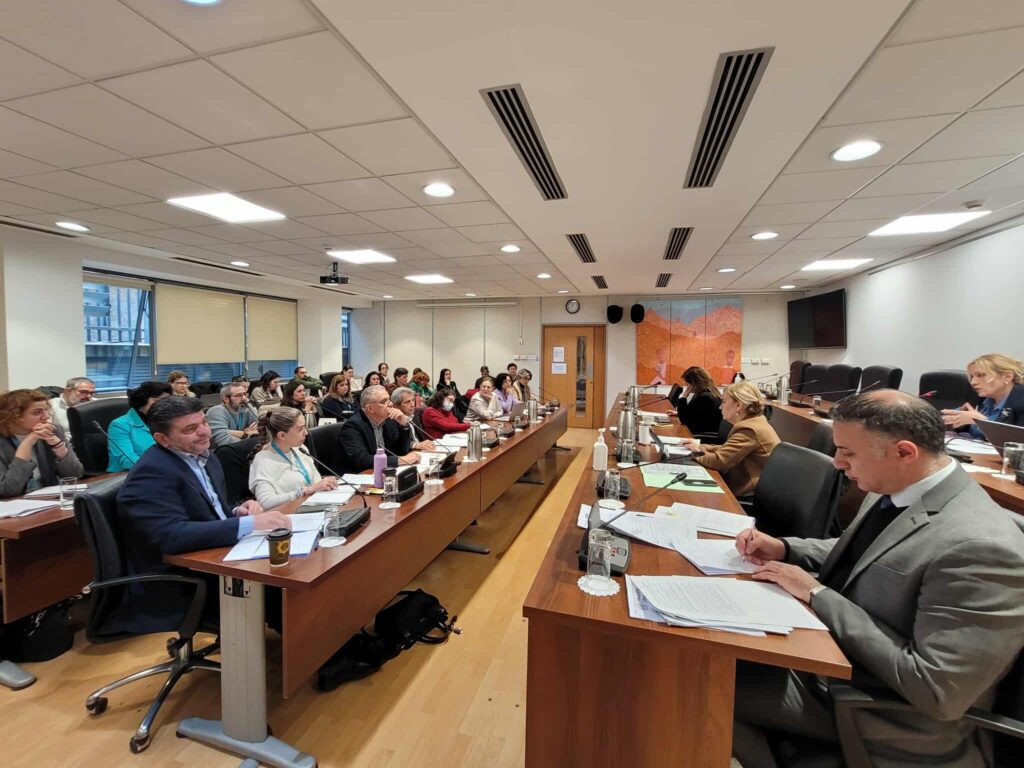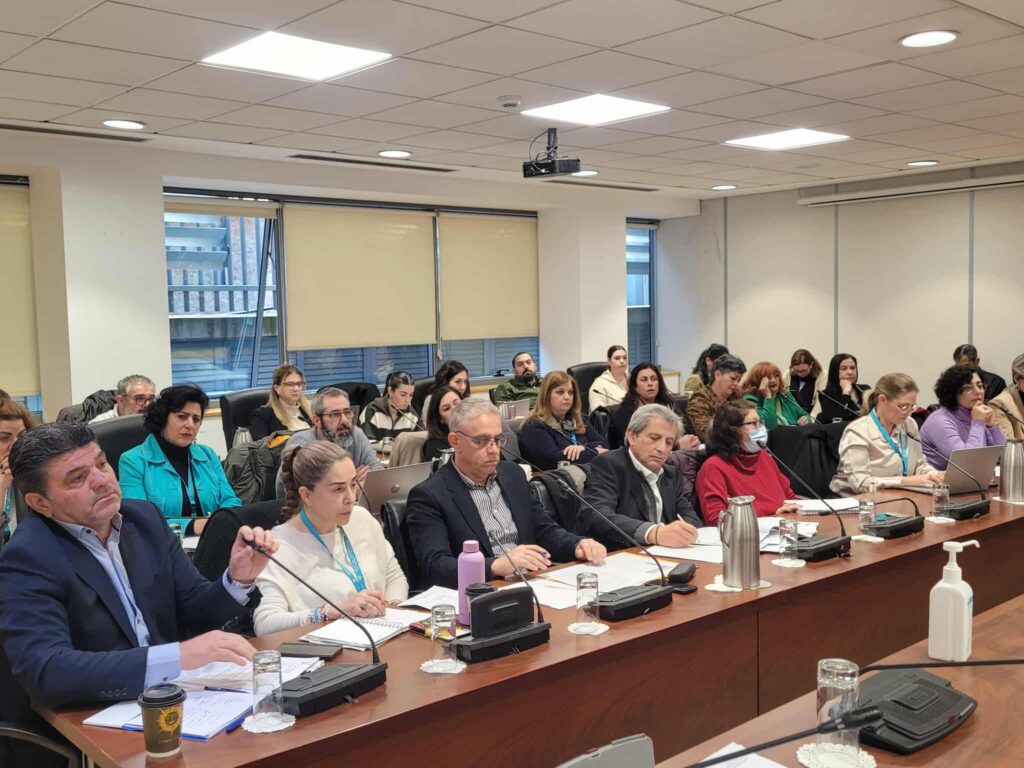
Allegations of human trafficking in Ayia Napa have sparked significant concern among MPs, particularly following a recent Channel 4 documentary that exposed the exploitation of young women in the area. This troubling issue was extensively discussed during a meeting of the House human rights committee on Monday.
Committee chairwoman and Akel MP Irini Charalambides revealed that deputy migration minister Nicholas Ioannides is expected to address the committee within the next fortnight. He will provide updates on the measures being implemented to protect victims, combat human trafficking, and hold perpetrators accountable.
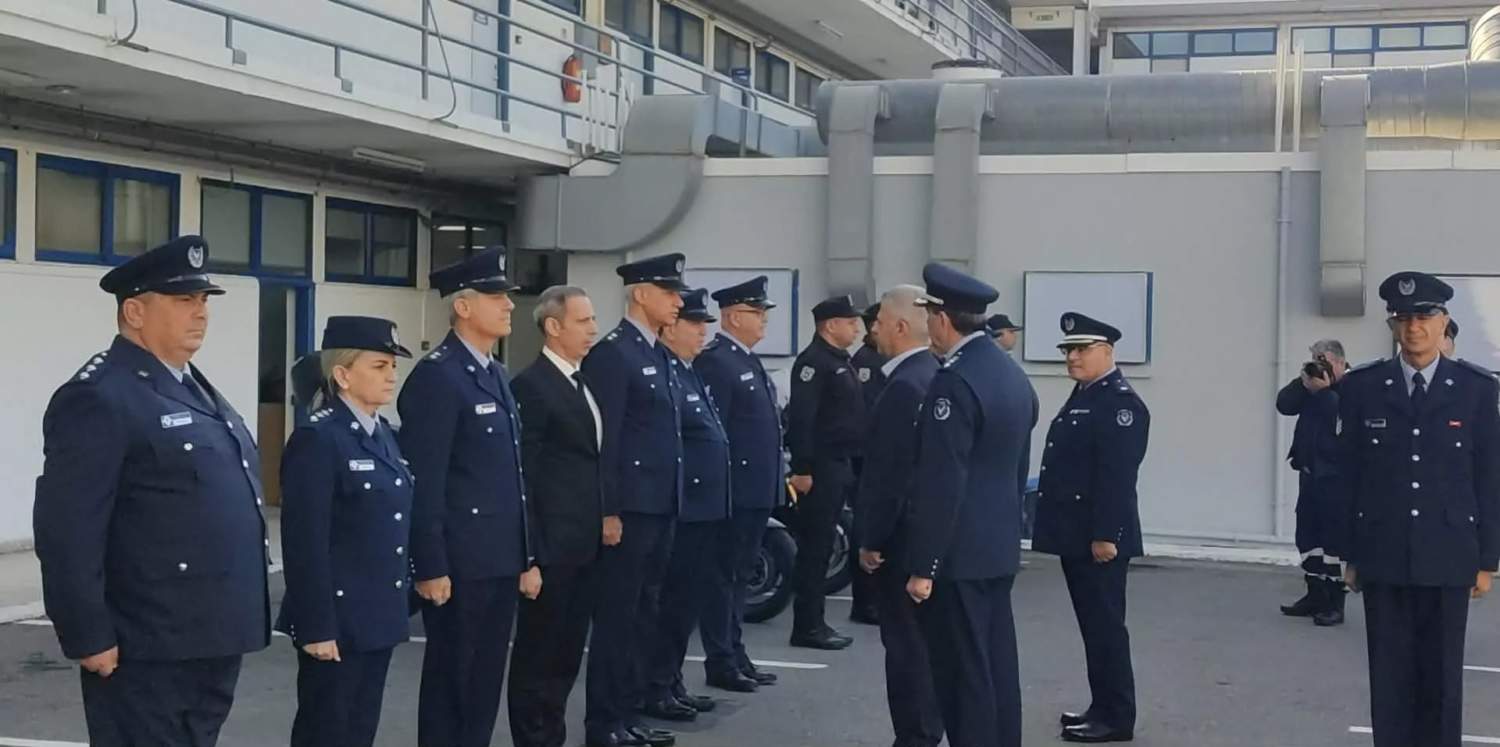
Andreas Anastasiadis, assistant director of the police, informed the committee that an ex officio investigation into the documentary has already been launched. The police have gathered several statements and are seeking additional information from the British broadcaster regarding the claims made in the film.
In another development, the cyber crime department is currently examining allegations related to a website that purportedly advertised job positions in Cyprus during the summer months. Anastasiadis refrained from sharing further details to avoid compromising the ongoing investigations but noted that police efforts against human trafficking have intensified in recent years. Since 2021, there have been 30 convictions across 21 cases, with an additional 30 cases still pending.
During the meeting, it became apparent to MPs that the multidisciplinary group tasked with combating human trafficking, which operates under the deputy migration ministry, is failing to perform its duties adequately. Chairwoman Charalambides expressed her discontent with the current situation, stating that it does not align with the timelines provided by the Ministry of Interior. As a result, she plans to advocate for the coordination of this body to be transferred to the justice ministry, which is also responsible for law enforcement.
Disy MP Rita Superman echoed the concerns raised during the discussion, asserting that the issues revealed in the documentary reflect a broader systemic problem rather than just a negative reality for Cyprus. She emphasised that the nation is grappling with a system that has allowed for the exploitation of women and the impunity of organised groups for far too long.
Superman pointed out that while the media often highlights procedures and restrictions, there has been insufficient focus on tangible results. She critiqued the prevailing response of “there were no complaints” regarding human trafficking cases as indicative of significant operational and political gaps.
Volt MP Alexandra Attalidou described human trafficking as a direct outcome of systemic issues, calling for proactive measures to identify victims. She argued that the state must demonstrate zero tolerance for such practices and ensure that victims receive the necessary support to escape their situations, especially as many face intimidation that prevents them from coming forward.
Ayia Napa’s mayor, Christos Zannetou, shared that the municipality has conducted its own investigations into local establishments and the broader social challenges facing the town. However, he highlighted that the responsibility for monitoring accommodations used by seasonal workers no longer falls under municipal authority, indicating a gap in local oversight.
Zannetou announced a comprehensive meeting scheduled for February 6, aimed at tackling ongoing concerns regarding public safety, law enforcement, and the management of seasonal workforce accommodations. Justice Minister Constantinos Ioannou and police chief Themistos Arnaoutis are expected to attend this crucial meeting.
The allegations raised in the documentary point to a troubling system of exploitation aimed at young British women, who are lured to Cyprus under the guise of “working holidays”. Many of these women encounter illegal employment practices, sexual harassment, and unsafe living conditions, highlighting the urgent need for intervention and reform in the region.