Tag: press freedom

  • Threats Against Journalists Highlight Press Freedom Crisis

    Threats Against Journalists Highlight Press Freedom Crisis

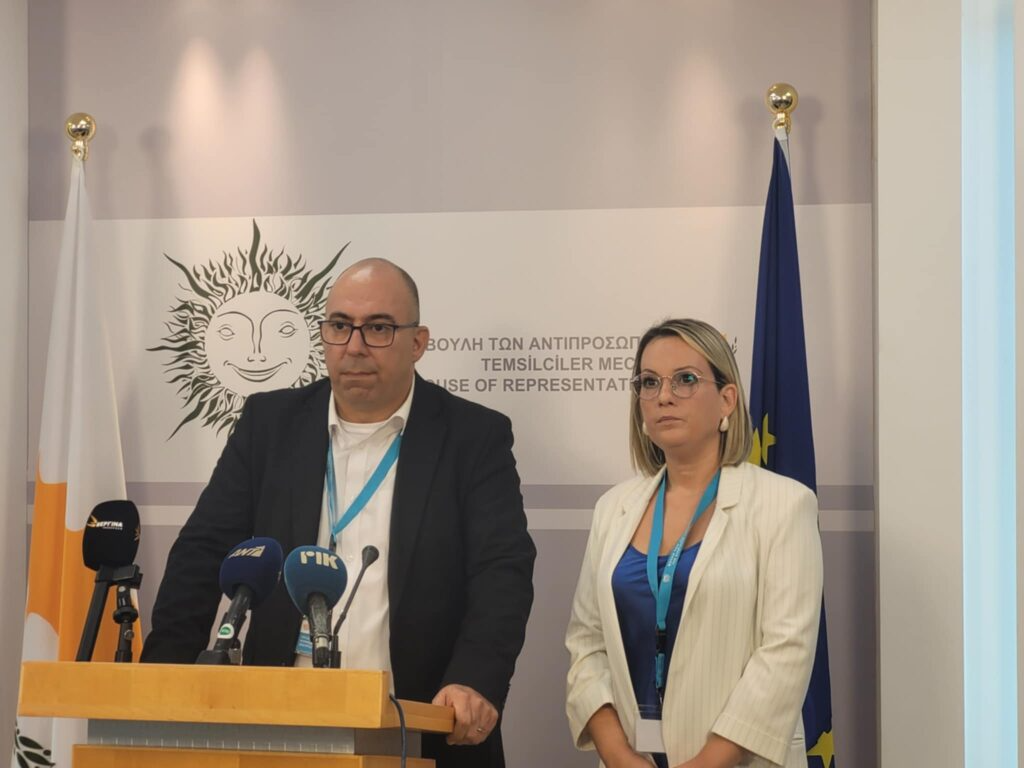
    press freedom — Press freedom is under attack as increasing threats against journalists and citizens emerge, aimed at suppressing freedom of expression and public criticism. During a recent session of the House Human Rights Committee, parliamentarians gathered to address these escalating concerns, prompted by a complaint from a citizen who claimed to have received threats from a police officer linked to the Cypriot Intelligence Service (CIS).

    MP Irene Charalambidou initiated the examination after Nikoletta Tsikkini reported that her rights were violated by a CIS member’s violent threats. Tsikkini stated, “We are dealing with the protection of my reputation, honour and safety,” emphasising the need for citizens to defend themselves against potential repercussions for exposing threats.

    Her lawyer, Alekos Argyrou, highlighted the severity of such threats, particularly when they originate from those in positions of authority. He remarked, “When officials misuse their power and access to sensitive data, it constitutes a serious interference with fundamental rights and a potential abuse of power.” This misuse raises pressing concerns about the erosion of trust in public institutions.

    Following the incident, the CIS member involved was removed from their role and reassigned, but uncertainties linger regarding any potential disciplinary actions, as the internal regulations governing the CIS remain opaque.

    Alongside individual threats, the committee chair emphasised a worrying trend of organised trolling campaigns targeting journalists. Charalambidou noted that she had received over five complaints from prominent journalists who faced intimidation for their reporting. Specific threats included alarming messages like, “You in the ground and me in prison,” aimed at one journalist, and a warning from a former CIS member to another citizen to “Shut up so I don’t have to expose your dirty laundry.”

    Giorgos Frangos, President of the Cyprus Journalists’ Union, voiced his alarm about these developments, stressing that a journalist’s capacity to critique is vital for the profession. He warned that pending legislation surrounding journalist protection and fake news could further jeopardise the safety of those who report on contentious topics. Frangos noted, “One in three journalists has received warnings or deterrence for reporting. Sixty-two percent experience job insecurity, meaning they don’t touch on topics that might leave them without work.”

    As discussions continued, several MPs expressed their suspicions regarding the coordinated nature of these threats, often executed through fake social media profiles. Charalambidou remarked, “It’s the first time fake websites are created and journalists receive threats for practising their profession.” She underscored the alarming pattern of identical language used in threats against various journalists.

    MP Giorgos Koukoumas underscored the intensifying misuse of power to stifle free expression, citing instances where dissenters faced severe repercussions. He recalled a minister sending police to a home over a satirical remark and highlighted the increasing frequency with which journalists are threatened. Koukoumas referenced declining scores in the Reporters Without Borders survey, noting that Cyprus drops ten points annually.

    Concerns about the implications of threats from political figures also surfaced. MP Christos Senekkis described messages threatening a journalist, as well as others aimed at inciting violence against specific groups. He urged caution, stating that revealing the identity of the CIS member would not serve any purpose and could further endanger free expression and personal privacy.

    In a bid to address these issues, MP Alexandra Attalides announced her intention to propose an amendment related to the CIS, aiming to bolster protections for free expression. Meanwhile, MP Rita Superman reiterated the necessity of safeguarding citizens’ rights to speak freely, while MP Demetris Demetriou suggested that the matter be examined by the Institutions Committee in a joint closed session.
  • Koop bank — Koop Bank Strike Ends as Ruling Coalition Withdraws Austerity Measures

    Koop bank — Koop Bank Strike Ends as Ruling Coalition Withdraws Austerity Measures

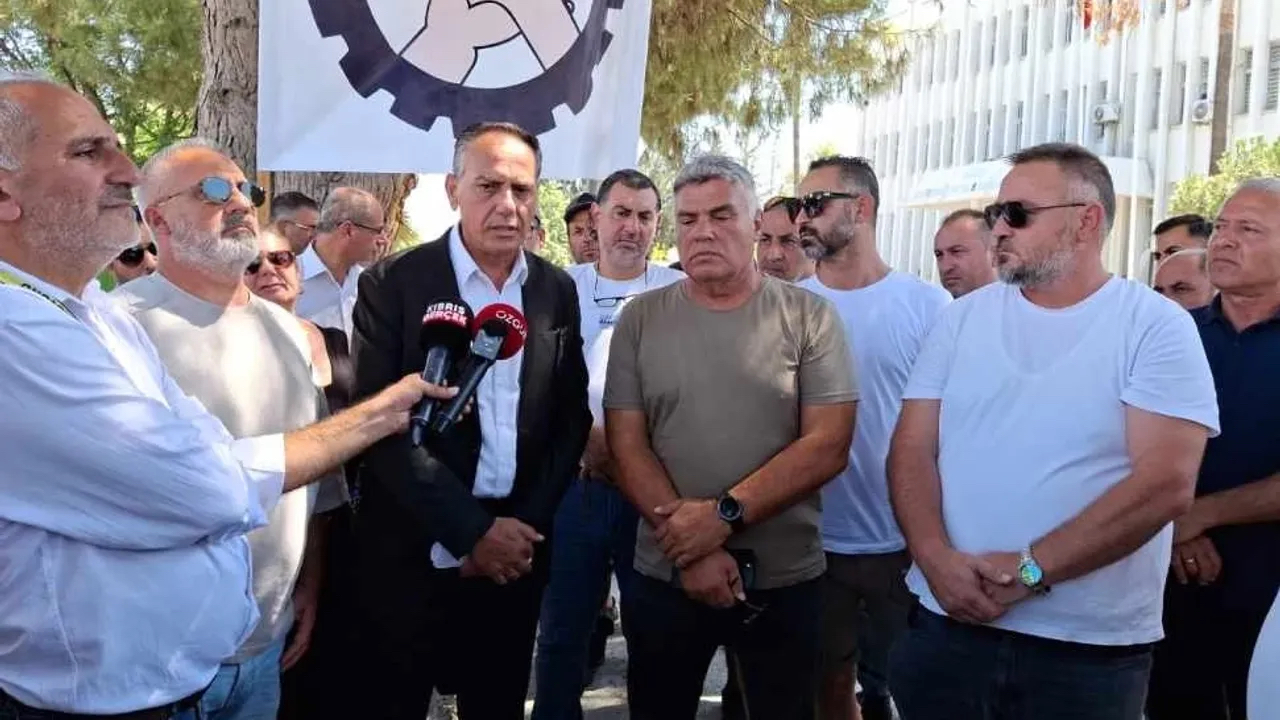
    The recent strike by employees of the north’s Koop Bank and its subsidiaries concluded on Friday after the ruling coalition agreed to withdraw the planned austerity measures affecting workers. This decision followed intense negotiations aimed at addressing the workers’ concerns.

    Koop bank: Demands and Negotiations

    Workers had presented an eight-item list of austerity measures they wanted the ruling coalition and management to formally renounce. Key demands included halting work for pensioners, abolishing the 13th salary, suspending the cost-of-living allowance, and reducing Eid bonuses by half.

    Agreement Reached

    On Friday, Durali Guclusoy, the undersecretary to the prime minister, announced that he and ‘prime minister’ Unal Ustel would meet with union leaders to finalise a new collective labour agreement. This agreement aims to define the operational framework for the Koop Bank’s subsidiaries moving forward.

    Guclusoy confirmed that the previously considered measures, including the suspension of retirees’ work and salary deductions, have been put on hold until a new agreement is signed. He stated, “The suspension of retirees’ work and the deductions applies to workers, which were previously on the agenda, have been suspended until a new agreement is signed.”

    Future Plans with Union Leaders

    Mehmetali Guroz, leader of the Koop-Sen trade union, expressed optimism about the negotiations, stating discussions would commence on Monday to draft a protocol that would balance the income and expenses of the workers. Guroz emphasised that the workers would not shy away from previously signed agreements and ongoing negotiations.

    He also noted, “We intend to sign the new agreement within a week at the latest, although we have three months to finalise it.” This proactive approach aims to ensure that workers’ rights and benefits are safeguarded in the new contract.

    Tensions During Negotiations

    Earlier on the same day, Guclusoy was seen engaged in a heated discussion with striking workers outside Ustel’s office. This encounter caught the attention of a journalist, leading to a moment where Guclusoy attempted to take the journalist’s phone, insisting that there was nothing worth filming.

    This incident resulted in a backlash from the Cyprus Turkish journalists’ union, which condemned the act as an attack on press freedom. In their statement, the union asserted, “In societies where the press is not free, democracy is also in danger. We will not allow press freedom and democracy to be undermined.”

    The union further highlighted that public officials should not obstruct journalists from covering events occurring in public spaces. They remarked, “If [Guclusoy] did not want his discussion to be reflected in the public, he should not have initiated this dialogue in public.”

    Community Reaction

    The strike and subsequent resolution have sparked mixed reactions within the community. Many workers expressed relief at the ruling coalition’s decision to retract the austerity measures, viewing it as a significant victory for their rights. The outcome has reinforced the importance of collective bargaining and dialogue between workers and management.

    However, the incident involving Guclusoy and the journalist has raised concerns about the treatment of the media and freedom of expression in the region. Observers note that such actions could have broader implications for public trust in government officials.

    The Importance of Collective Bargaining

    This episode underscores the vital role of collective bargaining in protecting workers’ rights. With the labour market facing ongoing challenges due to economic pressures, the ability for workers to negotiate favourable terms is more crucial than ever. The swift resolution of the strike reflects a commitment from both the workers and the ruling coalition to find common ground.

    Looking Ahead

    As the union prepares to enter negotiations for the new collective labour agreement, stakeholders will be watching closely. The outcomes of these discussions could set a precedent for future dealings between workers and management across various sectors. The hope is for a balanced agreement that addresses the financial realities while ensuring fair treatment for all employees.