Tag: protests

  • Working hours — Police Unions Warn of Protests Over Working Hours Reform

    Working hours — Police Unions Warn of Protests Over Working Hours Reform

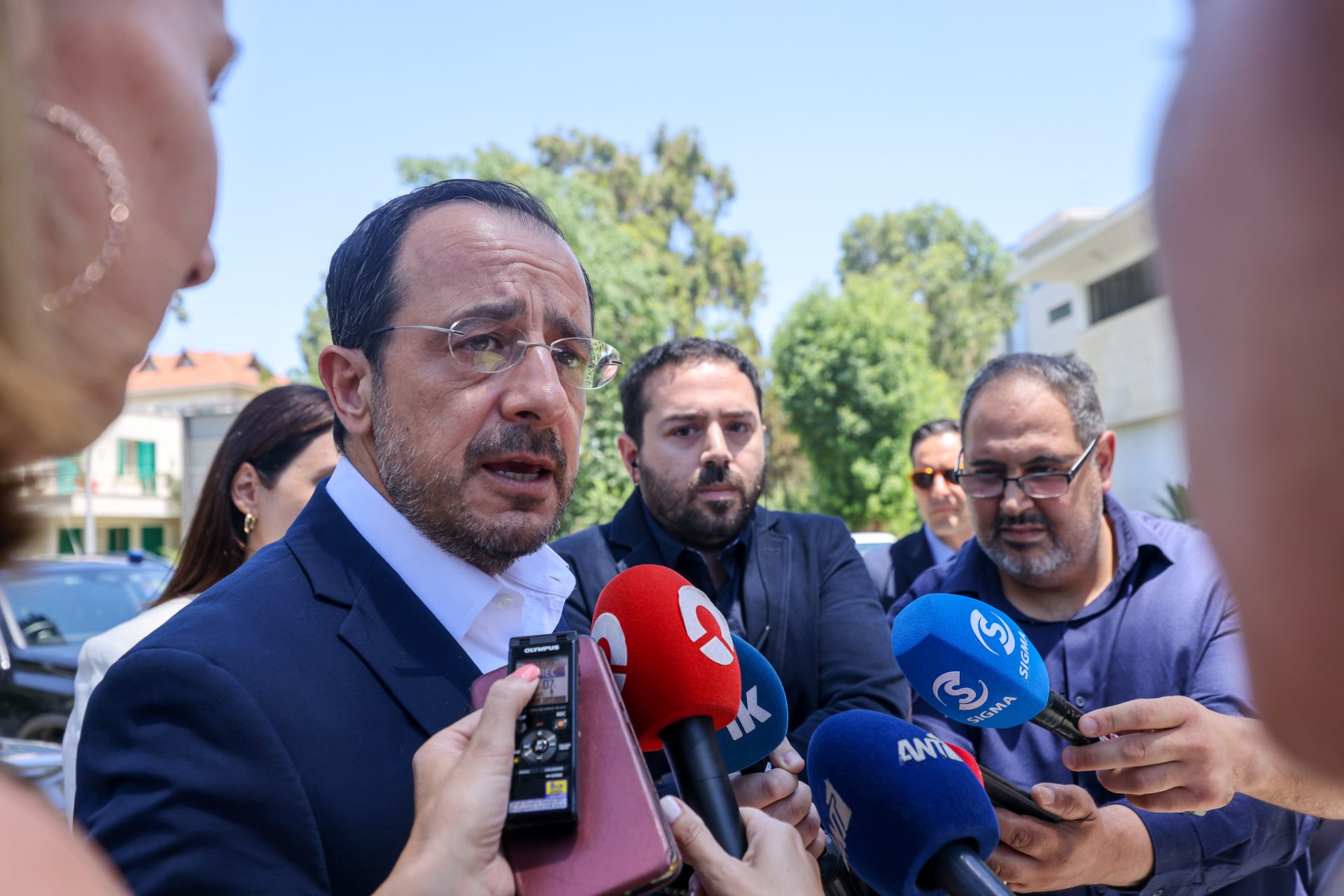
    Police unions are preparing to protest against a proposed reform that seeks to change working hours and holiday regulations for officers. The contentious reform was revealed earlier this week, prompting a strong backlash from union representatives following a meeting with Justice Minister Costas Fitiris on Friday.

    Working hours: Union Leaders Express Discontent

    Nikos Loizides, head of the police branch of the Isotita trade union, voiced his concerns over the proposed changes put forth by police chief Themistos Arnaoutis. During the meeting, Loizides expressed anger over the plans, highlighting that the union would explore various avenues to challenge the reform.

    “We have legal remedies at our disposal, including the Joint Police Committee, the European police union and the courts. With the approval of my council, we are also prepared to hold protests in unexpected locations and on unanticipated days,” Loizides stated after the meeting. He mentioned a potential protest on January 7, coinciding with the opening ceremony of Cyprus’ EU Council presidency.

    Concerns Over Officer Wellbeing

    Loizides has raised alarms over the implications of the reform, which he claims would significantly reduce the rest days for officers. Previously, officers could take one day off for every 20 working days; under the new proposal, this would change to one day off for every 76 working days. This change, he asserts, would deprive officers of 15 days of rest annually.

    The unions’ outrage was further fuelled by comments made by the police chief suggesting the existence of dishonest officers abusing overtime and hidden agendas within unions. Loizides conveyed that such remarks led to a strong reaction from the unions, as they felt their integrity was being questioned.

    Government’s Position and Warnings

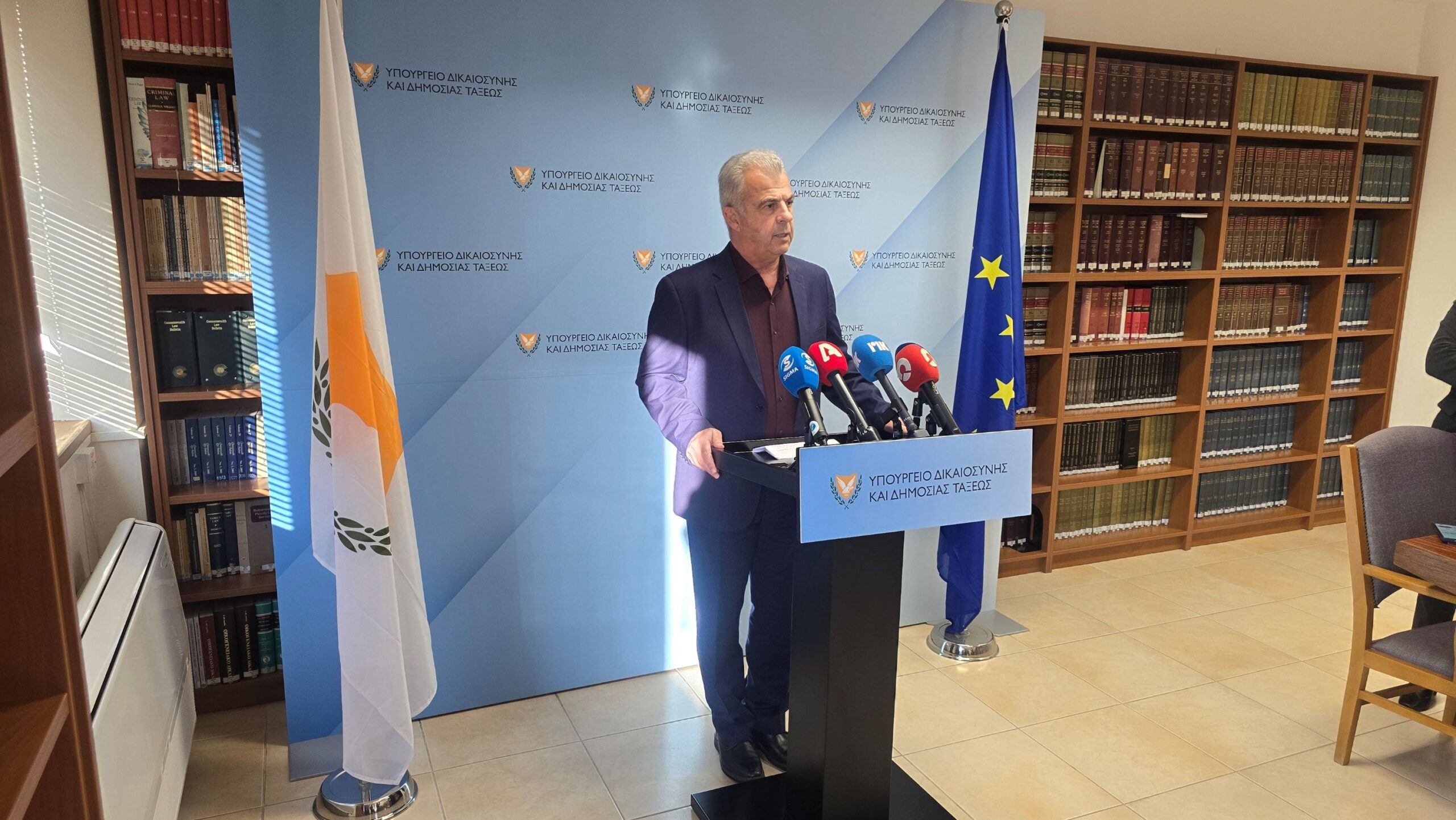
    Justice Minister Costas Fitiris urged the unions to moderate their tone, emphasising that the police chief’s orders must be followed. He stated, “Discipline also means that even those who disagree must carry out orders given by their superiors without question.” Fitiris also outlined that the unions could pursue legal action if they felt their rights were infringed upon.

    The minister rejected claims from Loizides that the reform was politically motivated, asserting that it was strictly a decision made by the police leadership. He stressed the importance of maintaining order within the police force, saying, “Under no circumstances should it be allowed that, under pressure, whether from public opposition or the use of the media, demands are met in a way that undermines the hierarchy required in a security force such as the police.”

    Union’s Call for Dialogue

    In a joint statement, police unions expressed their belief that the plans put forth by Arnaoutis circumvented established labour institutions. They argued that modifications to working hours should be the result of dialogue, not unilateral decisions.

    Angelos Nikolaou, president of the Cyprus Police Association (CPA), described the meeting with the justice minister as productive, stating that his association supports the suspension of Arnaoutis’ proposal. He mentioned the need to address the police chief’s unilateral decision to reduce officers’ days off and modify working hours.

    “The police are a disciplined body. It was agreed that we would follow the chief’s instructions while appealing to the relevant bodies to examine the possibility of modifying, cancelling or suspending the decision,” Nikolaou explained.

    Next Steps and Future Actions

    The CPA has communicated with the Joint Police Committee (JPC), which is expected to convene next week to further discuss the implications of the proposed changes. Nikolaou has indicated that legal action may be pursued if necessary, including discussions with the president about the situation.

    He also highlighted the importance of protecting the labour rights of police officers, stating, “The essence is the labour rights of police officers and we must defend those who work and give their all to their duty.”

    A Call for Responsibility

    Fitiris expressed concern about the possibility of protests coinciding with the EU Council presidency, stating he was “worried and saddened” by the unions’ threats of a work stoppage. He reassured that the state would continue to function, stating, “The state will not stop functioning,” and warned of consequences for any union actions that deviate from state regulations.

    The Justice Minister concluded by expressing confidence in the sense of responsibility among police officers, emphasising their commitment to public safety and their oath to serve the community. He stated, “I do not believe that there is even one police officer who would violate his oath and act contrary to what society demands.”
  • Nicosia strike: Nicosia Prepares for Major Disruption as Teachers and Farmers Strike

    Nicosia strike: Nicosia Prepares for Major Disruption as Teachers and Farmers Strike

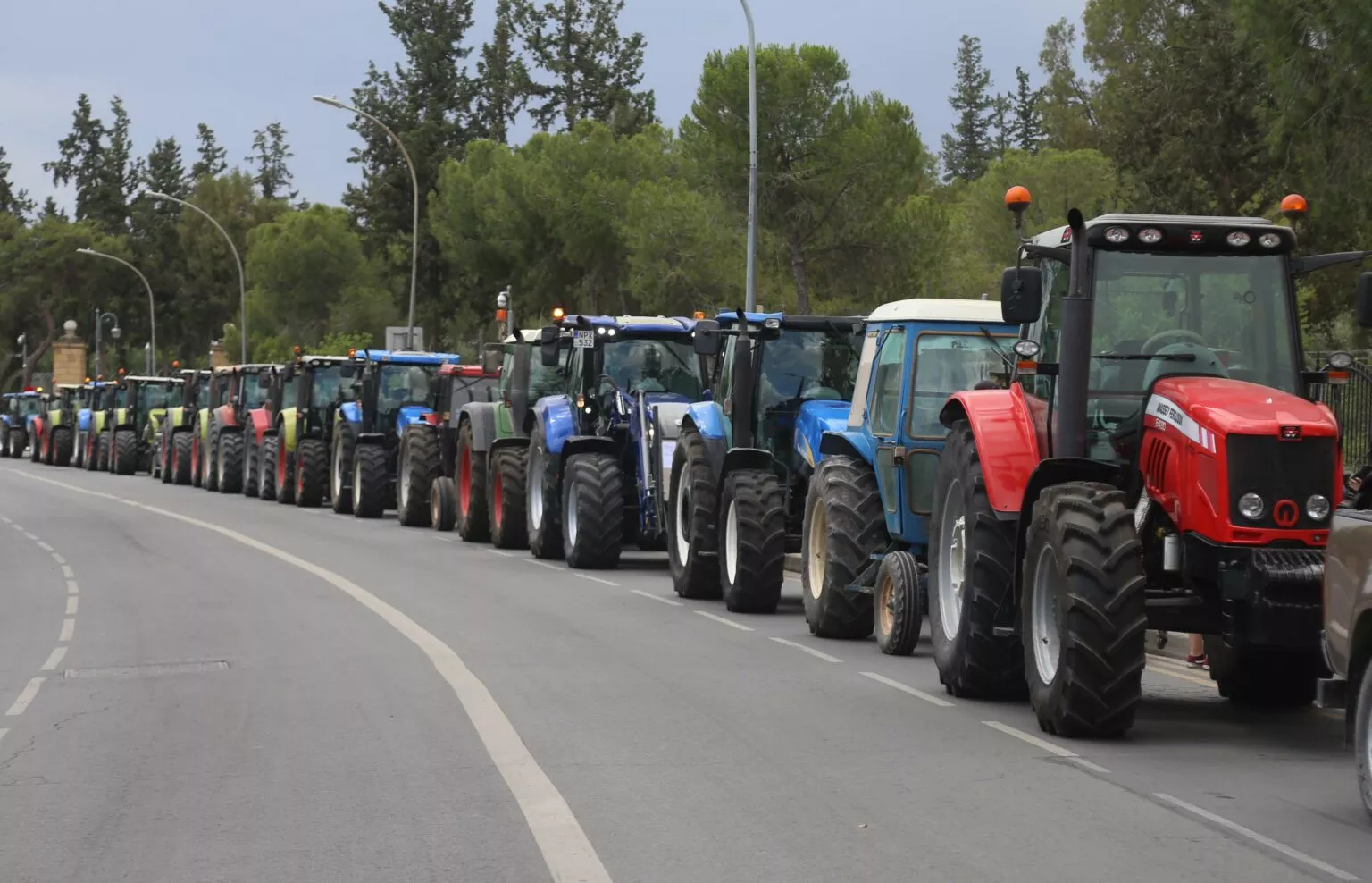
    nicosia strike — nicosia strike — Nicosia is bracing for a day of systemic paralysis on Thursday, 18 December, as a simultaneous strike by public school teachers and a tractor blockade by farmers threaten to cut off the city’s primary arteries.

    The coordinated industrial action represents a direct challenge to the government’s reform agenda. While teachers are striking to block a controversial evaluation bill that critics say invites political favouritism, their move risks the Republic’s access to €60 million in EU Recovery and Resilience Facility funds. Simultaneously, hundreds of farmers are set to converge on the Presidential Palace, protesting “unacceptable” EU agricultural policies that they claim are driving local producers into insolvency.

    Nicosia strike: Commuter Chaos Expected

    The double wave of action is timed to hit during the morning rush hour, with the Ministry of Transport confirming the complete cancellation of school bus services for over 310,000 residents. This will likely lead to chaos on the roads as parents scramble for private transport alternatives.

    Strike Timings and Locations

    Teachers’ unions have scheduled their strike in two phases: the Secondary Strike (OELMEK) runs from 07:30 to 09:00, while the Primary Strike (POED) lasts from 07:30 to 09:05. During this critical period, agricultural convoys from every district will begin their trek to the GSP Stadium and the Jumbo car park in Latsia.

    Convergence Towards the Capital

    By 10:30, these convoys are expected to funnel heavy machinery through Athalassa and Iosif Hadjiosif avenues, aiming for a final standoff at “Europe House” on Lord Byron Street. The convergence of farmers and teachers signifies a significant mobilization against current government policies and highlights the desperation of local producers.

  • Pro-palestine protests — Pro-Palestine Protests Gather Momentum in Nicosia, Larnaca, and Paphos

    Pro-palestine protests — Pro-Palestine Protests Gather Momentum in Nicosia, Larnaca, and Paphos

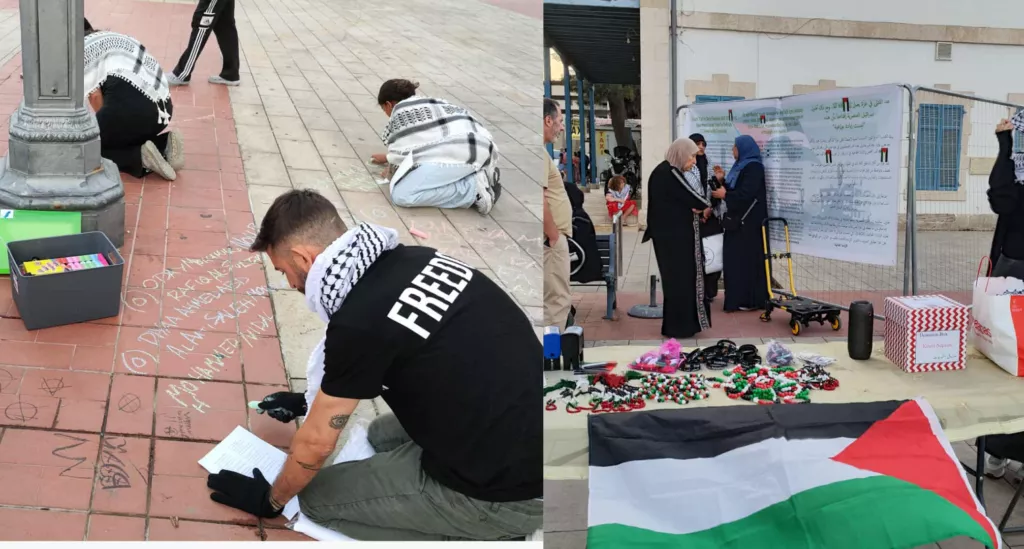
    pro-palestine protests — Pro-Palestine protests are currently underway in Nicosia, Larnaca, and Paphos, organised by the online group United for Palestine CY. The demonstrations began as calls for solidarity with Palestinians echo across the island.

    Photo: in-cyprus.philenews.com

    Pro-palestine protests: Gatherings Across Major Cities

    In Nicosia, participants started to assemble at 4:00 p.m. in Eleftheria Square. The crowd then marched along Ledras Street, returning to the Square via Onasagorou Street in a show of unity and purpose.

    Photo: in-cyprus.philenews.com

    Meanwhile, in Larnaca, the event kicked off at 6:00 p.m. at Europe Square (Finikoudes), where demonstrators expressed their support for Palestinian rights. In Paphos, the protest began at 5:30 p.m. at the Municipal Hall Square (Platia Dimotikou Megarou), where the atmosphere was similarly charged with passion for the cause.

    Police Presence and Regulations

    The police have been deployed in all three cities to oversee the events, ensuring they proceed peacefully. In line with the Public Gatherings and Processions Law 151(I) of 2025, organisers are required to maintain the peaceful nature of the protests, cooperate with local authorities, and adhere to any restrictions set by law enforcement.

    In an official announcement, it was stressed that the police possess the authority to impose restrictions or disperse gatherings if they turn violent or pose a risk to public safety. This includes situations where participants may obscure their identities.

    Community Engagement and Solidarity

    The protests serve not only as a demonstration of support for Palestine but also as a platform for community engagement. Various local leaders and activists have joined the gatherings, amplifying the call for awareness on the Palestinian plight.

    As the evening progresses, the sights and sounds of the protests have filled the air, drawing attention to the ongoing struggles faced by Palestinians. The sense of unity among participants reflects a growing movement within the community, manifesting in solidarity beyond borders.

  • Protesting: President Christodoulides Affirms Right to Protest Amid Police Controversy

    Protesting: President Christodoulides Affirms Right to Protest Amid Police Controversy

    protesting — President Nikos Christodoulides has stated that “no one is banned from protesting,” addressing concerns following a heavy-handed police response to a demonstration outside the foreign ministry on Thursday night. His remarks came during his arrival at a rural culture festival in the village of Lofou, where he reiterated the government’s commitment to the right to protest.

    On Thursday, demonstrators gathered to voice their opposition to Israel’s interception of boats heading towards Gaza, part of the Gaza Sumud flotilla. The protest escalated when riot police intervened, deploying pepper spray and engaging in physical confrontations with attendees.

    “The police have taken a very specific position,” Christodoulides remarked, defending recent legislation that imposes stricter regulations on protests, which had come under fire following the events of Thursday night. He stated that protests and the right to demonstrate are “absolutely respected and guaranteed” in Cyprus.

    The president acknowledged ongoing criticism of police actions, urging a balanced view of the circumstances under which security forces operate. He mentioned that any alleged excessive use of force would be investigated, assuring that appropriate measures would be taken if necessary.

    Following the protest, the political landscape shifted with Akel condemning the police’s response as an “unprovoked attack.” The party called for further protests, stating, “Akel calls on everyone who does not tolerate state repression and the government’s subservience to the Netanyahu regime to mobilise.”

    Volt echoed similar sentiments, emphasising that “violent repression of peaceful demonstrations has no place in a democratic and European country.” They condemned the police violence against demonstrators advocating for Palestinian rights, asserting that such actions undermine the principles of democracy.

    Accounts from the protest highlighted the chaotic scene, with a journalist from Haravgi reporting being injured during the police intervention. Veteran journalist Christos Christofides described being “thrown to the ground” amid the turmoil, thanking those who assisted him in escaping potential injury from the crowd.

    The union of Cyprus journalists condemned the police’s actions, noting that one of their members, despite identifying as a journalist, faced violence from officers. They called for an investigation led by Police Chief Themistos Arnaoutis, demanding accountability for the errant officers involved.

    The police response was justified by their statement that the protestors had blocked a lane of traffic outside the foreign ministry, necessitating intervention to clear the area. This incident in Nicosia was part of a broader wave of global protests against Israel’s military actions, which saw thousands taking to the streets in cities worldwide including Barcelona, Milan, and Paris.

  • School walkouts: Teens Stage Walkouts Over School Conditions, Nationwide Action Planned

    School walkouts: Teens Stage Walkouts Over School Conditions, Nationwide Action Planned

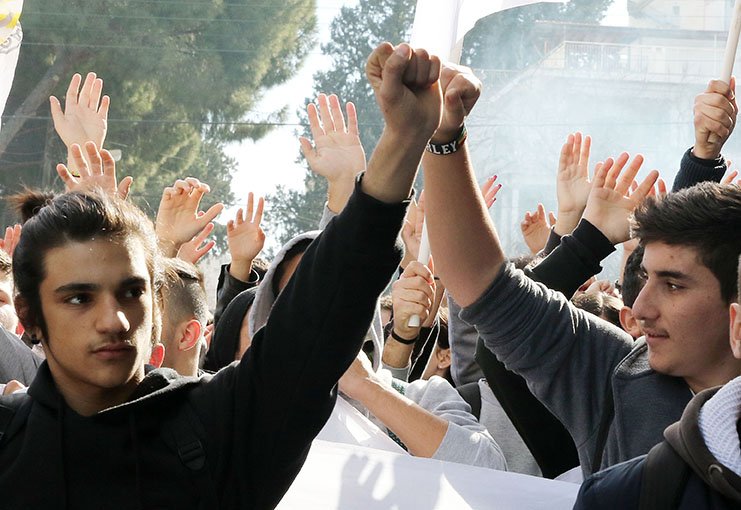
    school walkouts — school walkouts — Students at Polis Chrysochous gymnasium and Kykoss A lyceum in Nicosia have staged walkouts in protest of unbearable classroom conditions, caused by broken fans and malfunctioning air conditioning units. The teens expressed their frustration on Friday at 10am, with the students’ association Psem asserting that they are “not second-class pupils” and deserve better facilities.

    Reports from television channel Alpha indicate that complaints about the state of schools are frequent, with many students and teachers in the Paphos district describing the situation as “unbearable.” One spokesperson highlighted that although air conditioning units have been installed, the electrical systems in many schools are inadequate, unable to handle the load required to operate them effectively. This has led to issues where turning on the units trips the fuse switch, leaving classrooms excessively hot.

    Psem has announced plans for a nationwide walkout on Monday, highlighting that in numerous schools, not only are the air conditioning units ineffective, but the fans that previously provided relief have also been removed. “Instead of taking two steps forward regarding the conditions of our education, we have taken two steps back,” the association lamented. They further noted that the infrastructure in many schools is in dire straits, with reports of frequent power outages and even plaster falling from classroom ceilings. The association stressed that it is fortunate that no injuries have yet occurred among students or staff.

    The Ministry of Education has responded to the planned walkout, characterising it as “truly surprising and puzzling.” They pointed out that for the first time, the government has committed to installing and operating air conditioning units in all schools at every level. The ministry expressed that it is unthinkable to continue the outdated policies of the past that deprived students of basic wellbeing.

    In their statement, the ministry cautioned that the upcoming walkout could negatively impact students themselves, emphasising the need for collaboration between pupils, parents, and teachers to ensure that the necessary improvements can be carried out smoothly. They reassured that their doors remain open for discussions on any concerns.

    This wave of protests follows a similar incident earlier in the week, where students at Makarios III high school in Larnaca staged a one-hour sit-in to protest ongoing power outages linked to their school’s outdated electrical system. Students and parents there reported that the issues stemmed from an inability of the existing infrastructure to support modern demands, resulting in classrooms that are often unbearably hot and without proper airflow.