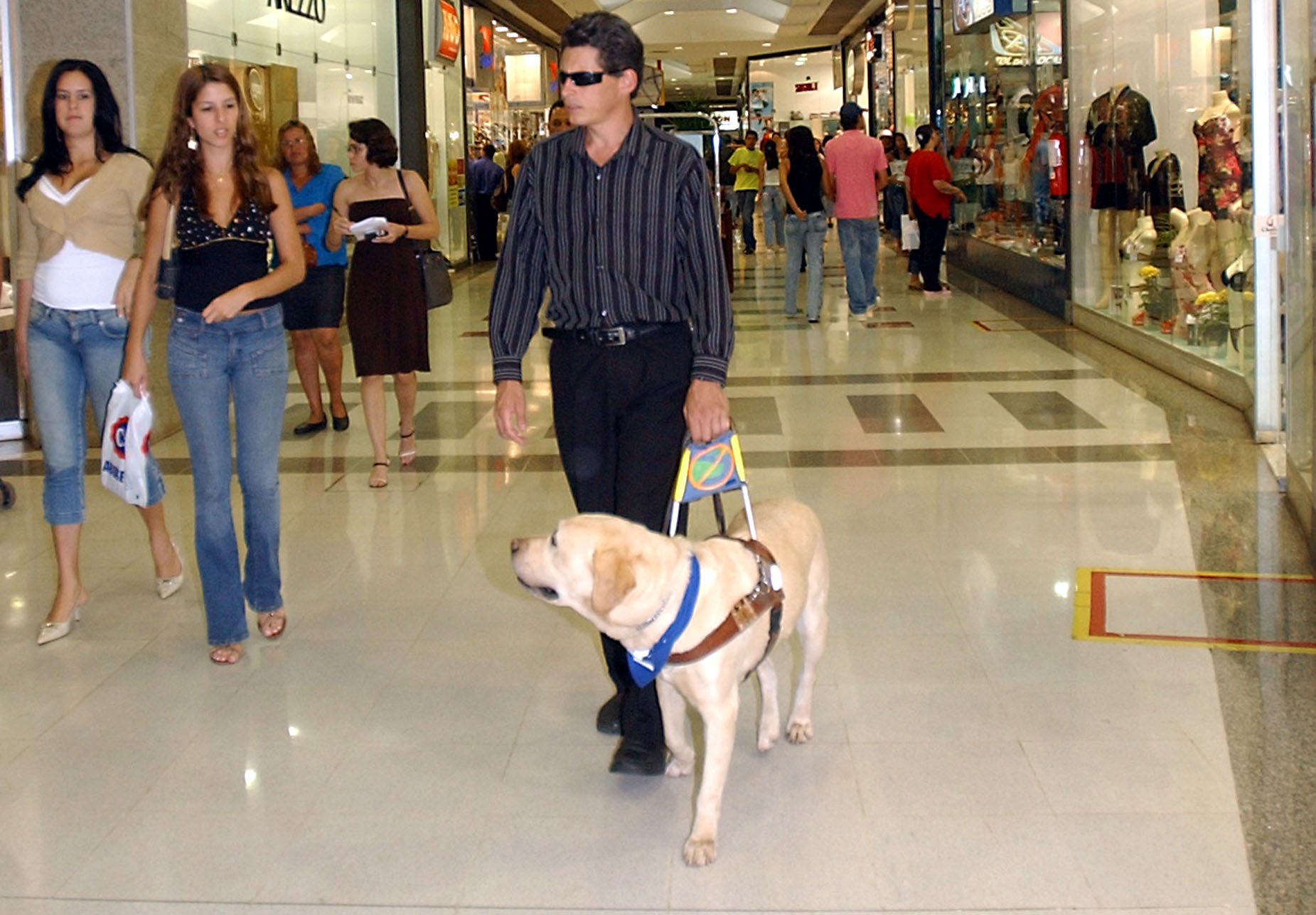
Cyprus is moving to guarantee the legal right for people with disabilities to use assistance dogs, addressing a significant gap in legislation that has left just three certified dogs in the country.
- Cyprus is moving to guarantee the legal right for people with disabilities to use assistance dogs, addressing a significant gap in legislation that has left just three certified dogs in the country.
During a recent meeting of the House Human Rights Committee, MPs highlighted the urgent need for legislation after learning that training costs can soar to €50,000. This financial burden, coupled with a lack of regulatory framework, has severely limited access to assistance dogs for those who need them most.
Assistance dogs: Legislative Action on the Horizon
The committee convened following a motion by MP Christos Senekis, which garnered broad political and institutional support for immediate action. Senekis stressed that the right to be accompanied by an assistance dog is already recognised under the UN Convention on the Rights of Persons with Disabilities, a treaty Cyprus ratified in 2011. However, the absence of specific laws for universal access in public and private spaces has left many individuals without the help they require.
In collaboration with organisations such as the Cyprus Confederation of Disability Organisations (KYSOA) and the Pan-Cyprian Organisation of the Blind, Senekis is drafting a bill aimed at enshrining these rights in law. He referenced Greece, which has had a regulatory framework in place since 2010, and suggested that Cyprus could link the certification process to existing laws regarding dogs and persons with disabilities.
High Costs and Ongoing Challenges
Committee chair Eirini Charalambidou underscored the importance of this issue, pointing out the prohibitive costs associated with certification. “It cannot be that around €10,000 is required for the certification of a guide dog,” she stated. “The state has a duty to resolve the issue with a clear legislative framework and certification process.”
MP Charalambos Theopemptou echoed these sentiments, noting that discussions on exempting assistance dogs from ownership fees have highlighted the critical lack of certified dogs in Cyprus. He mentioned that training costs can vary significantly, with many instances reaching €50,000 at foreign schools. The lengthy training process involves both the dog and its handler and includes ongoing assessments.
Voices from the Community
Pelagia Englezaki, director of the School for the Blind, elaborated on the extensive training requirements for assistance dogs, emphasising the financial and temporal commitments involved. MP Alexandra Attalides remarked on the cultural barriers that persist in Cyprus, where assistance animals are not as widely accepted as in other European nations. She stressed the vital role these dogs play in the lives of many disabled individuals, serving not just as aids but as companions.
Officials from various ministries expressed support for establishing a regulatory framework. Petros Anagiotis from the Interior Ministry indicated a positive stance towards reform, while Christakis Nicolaides, president of the Pan-Cyprian Organisation of the Blind, highlighted that the issue has been on the agenda since at least 1980. He reiterated the urgent need for a new legislative framework to facilitate certification and ensure free access for assistance dogs in public spaces.
A Call for Action
During the session, a representative from the Ombudsman’s Office noted the lack of recorded complaints, attributing this to the absence of a certification system. Concerns were raised about the current regulations set by the Road Transport Department, which require assistance dogs to have a muzzle and health documentation, a point that elicited strong reactions from MPs.
Addressing the limitations on resources available for training assistance dogs, police representatives acknowledged that these challenges hinder the development of a robust support system for disabled individuals. Meanwhile, the Union of Municipalities expressed readiness to collaborate in creating a clear framework for assistance dog certification.
At the conclusion of the meeting, Charalambidou announced that the issue would be swiftly referred to the Interior Ministry and the Justice Ministry for further action. Senekis is set to present a bill designed to ensure a comprehensive framework for assistance dogs, which includes national certification, state funding for training costs, and explicit access rights across all public and private spaces.