Tag: public health

  • Flu Deaths in Cyprus Rise to Seven Amid Hospital Bed Shortages

    Flu Deaths in Cyprus Rise to Seven Amid Hospital Bed Shortages

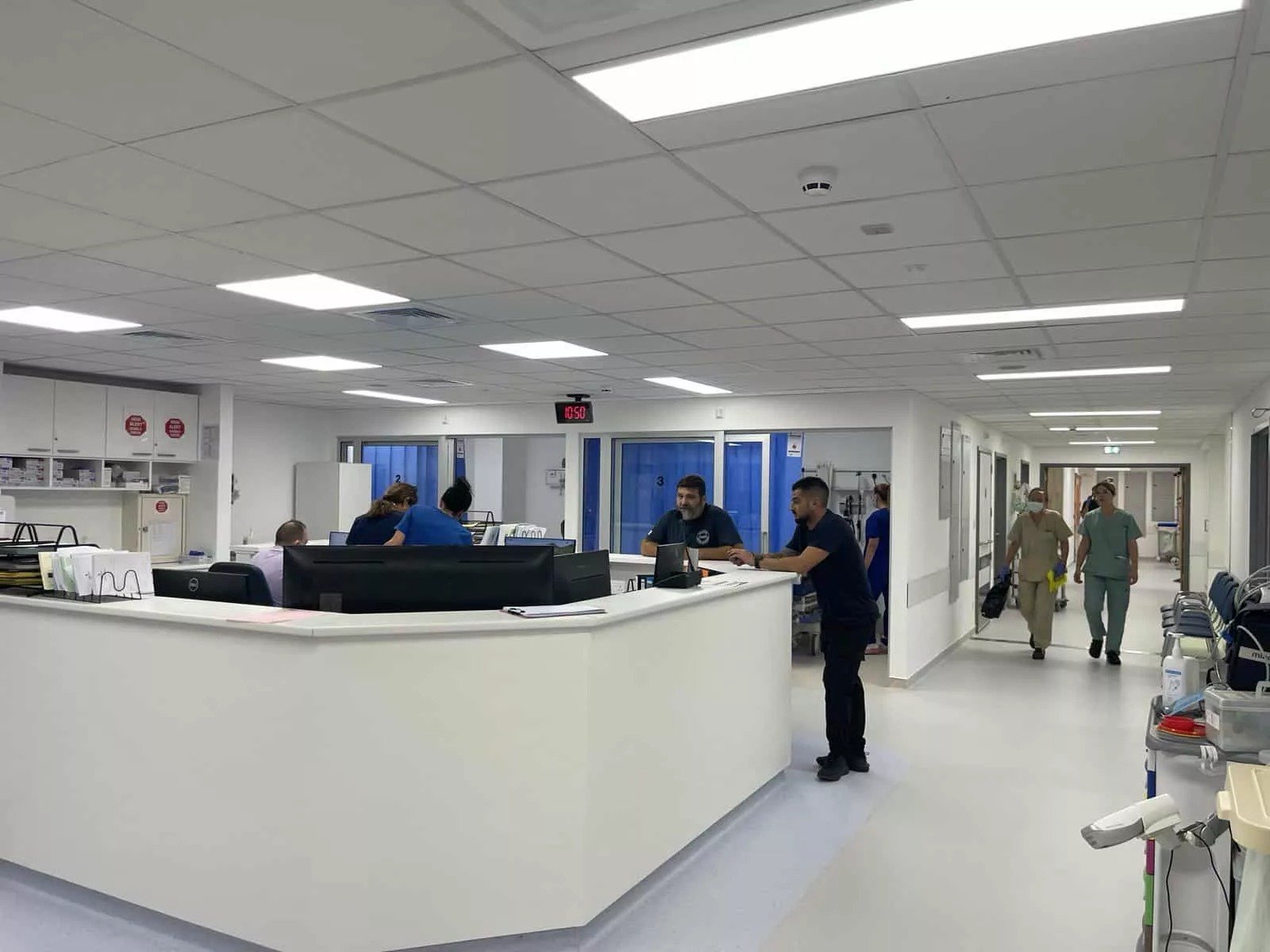
    flu deaths — Seven flu deaths have been reported in Cyprus this winter, highlighting the ongoing health crisis as hospitals struggle with bed shortages. The Health Ministry’s deputy general director, Dr Elisavet Konstantinou, confirmed the deaths during a briefing with the Cyprus News Agency (CNA) on Friday.

    The fatalities occurred between December and now, primarily affecting elderly patients who were hospitalised in facilities linked to the surveillance network. Most of those who died had underlying health conditions, underscoring the virus’s severe impact on vulnerable populations.

    As of the latest figures, 98 flu cases required hospitalisation across the island, with 85 patients admitted to state-run health facilities and 13 to private hospitals. Among these cases, 39 were confirmed through molecular laboratory tests, while the remaining 59 were identified with rapid antigen tests.

    In light of the surge in seasonal infections, Dr Konstantinou convened an emergency meeting with various healthcare stakeholders on Friday. This gathering aimed to enhance coordination and manage the increasing pressure on the healthcare system.

    During the meeting, representatives from the State Health Services Organisation (SHSO), Health Insurance Organisation (HIO), and private hospitals discussed collaborative strategies for patient management. Dr Konstantinou reassured the public that the health system is “adequately prepared” for the current challenges and highlighted vaccination as a critical part of their strategy.

    With the flu’s prevalence on the rise, the Health Ministry is urging citizens, particularly those in high-risk categories, to adhere to personal protection measures. Dr Konstantinou emphasised the importance of good hygiene practices, including regular handwashing and wearing masks in closed environments.

    “Due to increased seasonal flu activity, the Health Ministry reminds the public about individual protection measures that should be taken,” she stated. Citizens are advised to cover their mouths and noses when coughing or sneezing, avoid close contact with symptomatic individuals, and ensure proper ventilation indoors.

    In addition to these recommendations, frequent disinfection of surfaces that are commonly touched, such as door handles and mobile devices, is encouraged. Masks should also be worn during visits to hospitals or nursing homes to protect those who are most vulnerable.

    If individuals experience symptoms like fever, cough, or difficulty breathing, Dr Konstantinou recommends self-isolation and wearing a mask when around others. Prompt testing and consultation with personal doctors for potential antiviral treatment are also crucial steps in managing symptoms effectively.

    Dr Konstantinou concluded her remarks by reiterating the significance of vaccination, particularly for those at high risk of severe illness. She stated, “Vaccination against flu remains the most effective preventive measure against serious illness.”

  • Cannabis legalisation — The Case for Cannabis Legalisation in Cyprus: Weighing the Pros and Cons

    Cannabis legalisation — The Case for Cannabis Legalisation in Cyprus: Weighing the Pros and Cons

    The debate over cannabis legalisation in Cyprus has taken a significant turn, as Volt Cyprus introduces a proposal advocating for its regulation. This initiative aims to address the issue of organised crime, which dominates the drug trade on the island. Drawing insights from the experiences of countries like Germany, Malta, and Portugal, Volt contends that proper regulation can enhance social cohesion, safeguard public health, and provide notable economic advantages.

    Photo: in-cyprus.philenews.com

    Understanding the Proposal from Volt Cyprus

    Volt Cyprus’s proposal is seen as a bold move within the conservative landscape of Cypriot society. The party intends to foster public discussion on the subject before formally submitting a draft law. According to Phileleftheros, Volt’s approach is to encourage dialogue among citizens, experts, and scientists to explore the implications of cannabis legalisation thoroughly.

    Four Pillars of the Proposal

    • Society and Health: Volt aims to reduce stigma surrounding medical cannabis use by integrating it into the General Healthcare System (GESY). They propose treating addiction as a health issue rather than a criminal one and implementing quality health controls.
    • Economy and Development: The proposal suggests that legalisation could create hundreds of jobs, boost agricultural production, and generate significant state revenue.
    • Environment: Promoting industrial hemp is seen as a sustainable alternative for various industries, contributing to CO2 sequestration and soil restoration.
    • Justice and Youth: The proposal advocates for an end to the unjust stigmatisation of minor cannabis offences, focusing instead on prevention and education.

    Expert Opinions on Cannabis Regulation

    Dr. Giorgos Mikellides, a psychiatrist and Clinical Associate Professor at the University of Nicosia Medical School, supports the idea of regulation. He argues that while cannabis is a psychoactive substance with associated risks, criminalisation does not effectively reduce its use. Instead, it drives users to the black market, which lacks quality control and safety measures. He points out the importance of establishing regulations similar to those for alcohol and tobacco.

    Addressing Misconceptions

    Dr. Mikellides challenges the notion that cannabis serves as a ‘gateway’ to harder drugs, stating that this perception arises from the illegal distribution environment rather than the substance itself. He cites studies showing that countries with legal cannabis regulation experience lower risks associated with such transitions. Furthermore, he compares cannabis to alcohol, highlighting that while both substances carry risks, cannabis has a significantly lower impact on mortality and aggression.

    Concerns Raised by the Cyprus Addictions Authority

    In contrast to Volt’s stance, the Cyprus Addictions Authority takes a more cautious approach. Dr. Christos Minas, the president of the Authority, maintains that cannabis is a narcotic and highlights the potential hazards associated with its use, including acute intoxication and risks to mental and physical health. He presents data indicating that a substantial percentage of emergency department visits for poisoning in Europe are linked to cannabis.

    Alternative Approaches to Cannabis Policy

    Dr. Minas suggests that instead of outright legalisation, Cyprus could explore de-penalisation—transforming personal cannabis use from a criminal to a non-criminal offence, akin to a parking violation. He emphasises the need for careful consideration and public dialogue to determine the most suitable approach for Cyprus, given its unique national and economic context.

    A Broader Perspective on Cannabis Legalisation

    The debate surrounding cannabis legalisation in Cyprus is not merely a local issue; it reflects a broader trend observed across many nations. Countries like Germany and Canada have implemented legalisation, and initial findings suggest that these measures can lead to a reduction in criminal cases related to possession. However, both experts and authorities caution against rushing into legalisation without a well-thought-out framework.

    Potential Benefits and Risks

    Proponents of cannabis legalisation argue that a regulated market could lead to numerous benefits, such as generating tax revenue, creating jobs, and improving public health through controlled access. However, concerns remain regarding mental health risks, particularly for vulnerable populations. The need for comprehensive education and responsible use is emphasised as critical components of any regulatory framework.

    Looking Ahead: The Future of Cannabis in Cyprus

    As discussions continue, the future of cannabis legalisation in Cyprus hangs in the balance. Volt’s initiative has certainly sparked interest and debate among the public and policymakers alike. The upcoming open forum organised by Volt aims to delve deeper into the implications of cannabis regulation, providing a platform for experts and citizens to engage in meaningful dialogue.

    Ultimately, the path Cyprus chooses will reflect not only the desires of its citizens but also the careful consideration of public health, economic benefits, and social implications. As the conversation evolves, it will be essential for all stakeholders to approach the issue with an open mind, grounded in scientific evidence and focused on the well-being of the community.

  • Foot-and-mouth disease — Foot-and-Mouth Disease Precautions Implemented at Key Crossing Points

    Foot-and-mouth disease — Foot-and-Mouth Disease Precautions Implemented at Key Crossing Points

    Foot-and-mouth disease precautions have been introduced at the Pergamos and Strovilia crossing points to mitigate the risk of an outbreak after cases were reported in the north earlier this week.

    • Foot-and-mouth disease precautions have been introduced at the Pergamos and Strovilia crossing points to mitigate the risk of an outbreak after cases were reported in the north earlier this week.
    • Importantly, while foot-and-mouth disease is highly contagious among animals, it poses no threat to human health.

    On Friday, officials from the British bases announced that precautionary disinfection measures were being enacted at these crossing points. Mark Hartley, head of customs and immigration, stated, “We are taking swift and responsible action. By working closely with the Republic of Cyprus veterinary services, we are doing everything possible to support our partners and keep everyone safe while maintaining smooth operations at crossing points.”

    The disinfection measures include the establishment of dedicated facilities for cleaning and a prohibition on the crossing of animal products. These steps were taken at the request of Cyprus veterinary services to safeguard both animal and public health.

    Reports of the disease first emerged from the Cyprus Turkish veterinarians’ association on Monday, noting a confirmed outbreak at a farm in Ayios Sergios, located in the Famagusta district. The association assured that “all necessary measures will be taken and implemented,” including quarantining and vaccinating affected animals, disinfecting the farm and related facilities, and restricting animal movement.

    Further developments were confirmed on Tuesday by Ankara’s Foot and Mouth Research Institute, which identified four additional cases at a livestock unit in Lapithos in the north. In response, Huseyin Cavus, the agriculture minister for the north, announced a quarantine of the affected area and a ban on animal movement. He indicated that about 13,000 animals—comprising cattle, sheep, and goats—would be vaccinated to prevent further spread of the disease.

    As of now, no cases of foot-and-mouth disease have been reported in the British bases or in the southern part of Cyprus. This viral disease primarily affects livestock, including cattle, pigs, goats, and sheep. While infected animals often recover, they may suffer from weight loss and reduced productivity in terms of milk and meat.

    Importantly, while foot-and-mouth disease is highly contagious among animals, it poses no threat to human health.

  • Cyprus Dodges Cancer Gene Scandal Linked to Sperm Donor of 197 Children

    Cyprus Dodges Cancer Gene Scandal Linked to Sperm Donor of 197 Children

    cancer gene — A sperm donor whose genetic mutation has condemned at least 197 children across Europe to a 90% chance of developing cancer fathered no children in Cyprus, the Health Ministry has confirmed.

    • A sperm donor whose genetic mutation has condemned at least 197 children across Europe to a 90% chance of developing cancer fathered no children in Cyprus, the Health Ministry has confirmed.

    The anonymous Danish donor, who was paid for his sperm while studying, unknowingly carried a defect in the TP53 gene. This mutation disables the body’s primary defence against cancer, resulting in a severe condition known as Li Fraumeni syndrome. This syndrome dramatically increases the risk of various cancers, particularly in childhood. Some children conceived from his sperm have already died, while others have been diagnosed with two different types of cancer.

    Cancer gene: Strict Regulations Shield Cyprus

    Cyprus managed to avoid the fallout associated with this case due to strict national laws that limit each donor’s sperm to a single family. The Health Ministry confirmed that although the donor’s sperm reached the island, no children were conceived from it. This was clarified following an investigation launched last spring, which began when the first 67 affected children were identified.

    Rising Numbers and Alarming Findings

    A recent BBC investigation revealed that the number of affected children has nearly tripled to at least 197, with the final count likely to be higher as data from several countries remains uncollected. Dr Edwige Kasper, a cancer geneticist at Rouen University Hospital in France, expressed concern over the situation, stating, “We have many children who have already developed cancer. We have some children who have already presented with two different cancers and some have already died at a very young age.”

    Genetic Mutation and Its Consequences

    The mutation affects the TP53 gene, which is crucial for preventing cells from becoming cancerous. Up to 20% of the donor’s sperm carried this dangerous variant. Any child conceived using affected sperm inherits the mutation in every cell of their body, leading to a significantly heightened cancer risk throughout their lives.

    Despite the serious implications of this mutation, the donor himself and his family were reported to be healthy, having passed all necessary screening tests. The European Sperm Bank acknowledged that such mutations are not typically detected during preventive genetic testing, which raises questions about the safety protocols in place.

    Failures in Monitoring Sperm Donor

    In a troubling turn of events, the European Sperm Bank temporarily blocked the donor in April 2020 after a child conceived from his sperm developed cancer. However, subsequent tests declared the result negative, leading to his re-approval. It was only in October 2023, after further analysis, that he was permanently blocked from donating. For 18 months following the first cancer diagnosis, his sperm remained available for use.

    A Growing Concern Across Europe

    The case first emerged publicly in June 2022 when Belgian newspaper Le Soir revealed that 52 children had been conceived using the donor’s sperm in Belgium alone between 2008 and 2017. An investigation by The Guardian then uncovered that a total of 67 children across Europe were affected, with many conceived through assisted reproduction in Belgium. The Belgian Health Ministry alerted other European nations, including Cyprus, about the potential risks.

    The Health Ministry’s Medically Assisted Reproduction Council has been monitoring the situation since the initial reports, and based on current data, no immediate concerns have been identified for Cyprus. However, the ongoing situation serves as a cautionary tale about the importance of rigorous screening and monitoring of sperm donors to prevent similar incidents in the future.

  • Health Minister Highlights Importance of Animal Health for Public Safety

    Health Minister Highlights Importance of Animal Health for Public Safety

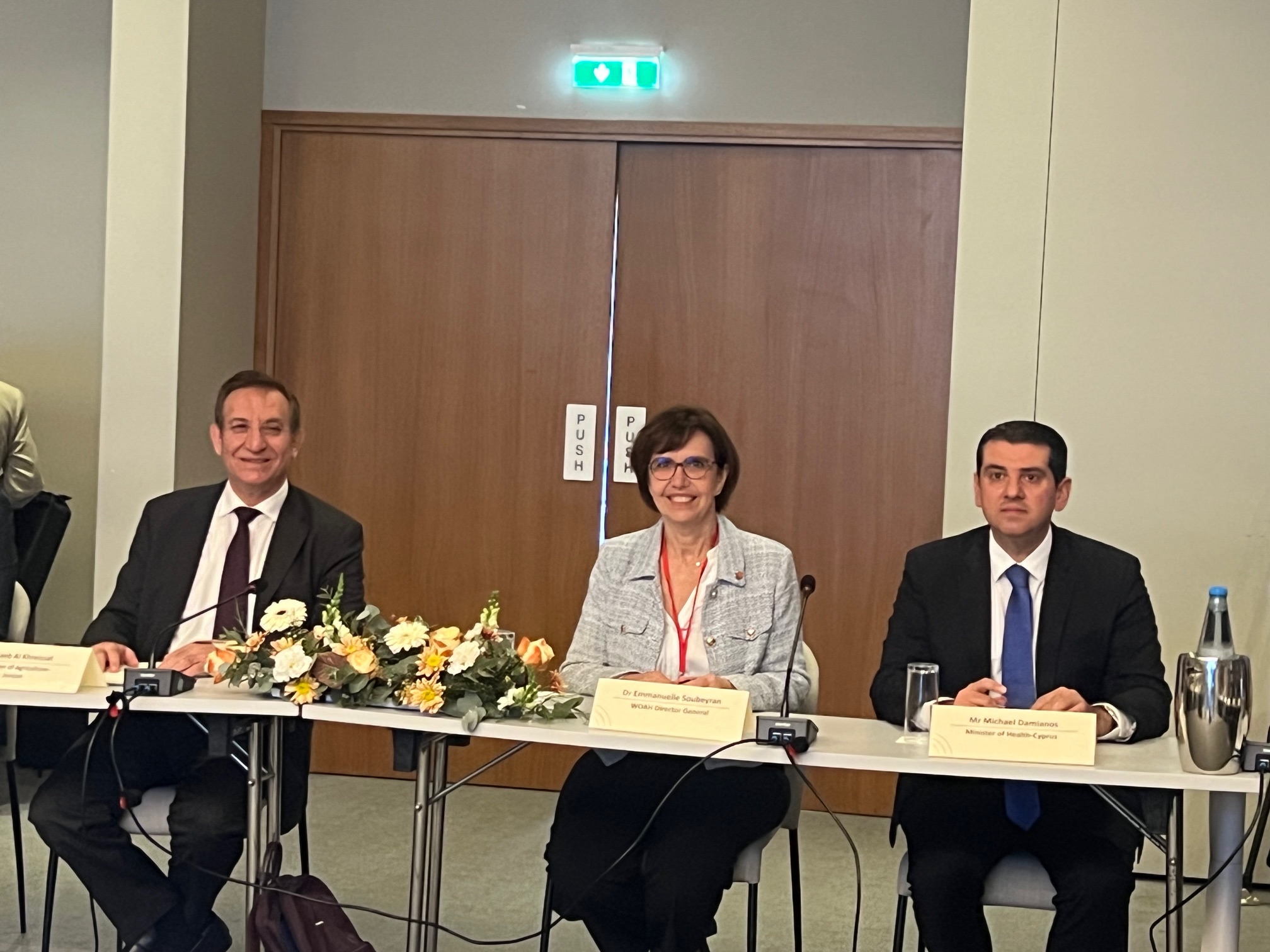
    Animal health is crucial for public health and food safety, emphasised Health Minister Michael Damianos at the 18th conference of the Middle East regional committee for the World Organisation for Animal Health (WOAH) in Larnaca. The conference, which convened on Monday and Tuesday, gathered experts, policymakers, and stakeholders committed to enhancing animal health standards across the region.

    Focus on Animal Health and Public Safety

    During his address, Damianos underscored the integral role of animal health in building resilient societies. He noted the relationship between animal well-being and food safety, highlighting that effective animal health measures are essential for ensuring the safety of food products consumed by the public. The conference aimed to address the challenges of zoonotic diseases—those transmitted between animals and humans—emphasising the need for comprehensive strategies.

    Climate Change and Animal Diseases

    Damianos also addressed the impact of climate change on animal health, noting that rising temperatures and changing weather patterns lead to the proliferation of various animal diseases. The health minister pointed out that these environmental shifts require the implementation of effective measures to manage animal populations and safeguard public health. “The distribution of animal diseases is expanding due to climate change, and we must adapt our strategies accordingly,” he stated.

    Proposed Measures for Improvement

    To combat the challenges posed by animal diseases, Damianos proposed a series of measures aimed at enhancing animal health and food safety. These include:

    • Robust Biosecurity Systems: Establishing strong biosecurity protocols to prevent disease outbreaks.
    • Early Warning Detection: Implementing systems for early detection of animal diseases.
    • Harmonised Field Surveillance: Enhancing surveillance and monitoring systems across the region.
    • Real-Time Molecular Diagnostics: Investing in advanced diagnostic technologies for quicker disease identification.
    • Risk-Based Vaccination Programmes: Developing vaccination strategies tailored to specific risks.
    • Cross-Border Information Exchange: Facilitating communication between countries to manage disease threats effectively.

    These initiatives are seen as vital for maintaining a healthy animal population and ensuring the availability of safe animal products for human consumption.

    Addressing Antimicrobial Resistance

    Damianos warned about the growing threat of antimicrobial resistance, which undermines both veterinary and human medicine. He advocated for the promotion and implementation of a national Antimicrobial Resistance action plan, stressing its importance for the effective management of this pressing issue. “Antimicrobial resistance poses a silent modern threat that we must address with urgency,” he said.

    Enhancing Veterinary Practices

    The minister also highlighted plans to bolster laboratory capacities and implement an e-prescribing platform for veterinary medicines. This initiative aims to ensure that all veterinary medications are prescribed by qualified animal health professionals, thereby improving the management of animal health and reducing the misuse of antibiotics.

    Collaboration and Shared Commitment

    Despite the complexities of the challenges ahead, Damianos expressed confidence in the collective expertise and commitment of the participants at the conference. He stated, “Although the challenges we face are complex, our collective expertise, shared values, and commitment to the principles of WOAH provide us with the necessary tools to overcome them.”

    A Regional Perspective on Animal Health

    Emmanuelle Soubeyran, the Director General of WOAH, echoed Damianos’s sentiments, highlighting the interconnectedness of animal healthcare and public health. She noted that many diseases affecting humans originate from animals, reinforcing the need for a unified approach to animal health. “Animal healthcare also concerns public health, given that many diseases can be transmitted between humans and animals,” she remarked.

    International Cooperation in Animal Health

    The conference also saw contributions from various regional leaders, including Jordanian Agriculture Minister Saeb Khreisat. Khreisat reaffirmed his commitment to improving animal healthcare and promoting safe international trade. He underscored the importance of collaboration, stating, “Diseases know no borders, and cooperation in times of need strengthens international ties.”

    As the conference continues, participants are expected to discuss further strategies and solutions to bolster animal health in the region, reflecting a strong commitment to ensuring public safety and food security across the Middle East.

  • Tobacco smuggling — Surge in Tobacco Smuggling from Occupied Territories Raises Alarm

    Tobacco smuggling — Surge in Tobacco Smuggling from Occupied Territories Raises Alarm

    Tobacco smuggling cases from occupied territories have surged, prompting serious concern from authorities. Over the past year, both foreign visitors and residents from government-controlled areas have increasingly crossed into the occupied north to engage in this illicit trade.

    Photo: in-cyprus.philenews.com

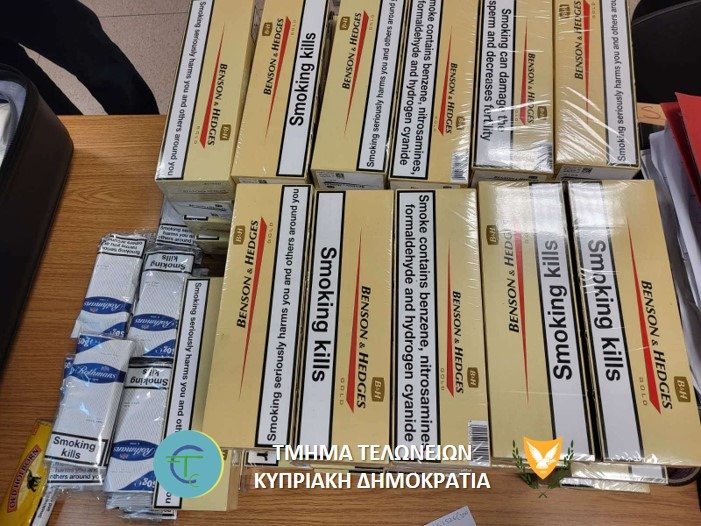
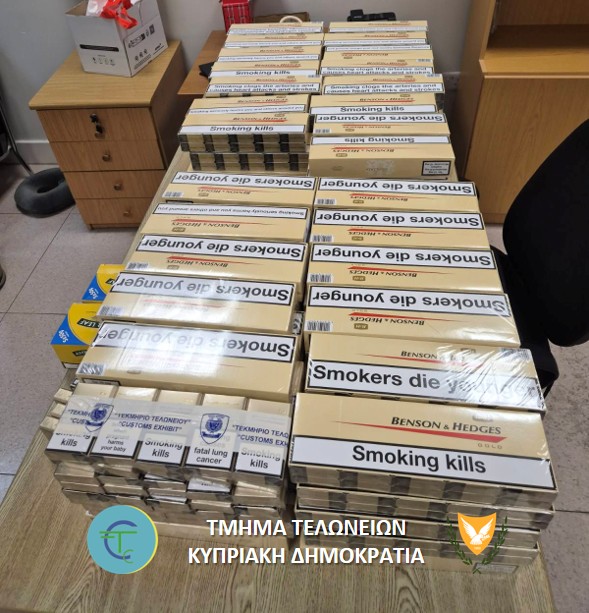
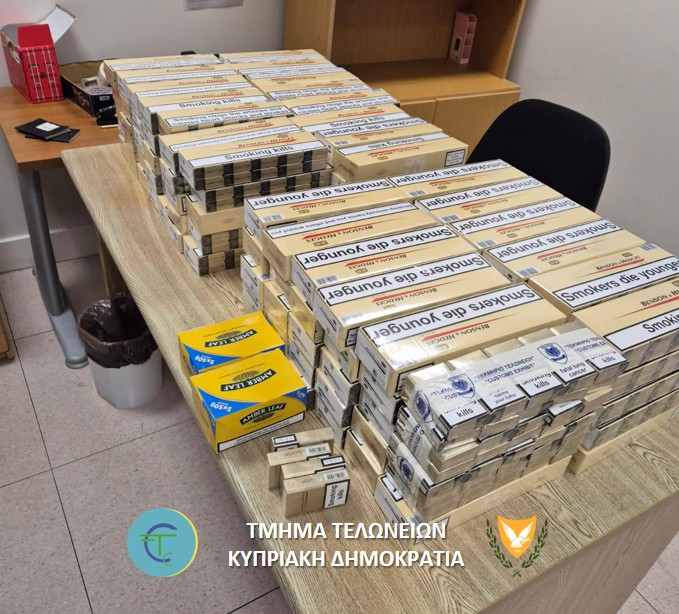
    Recently, at Paphos airport, a British man was intercepted just before his departure from the UK. Customs officials, acting on a tip-off, discovered a significant stash of tobacco products in his luggage. The haul included 135 cartons of 200 cigarettes each, along with four packets of 20 cigarettes and 500 grams of loose tobacco.

    Photo: in-cyprus.philenews.com

    Authorities noted that the seized products lacked the required warning labels in both Greek and Turkish, as well as the essential security features and unique traceability codes. This violation of regulations led to the man’s arrest, and he was remanded in custody for four days following a court appearance.

    This incident follows a notable case from last month, where a Greek-Cypriot man attempted to smuggle hundreds of cigarette cartons through the Ayios Dhometios checkpoint. The growing trend of tobacco smuggling has raised alarms, as it not only breaks local laws but also poses health risks due to the unregulated nature of the products being transported.

    The rise in these smuggling activities reflects a larger issue that authorities are grappling with, as they seek to enforce regulations and ensure public health is not compromised. The implications of such smuggling extend beyond immediate legal concerns, highlighting the need for stricter monitoring and enforcement at borders.

  • Duty-free cigarettes — Large Seizure of Duty-Free Cigarettes in Athienou

    Duty-free cigarettes — Large Seizure of Duty-Free Cigarettes in Athienou

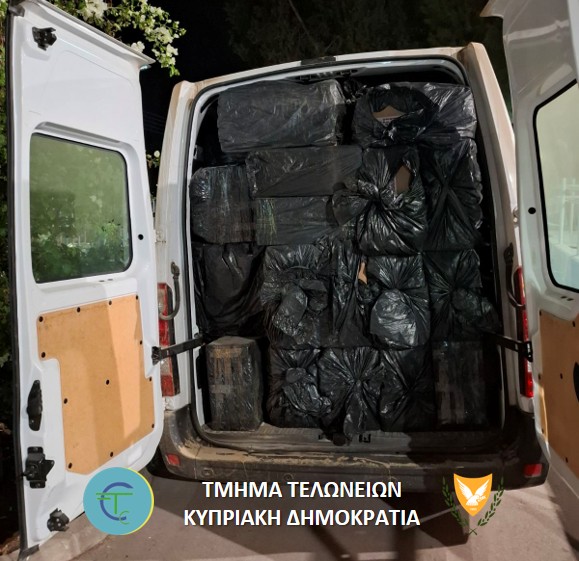
    A total of 6,400 boxes of duty-free cigarettes were seized in the Athienou-Lypmia area on Thursday, marking a significant enforcement action by local customs officials.

    • A total of 6,400 boxes of duty-free cigarettes were seized in the Athienou-Lypmia area on Thursday, marking a significant enforcement action by local customs officials.
    • The customs department announced that the seizure, valued at over €380,000 in unpaid duties, occurred during a routine search of a rental vehicle driven by a 51-year-old man.

    The customs department announced that the seizure, valued at over €380,000 in unpaid duties, occurred during a routine search of a rental vehicle driven by a 51-year-old man.

    Authorities discovered the tobacco products in the vehicle, each box containing 200 cigarettes. Alarmingly, the packs did not display the mandatory health warnings in Greek and Turkish, nor did they possess the unique traceability codes required for all cigarettes sold within the European Union.

    Following the discovery, the driver was arrested on charges related to the illegal transport of tobacco products. He is scheduled to appear before the Nicosia District Court on Friday to face the charges. Customs authorities have indicated that investigations into the case will continue as they seek to understand the broader implications of this seizure.

  • Larnaca Launches Door-to-Door Campaign to Tackle Mosquito Surge

    Larnaca Launches Door-to-Door Campaign to Tackle Mosquito Surge

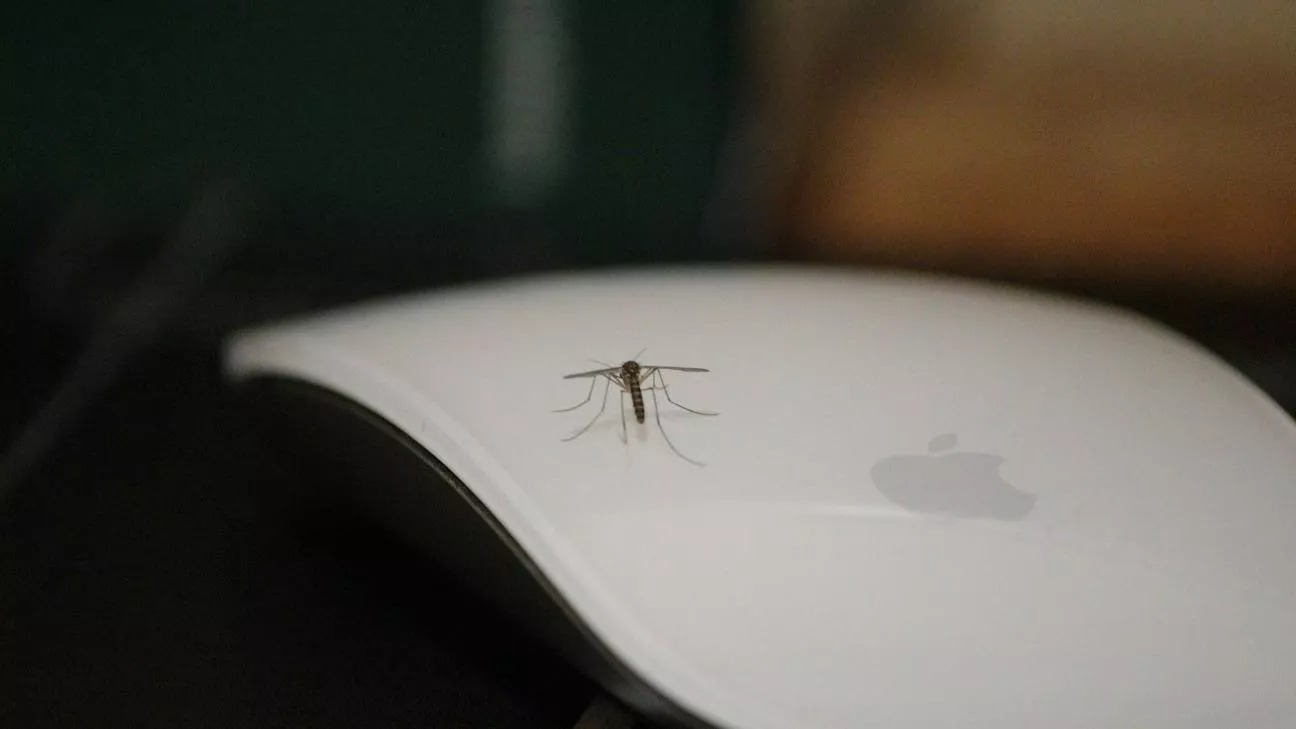
    mosquito surge — Larnaca municipality is actively addressing a surge in mosquito complaints through a door-to-door campaign in the Salt Lake area, where health officials have raised alarms about the presence of disease-carrying species in Cyprus.

    Mosquito surge: Municipal Efforts to Combat Mosquitoes

    The municipality’s Health Department is implementing a rigorous plan that includes spraying standing water, storm drains, and urban rivers every 10-12 days. This effort utilises biological insecticides that have been approved by the Ministry of Agriculture.

    Home Visits to Identify Breeding Sites

    Health teams from both municipal and provincial levels are visiting homes to help identify potential mosquito breeding sites and to educate residents about preventive measures. The department has noted that while standing water around the Salt Lake serves as a breeding ground for mosquitoes, spraying within the protected area itself is prohibited, with operations confined to the perimeter.

    Monitoring and Trapping

    To further combat the mosquito surge, the municipality has placed traps throughout the area. The Ministry of Health conducts regular checks to assess whether the mosquitoes pose a public health threat, testing samples to determine if disease-carrying species are present.

    In addition to common mosquitoes, residents report bites from sandflies, referred to as “silent mosquitoes,” along with other insects that thrive in trees, hedges, and decaying leaves.

    Identifying Home Breeding Sites

    The municipal Health Department spokesperson has indicated that the mosquito problem is exacerbated by two primary sources. Mosquitoes can breed inside homes, where authorities have identified common breeding sites including:

    • Plant pots
    • Exposed water containers
    • Old tyres
    • Small fountains

    “The campaign is year-round and covers the municipal districts under our jurisdiction, namely Livadia and Voroklini,” the spokesperson explained.

    Targeting Aedes Aegypti Species

    Health Ministry teams are conducting a focused door-to-door campaign aimed at the Aedes aegypti mosquito, educating the public on effective control measures. This species is particularly concerning due to its ability to transmit various infectious diseases.

    High-Risk Locations for Mosquito Breeding

    Municipal officials have pinpointed several locations that require special attention due to their potential for mosquito breeding:

    • Disused swimming pools
    • Old septic tanks not properly sealed
    • Construction site excavations
    • Old tyres and water storage barrels
    • Blocked storm drain grilles
    • Cemetery flower vases

    Disused swimming pools pose a major concern, while improperly sealed septic tanks create additional breeding grounds. Construction sites, too, can inadvertently contribute to the problem, especially if excavations collect water.

    Managing Tyre Risks

    Old tyres are particularly problematic, especially at outdoor tyre repair shops or garages. Authorities emphasise the importance of regularly removing tyres by licensed companies. If tyres are to remain on site for extended periods, they must be stored in covered areas to prevent rainwater accumulation.

    Flower Vases in Cemeteries

    Officials have also highlighted that cemetery flower vases can become breeding sites if water remains stagnant for long periods. Residents are advised to change the water in these vases every seven days to mitigate the risk.

    Health Risks Associated with Mosquitoes

    The mosquito species now identified in Cyprus are not just a nuisance; they can transmit serious infectious diseases to humans. These include:

    • Yellow Fever virus
    • Dengue Fever
    • Zika virus
    • West Nile virus

    As the mosquito situation escalates, public health officials are urging residents to remain vigilant and proactive in preventing mosquito breeding in and around their homes.

    Community Engagement and Support

    The municipality’s door-to-door campaign aims not only to inform residents but also to foster community engagement in combating the mosquito problem. Public cooperation is crucial in identifying and eliminating potential breeding sites.

    Officials encourage residents to report any issues they encounter, whether it be stagnant water or potential breeding grounds, to the municipality’s Health Department, ensuring a collective effort in managing this pressing public health concern.

  • Volt Party Advocates for Cannabis Legalisation in Cyprus

    Volt Party Advocates for Cannabis Legalisation in Cyprus

    cannabis legalisation — cannabis legalisation — The Volt party has introduced a proposal to legalise cannabis in Cyprus, focusing on four key pillars aimed at reducing court cases, enhancing public health, boosting the economy, and benefiting the environment.

    Arguing that regulated cannabis use for adults over 18 is a progressive step rather than a retreat by the state, Volt emphasises the need for a modern, evidence-based reform. The party highlighted that Cyprus currently enforces some of the strictest cannabis laws in the EU, leading to a burden on the legal system, social stigma for young people, and a flourishing black market.

    In their statement, Volt referenced the experiences of several European nations, including Germany, Malta, and Portugal, which have successfully implemented regulations that promote social cohesion, safeguard public health, and yield significant economic gains.

    Cannabis legalisation: Four Pillars of Legalisation

    Volt’s proposal is anchored in four main pillars:

    • Society and Health: The party aims to reduce stigma around medical cannabis, integrate it into the National Health System (GESY), treat addiction as a health issue, and enforce quality health checks for public safety.
    • Economy and Development: The initiative is expected to create numerous jobs, enhance agricultural production, attract investment, and promote cannabis tourism, potentially generating tens of millions of euros in revenue for the state.
    • Environment: Volt plans to advocate for industrial hemp as an eco-friendly alternative for products like paper, textiles, and biofuels, while also addressing CO2 capture and soil restoration efforts.
    • Justice and Youth: The proposal seeks to end the unfair stigma attached to minor cannabis offences, emphasising prevention and education over prosecution and freeing up law enforcement resources to tackle serious crime.

    Volt firmly believes that the time has come for Cyprus to adopt a realistic regulatory framework that can effectively manage what has historically been a shadow market. The party contends that such a framework will protect citizens, reduce crime rates, support public health, and drive economic development.

    In their call to action, Volt has invited the public, stakeholders, and citizens to engage in a dialogue about a new cannabis policy that prioritises the needs of the people and promotes progress.

  • Hiv prevention — Cyprus Introduces Free HIV Prevention Drug Programme in Nicosia and Larnaca

    Hiv prevention — Cyprus Introduces Free HIV Prevention Drug Programme in Nicosia and Larnaca

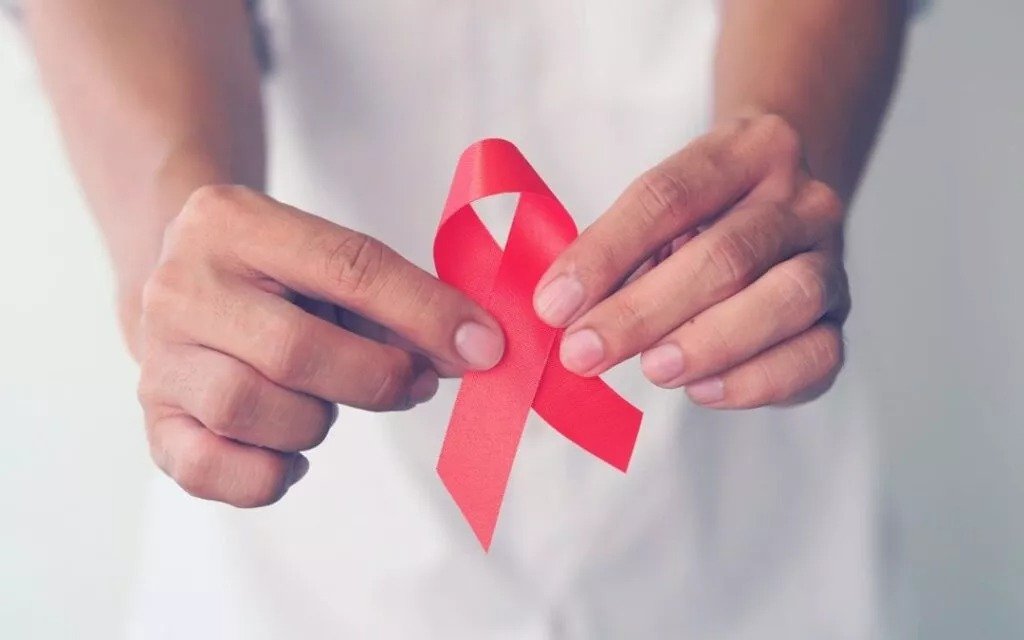
    hiv prevention — hiv prevention — The launch of Pre-Exposure Prophylaxis (PrEP) services marks a monumental step in Cyprus’ efforts to combat HIV. This initiative allows HIV-negative individuals to take medication that significantly lowers their risk of contracting the virus upon potential exposure.

    In a press release, the Health Ministry highlighted that this scientifically proven preventive method aligns with practices already established in numerous European countries, adhering to the guidelines set forth by the European Centre for Disease Prevention and Control (ECDC). The introduction of PrEP is not just a medical advancement; it embodies Cyprus’ commitment to enhancing public health and reducing new HIV diagnoses.

    The new PrEP services will be available free of charge at public health facilities in Nicosia and Larnaca, ensuring complete confidentiality for users. Appointments can be made for afternoon clinics starting from 9 October 2025. This initiative will be supervised by specialist doctors, providing essential support and guidance to those in need.

    Moreover, individuals looking for additional information and assistance can reach out to the AIDS Solidarity Movement through the Cyprus PrEP Point. This resource aims to connect citizens directly with Health Ministry services, ensuring that support is readily available.

    By implementing this programme, Cyprus not only enhances its public health framework but also aligns with international standards in addressing HIV infections. As the country steps into this new era of proactive health measures, the potential for reducing the impact of HIV is more promising than ever.