Tag: renewable energy

  • Cyprus and Lebanon Finalise Exclusive Economic Zone Agreement After Two Decades of Negotiation

    Cyprus and Lebanon Finalise Exclusive Economic Zone Agreement After Two Decades of Negotiation

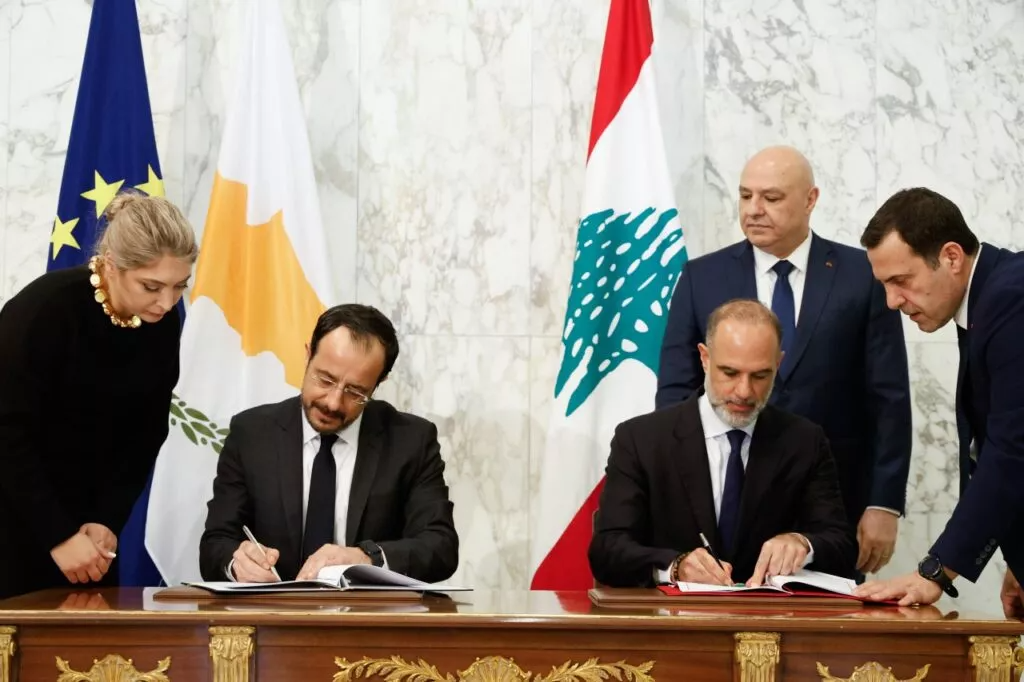
    exclusive economic — Cyprus and Lebanon have officially signed an exclusive economic zone (EEZ) delimitation agreement, concluding a dispute that has lasted two decades and paving the way for collaborative energy exploration in the eastern Mediterranean.

    Exclusive economic: Historic Signing Ceremony

    The agreement was signed on Wednesday at Baabda Palace, with President Nikos Christodoulides of Cyprus and President Joseph Aoun of Lebanon presiding over the event. The Cypriot President, alongside Lebanon’s Minister of Transport and Public Works, Fayez Rassamny, represented their respective nations in this significant accord.

    Legal Certainty for Investors

    Both leaders expressed that the agreement establishes maritime boundaries, providing essential legal clarity for potential investors interested in energy exploration. Following the ceremony, President Christodoulides remarked that the signing is a milestone for bilateral relations, emphasizing the importance of international law and good neighbourly relations.

    A Strong Political Message

    President Christodoulides described the signing as a strong political message, indicating that Cyprus and Lebanon are committed to fostering trust and mutual respect. He highlighted the role of Lebanese political will in making this agreement possible, acknowledging the efforts of President Aoun, Prime Minister Nawaf Salam, and Lebanon’s political leadership.

    He commended the negotiating teams led by Rassamny and Cyprus’s national security adviser, Tasos Tzionis, for their diligent work, which he described as “tireless and methodical” and conducted “in a spirit of trust and transparency.”

    Strengthening Bilateral Cooperation

    During his address, Christodoulides noted that this marks the third exchange of visits between the two leaders in less than a year, reflecting the strong ties that bind the two nations. He underscored the agreement’s potential to enhance cooperation in crucial sectors such as energy and infrastructure.

    Exploring Maritime Resources

    President Aoun welcomed the agreement, stating it would enable both countries to begin exploring their maritime resources and bolster cooperation at this level. He outlined potential new joint projects in various sectors, including renewable energy, telecommunications, electricity transmission, and tourism.

    Joint Defence Initiatives

    The Lebanese president also noted the ongoing cooperation in defence and security, mentioning a joint search and rescue centre operated by both nations’ defence ministries. This initiative signifies a commitment to regional stability and collaboration in addressing common challenges.

    Feasibility Study for Electrical Interconnection

    In a significant development, both presidents announced their intention to pursue a feasibility study for an electrical interconnection between Cyprus and Lebanon. They have approached the World Bank to assist in this project, which has the potential to enhance energy cooperation.

    Broader Bilateral Discussions

    Aside from energy cooperation, the leaders engaged in discussions on broader bilateral cooperation, regional developments impacting both nations, and Lebanon’s relations with the European Union. Aoun expressed anticipation for Cyprus to assume the presidency of the Council of the European Union in the first half of 2026, hopeful that it will facilitate stronger ties with the EU.

    Invitation for Future Collaboration

    In closing, President Christodoulides reaffirmed Cyprus’s support for Lebanon’s sovereignty and territorial integrity, declaring Cyprus as a reliable partner in the region. He extended an invitation to President Aoun for upcoming events, including the EU presidency assumption ceremony on 7 January and a Council meeting in April, where sectors such as energy and education will be discussed.

    This EEZ delimitation agreement not only marks a significant step in Cyprus-Lebanon relations but also opens the door for future collaboration in energy and infrastructure, reflecting a commitment to mutual prosperity in the eastern Mediterranean.
  • Cyprus Embraces Competitive Electricity Market for Citizens and Businesses

    Cyprus Embraces Competitive Electricity Market for Citizens and Businesses

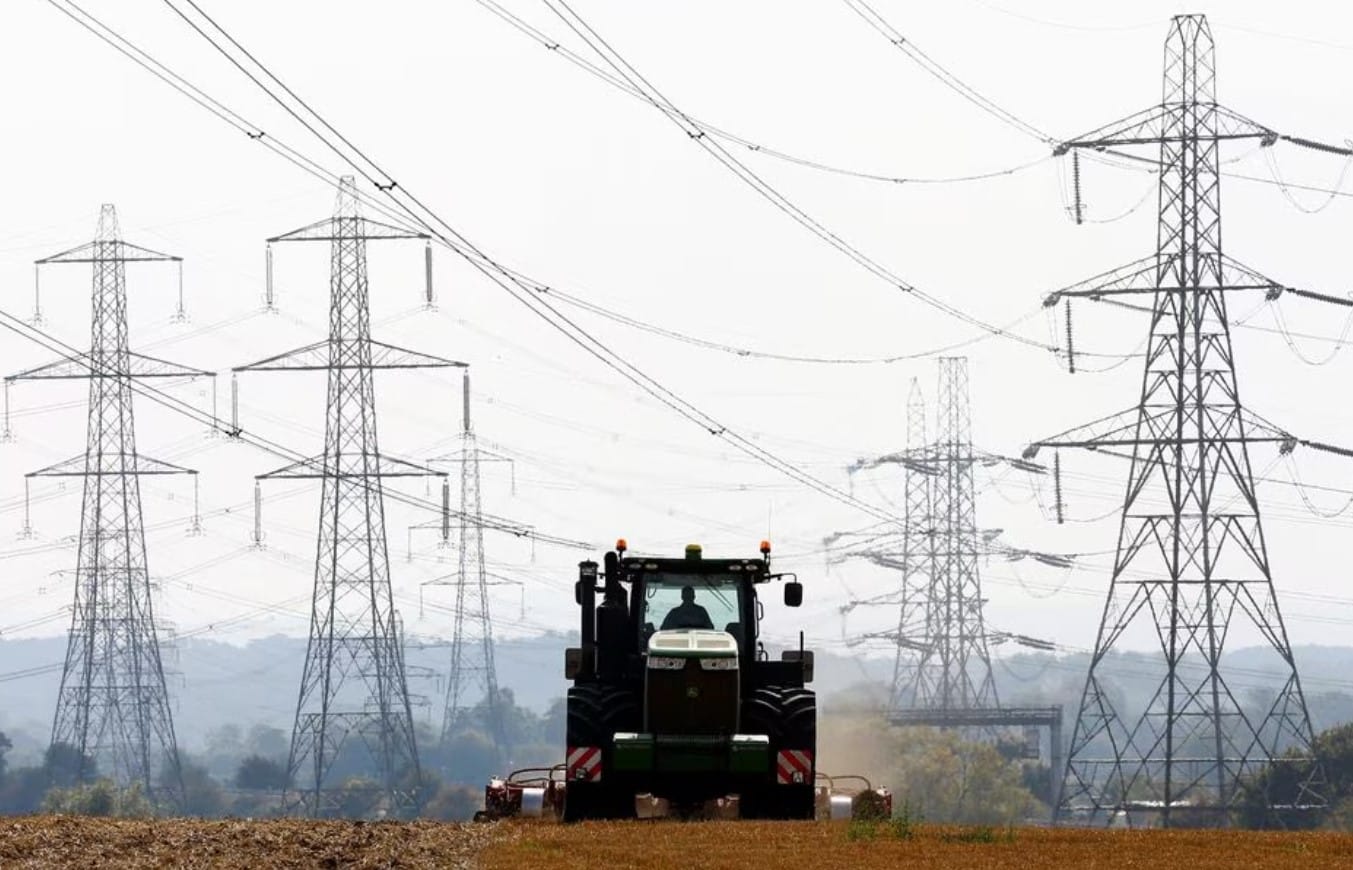
    electricity market — For the first time, citizens and businesses in Cyprus can choose their electricity supplier, marking a significant shift in the country’s energy landscape. Government spokesman Konstantinos Letymbiotis announced the opening of the long-awaited competitive energy market on Thursday during a press briefing at the presidential palace.

    Letymbiotis described this initiative as “a new page in the energy course of our country”, with nine energy producers now vying for the attention of consumers. As of Wednesday, individuals and enterprises can explore a competitive environment to select their preferred electricity provider.

    Electricity market: A Shift Towards EU Standards

    The new market structure follows the European Union’s target model, which Letymbiotis explained is akin to an energy exchange. He stated that this model introduces much-needed transparency, reliability, and rules similar to those in most EU nations. Prices will be determined through forward, day-ahead, and real-time balancing mechanisms designed to keep costs fair for consumers.

    In his remarks, Letymbiotis acknowledged that these reforms should have been implemented in 2021. He reflected on the past, noting that Cyprus had been stuck in a transitional period plagued by delays that ultimately harmed consumers and the nation’s energy strategy. “Through persistent preparation, we have now made reality what for years remained on paper,” he asserted.

    Empowering Consumers and Businesses

    The benefits of the competitive market are expected to be profound for consumers. They will now have the opportunity to compare prices, select suppliers that best meet their needs, and even access green energy products. From January 2026, changing suppliers will take just 24 hours, free of charge, ensuring full transparency throughout the process.

    Businesses, too, stand to gain from this competitive landscape. Letymbiotis highlighted that the ability to negotiate with multiple suppliers could lead to better pricing and tailored solutions, ultimately helping to reduce operating costs. He also pointed to the potential for participation in energy-saving and renewable programmes to bolster competitiveness.

    However, he tempered expectations, noting that immediate price reductions may not materialise. He drew a parallel to the telecoms market, where increased competition eventually led to improved efficiency and competitiveness. He believes the same will happen with the Electricity Authority of Cyprus (EAC).

    Concerns from Opposition

    Not everyone shares the government’s optimistic outlook. The opposition party Akel voiced concerns regarding the timing and execution of the market launch. They pointed out that the delays allowed certain private renewable producers to reap excess profits, raising questions about whether this new market structure will genuinely bring down electricity costs for households and businesses.

    Akel stated, “The critical question is whether this market, as designed, will bring about real reductions in electricity costs for households and businesses. So far, the government has not given a clear answer.” They echoed the European Union’s apprehensions, warning that the current model might keep consumers locked into high prices.

    In its criticism, the party argued that any substantial relief would only come with the introduction of natural gas for power generation, increased integration of renewables into the EAC’s energy mix, improved storage solutions, energy-saving initiatives, and tax reductions. They accused the government of falling short on these fronts.

    A Vision for the Future

    In response to the opposition’s concerns, Letymbiotis reiterated that the reforms are part of a broader strategy aimed at enhancing sustainability and energy security for Cyprus. He emphasised that alongside the new competitive market, the government plans to incorporate more renewable energy sources, improve storage capabilities, and upgrade the energy network.

    He firmly believes that these combined efforts will ultimately lead to reduced costs and stronger energy security. Letymbiotis concluded, “This policy will reduce costs, strengthen sustainability and ensure energy security for Cyprus.” As the competitive electricity market unfolds, its true impact on consumers and the broader economy remains to be seen.

  • TSO Reviews 18 Energy Storage Applications in Cyprus

    TSO Reviews 18 Energy Storage Applications in Cyprus

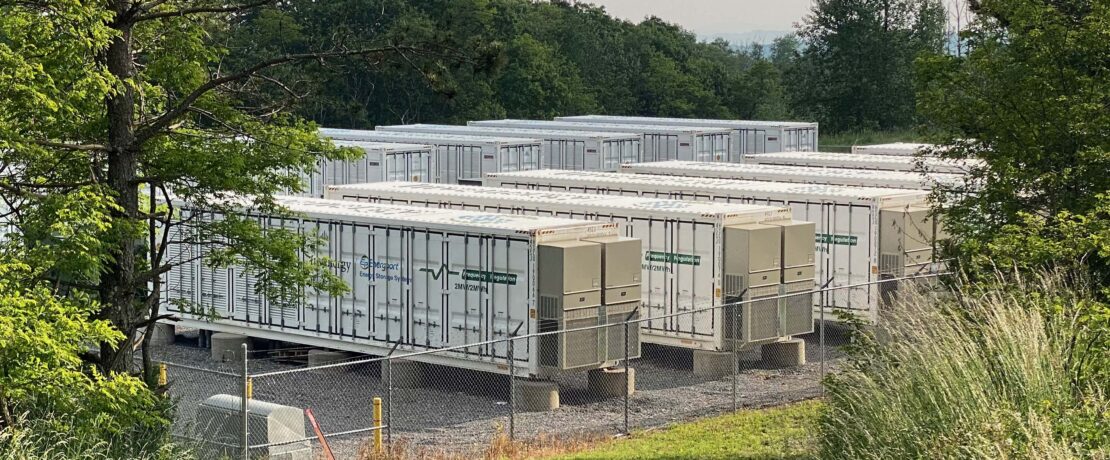
    The Transmission System Operator (TSO) is currently reviewing 18 applications for energy storage projects in Cyprus, signalling a significant step towards enhancing the country’s energy infrastructure.

    In a recent statement, the TSO announced that it is collaborating with the Electricity Authority of Cyprus to facilitate the processing of these applications. The total capacity of the proposed energy storage systems amounts to 416 megawatts (MW) and 1,485 megawatt hours (MWh).

    Energy storage: Challenges for Some Applicants

    Among the 18 applications, six have encountered issues due to technical requirements associated with the construction of large energy storage facilities. The TSO has determined that establishing a transmission substation is necessary for these larger projects. However, this requirement has posed challenges for applicants who are limited by the physical space allocated to them.

    Despite these hurdles, the TSO is in discussions with the Electricity Authority of Cyprus to explore the possibility of granting permits for these applications, albeit at lower power outputs than initially proposed.

    Prospects for Other Applications

    The remaining 12 applications appear to have a more favourable outlook. The TSO indicated that these projects are likely to receive permits for connection to the medium-voltage system, which would enable them to proceed more smoothly.

    Preliminary Approvals Granted

    In addition to the ongoing reviews, the TSO has already granted preliminary approval for connection to the medium-voltage system to eight additional applicants, representing a combined capacity of 231 MW and 570 MWh.

    To promote transparency, the TSO has made the full list of applications available on its website, allowing the public to easily access information about the energy storage projects under consideration.

    The Role of the TSO

    The Transmission System Operator plays a critical role in maintaining the stability of Cyprus’s energy grid. Their responsibilities include balancing supply and demand, ensuring system security, and overseeing the overall maintenance of the electricity network.