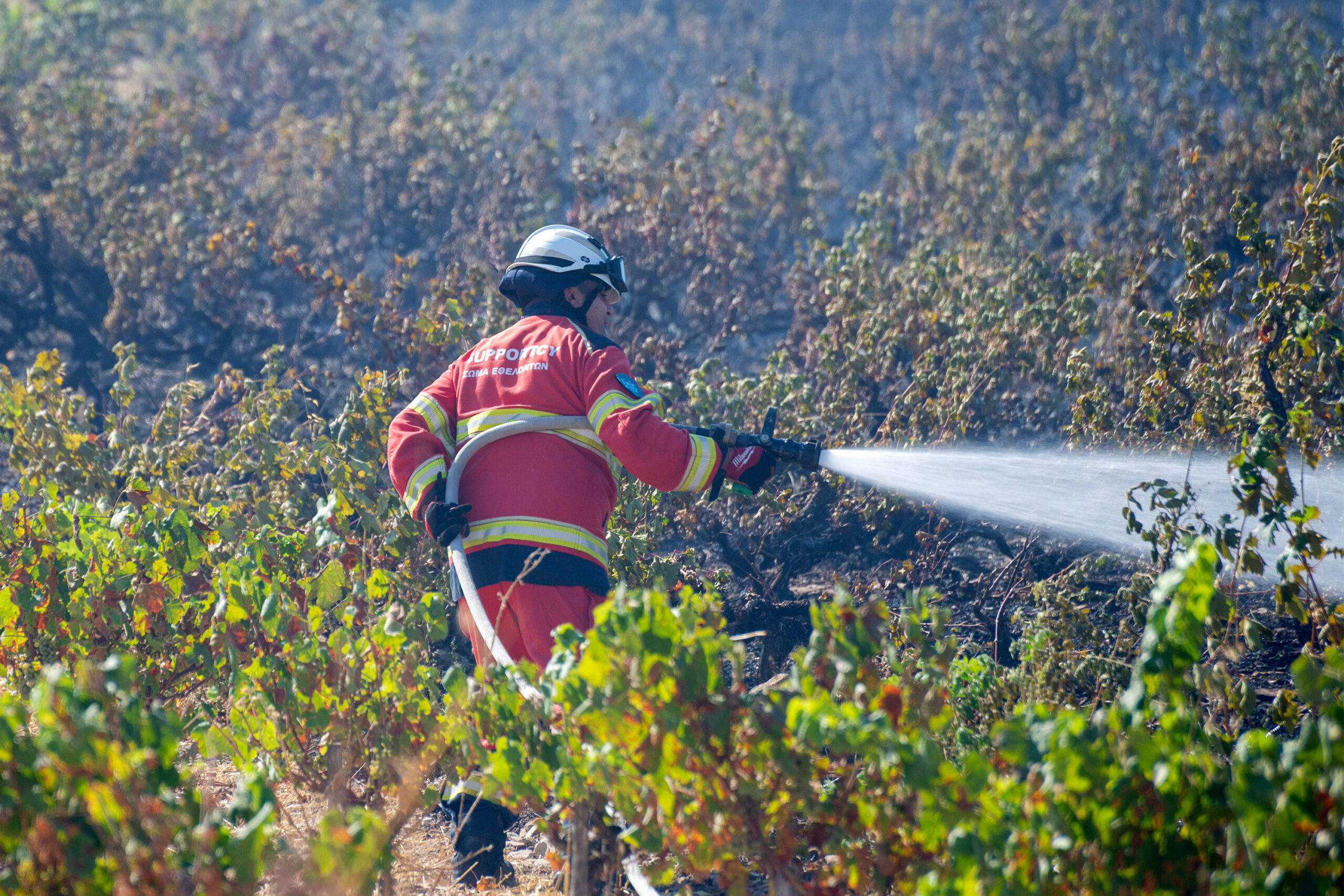
Tepak farm, part of the Cyprus University of Technology, is facing significant repair costs of approximately €80,000 following damage from a recent wildfire in Limassol.
- Tepak farm, part of the Cyprus University of Technology, is facing significant repair costs of approximately €80,000 following damage from a recent wildfire in Limassol.
A detailed report, prepared by the Department of Agricultural Sciences, Biotechnology and Food Science, has been submitted to the university’s rectorate. Professor Demetris Tsaltas indicated that the funds are primarily needed for replacing equipment destroyed in the blaze.
Tepak farm: Wildfire’s Impact on Agriculture
The wildfire, which broke out on July 23 in the wine villages of Limassol, affected the farm’s 16 hectares of cultivated land, including greenhouses, offices, and storage areas. While many of the crops, such as vineyards and fruit-bearing plants, escaped direct contact with the flames, the extreme temperatures scorched the exterior of some plants.
Assessing Damage and Recovery
Professor Tsaltas explained that the situation remains fluid, as the coming weeks will reveal which plants can be salvaged and which need to be replaced. He expressed concern that this year’s production will suffer losses, along with potential impacts on next year’s yields.
Students conducting research projects at the farm have also been affected. To mitigate the damage, efforts are underway to manually water some plants, enabling students to continue their work despite the adversity.
Plans for Restoration
The aim is to minimise disruption to research and teaching at the farm, with hopes to restore operations by the 2026–27 academic year. The speed at which restoration funds are released will play a critical role in purchasing necessary equipment and materials.
Initial inspections have revealed some positive signs, with certain trees showing signs of life despite their damaged appearance. However, Tsaltas cautioned that determining the true extent of recovery will require weeks or even months. The forthcoming winter and spring months are seen as crucial for the farm’s resurgence.
Environmental Concerns
In addition to the visible damage, Tsaltas noted potential long-term impacts on soil quality due to pollutants from the fire. Concerns have been raised regarding toxic substances that may leach into groundwater, posing further challenges for future cultivation.
The Role of Sustainable Practices
In discussions surrounding fire prevention, Tsaltas highlighted the importance of maintaining well-cultivated areas. He mentioned that isolated crops surrounded by uncultivated land could limit fire spread, but stressed that heat stress would still affect production. Maintaining agricultural areas is vital to preserving their character and reducing vulnerability to such disasters.
Moreover, grazing practices can assist in managing low vegetation, reducing the risk of future fires. As efforts to restore Tepak farm continue, the focus will remain on sustainable agricultural practices to safeguard against future threats.