working through — Working through a heatwave presents significant challenges for outdoor labourers, particularly as temperatures soar to 45 degrees Celsius. While many individuals enjoy the comfort of air-conditioned environments, countless workers toil under the unforgiving sun, facing serious health risks.
The Labour Inspection Office plays a pivotal role in safeguarding these workers during extreme weather. Their inspectors conduct surprise visits to ensure compliance with safety regulations, especially when the Meteorological Service issues orange and red warnings. This summer alone, 310 inspections were carried out, resulting in 58 fines and 36 prohibition notices, according to Aristodimos Economides, the department’s director.
Despite these efforts, concerns linger about the effectiveness of the inspections. Violations are rampant across various sectors, including construction, agriculture, and restaurant kitchens. When weather alerts are issued, inspectors are dispatched to ensure that outdoor work ceases during critical hours, typically between 11 am and 5 pm. A labour inspection officer explained, “When there is an orange warning, from 12 pm to 4 pm, work must be interrupted for outdoor spaces and manual labour.”
Heavy penalties await employers who disregard these regulations, with fines ranging from €500 to €1,000 for continuing work during extreme heat. However, the reality for many workers is harsh; when work is interrupted, they often have to make up the hours during subsequent shifts or face reduced pay.
In many cases, the conditions that should ensure worker safety remain unmet. In restaurant kitchens, for instance, staff endure not only the outdoor heat but also the oppressive temperatures generated by cooking equipment. Many establishments lack proper ventilation, fans, or adequate break times, leaving workers to suffer in silence.
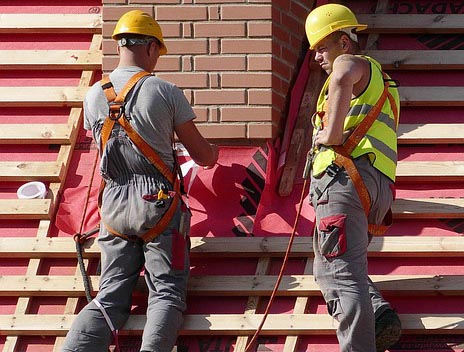
As inspections may not always happen as frequently as needed, some workers have taken the initiative to contact inspectors themselves when they feel their working conditions are inadequate. Construction workers have expressed frustration over perceived negligence from inspection officials. “Oftentimes, contractors take over projects they cannot complete on time, and we as the workers are forced to work long hours in the scorching sun,” lamented one worker.
While larger construction sites may see inspectors more often, smaller projects often lack oversight. An anonymous worker voiced disbelief, stating, “I was not even aware that a labour inspection office existed, that’s how rarely we see them!”
The pressure to meet deadlines can lead contractors to flout safety regulations. One contractor, when asked about interrupting work during heat alerts, responded incredulously, “Of course we carry on working! Otherwise, when would the project finish?”
To cope with the heat, some contractors resort to providing refreshments like Coke Zeros and water, but this barely addresses the underlying issues. Workers frequently prefer to stay on-site rather than lose pay, often seeking shade when possible. Many outdoor workers lack appropriate clothing to protect themselves, relying on everyday attire. A self-employed painter shared, “I just wear my everyday clothes, and when it gets unbearable, I just go home.”
Conversely, some contractors do take heat protection seriously, opting for lighter clothing and ensuring their teams stay hydrated and take breaks in shaded areas. One contractor noted that inspection officers had indeed visited their site, indicating that some compliance exists.
The increasing temperatures and environmental challenges highlight the urgent need for better regulation of working conditions for manual labourers. As the demand for outdoor work continues, ensuring that these conditions are safe and compliant has never been more critical.