Mythology as a Cultural Bridge
Mythology has a profound ability to transcend physical borders, as showcased in the recent Myths and Tales of Cyprus Exhibition at the European Parliament in Strasbourg. The event marked the beginning of Cyprus’ presidency of the EU Council and aimed to introduce attendees to the island’s rich cultural heritage.
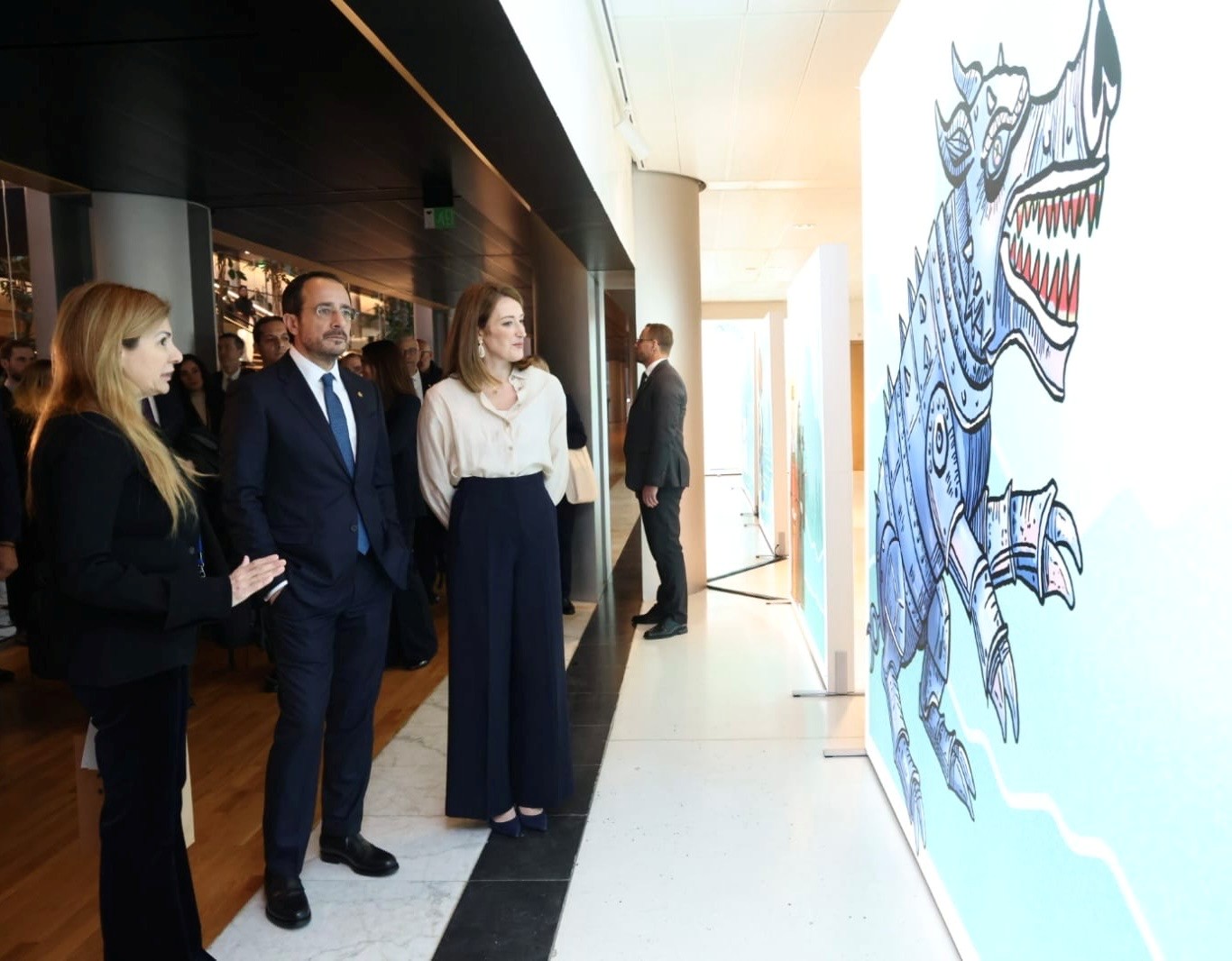
Photo: cyprus-mail.com
A Rich Tapestry of Stories
The exhibition features eight captivating stories that highlight the deep-rooted myths of Cyprus, each reflecting the island’s history and values. According to Aliki Stylianou, Director of the Press and Information Office, these narratives are not just remnants of the past but living traditions that connect generations.
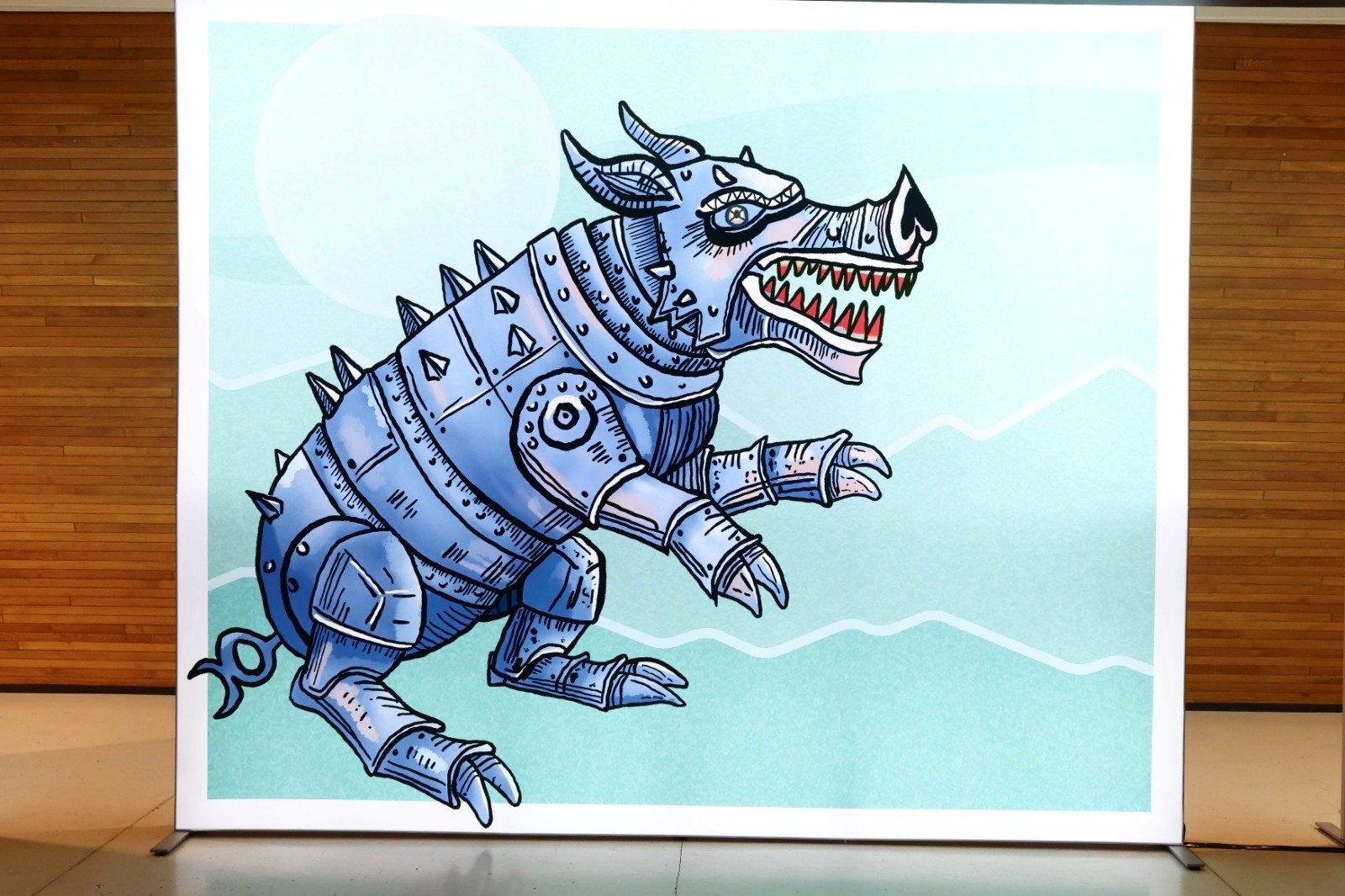
Photo: cyprus-mail.com
The Dragons of Cyprus
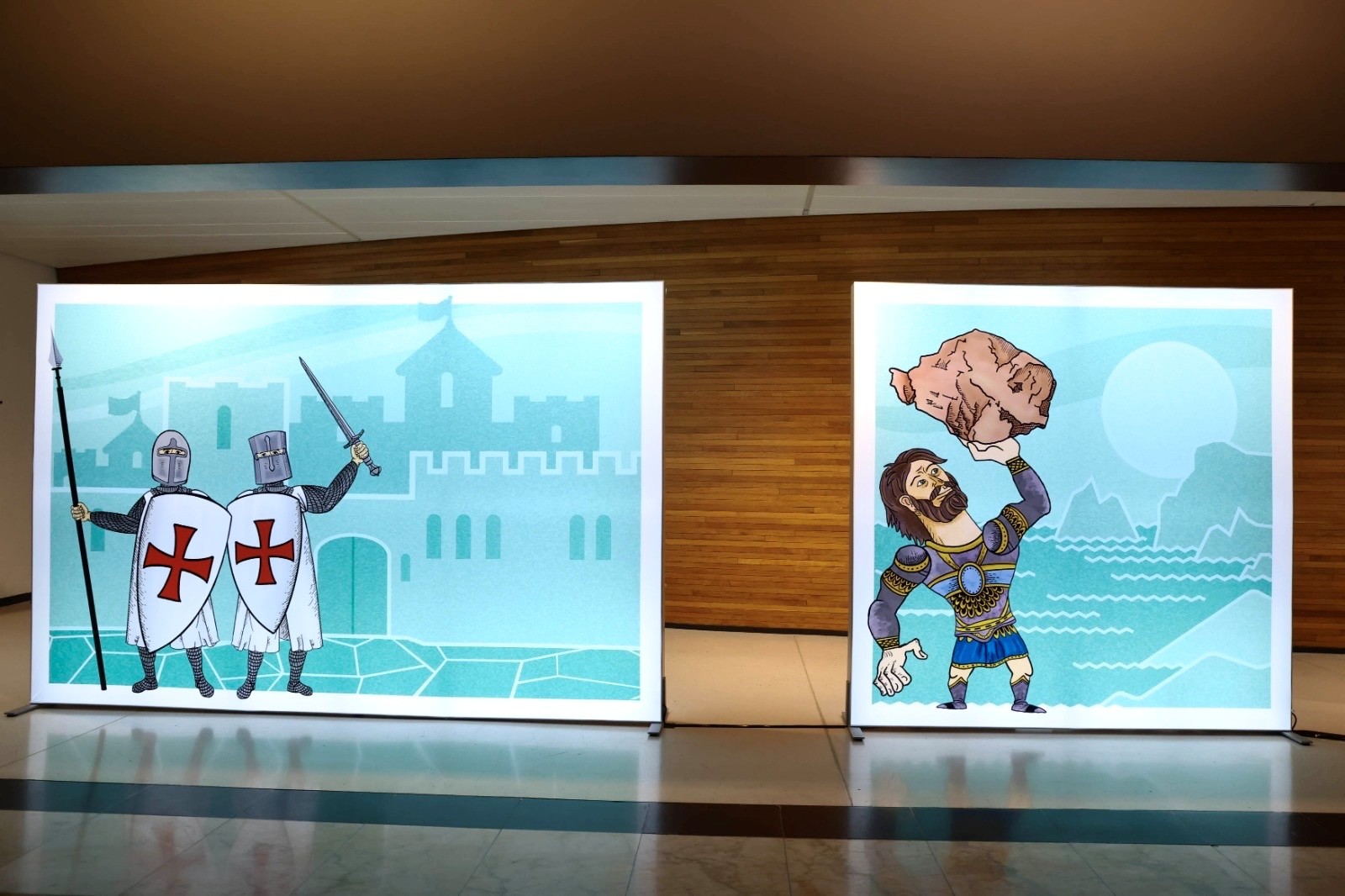
The first story introduces the Dragons, formidable creatures that symbolize power and fear. Two dragons from different regions of Cyprus, one from Paphos and the other from the Mesaoria plain, are said to have fought for control over the island’s precious water resources. The Paphian dragon eventually dominated the Tillyria area, noted for its picturesque villages such as Kato Pyrgos and Pomos.
The Wine of Commandaria
The second tale revolves around Commandaria, the renowned Cypriot wine named after the Commandery of Limassol. This wine, crafted during the Third Crusade, gained fame not only for its rich taste but also for its historical significance, as it was enjoyed by European royalty. The Knights Templar, the first rulers of Cyprus, played a key role in its production, creating a legacy that endures to this day.
The Heroic Digenis Akritas
Next, visitors learn about Digenis Akritas, a legendary hero whose strength was said to rival that of mountains. Born of a Muslim general and a Byzantine noblewoman, Digenis became a symbol of resistance against invaders. His legendary prowess included hurling boulders at approaching ships, with one of the most famous sites being Petra tou Romiou in Paphos, where Aphrodite is said to have emerged from the sea.
Saint Helena’s Journey
The tale of Saint Helena, mother of Constantine the Great, addresses a time of crisis in Cyprus marked by drought and demonic infestations. Helena’s arrival brought hope as she released cats to control the snake population and trapped the demons, thereby restoring peace. Her journey also led to the discovery of a fragment of the Holy Cross, which is commemorated at the Mountain of the Cross.
The Iron Beast Sierolotta
In a more whimsical narrative, the Iron Pig, or Sierolotta, terrorised the villagers of Doros, stealing water and livestock. A fearless monk confronted her and, with divine intervention, sealed her away for a millennium. This story serves as a reminder of the struggles faced by the community and the resilience found in faith.
Noah’s Ark and the Great Flood
The exhibition also recounts the story of Kataklysmos, the Great Flood, during which Noah’s Ark is said to have docked in the Troodos mountains. This tale has shaped local traditions, with the Festival of the Flood celebrated in Larnaca, marking the connection between myth and cultural identity.
The Tragic Love of Adonis
The myth of Adonis, born from the tragic tale of Myrrha, underscores themes of beauty, love, and loss. Adonis’s dual existence between Aphrodite and Persephone illustrates the cyclical nature of life, celebrated every spring in Paphos through the planting of seeds symbolising renewal.
The Treasures of Regina’s Castle
Finally, the story of Regina and her castle at Boufavento introduces an element of intrigue and mystery. The queen’s betrayal of her workers and the legend of a hidden treasure that may one day be revealed adds a layer of suspense, encapsulating the hopes and dreams of the people.
The Significance of Cultural Heritage
In his address at the exhibition, President of the European Parliament Roberta Metsola emphasised the importance of culture in shaping identity and fostering unity. He referenced Jean Monnet’s belief that culture should be the foundation of European integration, highlighting how shared myths can bridge divides and connect communities.
The Myths and Tales of Cyprus exhibition serves as a reminder that culture is a universal language that can bring people together, transcending geographical and historical barriers. As Cyprus stands at the crossroads of three continents, its myths resonate with broader European narratives, enriching the continent’s cultural tapestry.
Living Myths in Modern Life
Today, the tales of Cyprus continue to influence the lives of its people. From festivals celebrating ancient legends to the ongoing storytelling that connects past and present, these myths remain vibrant threads in the fabric of Cypriot culture. They remind us that while borders may divide, shared stories can unite us in our common humanity.