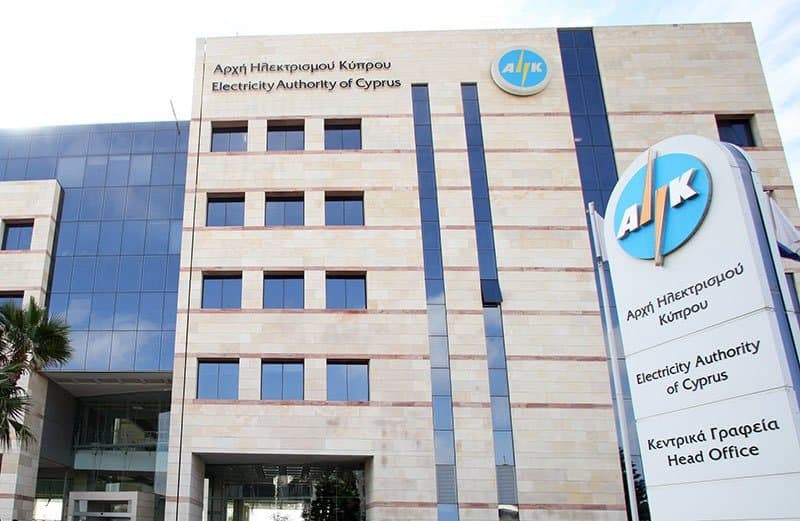
The electricity authority of Cyprus (EAC) has issued a warning to consumers about phishing emails falsely claiming that their electricity bills remain unpaid. These deceptive communications have been reported recently and are designed to mislead customers into thinking they owe money and must act immediately.
Understanding the Phishing Threat
The EAC stated that the emails, which bear the subject line “Urgent Warning: Unpaid Electricity Bill”, typically encourage recipients to click on a link that leads to a payment portal. However, this link does not originate from the EAC and is instead a trap set by cybercriminals to harvest personal and financial information.
Recent Incidents Highlight the Risk
In an official statement to the Cyprus News Agency, the EAC confirmed that it has seen a rise in reports from consumers receiving these fraudulent emails. The authority emphasised that these messages are part of a broader trend of phishing attacks targeting individuals and organisations alike.
How to Identify Phishing Emails
Phishing emails often exhibit certain characteristics that can help recipients recognise them as fraudulent. The EAC recommends looking for:
- Generic Greetings: Phishing emails often use non-specific salutations like ‘Dear Customer’ instead of personalising the message.
- Urgency: Many phishing attempts create a false sense of urgency, prompting recipients to act quickly without thinking.
- Unusual Attachments or Links: Legitimate organisations rarely send unsolicited emails with attachments or links. Hover over links to see the actual URL before clicking.
- Strange Email Addresses: Check the sender’s email address for discrepancies; often, phishing emails come from addresses that do not match official domains.
By staying vigilant and recognising these signs, consumers can better protect themselves from falling victim to such scams.
What to Do If You Receive a Suspicious Email
For anyone receiving an email that appears to be from the EAC or any other organisation, the first step is to verify its authenticity. The EAC advises consumers to:
- Do Not Click: Avoid clicking on any links or downloading attachments until the email’s legitimacy is confirmed.
- Contact the EAC Directly: Reach out to the EAC using official contact details found on their website to confirm whether they sent the email.
- Report the Email: If the email is confirmed to be a phishing attempt, report it to the relevant authorities or the EAC directly so they can take appropriate action.
Taking these precautionary steps can help prevent personal data from being compromised.
Broader Implications of Phishing Scams
Phishing scams are increasingly common in today’s digital environment, affecting not just individuals but also businesses and public services. These attacks can lead to significant financial loss and damage to reputation. The EAC’s warning serves as a reminder of the importance of cybersecurity awareness and the need for ongoing education regarding online threats.
Protecting Yourself Online
Consumers are encouraged to adopt good online practices to safeguard their personal information. Some effective strategies include:
- Use Strong Passwords: Employ unique and complex passwords for different accounts and consider using a password manager.
- Enable Two-Factor Authentication: This adds an extra layer of security by requiring a second form of verification when logging in.
- Regularly Monitor Accounts: Keep an eye on bank statements and online accounts for any unusual activity.
By implementing these measures, individuals can significantly reduce their risk of falling victim to phishing and other online scams.
Continuing Education and Awareness
The EAC continues to prioritise consumer awareness around such threats through various educational initiatives. They aim to inform the public about recognising phishing attempts and understanding the importance of cybersecurity.
As cyber threats evolve, remaining informed and cautious is essential for all consumers. The EAC encourages everyone to stay alert and take proactive steps to protect their personal information.