Tag: school safety

  • Cyprus Implements Pilot Programme for Social Workers in Schools

    Cyprus Implements Pilot Programme for Social Workers in Schools

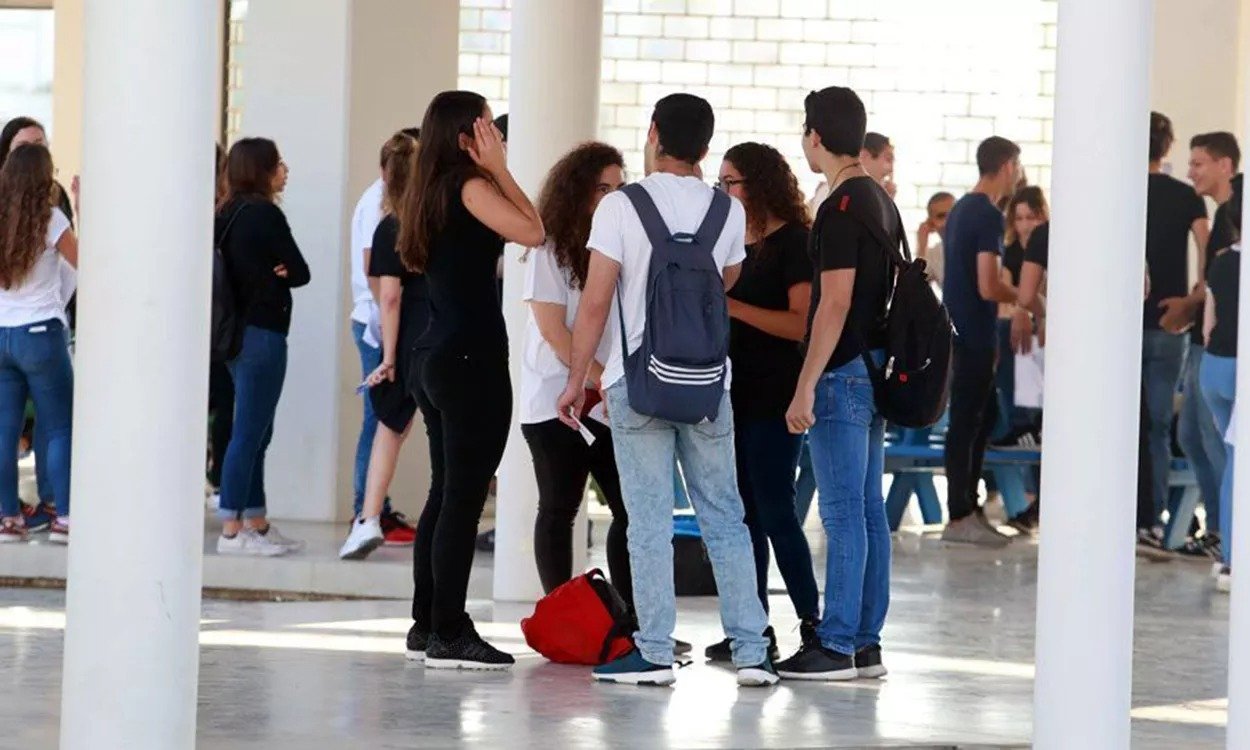
    Cyprus will pilot social workers in schools this year as part of a significant educational reform initiative designed to enhance mental resilience and address violence among students. Education Minister Athena Michailidou announced this innovative programme, which will also include educational psychologists, during a recent address to the Cyprus News Agency.

    The ministry’s 2026 priorities reflect a shift towards equipping students with practical skills rather than relying solely on rote learning. Michailidou emphasised the importance of moving away from ‘content, rote learning and excessive theory’ to foster skills vital for navigating both the job market and everyday life.

    Social workers: Transforming Educational Approaches

    This shift aligns with broader European educational priorities, but Michailidou insists it will be approached in a balanced manner that integrates humanistic education and values. The introduction of social workers in schools aims to provide a holistic support system for students, tackling issues of violence and delinquency while also promoting mental well-being.

    Addressing Special Education Needs

    The ministry is also making strides in special education reform, with Michailidou revealing that consultations are at an advanced stage. The proposed amendments aim to create a more unified and inclusive educational framework for students with diverse needs.

    New Protocols for Violence Prevention

    In conjunction with the pilot programme, the ministry has developed protocols and recommendations to assist teachers in addressing delinquency. These resources are being distributed to schools in both electronic and printed formats. Teacher groups dedicated to violence prevention are being established, alongside enhanced roles for school counsellors and class teachers, all of which aim to foster a supportive environment.

    Statistical data indicates that these roles have been effective, with students feeling more comfortable reaching out to trusted staff members. Furthermore, the ministry is investing in security measures, including surveillance cameras and the deployment of security officers in many secondary schools, to create a safer educational setting.

    Modernising Work Experience Initiatives

    Another component of the ministry’s agenda is the reintroduction of a work experience programme for Year 11 students, set to launch in March or April. Under this programme, students will spend three days a week in workplaces of their choice, supervised by school staff. This initiative is designed to enhance career skills and provide students with a clearer understanding of their vocational paths.

    Michailidou expressed the importance of ensuring that students are well-informed and prepared for their future careers. The ministry has also begun piloting career guidance in 16 primary schools, helping students explore various educational and career options.

    Commitment to Disability Rights

    During her address, Michailidou also addressed concerns regarding the treatment of people with disabilities. She stressed that all students, regardless of their abilities, must be treated equally and with respect. The minister condemned any statements that may degrade or insult individuals with disabilities, particularly in the educational context.

    As Cyprus moves forward with these initiatives, the focus remains on creating an inclusive, supportive, and modern educational environment that prioritises both academic skills and the personal development of students.
  • New Bill Aims to Tackle Traffic Congestion with Innovative Measures

    New Bill Aims to Tackle Traffic Congestion with Innovative Measures

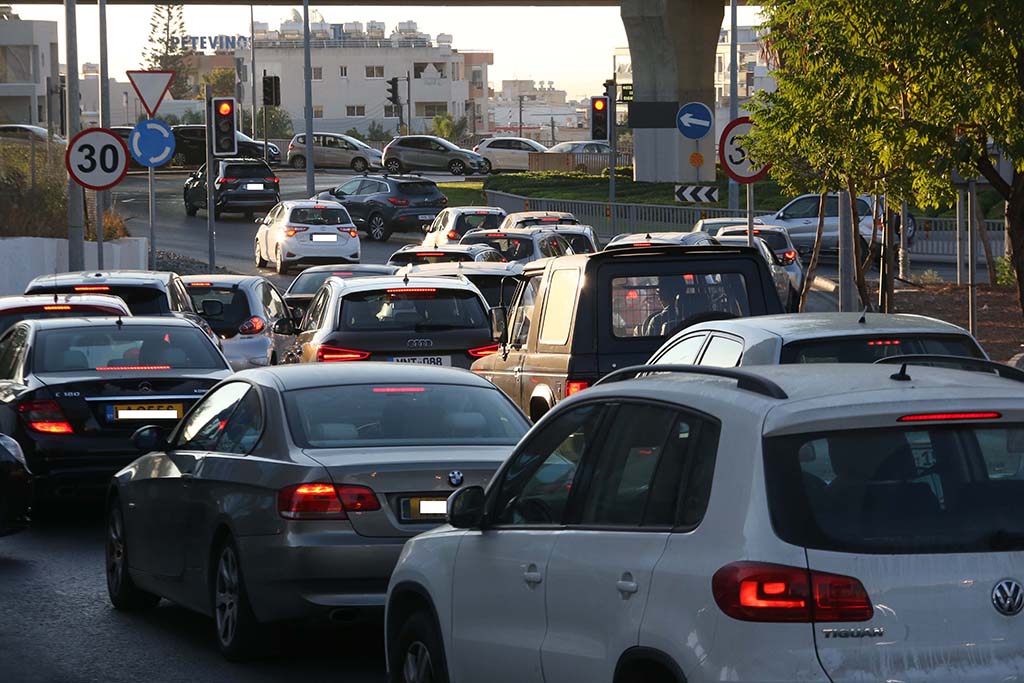
    A new bill proposes key measures to ease traffic congestion, addressing management of obstruction in school zones, staggered working hours, and the publication of traffic flow indicators.

    • A new bill proposes key measures to ease traffic congestion, addressing management of obstruction in school zones, staggered working hours, and the publication of traffic flow indicators.
    • Funding for the bill will be sourced from the traffic management fund, supported by resources from the recovery and resilience fund, the European cohesion fund, and the transport ministry.

    Disy MP Fotini Tsiridou, who submitted the bill on Monday, emphasised the need for a comprehensive, realistic, and fair approach that will not burden citizens. “This proposal aims to change the mentality of travel and upgrade our quality of life,” she stated.

    The road network decongestion and sustainable mobility law sets ambitious targets, including a 20 per cent reduction in peak-time travel in major roadways, a 25 per cent increase in public transport usage, and a 50 per cent reduction in parking violations within bus lanes and flow zones.

    According to Philenews, the proposed bill includes the establishment of traffic management centres (TMCs) for each district, operating under the transport ministry’s oversight. These centres will coordinate traffic lights, manage priority lanes for buses and multi-passenger vehicles, handle towing and road incidents, and publish monthly data on delays and emissions.

    In an effort to promote public transport, the bill aims to expand and protect priority lanes while creating multiple passenger travel lanes for cars carrying at least three individuals. Each district will be required to designate at least three ‘flow zones’ where stopping or parking will be prohibited from 7am to 7pm. Vehicles parked in these areas will be towed within ten minutes at no cost to the driver, following an approved safety and transparency protocol.

    To enhance safety for students, the bill proposes establishing 200-metre school zones around each educational institution. During peak arrival and departure times for students, these zones will only be accessible to school buses, parents, residents, and emergency vehicles. The police and municipal authorities will oversee these zones to ensure compliance.

    Another measure within the bill focuses on distributing working hours in the public sector across three time zones: 7am to 3pm, 8am to 4pm, and 9am to 5pm, aiming to reduce simultaneous traffic. Private companies with over 50 employees will be required to submit a mobility plan that includes staggered hours or teleworking for at least one day per week for 20 per cent of their workforce.

    Transparency and public access to data are significant components of the proposed legislation. The ‘Open Cyprus Traffic System’ is set to launch, providing monthly updates on delays, emissions, and violations. Access to this data will be free for all users, ensuring no personal data is processed or published.

    Funding for the bill will be sourced from the traffic management fund, supported by resources from the recovery and resilience fund, the European cohesion fund, and the transport ministry.

  • Ypsonas School Security Guard Injured in Youths’ Flare Attack

    Ypsonas School Security Guard Injured in Youths’ Flare Attack

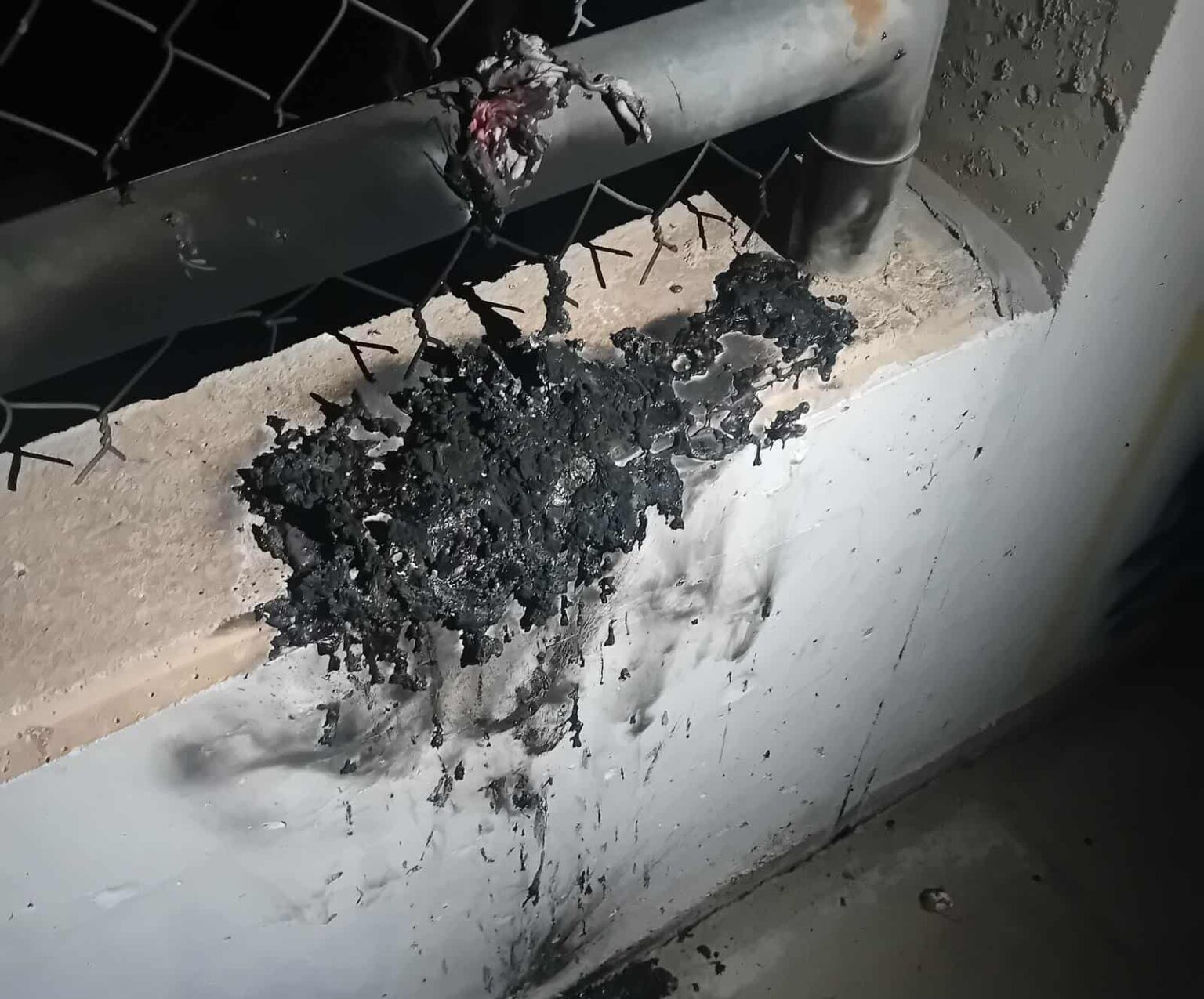
    A private security guard at Ypsonas Third Primary School was attacked with lit flares by a group of youths on Monday evening, sustaining facial burns that required hospital treatment.

    Photo: in-cyprus.philenews.com

    • A private security guard at Ypsonas Third Primary School was attacked with lit flares by a group of youths on Monday evening, sustaining facial burns that required hospital treatment.
    • The injured guard was quickly transported by ambulance to a local hospital where he received treatment for second-degree burns.

    The incident unfolded around 9:00 to 9:30 p.m. when the group entered the school grounds, specifically targeting the mini football pitch. As the guard attempted to remove the youths from the premises, they chased him and threw the flares at his face, resulting in severe burns.

    Photo: in-cyprus.philenews.com

    In a statement to philenews, school supervisor Christina Tryfonos described the events, stating, “The youths entered the school premises and specifically the mini football pitch that is located within the school grounds. The private guard tried to remove them, with the youths chasing him. Subsequently, the perpetrators threw lit flares at his face, causing him burns.”

    The injured guard was quickly transported by ambulance to a local hospital where he received treatment for second-degree burns.

    Herodotus Neophytou, President of the West Limassol School Board, condemned the attack, labelling it as attempted murder. He expressed his outrage at the rising trend of vandalism in schools, stating, “Last night’s incident is attempted murder. We are not simply talking about an incident, the man suffered second-degree burns to his face. They tried to kill him.”

    Neophytou also highlighted a recent incident of vandalism at the nearby Ypsonas Gymnasium, indicating a troubling pattern of behaviour among local youths. He urged the police to take responsibility, asserting, “There is sufficient evidence to locate the perpetrators. Parents of the offenders bear responsibility, as does the police. What are they waiting for? To mourn victims?”