Tag: sexual harassment

  • Cyprus Ministries Clash Over Human Trafficking Responsibilities Following Channel 4 Revelations

    Cyprus Ministries Clash Over Human Trafficking Responsibilities Following Channel 4 Revelations

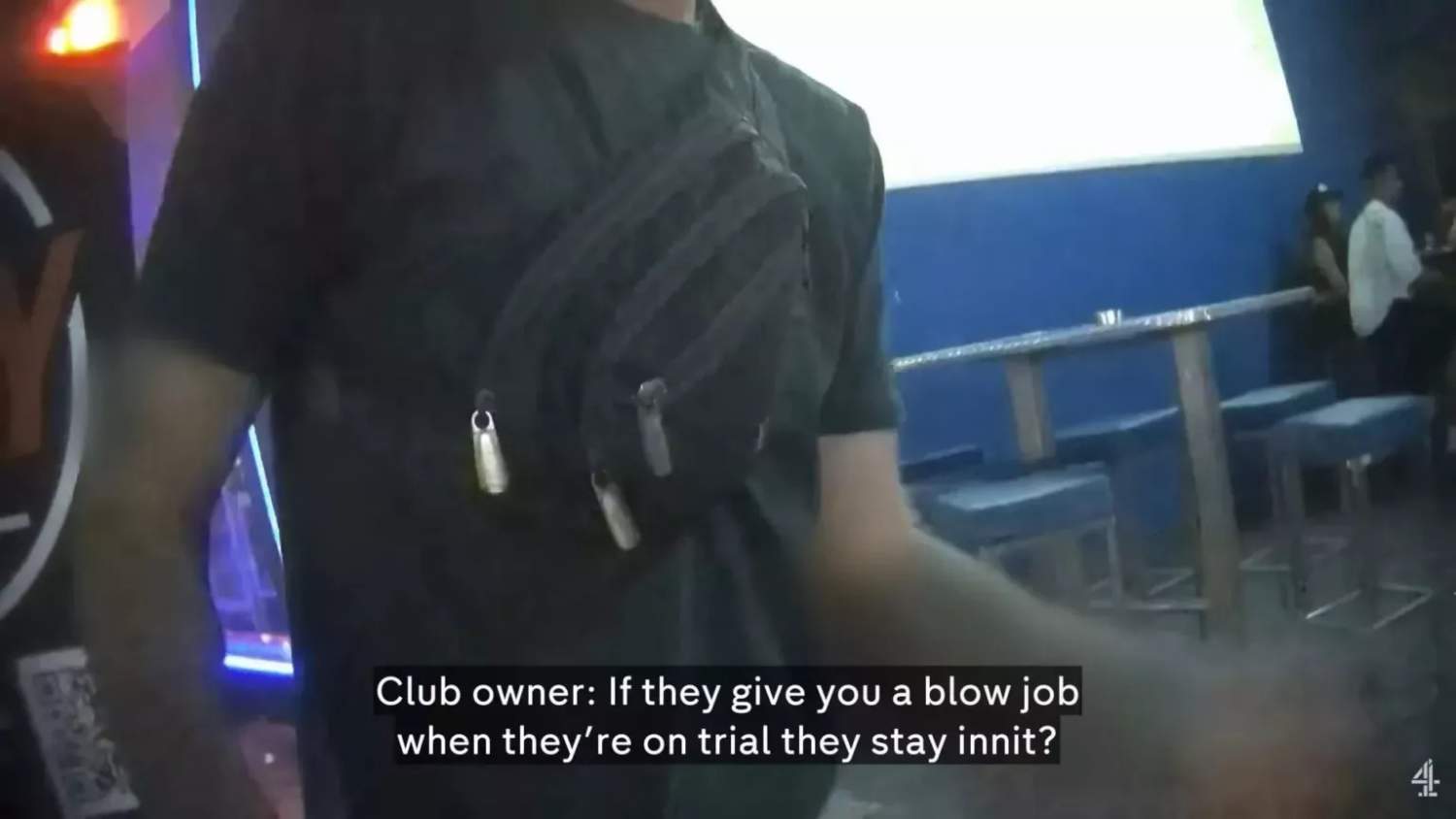
    In the wake of a Channel 4 investigation revealing troubling instances of sexual harassment in Ayia Napa, Cyprus’s ministries are embroiled in a conflict over who should address human trafficking crimes. A Migration Deputy Ministry official candidly admitted to Parliament, “we do nothing on this issue,” highlighting the lack of coordination among the various governmental bodies involved.
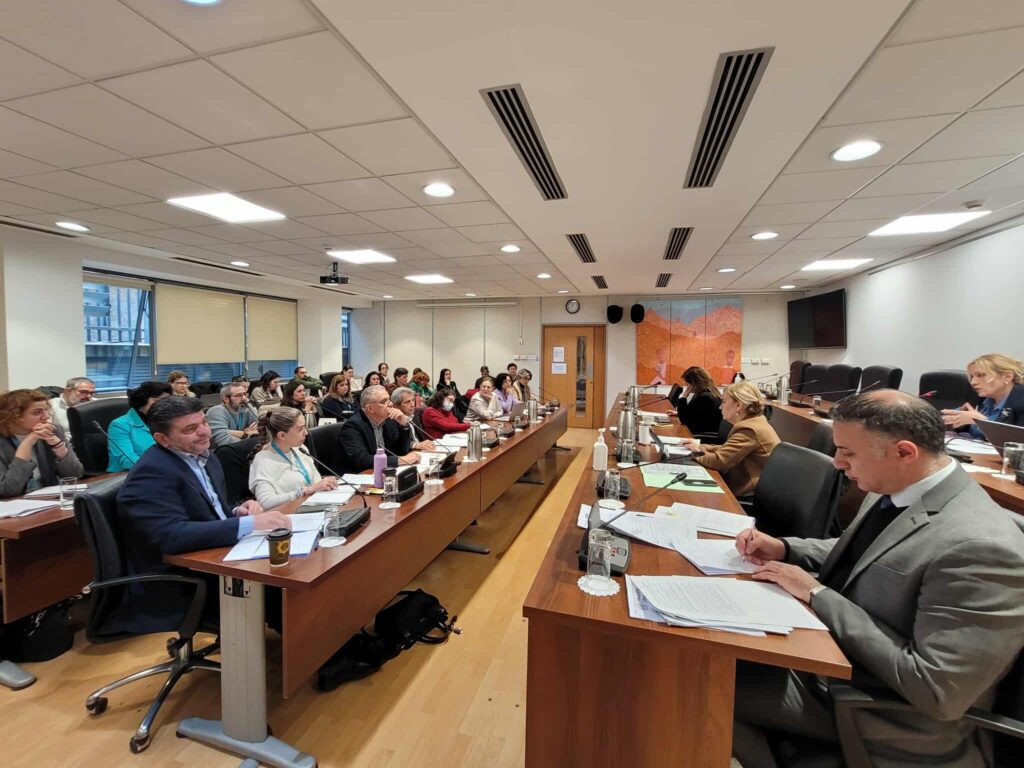
    Photo: in-cyprus.philenews.com

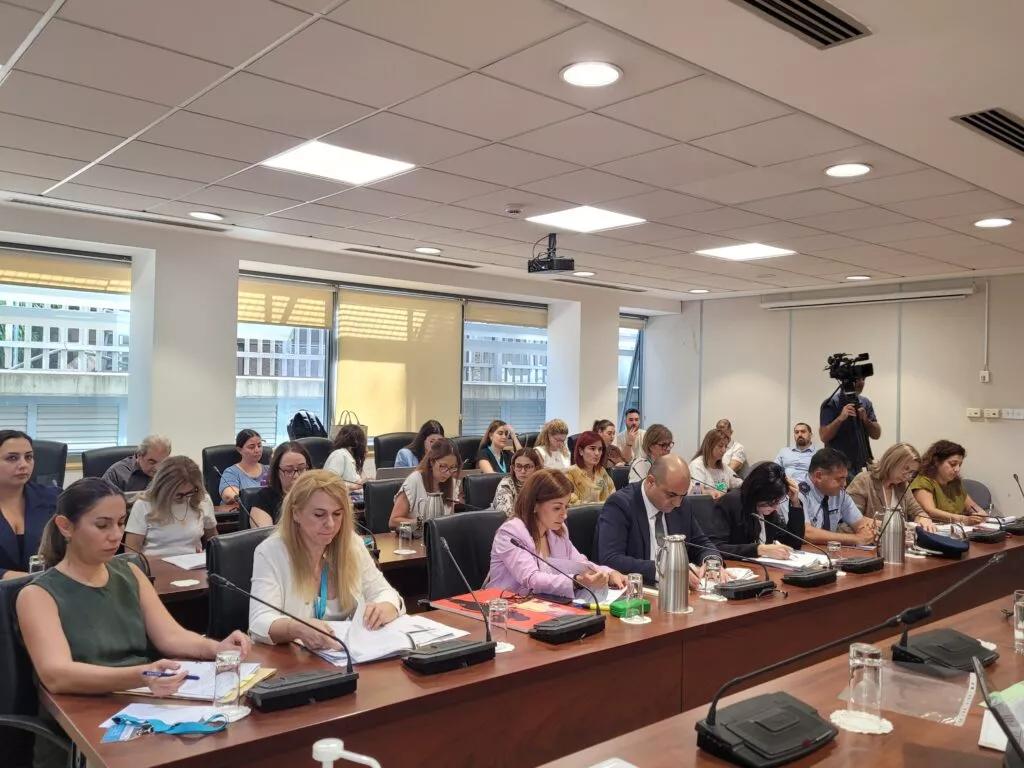
    During a recent House Human Rights Committee hearing, officials from the Interior Ministry, Justice Ministry, and Migration Deputy Ministry struggled to delineate their roles in combating trafficking. Migration Deputy Ministry official Xenia Georgiadi stated that while her office coordinates efforts, it lacks an operational role, placing the primary responsibility on the police.
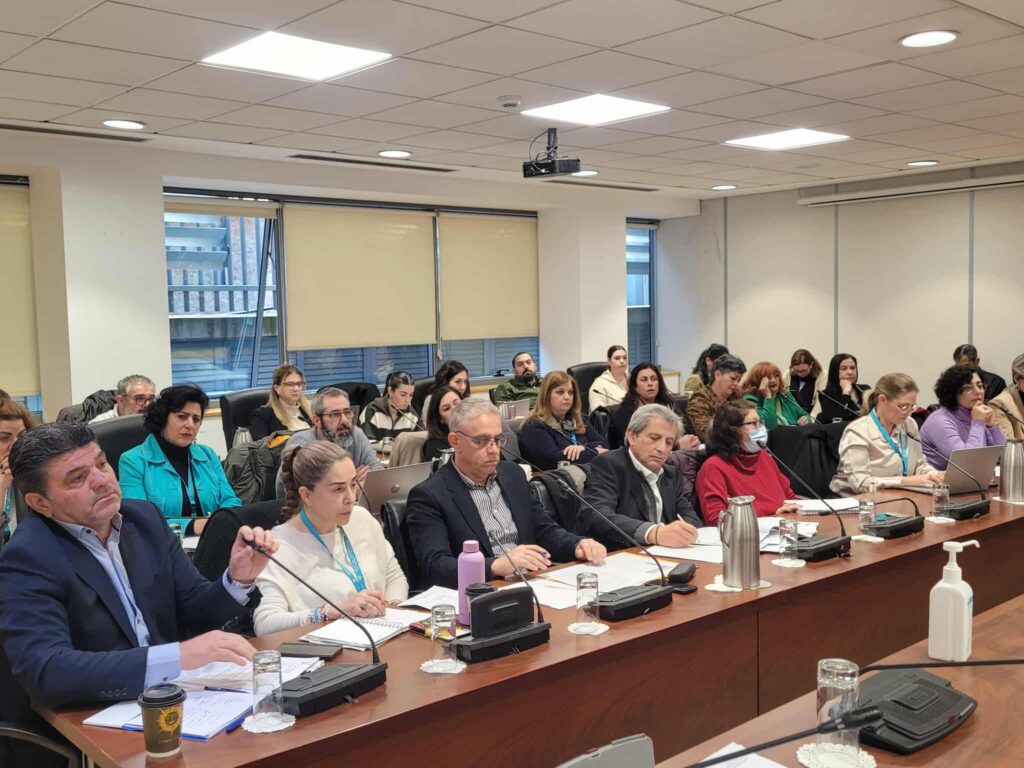
    Photo: in-cyprus.philenews.com

    Committee chair Irene Charalambidou expressed concern that the issue of trafficking should never have fallen under the Migration Deputy Ministry’s purview. She announced plans to re-evaluate the coordination structure and confirmed that both the migration deputy minister and justice minister would be summoned to Parliament for further discussions.

    As the debate unfolded, MPs and other stakeholders pushed for the Justice Ministry to assume a more central role in coordinating anti-trafficking efforts. Justice Ministry legal officer Spyros Yiallouridis acknowledged his ministry’s involvement in a multi-agency trafficking group but refrained from commenting on whether it should take over coordination responsibilities, citing the matter as political.

    MP Rita Superman described the shift of trafficking oversight from the Interior Ministry to the Migration Deputy Ministry as a significant error, arguing that such matters should be handled by the Justice Ministry. She pointed out that in Turkey, human trafficking falls under the Migration Ministry, which should not be the case in Cyprus. Trafficking, she insisted, is fundamentally a human rights issue, exacerbated by vulnerabilities related to migration.

    As these discussions unfold, Labour Ministry representative Christina Mitidou reiterated that her ministry does not bear responsibility for trafficking. In light of the Channel 4 investigation, the committee is preparing to send a letter demanding clarification on inspections conducted before and after the video’s release.

    In terms of law enforcement, police have reported that 30 individuals have been convicted over the past five years in trafficking cases involving either sexual or labour exploitation. Police Crime Combating Department assistant director Andreas Anastasiades shared that extensive checks were conducted at Ayia Napa establishments, with operations occurring across Cyprus. He outlined the number of operations executed in recent years: 26 in 2022, 37 in 2023, 33 in 2024, and 18 so far in 2025.

    Despite these efforts, 30 trafficking cases remain pending in court. Anastasiades emphasised that police are taking the matter seriously, working in collaboration with Europol and other agencies to address trafficking more effectively.

    Amid the scrutiny, Ayia Napa’s mayor, Christos Zannettou, labelled the incidents highlighted in the Channel 4 report as isolated, asserting that the municipality receives around 45,000 tourists daily, with over 10,000 people employed in the area. He acknowledged the need for investigations into the establishments mentioned in the video but maintained that such occurrences do not represent the norm.

    He also pointed out that there are job advertisements from websites based in the Netherlands that promise work and accommodation, but often only offer a bed without proper living conditions. Zannettou noted that complaints regarding workers’ living conditions and other issues like noise pollution have been recorded, but these are not reflective of the broader situation.

    The gender equality commissioner’s office faced criticism for its lack of response to the Channel 4 investigation. A representative of the office, Andreas Misos, stated that commissioner Josie Christodoulou condemns acts of sexual or labour exploitation but is currently abroad. MPs expressed frustration at her absence from committee meetings over recent months and suggested that she should have taken more proactive measures following the video’s release.

    Charalambidou pointed out that the commissioner should have coordinated with police and relevant authorities to prepare a comprehensive report, a sentiment Misos deemed unrealistic, given Christodoulou’s lack of an institutional role.

    NGOs have also expressed concern over their exclusion from coordination meetings related to trafficking. Paraskeui Tzeou, chair of Cyprus Stop Trafficking, noted that her organisation was not invited to multi-agency meetings, while Katerina Stefanou, founder of Step Up Stop Slavery, echoed similar sentiments regarding her exclusion from the December meeting.
  • Sexual harassment — Supreme Court Rules in Favour of Woman Dismissed After Reporting Sexual Harassment

    Sexual harassment — Supreme Court Rules in Favour of Woman Dismissed After Reporting Sexual Harassment

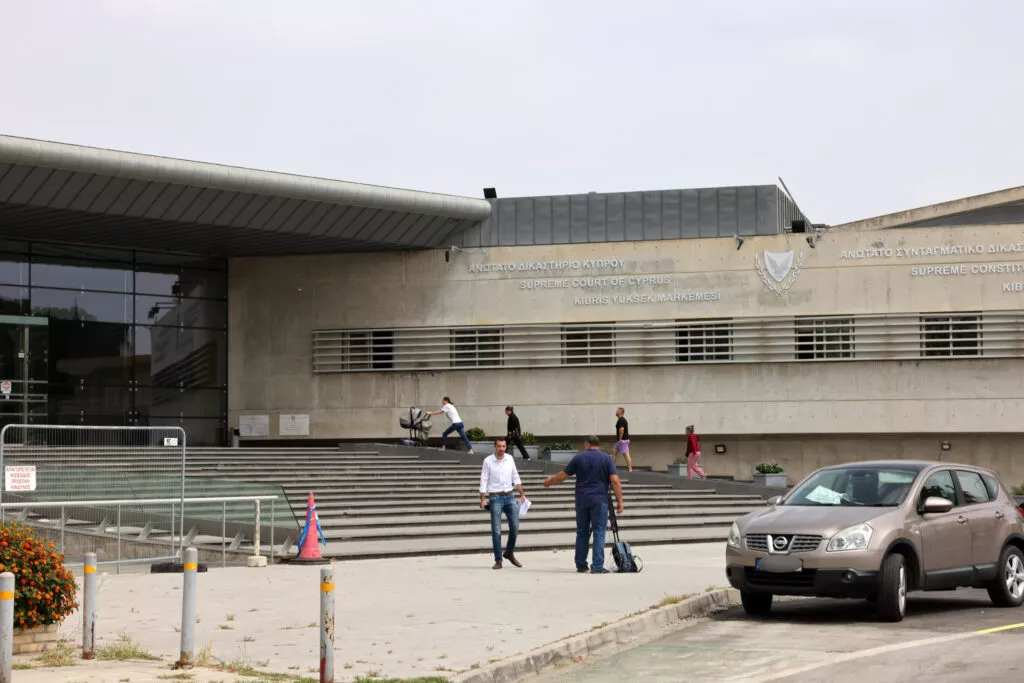
    The Supreme Court has awarded €37,700 to a woman fired by the Electricity Authority of Cyprus scientific staff union after she filed a sexual harassment complaint against one of its executive members.

    • The court upheld her appeal and overturned a previous Labour Disputes Court decision that had rejected her claim, ruling that the union failed to ensure a fair and impartial investigation process.
    • The Labour Disputes Court initially rejected her application, asserting that her dismissal was not due to the complaint itself but rather her behaviour during the investigation process.

    The court upheld her appeal and overturned a previous Labour Disputes Court decision that had rejected her claim, ruling that the union failed to ensure a fair and impartial investigation process.

    This case originated from an application filed in 2009 under the 1967 Annual Leave with Pay Law and the 2002 Equal Treatment of Men and Women in Employment Law. The woman, who was hired as a secretary in 2000, claimed she was unlawfully dismissed after being fired without notice on 31 July 2008.

    On 19 June 2008, she made a formal complaint stating that an executive committee member had been sexually harassing her for years. Following her complaint, the executive committee initiated an investigation on 23 June 2008, adhering to its code of practice for handling sexual harassment cases. The implicated official was informed he would not take part in the investigation.

    During the investigation meeting, the woman requested to have three supporters accompany her while giving testimony, a request that was granted. However, the minutes from the meeting indicated that her behaviour was perceived as confrontational, leading to her being placed on paid leave.

    After being given deadlines to present evidence to support her claims, the union concluded on 22 July 2008 that her complaint was “unfounded, unsubstantiated, and false,” and subsequently dismissed her on 31 July 2008, the same day she was summoned to respond but did not attend.

    The Labour Disputes Court initially rejected her application, asserting that her dismissal was not due to the complaint itself but rather her behaviour during the investigation process.

    Upon reviewing the case, the Supreme Court determined that the union had an obligation to conduct a fair and impartial investigation, particularly since one of its officials was the subject of the complaint. The court found that the principle of impartiality was not upheld, rendering the summary dismissal unlawful. As a result, the court did not explore other grounds for appeal, as the violation of impartiality was sufficient for the judgement.

    The court awarded the woman €37,700, along with legal interest from the date of the initial decision and costs in her favour for both the first instance and the appeal. No costs order was issued against the respondent, marking a significant ruling in her favour.

  • Cyprus sexual — Cyprus Sexual Harassment Laws Lack Protection for Workplace Victims

    Cyprus sexual — Cyprus Sexual Harassment Laws Lack Protection for Workplace Victims

    cyprus sexual — Concerns about the inadequacy of Cyprus sexual harassment laws were raised during a House Human Rights Committee hearing on Monday, where parliamentarians discussed the pressing need for better protections for workplace victims.

    The hearing was prompted by recent reports from Phileleftheros detailing allegations of sexual harassment involving Education Ministry officials. In this case, a superior was cleared in a disciplinary investigation and subsequently promoted, despite now facing criminal prosecution.

    Eleni Kouzoupi from the Law Office highlighted the troubling provisions allowing cases of sexual harassment to be settled out of court, labelling it “absurd”. She argued that such inclusions in legislation are fundamentally flawed and fail to address the complexities of different employment relationships, especially in sectors that often fall into grey areas.

    Nasia Dionysiou, representing the Ombudswoman’s office, outlined the existing administrative gaps, stating, “It took us 15 years and a conviction to establish a Code”. However, she noted that the Code lacks the power to enforce responsibilities, serving merely as an informational tool for employers and employees. When a complaint is lodged, minor cases can be resolved internally if the victim consents, but if not, disciplinary proceedings are initiated.

    Dionysiou pointed out that sexual harassment was not even acknowledged in public service until her office intervened. In a recent incident, her office recommended disciplinary action after uncovering improper investigation procedures and called witnesses to testify due to concerns about how evidence was initially managed.

    Questioning the Education Ministry’s handling of the recent case, Dionysiou remarked, “How do we proceed? The Education Ministry tells us they are awaiting the Law Office’s position. But right now the legislation is being violated and the Ministry is committing an offence.” This highlights the urgency for legislative reform and proper enforcement mechanisms.

    Labour Minister Yiannis Panayiotou defended the existing framework, asserting, “If victims remain exposed, then policy has failed”. He expressed confidence in the direction authorities are taking and emphasised the need for collective protection without undermining the criminal and employment laws. Panayiotou noted that 80% of citizens are now employed, a figure bolstered by the integration of women into the workforce, which has reached a participation rate of 75%.

    In response to the growing concerns, the Labour Department initiated an investigation into the handling of sexual harassment complaints in workplaces. Labour Department Director Alexandros Alexandrou reported that over the past three years, only ten complaints were received: four in 2022, one in 2023, and five in 2024, all of which were investigated.

    Trade union representatives voiced their frustrations regarding the complex and often intimidating procedures faced by victims. A representative from PASYDY described the procedures as “labyrinthine”, while representatives from the Isotita union called for improved protection for employees. Christina Kaili from the Mediterranean Institute of Gender Studies underscored the necessity for modernising procedures and establishing clear protocols to support victims.

    Parliamentarians expressed their condemnation of workplace sexual harassment. AKEL MP and committee vice-chairman Giorgos Koukoumas characterised such harassment as a form of gender-based violence and discrimination, citing examples like unwanted touching and harassing messages. MP Alexandra Attalides labelled sexual harassment as the worst form of workplace harassment and stressed the importance of allowing victims to report incidents safely without fear of retaliation. She also noted the vague responses received from the Labour Ministry following parliamentary questions submitted in August 2024.

    MP Rita Superman acknowledged the seriousness of the issue, pointing to the discrepancies between legislation and its implementation. She questioned why sexual harassment is not treated as a criminal offence from the outset, calling for urgent legislative reforms to better protect victims in the workplace.

  • Sexual harassment — Education Ministry Official Seeks Early Retirement Amid Sexual Harassment Trial

    Sexual harassment — Education Ministry Official Seeks Early Retirement Amid Sexual Harassment Trial

    A senior Education Ministry official is facing serious allegations as he navigates a sexual harassment trial. Following the Attorney General’s decision to pursue criminal prosecution, the ministry has moved swiftly to place the official on administrative leave.

    Upon being informed by police about the prosecution, the Education Ministry’s director general promptly notified the Public Service Commission. In a letter, he outlined the recent developments and requested the commission consider the administrative leave for the official.

    In a twist, the official has also submitted a request for early retirement, just months shy of reaching the standard retirement age. This dual approach complicates matters, as the Public Service Commission must now evaluate both the early retirement request and the ministry’s intention to suspend the official.

    If the early retirement is granted, the pending administrative leave would become irrelevant. This scenario has precedence in similar cases involving public officials, where the acceptance of retirement requests supersedes the need for administrative suspension.

    However, the situation is more complex due to the nature of the charges against him. The official faces two counts: indecent assault against a minor and workplace sexual harassment. The first hearing is set for 30 October at Nicosia District Court.

    The allegations stem from two separate police investigations that ultimately converged into a single court case. Initially, a complaint was filed by a woman who alleged that the official assaulted her when she was a minor. A second complaint came to light in 2023 from another Education Ministry colleague.

    As the Public Service Commission deliberates, the ramifications of the official’s actions extend beyond his career, impacting the ministry and its reputation. The outcome of the court proceedings will likely influence public perception and policy on handling such serious allegations within government bodies.