Tag: Sovereignty

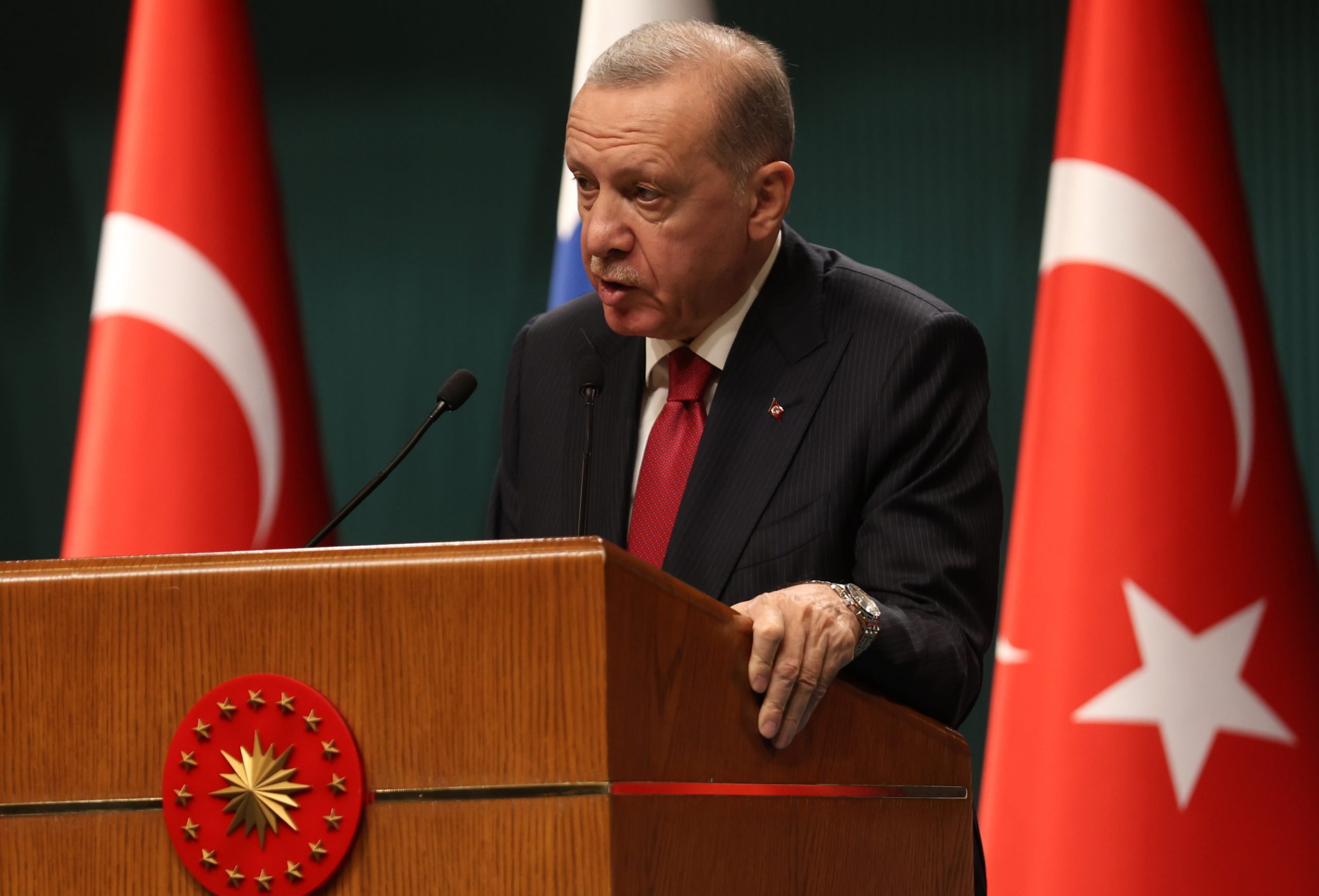
  • Air space — Cyprus Highlights 328 Turkish Air Space Violations to UN Security Council

    Air space — Cyprus Highlights 328 Turkish Air Space Violations to UN Security Council

    Cyprus has reported extensive Turkish air space violations to the UN Security Council, detailing 328 air incursions and 16 naval breaches during July and August 2025.

    • Cyprus has reported extensive Turkish air space violations to the UN Security Council, detailing 328 air incursions and 16 naval breaches during July and August 2025.

    A letter from Cyprus’s Permanent Mission was circulated among council members on 8 December, revealing that among the air violations, 93 involved Turkish unmanned military aircraft, while 56 were executed by armed military fighter jets. These actions have been described by Nicosia as a clear violation of its sovereignty, independence, and territorial integrity.

    The violations extended beyond mere incursions. Cyprus asserted that Turkish forces breached its national airspace, the Nicosia Flight Information Region (FIR), and territorial waters. Furthermore, allegations were made regarding the illegal use of closed ports and airports by Turkish military units.

    Concerns were also raised over nearly daily entries into the designated dead zone and the bolstering of military infrastructure in occupied territories. Such practices have been characterised as part of Turkey’s persistent aggressive behaviour, aimed at establishing new faits accomplis that threaten the security of all Cypriots.

    In its communication to the UN, Cyprus emphasised that these developments undermine efforts to resume negotiations for a peaceful resolution. Despite these challenges, Cyprus reiterated its commitment to working closely with the Secretary-General and his Personal Envoy to foster the necessary conditions for dialogue. The letter reaffirmed a desire for a bicommunal, bizonal federation with political equality, in line with United Nations resolutions.

    The Cypriot mission has requested that the letter and accompanying documents be officially recorded as part of the 80th Session of the General Assembly under the Cyprus question and the Security Council agenda.

  • Cyprus sovereignty: Cyprus Faces Backlash Over Sovereignty After Israeli Request

    Cyprus sovereignty: Cyprus Faces Backlash Over Sovereignty After Israeli Request

    cyprus sovereignty — cyprus sovereignty — The issue of Cyprus surrendering sovereignty to Israel has ignited controversy following the Presidential Palace’s decision to disseminate a directive from Israel’s Diaspora Minister. This letter, addressed to municipalities and communities, calls for the removal of political slogans from public spaces, raising concerns over foreign interference in domestic affairs.

    The directive originated from a circular issued by Israel’s Ministry of Diaspora Affairs, which prompted the Interior Ministry of Cyprus to pass on the request to every municipality across the island. The Interior Ministry explicitly stated that they had received “instructions to forward” the Israeli request, detailing directives from Interior Minister Constantinos Ioannou that focused on the removal of alleged antisemitic slogans.

    The Movement of Ecologists – Citizens’ Cooperation has strongly condemned this action, labelling it a serious retreat from the principle of sovereignty. In a statement released on 22nd September 2025, the movement argued that “Cyprus cannot function under the instructions of any third country.” They view this situation as a dangerous precedent that undermines the country’s independence.

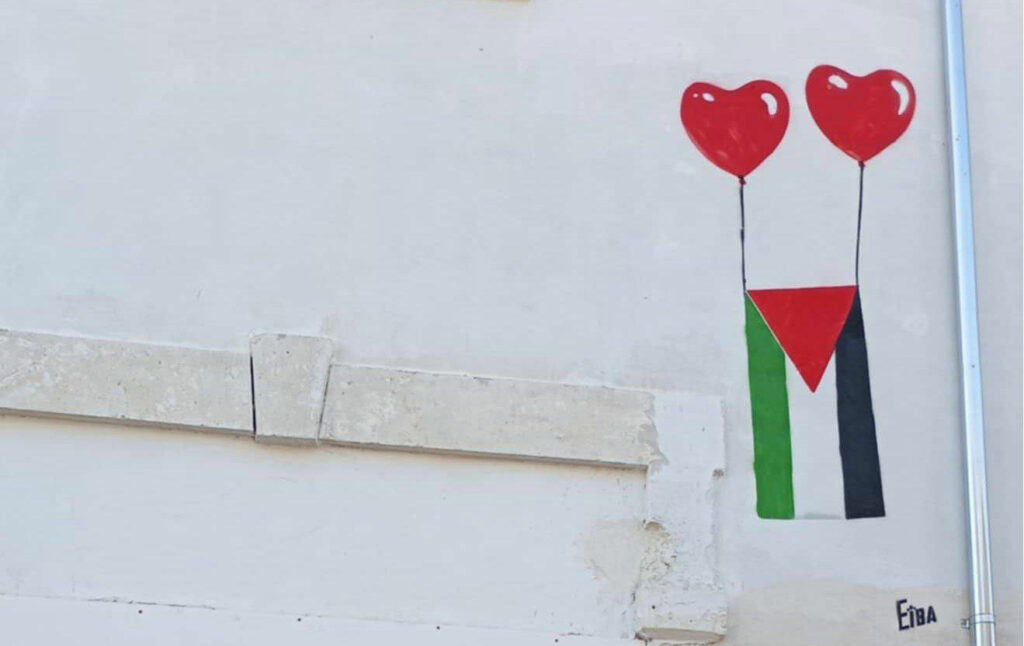
    The Israeli circular specifically targeted four pieces of graffiti that were deemed problematic. Among the images included was a depiction of a Palestinian flag held near two heart-shaped balloons, referencing an incident during a football match in July between Pafos FC and Israeli team Maccabi Tel Aviv. Other controversial artworks showcased included the word “Gaza” painted in blood red above a baby image and a tin labelled “genocide” leaking red paint, alongside inflammatory phrases above a modified Israeli flag.

    Municipal leaders, including Larnaca mayor Andreas Vyras, have publicly rejected the ministry’s instructions. Vyras, who also serves as the chairman of the union of Cyprus municipalities, stated firmly, “We do not accept suggestions from third parties, even more so from any foreign country.” He highlighted that municipalities are capable of addressing issues of genuine hate speech and violence without needing external direction, emphasising that “freedom of expression is non-negotiable.”

    Concerns around freedom of expression have been raised by the Movement of Ecologists, who argue that limiting such freedoms to appease foreign governments constitutes an attack on democracy. They stress that the ability to express oneself, as long as it doesn’t cross into hate speech, is essential to a functioning democracy. The movement has called for the immediate withdrawal of the circular and for the government to respect the will of its citizens, thereby ensuring the protection of the country’s independence and democratic rights.

  • Cyprus Draws Parallels Between Its Occupation and Ukraine’s Territorial Integrity

    Cyprus Draws Parallels Between Its Occupation and Ukraine’s Territorial Integrity

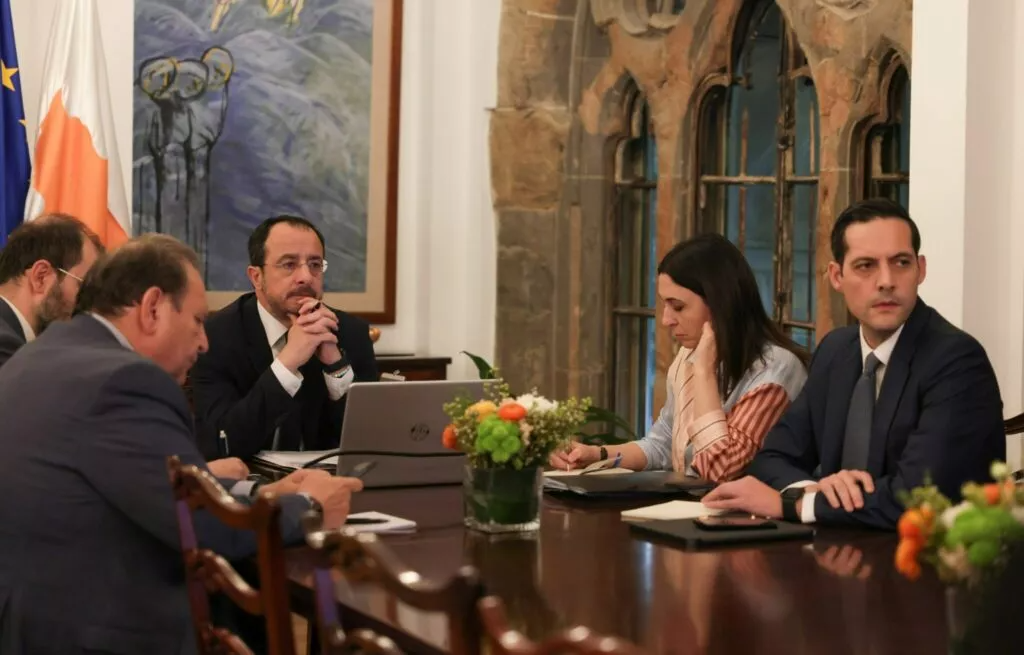
    Cyprus has drawn a poignant connection between its own experience of territorial occupation and the ongoing situation in Ukraine. During three consecutive European Union videoconferences focused on establishing a peaceful resolution in Ukraine, President Christodoulides underscored the importance of sovereignty, independence, and territorial integrity. His remarks were informed by Cyprus’s 51-year experience under Turkish occupation, which has seen 37% of its territory remain under illegal control.

    • The discussions reflect a broader acknowledgment of the interconnectedness of territorial integrity across Europe and the shared commitment to oppose any form of occupation or aggression.

    Territorial integrity: Emphasising Sovereignty and Independence

    In his interventions, President Christodoulides highlighted the urgent need for any resolution to the Ukraine crisis to uphold these fundamental principles. The government spokesman, Konstantinos Letymbiotis, reported that the president expressed significant concerns regarding potential ramifications for Cyprus stemming from developments in Ukraine and any agreements reached with Russia.

    “Any solution must be based on full respect for Ukraine’s sovereignty, independence and territorial integrity,” Christodoulides stated. He reiterated that Cyprus’s historical experience, which includes enduring 51 years of illegal Turkish occupation, reinforces the necessity of defending these principles without concessions or exceptions.

    Regional and International Support for Ukraine

    Greek Prime Minister Kyriakos Mitsotakis also weighed in on the discussion, reiterating the importance of border inviolability. He voiced satisfaction with the United States’ intentions to provide security guarantees while reaffirming Greece’s commitment to border integrity. This united front among leaders reflects a broader consensus within the EU regarding the need for a stable and secure Europe.

    Key Meetings and Strategic Discussions

    The videoconferences included critical meetings involving the European People’s Party and the Coalition of the Willing, following up on previous discussions held the prior Sunday. European Council President Antonio Costa convened EU member state leaders to provide detailed briefings on the recent meetings between Ukrainian President Volodymyr Zelenskyy and US President Joe Biden.

    During these discussions, leaders engaged in substantive exchanges of views on the ongoing crisis, underscoring the pivotal role of international cooperation in addressing the situation. Cyprus affirmed its unwavering support for Ukraine’s quest for freedom and the restoration of its territorial integrity, drawing parallels to its own struggles as an EU member state under occupation.

    The EU’s Commitment to Peace and Security

    European Council President Costa stated that the EU remains committed to supporting efforts aimed at achieving a just and sustainable peace in Ukraine. He remarked, “Russia must immediately end the violence,” framing this as an essential first step towards resolving the conflict.

    “Ukraine was – and will remain – at the top of leaders’ agendas in coming weeks and months as we continue supporting efforts for just and sustainable peace,” Costa affirmed, highlighting the EU’s proactive stance in addressing the crisis.

    Progress in Peace Efforts

    European Commission President Ursula von der Leyen referenced the ongoing discussions about the progress made in peace efforts concerning Ukraine. She noted that talks in Washington had advanced regarding “strong security guarantees for Ukraine,” aiming to end the bloodshed, impose sanctions on aggressors, and facilitate the return of abducted children.

    The solidarity displayed by EU leaders during these videoconferences emphasises a collective determination to uphold international law and protect the principles of sovereignty and territorial integrity.

    Unity Among EU Leaders

    Annita Demetriou, president of the ruling Democratic Rally party in Cyprus (DISY), participated in the EPP leaders’ summit via videoconference. She, alongside other leaders, stressed the importance of unity and steadfastness regarding the principles surrounding developments in Ukraine, particularly in light of recent diplomatic engagements in Alaska and Washington.

    The discussions reflect a broader acknowledgment of the interconnectedness of territorial integrity across Europe and the shared commitment to oppose any form of occupation or aggression.

    Looking Ahead

    The situation in Ukraine continues to be a pressing issue for European leaders, with ongoing discussions aimed at securing a peaceful resolution. Cyprus’s experience serves as a poignant reminder of the importance of safeguarding territorial integrity and the implications that unresolved conflicts can have on regional stability.

    As the EU leaders prepare for future meetings and negotiations, the commitment to uphold these values remains at the forefront of their agendas. Cyprus’s perspective reinforces the necessity of learning from history while advocating for a future where sovereignty and independence are respected and protected.