Tag: staffing issues

  • Prison overcrowding — Justice Minister Addresses Prison Overcrowding but Rules Out New Facility

    Prison overcrowding — Justice Minister Addresses Prison Overcrowding but Rules Out New Facility

    prison overcrowding — prison overcrowding — The new justice minister has pledged to tackle the pressing issue of overcrowding at the central prisons complex, although he has ruled out the immediate construction of a new facility.

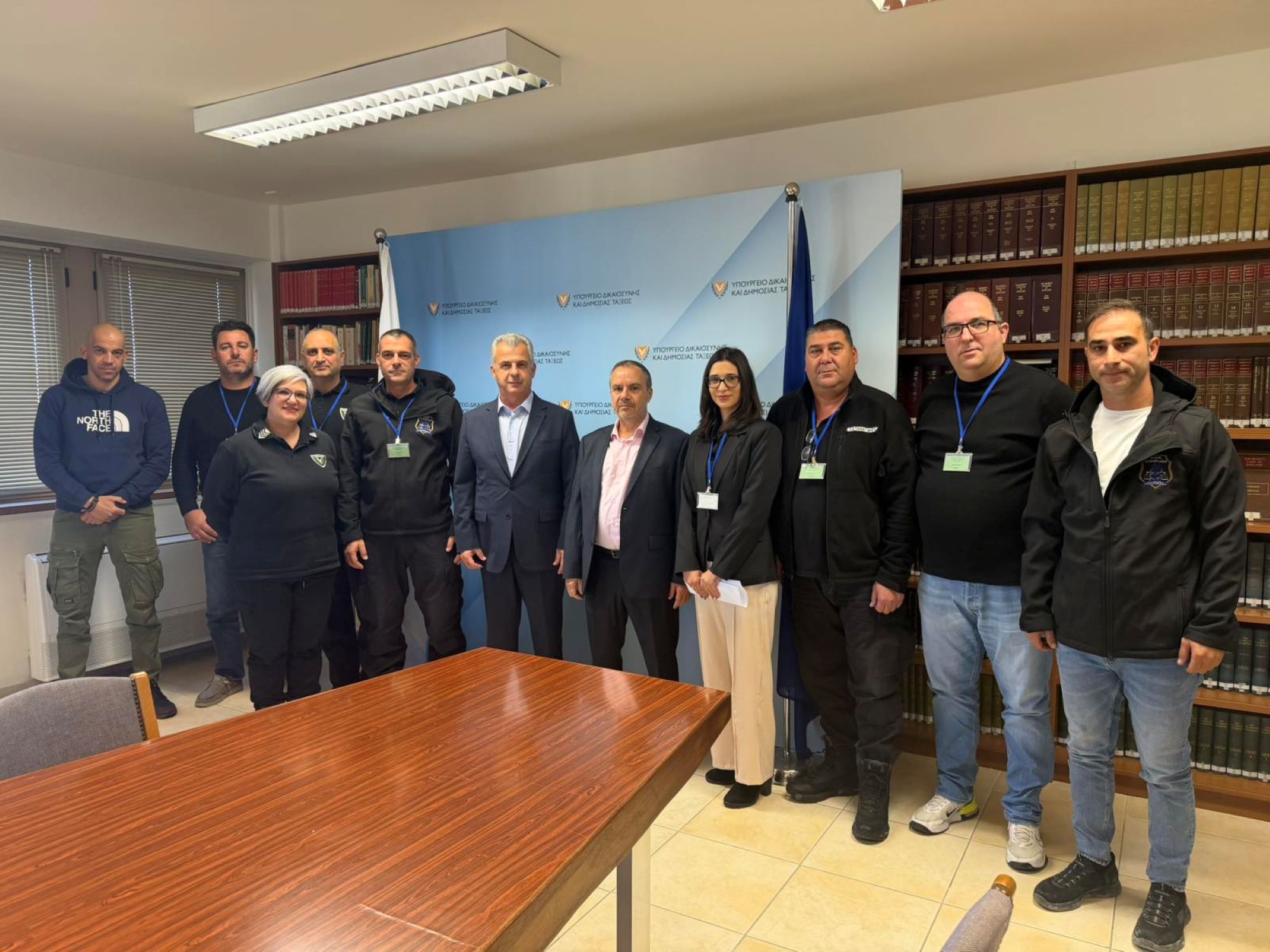
    On Thursday, Constantinos Fitiris convened his first meeting with representatives from the police’s Isotita trade union, which advocates for prison wardens. During this meeting, he expressed commitment to addressing the challenges faced by the corrections department.

    In a statement released by Isotita following the discussions, the minister acknowledged the inadequacy of the current prison premises, remarking that “a facility built in 1890 cannot be converted into a modern one.” His comments underline the urgent need for reform in response to the outdated infrastructure.

    While Fitiris confirmed that a new facility is not “in an immediate trajectory of implementation,” he assured the union that there would be significant developments, which they would learn about “from the results.” This assurance comes amidst growing concerns over the conditions within the current facilities.

    One of the immediate issues raised during the meeting was the severe understaffing at the prisons. Fitiris promised that the ministry would announce vacancies for the hiring of 90 new prison wardens in the coming days, a move welcomed by the Isotita union. However, they emphasised that this should be merely a starting point and called for an organisational restructuring that aligns with international standards. They proposed a guideline ensuring a minimum of one warden for every 15 inmates.

    The discussion also touched upon safety measures within the prison system. The leadership of the ministry agreed to establish a rapid response and containment team that would conduct surprise inspections and manage any violent outbreaks among inmates.

    In addition to addressing staffing issues, Isotita proposed alternative measures to alleviate the overcrowding crisis. These include alternatives to incarceration, such as community service or placing inmates under house arrest with electronic monitoring. Such initiatives could potentially reduce the number of individuals held in the already strained prison system.

    Union representatives reiterated their call for allowing wardens to retire voluntarily after 25 years of service, citing the stressful nature of the job as a significant concern. This request highlights the toll that working under such conditions takes on the staff.

    The urgency of reform in Cyprus’ prison system is further underscored by a recent report from the Council of Europe’s committee for the prevention of torture, which raised alarms about “serious problems” within the central prisons. The committee expressed “grave concerns” over the high levels of inter-prisoner violence, a situation that has only been exacerbated by the overcrowded conditions.

    This report follows a tragic incident where a 35-year-old Egyptian national was killed during a violent altercation with another inmate, drawing attention to the dire need for immediate action and systemic reform.

  • Audit Report Reveals Defence Ministry Waste and Staffing Shortcomings

    The defence ministry is facing significant challenges with wasteful spending and staffing levels, according to a recent audit report. Released by the Audit Office, the report examines the years 2021 through 2024, highlighting ongoing organisational issues and structural inertia that have led to fiscal costs.

    Long-Standing Issues with Departmental Mergers

    One of the primary concerns identified in the report is related to the merger of various departments within the defence ministry and the army general staff. This merger was part of a strategic plan initiated in 2015, aimed at streamlining operations and reducing operational costs. By April 2019, the integration was physically realised with both entities being housed in the same premises.

    However, contrary to expectations, the report reveals that the number of military personnel assigned to defence ministry departments has actually increased rather than decreased, undermining the intended efficiency of the merger. This rise in personnel contradicts the rationale behind the consolidation, which was designed to optimise resources and enhance operational effectiveness.

    Widespread Leasing Practices

    Another critical issue raised in the report is the delay in relocating to government-owned premises, resulting in a reliance on leased properties. The continued practice of leasing not only incurs additional costs but also illustrates a failure to fully implement the merger’s objectives. By prolonging the leasing arrangements, the defence ministry is potentially wasting valuable financial resources that could be redirected towards other essential services.

    Inefficiencies in Data Management

    The report also highlights the lack of modernisation in administrative processes within the defence ministry. There has been a notable failure to implement computerised systems that could efficiently track vital functions, such as requisitioning and orders of expropriation. Instead, data is being entered manually into spreadsheets, such as Excel, which significantly increases the risk of human error.

    Attempts to establish a computerised system that could connect with a central governmental database have not materialised, leaving the defence ministry reliant on outdated methods. This inefficiency not only hampers productivity but also poses risks to the accuracy of critical data management.

    Irregular Financial Commitments

    In a related section, the Audit Office recounts an incident from early 2023 involving then-president Nicos Anastasiades. During a visit to Athens in February 2023, he pledged a €2.5 million grant to Greece’s air force as a gesture of solidarity following a tragic crash involving a Greek Air Force plane. This public commitment resulted in the disbursement of funds that were not accounted for in the defence ministry’s budget, raising concerns about the irregularity of such financial commitments.

    Misuse of Military Vehicles

    The audit also uncovered continued misuse of military vehicles for transporting both military and civilian personnel from their homes to work. This practice has resulted in excessive fuel consumption, straining the fuel quotas allocated to various military units. Such actions not only violate existing regulations but also highlight a disregard for resource management within the defence ministry.

    The auditor-general has stated that if the army general staff wishes to continue this practice, it must formally request a change in the law, underscoring the need for adherence to legal frameworks and proper governance.

    Missed Opportunities for EU Funding

    Furthermore, the report notes delays in the installation of photovoltaic systems at National Guard camps, which is critical for harnessing renewable energy. These delays pose a risk of losing out on potential EU funding, which could have provided financial support for sustainable energy initiatives. The inability to capitalise on such opportunities reflects a broader pattern of inefficiency and missed potential within the defence ministry.

    The Defence Ministry’s Core Mission

    Despite these challenges, the Audit Office’s report emphasises that the primary mission of the defence ministry remains unchanged: to protect the territorial integrity and independence of the Republic of Cyprus from any hostile threats. However, the ongoing organisational problems and fiscal waste identified in the audit undermine the ministry’s ability to fulfil this essential mandate effectively.

    In light of these findings, there is an urgent need for the defence ministry to address these issues comprehensively. Implementing effective management practices, enhancing operational efficiency, and adhering to legal standards are crucial steps necessary for restoring public confidence and ensuring the ministry can meet its obligations.