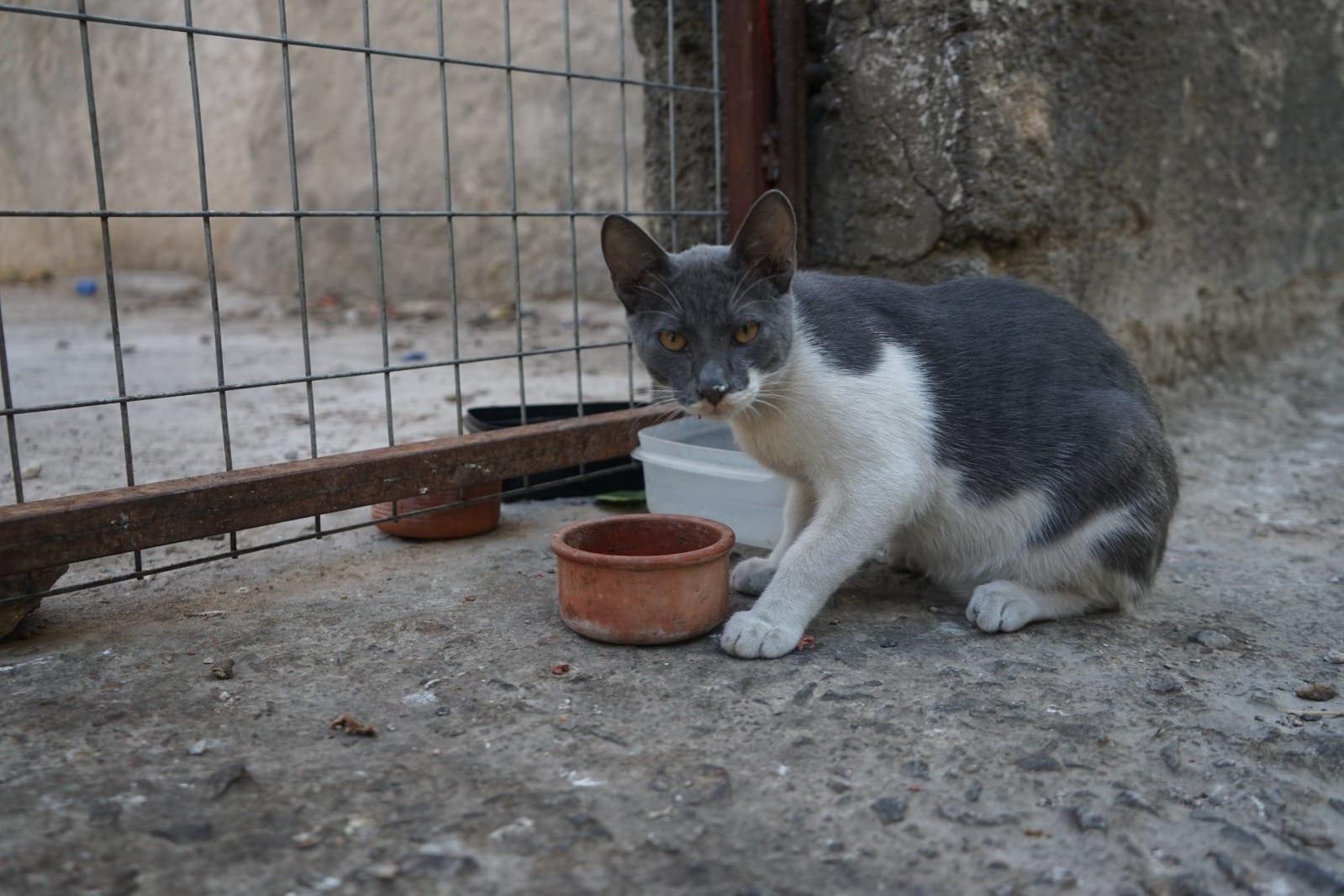
Animal welfare commissioner Antonia Theodosiou has announced a seven-year action plan aimed at the mass-sterilisation of the island’s stray cat population, which exceeds 1 million. This initiative is part of a broader effort to manage and control the escalating number of strays.
During her announcement, Theodosiou highlighted the existing national programme funded by the ministry of agriculture, which allocates €100,000 annually for cat sterilisation. However, she suggested that this budget is inadequate for effectively managing the stray cat population. “We support the mass sterilisation of cats [and] there is already a national program with a budget of €100,000 provided annually by the ministry of agriculture,” she stated, calling for an increase in funding.
The action plan, developed in collaboration with various animal welfare organisations, outlines a systematic approach to address the issue over the next seven years. Theodosiou emphasised that thorough sterilisation efforts are necessary to curb the ever-growing population of stray cats.
Concerns regarding the current funding were echoed by Charalambos Theopemptou, a member of the House environment committee and part of the Greens party. He pointed out that Cyprus may have the highest stray cat population globally and underscored the insufficiency of the current budget. “Without proper planning, we are simply spending money without getting any results. This has been proven, as we’ve been doing it for many years,” Theopemptou remarked, criticising the lack of a concrete plan to manage the spaying of strays.
Theopemptou raised questions about the allocation of the 2025 budget, indicating that discussions regarding the next year’s budget are set to begin in the upcoming weeks. He expressed concern that the government is likely to maintain the same budget allocation, which he believes has failed to yield effective results in past years.
Elena Loizidou, head of the animal welfare organisation Cat Alert Nicosia, also addressed the committee, noting a lack of substantial political interest in managing the stray cat population. “While the population of stray cats is increasing to unprecedented numbers (we may have reached two million) and while the responsibility for all stray animals falls under the jurisdiction of the state, the burden seems to have been placed on volunteer animal lovers,” she commented, highlighting the critical situation.
Loizidou pointed out that the majority of strays are sterilised at private veterinary clinics, with costs borne by individual rescuers. With a budget of €100,000, only about 2,000 cats can be sterilised, which she argues does little to alleviate the growing problem. “If the state continues to be theoretically present but practically absent in this matter, thousands of kittens will die every season before they have time to open their eyes,” she warned, emphasising the urgent need for action.
She further advocated for comprehensive legislation focusing on the treatment of stray cats, suggesting that pet owners should also be encouraged to sterilise their pets to prevent abandonment. “A prerequisite for this would of course be access to sterilisations at zero cost, so that this is achievable and a large number of sterilizations can be carried out,” she concluded, asserting the necessity for a coordinated and effective approach to the rising stray cat population.