Tag: strike

  • Nicosia strike: Nicosia Prepares for Major Disruption as Teachers and Farmers Strike

    Nicosia strike: Nicosia Prepares for Major Disruption as Teachers and Farmers Strike

    nicosia strike — nicosia strike — Nicosia is bracing for a day of systemic paralysis on Thursday, 18 December, as a simultaneous strike by public school teachers and a tractor blockade by farmers threaten to cut off the city’s primary arteries.

    The coordinated industrial action represents a direct challenge to the government’s reform agenda. While teachers are striking to block a controversial evaluation bill that critics say invites political favouritism, their move risks the Republic’s access to €60 million in EU Recovery and Resilience Facility funds. Simultaneously, hundreds of farmers are set to converge on the Presidential Palace, protesting “unacceptable” EU agricultural policies that they claim are driving local producers into insolvency.

    Nicosia strike: Commuter Chaos Expected

    The double wave of action is timed to hit during the morning rush hour, with the Ministry of Transport confirming the complete cancellation of school bus services for over 310,000 residents. This will likely lead to chaos on the roads as parents scramble for private transport alternatives.

    Strike Timings and Locations

    Teachers’ unions have scheduled their strike in two phases: the Secondary Strike (OELMEK) runs from 07:30 to 09:00, while the Primary Strike (POED) lasts from 07:30 to 09:05. During this critical period, agricultural convoys from every district will begin their trek to the GSP Stadium and the Jumbo car park in Latsia.

    Convergence Towards the Capital

    By 10:30, these convoys are expected to funnel heavy machinery through Athalassa and Iosif Hadjiosif avenues, aiming for a final standoff at “Europe House” on Lord Byron Street. The convergence of farmers and teachers signifies a significant mobilization against current government policies and highlights the desperation of local producers.

  • Three-hour strike — Three-Hour Strike to Disrupt Flights and Services Across Cyprus

    Three-hour strike — Three-Hour Strike to Disrupt Flights and Services Across Cyprus

    three-hour strike — three-hour strike — Cyprus will experience significant disruption on Thursday as a three-hour nationwide strike affects airports, schools, and public services amid ongoing disputes over the Cost-of-Living Allowance (CoLA).

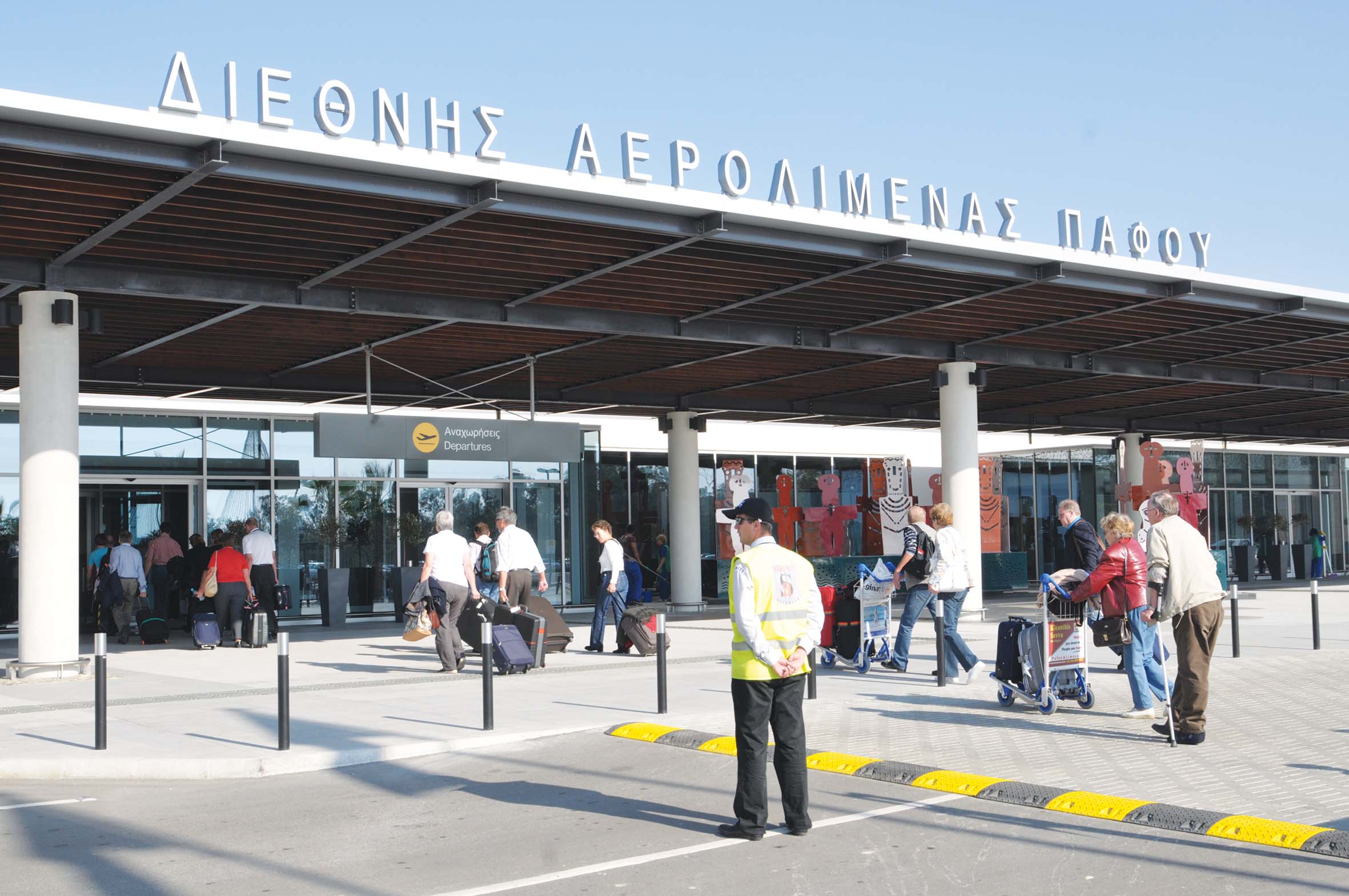
    Hermes Airports announced that more than 50 flights at Larnaca and Paphos airports are likely to be delayed or cancelled between 11am and 2pm, impacting over 15,000 passengers. The airport operator has urged travellers to contact their airlines or travel agents for the latest updates and to monitor the official website for rescheduled flight information.

    As the strike unfolds, several flights have already been cancelled, including those from Jazeera Airways to and from Kuwait, Qatar Airways to and from Doha, and Emirates from Dubai to Malta. To manage the expected increase in passenger volume post-strike, additional staff will be on duty after 2pm.

    Schools across the island are preparing for early closures, with parents advised to collect their children by 11am. School buses will not operate during the strike hours, and students attending all-day schools should return by 2pm to resume classes. Lunch services will not be provided, and privately run community nursery schools will adhere to their employers’ guidelines.

    Public bus services will also face significant disruption. Cyprus Public Transport (CPT) has stated that many scheduled routes may not operate during the strike, advising passengers to make alternative arrangements. Only morning school bus routes will run, leaving parents to arrange for their children’s transport home.

    In the health sector, hospitals will remain open but with reduced staffing. The national health scheme, Okypy, confirmed that A&E departments and wards will operate with minimal personnel during the strike hours. Patients with appointments during this time will be notified of any changes promptly.

    Citizen service centres will close between the strike hours, and individuals with appointments will receive messages regarding rescheduling. The Electricity Authority of Cyprus (EAC) is also adjusting its service hours, with customer service offices opening only briefly before the strike and resuming later in the day.

    This industrial action follows failed negotiations earlier this week between unions, employers, and the government concerning reforms to CoLA, which also touch on tax and pension issues. President Christodoulides has described these reforms as essential for modernising a system that dates back to 1960. He acknowledged that reforms often provoke reactions but insisted they are in the public’s interest.

    Labour Minister Yiannis Panayiotou emphasised that updating the allowance is necessary to meet contemporary needs, suggesting a graduated scale for CoLA based on earnings. He argued that higher earners should not receive the same support as those on minimum wage.

    Trade unions, including Sek and Peo, assert that the strike is crucial for protecting workers, particularly those on low incomes. Employers have expressed a desire for dialogue on modernisation but have condemned the strike, highlighting the need for essential services to remain operational. Demonstrations are also planned across various towns in Cyprus during the strike.

    In a joint statement, employers’ groups Oev and Keve have voiced their concerns over the government’s handling of the dispute, arguing that the current approach could harm the economy and deter foreign investment. They noted that the International Monetary Fund and the European Commission have previously called for the abolition of CoLA, marking it as a structural weakness within the public sector.

    Political reactions are divided; while some parties advocate for the restoration of allowances, others support the strike as a necessary measure. President Christodoulides has called for calm, suggesting that industrial action does not foster progress on reform.

    As the strike looms, it is clear that the impact will be felt across homes, schools, and workplaces throughout Cyprus, leaving citizens to navigate the challenges posed by this significant industrial action.

  • Koop bank — Koop Bank Strike Ends as Ruling Coalition Withdraws Austerity Measures

    Koop bank — Koop Bank Strike Ends as Ruling Coalition Withdraws Austerity Measures

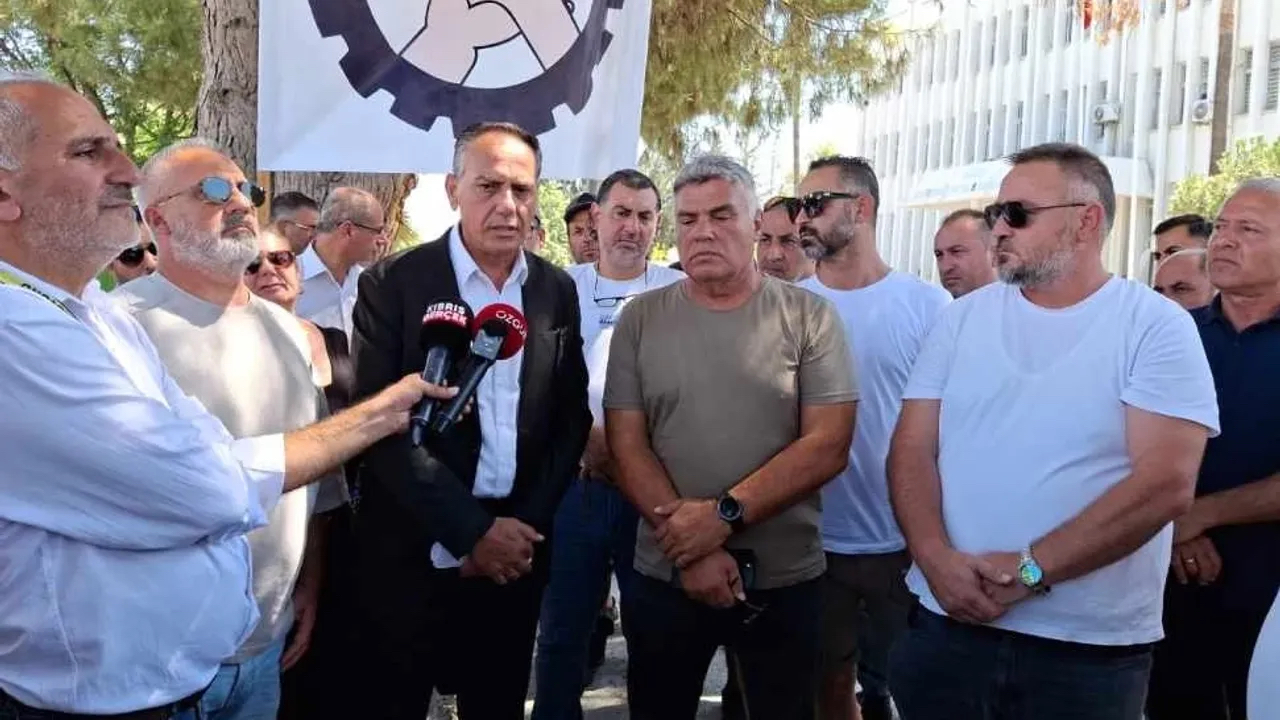
    The recent strike by employees of the north’s Koop Bank and its subsidiaries concluded on Friday after the ruling coalition agreed to withdraw the planned austerity measures affecting workers. This decision followed intense negotiations aimed at addressing the workers’ concerns.

    Koop bank: Demands and Negotiations

    Workers had presented an eight-item list of austerity measures they wanted the ruling coalition and management to formally renounce. Key demands included halting work for pensioners, abolishing the 13th salary, suspending the cost-of-living allowance, and reducing Eid bonuses by half.

    Agreement Reached

    On Friday, Durali Guclusoy, the undersecretary to the prime minister, announced that he and ‘prime minister’ Unal Ustel would meet with union leaders to finalise a new collective labour agreement. This agreement aims to define the operational framework for the Koop Bank’s subsidiaries moving forward.

    Guclusoy confirmed that the previously considered measures, including the suspension of retirees’ work and salary deductions, have been put on hold until a new agreement is signed. He stated, “The suspension of retirees’ work and the deductions applies to workers, which were previously on the agenda, have been suspended until a new agreement is signed.”

    Future Plans with Union Leaders

    Mehmetali Guroz, leader of the Koop-Sen trade union, expressed optimism about the negotiations, stating discussions would commence on Monday to draft a protocol that would balance the income and expenses of the workers. Guroz emphasised that the workers would not shy away from previously signed agreements and ongoing negotiations.

    He also noted, “We intend to sign the new agreement within a week at the latest, although we have three months to finalise it.” This proactive approach aims to ensure that workers’ rights and benefits are safeguarded in the new contract.

    Tensions During Negotiations

    Earlier on the same day, Guclusoy was seen engaged in a heated discussion with striking workers outside Ustel’s office. This encounter caught the attention of a journalist, leading to a moment where Guclusoy attempted to take the journalist’s phone, insisting that there was nothing worth filming.

    This incident resulted in a backlash from the Cyprus Turkish journalists’ union, which condemned the act as an attack on press freedom. In their statement, the union asserted, “In societies where the press is not free, democracy is also in danger. We will not allow press freedom and democracy to be undermined.”

    The union further highlighted that public officials should not obstruct journalists from covering events occurring in public spaces. They remarked, “If [Guclusoy] did not want his discussion to be reflected in the public, he should not have initiated this dialogue in public.”

    Community Reaction

    The strike and subsequent resolution have sparked mixed reactions within the community. Many workers expressed relief at the ruling coalition’s decision to retract the austerity measures, viewing it as a significant victory for their rights. The outcome has reinforced the importance of collective bargaining and dialogue between workers and management.

    However, the incident involving Guclusoy and the journalist has raised concerns about the treatment of the media and freedom of expression in the region. Observers note that such actions could have broader implications for public trust in government officials.

    The Importance of Collective Bargaining

    This episode underscores the vital role of collective bargaining in protecting workers’ rights. With the labour market facing ongoing challenges due to economic pressures, the ability for workers to negotiate favourable terms is more crucial than ever. The swift resolution of the strike reflects a commitment from both the workers and the ruling coalition to find common ground.

    Looking Ahead

    As the union prepares to enter negotiations for the new collective labour agreement, stakeholders will be watching closely. The outcomes of these discussions could set a precedent for future dealings between workers and management across various sectors. The hope is for a balanced agreement that addresses the financial realities while ensuring fair treatment for all employees.