Tag: tax reform

  • Finance Minister Advocates for 2026 Budget as Future Investment

    Finance Minister Advocates for 2026 Budget as Future Investment

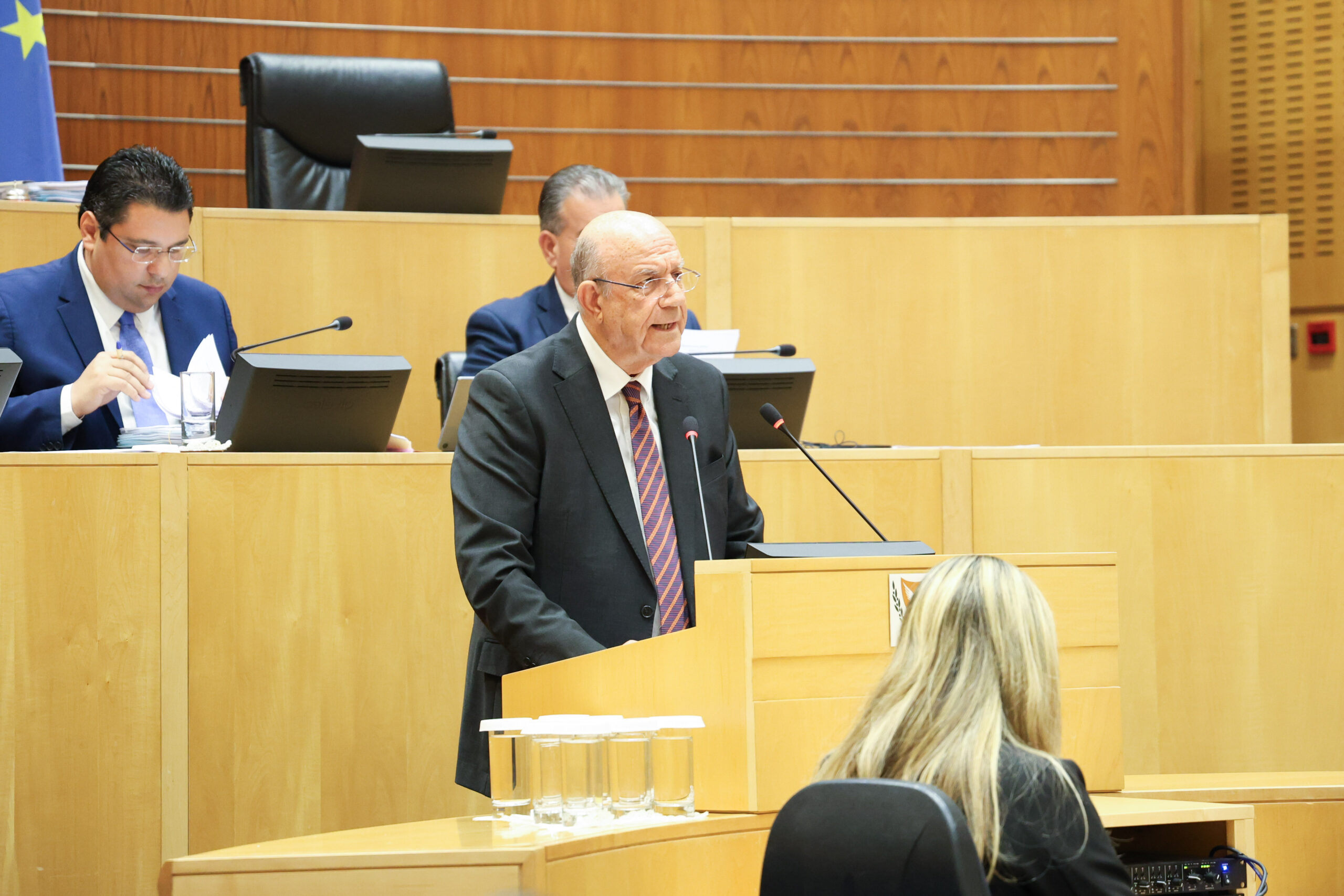
    2026 budget — Finance Minister Makis Keravnos has urged MPs to approve the 2026 state budget, framing it as an investment in the future of Cyprus. Speaking at the House plenum on Thursday, he emphasised the government’s commitment to fostering growth whilst ensuring a balanced approach to development that prioritises people.
    Photo: cyprus-mail.com

    026 budget: Government’s Vision for Economic Growth

    In his address, Keravnos highlighted that the budget is designed to facilitate economic growth that benefits a broad spectrum of the population. He stated, “Our objective is to pursue a policy of economic growth benefiting as many people as possible, without exclusions.” This vision is particularly crucial given the ongoing challenges, including the geopolitical tensions arising from the crisis in Ukraine.

    Resilience Amid Challenges

    Despite any uncertainties, the finance minister expressed confidence in the resilience of the Cyprus economy. He asserted that it would maintain its momentum, projecting strong growth, low unemployment rates, and healthy public finances.

    Upcoming Budget Discussions

    Keravnos delivered his budget speech during the final regular plenary session of the year. The budget will be debated and voted on during an extraordinary session scheduled for December 15 to 17. Ahead of this critical vote, he appealed to MPs to consider the budget as a pivotal investment in the future for citizens and businesses alike.

    Key Financial Figures for 2026

    The proposed 2026 budget outlines primary expenditures totalling €10.7 billion, marking a 5% increase from 2025. Development spending is set to rise by 4.7%, while social spending will see a significant boost of 6.7%.

    • Projected GDP growth for 2026: 3.1%
    • Unemployment rate forecast: 4.6%
    • Expected inflation rate: stabilising around 2%
    • Budget surplus anticipated: 2.9% of GDP
    • Debt to GDP ratio forecast: 50.9%, down from 55.3%

    Funding for Vulnerable Groups

    Over the next three years, from 2026 to 2028, the government plans to allocate approximately €6.82 billion to support vulnerable groups, including students, children, patients, and individuals with special needs. This substantial investment underscores the government’s commitment to social welfare and inclusion.

    Debt Management and Surpluses

    Keravnos noted that maintaining budget surpluses through 2026 should positively influence the government’s financing strategy, ultimately contributing to a decrease in the public debt to GDP ratio. The anticipated reduction surpasses earlier projections, which aimed for a 60% ratio by the end of 2026.

    Utilisation of Recovery Funds

    Regarding the Recovery and Resilience Facility, the minister revealed that Cyprus has already received €568 million across five tranches, indicating a proactive approach to leveraging European funds for national development.

    Public Payroll and Employment Changes

    Concerning the public payroll, it is expected to constitute 27.5% of the total state budget in 2026, a slight decrease from 28% this year. The government also plans to create 611 new positions in the public sector while eliminating 625 roles, signalling a shift in workforce management.

    Tax Reform for Economic Fairness

    Another crucial aspect of the budget discussion is the proposed tax reform, which the administration aims to pass by the end of the year. Keravnos described the new tax system as fairer, designed to reduce the tax burden on households and families with children. This reform is expected to stimulate the middle class, enhance opportunities for women’s employment, and promote home ownership.

    He stated, “It is a new, fairer tax system, which will boost the real economy and the competitiveness of Cypriot businesses while attracting productive and qualitative foreign investment creating well-paying jobs.” This comprehensive approach reflects the government’s commitment to fostering a resilient and inclusive economic environment.


  • Economists Critique Government’s Tax Plan as Underwhelming

    Economists Critique Government’s Tax Plan as Underwhelming

    Economists have poured cold water on the government’s proposed tax plan, labelling it underwhelming in light of the grand promises made. Despite the government’s assertions that these changes would create a fairer tax system, analysts suggest that the reality for low-income earners is starkly different.

    Photo: cyprus-mail.com

    Tax plan: Government Claims of Reform

    The Cypriot government has touted the upcoming tax overhaul as a ‘flagship project’ aimed at strengthening the middle class and supporting low-income households. Finance Minister Makis Keravnos describes the reform as having a significant social aspect, claiming it will provide relief for families, students, and large households. He emphasised that 55 per cent of employees would see no income tax.

    Photo: cyprus-mail.com

    Legislative Timeline and Structure

    It has been 22 years since the last major revision of the tax regime. The current reform consists of six bills that the government hopes to pass swiftly, aiming for implementation by January 1, 2026. With the state budget bill also requiring attention, Parliament faces a tight deadline to deliberate on these proposed changes.

    Main Features of the Proposed Tax Reform

    The proposed changes include several key adjustments:

    • The tax-free threshold will increase from €19,500 to €20,500.
    • Families will be eligible for tax credits: €1,000 per child (or €2,000 for single-parent households), €1,000 for full-time students, a €1,500 deduction for interest on loans or rent for primary residences, and €1,000 for energy upgrades or electric-vehicle purchases.
    • To qualify for these benefits, families must have an annual income below €80,000, large families below €100,000, and single individuals below €40,000.
    • Tax deductions will extend to insurance premiums for disability and home insurance against natural disasters, allowing deductions of up to €500 per year.
    • The tax-exempt ceiling for retirement payments will rise significantly from €20,000 to €200,000.
    • All individuals aged 25 and over residing in Cyprus will need to file an income tax return, regardless of their income status.
    • The corporate tax rate will increase from 12.5 per cent to 15 per cent.

    Concerns from Economists

    Despite the government’s optimistic portrayal, economists are not convinced of the plan’s efficacy. Marios Christou, an economist from the University of Nicosia, argues that the proposals do not constitute a comprehensive tax reform. He points out that while income tax changes are notable, there is a lack of significant alteration to VAT and that low-income earners will see little benefit from the reforms.

    Christou further critiques the focus on individual rather than family income, noting that someone earning €90,000 with an unemployed spouse would not gain any tax relief from the proposed changes.

    Criticism of Tax Threshold Adjustments

    Many experts, including Savvakis Savvides, express disappointment with the minor increase in the tax-free threshold, viewing the €1,000 rise as insufficient when adjusted for inflation over the past two decades. Savvides believes the threshold should realistically be set above €25,000 to account for economic changes.

    Social Policy vs. Tax Reform

    Critics like Savvides argue that the government’s attempt to intertwine social policy with tax reform is misguided. A straightforward tax regime should not be an instrument for social policy but should instead be clear and universally applicable. He describes the proposed changes as a “complex labyrinth” that introduces unnecessary complications under the guise of social justice.

    Concerns About Political Accountability

    Additionally, Savvides suggests that President Nikos Christodoulides may be using these amendments to deflect criticism regarding his failure to deliver on campaign promises, such as raising the tax threshold to €24,000. This raises questions about the administration’s commitment to genuine reform.

    Economic Implications

    As the government moves forward with its tax plans, economists caution that the proposed changes may not yield the intended economic benefits. The focus on middle-class relief, while neglecting the low-income demographic, could lead to greater economic disparities.

    Ultimately, while the government presents the tax reform as a significant step toward a fairer system, the lack of comprehensive changes and the criticisms from leading economists suggest a more cautious interpretation of its impact.