A new gene therapy project at the Cyprus Institute of Neurology and Genetics aims to tackle the root cause of beta-thalassemia, a prevalent inherited blood disorder in Cyprus.
- A new gene therapy project at the Cyprus Institute of Neurology and Genetics aims to tackle the root cause of beta-thalassemia, a prevalent inherited blood disorder in Cyprus.
- As the project progresses, the potential impact on the lives of those affected by beta-thalassemia could be transformative, moving towards a future where the disease is no longer a lifelong burden.
Addressing a Critical Health Challenge
The Molecular Genetics Thalassaemia Department (MGTD) has unveiled the BETA-BET: Targeted Base Editing for Beta Thalassemia project, designed to develop a one-time, curative therapy. This initiative specifically targets the HBBIVSI-110 mutation, the most common cause of beta-thalassemia on the island.
Understanding Beta-Thalassemia
Beta-thalassemia is a serious hereditary condition resulting from mutations in the β-globin gene (HBB), which plays a vital role in producing haemoglobin, the protein responsible for oxygen transport in the blood. Individuals affected by this disorder often require lifelong blood transfusions to manage chronic anaemia and compensate for their body’s inadequate production of functional red blood cells.
Project Timeline and Funding
The BETA-BET project commenced on June 1, 2025, and is set to last for 24 months. It has a total funding of €198.83 million, with financial support from the Research and Innovation Foundation (RIF), the European Union, and the Republic of Cyprus.
Building on Previous Success
This new project builds on a prior RIF-funded initiative that involved collaboration with George Papanikolaou Hospital, the Aristotle University of Thessaloniki, and the University of Freiburg. That earlier study successfully evaluated gene-editing tools in stem cells from individuals with two copies of the HBBIVSI-110 mutation, demonstrating the potential to correct genetic defects and restore normal red blood cell production.
Scientific Goals of the BETA-BET Project
The BETA-BET project has outlined two primary scientific objectives. The first goal is to expand and validate the effectiveness of “base editing” technology for a broader patient demographic known as compound heterozygotes. These patients carry the HBBIVSI-110 mutation alongside another mutation in the same gene, representing a significant portion of the thalassemia population. In fact, globally, compound heterozygotes are over three times more common than homozygotes, making this research particularly relevant in regions such as Greece and Egypt, where the HBBIVSI-110 mutation is prevalent in over 19 per cent of the population.
Innovative Gene Editing Technology
Base editing acts like a microscopic “biological pencil and eraser,” allowing scientists to precisely identify and correct a single “letter” error in the DNA sequence without cutting the DNA strands. This method provides a safer and more controlled approach to gene therapy compared to traditional techniques, paving the way for broader clinical application.
New Delivery Methods for Gene Therapy
The second objective involves the development of a cutting-edge delivery platform using engineered virus-like particles (eVLPs). These particles function as “microscopic delivery drones,” designed to transport gene-editing tools directly to blood-producing stem cells. This innovative delivery method could ultimately simplify the treatment process, allowing it to be administered via a simple injection rather than the current complex and costly procedure that requires the removal, editing, and reinfusion of stem cells.
Collaboration and Expertise
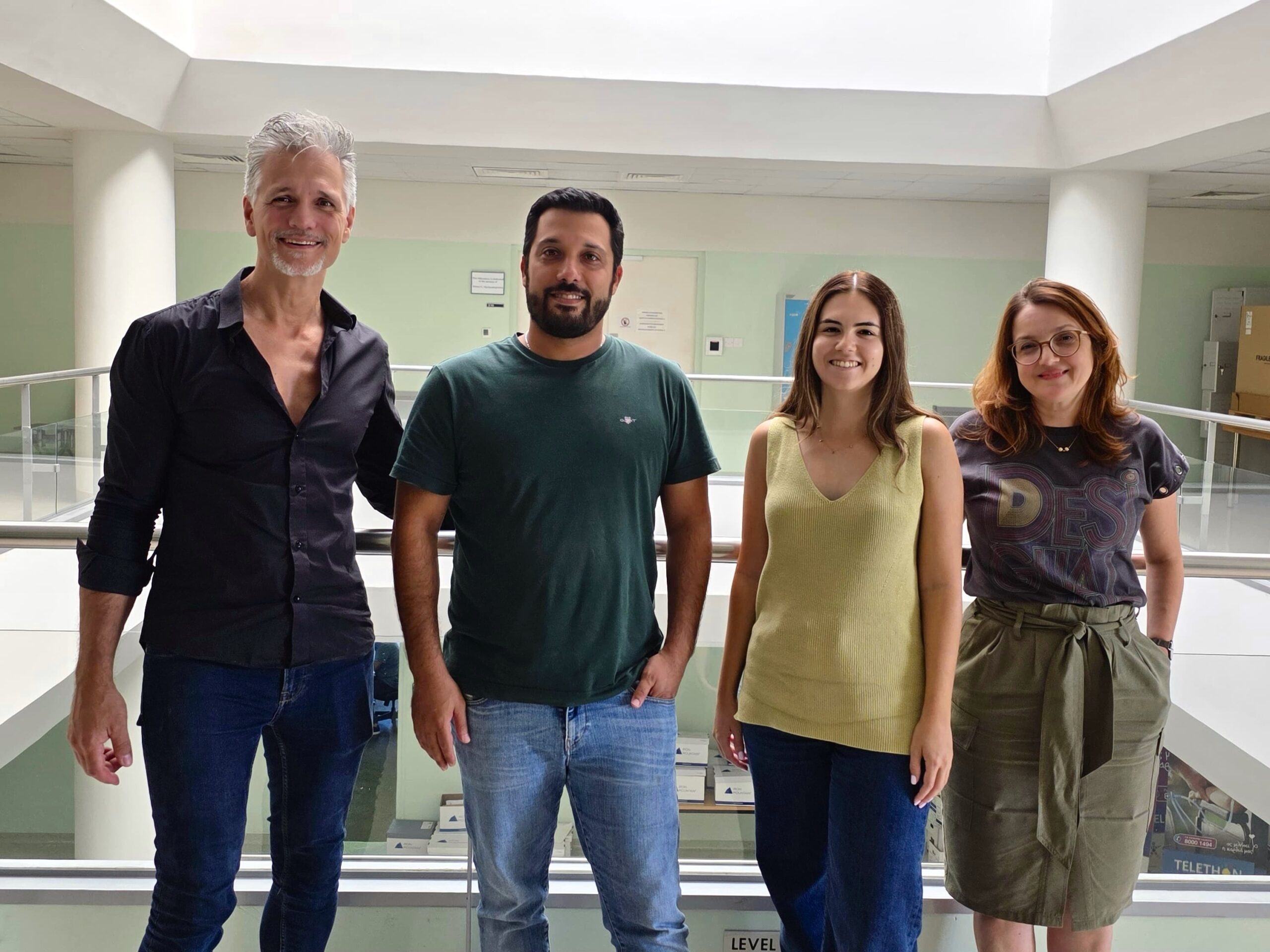
The project is being coordinated by Dr Petros Patsali, Associate Scientist at MGTD, alongside a team that includes Dr Carsten W. Lederer, Head of Department, Dr Nikoletta Papaioannou, Postdoctoral Researcher, and Dr Panayiota Papasavva, Hematologist and Clinician-Researcher. They are collaborating with a network of national and international partners, including Dr Soteroula Christou from the State Health Services Organization’s Thalassaemia Clinic in Cyprus, Prof Dr Toni Cathomen from the University Medical Center Freiburg in Germany, Dr Annarita Miccio from the Imagine Institute of Genetic Diseases in France, and Dr Maria N. Dimopoulou from Laiko General Hospital in Athens.
A Promising Future for Thalassemia Patients
The Cyprus Institute of Neurology and Genetics has stated, “The BETA-BET programme represents a crucial step toward a potential cure for the majority of people living with thalassemia.” By broadening the therapy’s reach and developing a safer delivery system, the institute believes this research could offer a personalised, one-time treatment for many patients who currently depend on lifelong transfusions.
As the project progresses, the potential impact on the lives of those affected by beta-thalassemia could be transformative, moving towards a future where the disease is no longer a lifelong burden.