
Tag: trade unions

  • Minimum wage — Minimum Wage Increase in Cyprus Faces Criticism from Employers and Unions

    Minimum wage — Minimum Wage Increase in Cyprus Faces Criticism from Employers and Unions

    The recent minimum wage increase in Cyprus has sparked significant criticism from both employers and trade unions. Labour Minister Marinos Mousiouttas emphasised the government’s aim to protect the purchasing power of workers while maintaining business viability. Speaking during an interview on RIK television, Mousiouttas noted that the Ministry’s role is to mediate, ensuring industrial peace and improving earnings without jeopardising the economy’s ability to absorb these changes.

    Employers Raise Concerns Over Economic Impact

    The Cyprus Federation of Employers and Industrialists (OEB) has voiced strong opposition to the minimum wage hike, which they believe exceeds the real economy’s capacity. The OEB estimates an approximately 8.8% increase, arguing that this rise is not justified by productivity levels. They warn that the total cost to employers could surpass €1,250 per employee, placing additional pressure on businesses, particularly those that are only marginally viable.

    OEB representatives have also expressed fears that passing these increased costs onto consumers could fuel inflationary pressures. The Federation’s concerns reflect a broader apprehension within the business community regarding the sustainability of such wage increases in the face of potential economic downturns.

    Trade Unions Demand More for Workers

    Conversely, trade unions argue that the minimum wage increase is still inadequate. The Cyprus Workers’ Confederation (SEK) has stated that the new minimum wage fails to meet basic subsistence needs, particularly for workers in sectors such as retail, cleaning, supermarkets, and security. Despite recorded economic growth, SEK highlights that wages in Cyprus remain disproportionately low compared to the GDP and productivity.

    Andreas Matsas, the General Secretary of SEK, has called for a review of the minimum wage decision before it is finalised. He pointed out that workers earning the minimum wage are largely unaffected by recent tax reforms, suggesting that the government should have taken more sensitive measures to support these individuals.

    A New Minimum Wage Structure

    The new minimum wage will come into effect on 1 January 2026, with a scheduled review in 2028. According to the decision made by the Council of Ministers, the minimum wage will be set at €979 for newly hired employees and will increase to €1,088 after six months of employment. This structure aims to provide a gradual increase for workers while allowing businesses time to adjust.

    Ongoing Dialogue and Negotiations Ahead

    The discussion surrounding the minimum wage is expected to continue beyond the festive period, with both employers and unions likely to engage in further dialogue. The government’s mediatory role will be crucial in balancing the needs of workers with the economic realities facing businesses. As the implementation date approaches, stakeholders will be keenly observing the impact of this increase on both the labour market and the economy at large.

    As tensions rise and differing opinions emerge regarding the minimum wage, it is clear that this issue will remain a focal point in Cyprus. The government’s commitment to safeguarding workers’ purchasing power, while also considering the viability of businesses, reflects a complex challenge that requires careful navigation.
  • Trade unions — Cyprus Trade Unions Halt Meeting Over Government Negotiation Framework

    Trade unions — Cyprus Trade Unions Halt Meeting Over Government Negotiation Framework

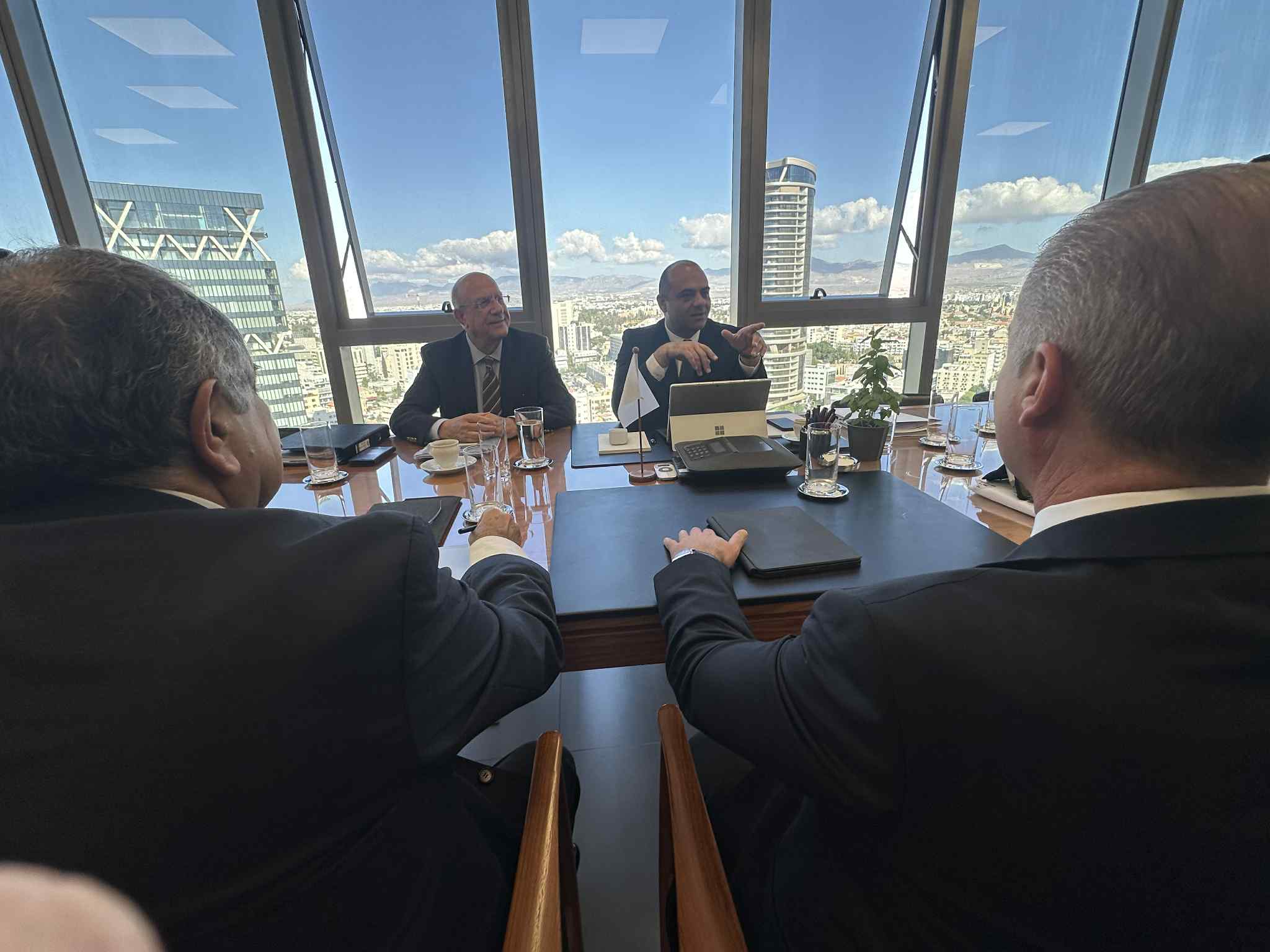
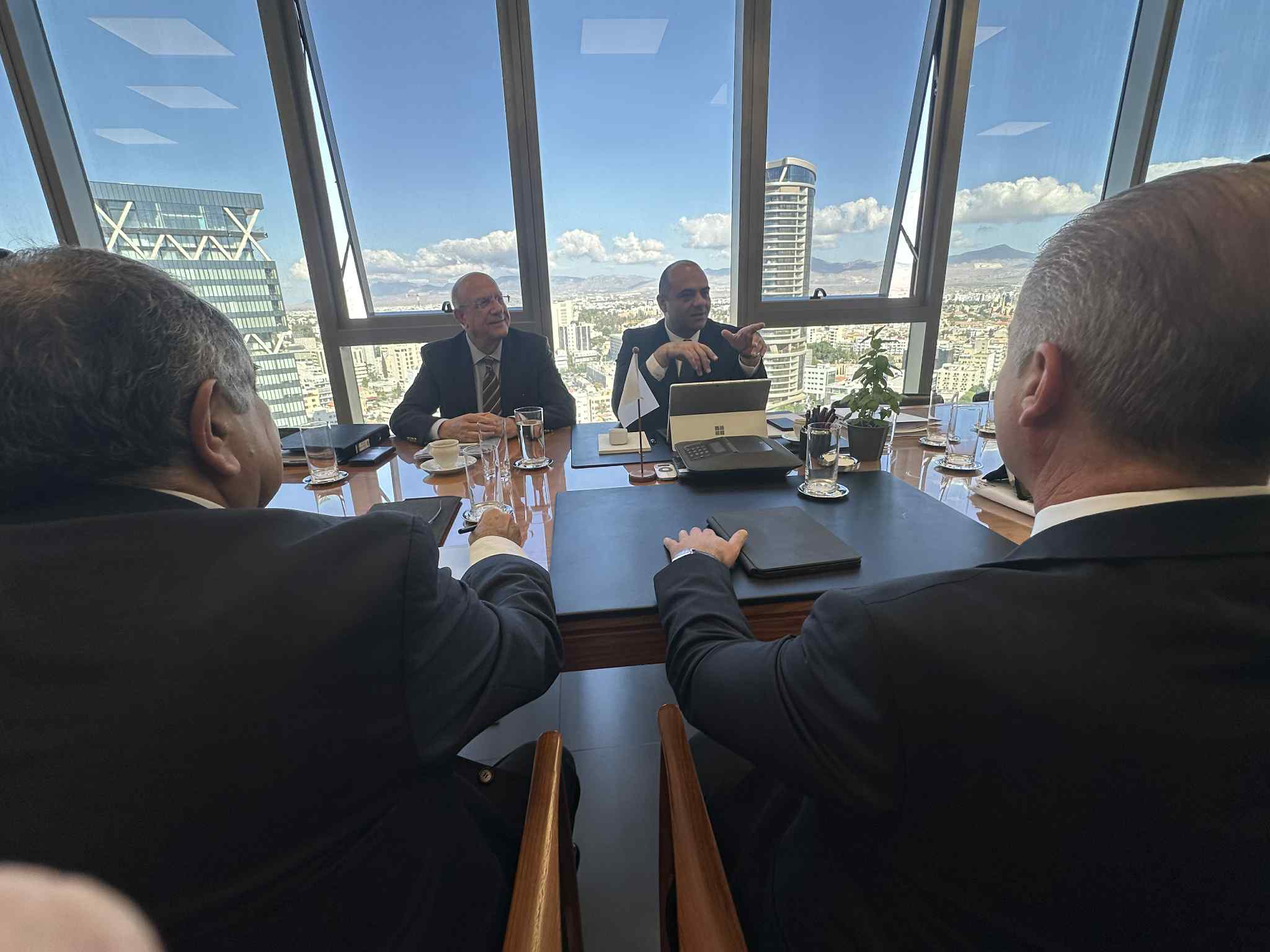
    Cyprus’ trade unions suspended their joint meeting on Monday afternoon after receiving a draft negotiation framework from the government, citing “many ambiguities” in the document.

    • Cyprus’ trade unions suspended their joint meeting on Monday afternoon after receiving a draft negotiation framework from the government, citing “many ambiguities” in the document.

    The decision to pause discussions occurred during a pan-union conference that began at 3.30pm at the Peo headquarters in Nicosia. Delegates from major unions, including Sek, Peo, Deok, Pasydy, Oelmek, and Pasyki, were present as the four leading organisations briefed others on recent developments.

    Peo general secretary Sotiroula Charalambous voiced concerns about the text, which she described as containing “many questions and ambiguities.” She emphasised the need for clarification before further discussions could continue, stating, “It would be premature and careless to make any comments before obtaining the necessary explanations.”

    Charalambous reiterated the unity of the union movement around two main objectives: restoring the cost of living allowance (CoLA) to its full value and extending this system to all workers. “We are ready for an agreement,” she added, “but we are also ready to continue with any measures necessary to achieve these objectives.”

    Echoing her sentiments, Sek general secretary Andreas Matsas highlighted the importance of understanding the nature of the government’s text. He stated, “It must be clarified whether this is a mediation proposal or simply a draft for further work.” Matsas underscored the need for clear answers from the relevant ministers before any substantial response could be made.

    When questioned about a potential meeting with ministers, Matsas indicated it was possible, while Charalambous noted that any future steps would rely heavily on the clarifications received. Pasydy general secretary Stratis Mattheou remarked, “The process must be respected before any meeting can be decided.”

    Matsas pointed out that the procedural handling of the document was secondary, with the primary goal being to “obtain answers to the many questions that arise” and to grasp the “form and purpose” of the text for a proper evaluation.

    On whether the document could facilitate a resolution, Matsas stated, “In a state of stagnation, any step forward creates prospects.” He emphasised the need to assess the significance of those prospects before deciding how to proceed. Charalambous confirmed that a full evaluation would be made according to the principles established at the start of negotiations. However, she cautioned that if no agreement is reached, “there is no alternative but to escalate industrial action.”

    Deok president Stelios Christodoulou added that while advancements have been made, the situation remains unpredictable. “As close as we may seem to a solution, we could be just as far,” he commented.

    Matsas concluded that the resolution’s timing hinges on the government’s responses to the unions’ inquiries. Meanwhile, the executive committee of the employers and industrialists federation (Oev) also convened on Monday for an extended session, during which the government provided a “confidential note” entitled Negotiation Framework for the Cost of Living Allowance. Oev director general Michalis Antoniou noted that “important sections of the document are unclear and contradictory, with references that complicate efforts to reach common ground.” He assured that a more detailed public statement from Oev would follow in the coming days.

    The joint discussions among the unions revolve around renewing the framework governing the CoLA, a significant issue that has been under negotiation since the last meeting with the labour and finance ministers on October 16.

  • Unions Disapprove Government’s Cost-of-Living Allowance Proposal

    Unions Disapprove Government’s Cost-of-Living Allowance Proposal

    Unions have firmly rejected the government’s proposal regarding the cost-of-living allowance (CoLA), arguing that it threatens the allowance’s integrity, according to Pasydy secretary-general Stratis Mattheou.

    Cost-of-living allowance: Significant Concessions Made by Unions

    In the ongoing negotiations surrounding CoLA, trade unions have reportedly made significant concessions. However, they remain resolute in their stance against the government’s recent proposals, which they claim would lead to the “degeneration” of the allowance. Mattheou expressed serious concerns about the government’s plan, emphasising that the proposal would only allow for CoLA to be granted when certain conditions are satisfied.

    Concerns Over CoLA’s Future

    Mattheou elaborated on the implications of the proposal, stating that it undermines the core principle of CoLA being an annual measure to counteract salary erosion caused by inflation. He noted, “The proposal leads to the degeneration of CoLA – essentially meaning that it would only be granted when certain conditions are met, whereas it should be given every year to offset salary erosion caused by inflation.”

    Negotiations Under Labour Minister’s Auspices

    The discussions have been ongoing under the auspices of Labour Minister Yiannis Panayiotou, with the participation of employers’ organisations Oev and Keve. Despite the unions’ willingness to accept a gradual restoration of CoLA to its full amount by 2028, along with an inflation ceiling, the latest government proposal has complicated matters.

    Government’s Linking of CoLA to Economic Metrics

    The government’s recent proposal links the allowance to both growth and inflation rates while also establishing a salary threshold above which the allowance would not be disbursed. This move has been perceived as a setback by union leaders, who feel that the employers’ organisations are trying to erode the benefits associated with CoLA.

    Unions Express Disappointment

    After a joint meeting on Friday, which included Finance Minister Makis Keravnos and Labour Minister Panayiotou, union leaders voiced their disappointment. Peo secretary-general Sotiroula Charalambous described the meeting as a serious setback, stating, “Unfortunately, with what we heard today, we have gone backwards. It is obvious that we are at an impasse.” She stressed the unions’ position that CoLA must be applicable to all workers.

    Future Meetings and Actions

    In light of the current deadlock, unions plan to convene again on Monday afternoon to discuss potential further actions. While they have not ruled out additional measures, the exact nature of these actions remains to be determined.

    Labour Ministry’s Stance

    The labour ministry responded to the situation by stating that “intensive efforts” to reach a workable agreement will continue. They noted that both unions and employers have demonstrated a positive approach throughout the negotiations, suggesting a willingness to find common ground.

    Employers’ Perspective on Negotiations

    Philokypros Rousounidis, secretary-general of the Cyprus Chamber of Commerce and Industry (Keve), highlighted the employers’ commitment to maintaining social dialogue. He acknowledged the dissatisfaction on both sides but expressed a desire to avoid escalating tensions. Rousounidis stated, “We are not very satisfied either, but we do not want to escalate the situation further and will await the next steps.”

    The Path Ahead for CoLA

    The ongoing discussions surrounding the cost-of-living allowance are crucial for many workers, particularly in the context of rising living costs and inflation. Both sides appear to be at a critical juncture, and the outcome of the negotiations will significantly impact the welfare of employees across various sectors. As unions prepare for their upcoming meeting, the focus will remain on securing a fair and sustainable solution for the cost-of-living allowance that safeguards workers’ rights.