Tag: transparency

  • Political Parties Demand Clarity on Alleged Illegal Campaign Financing of Christodoulides

    Political Parties Demand Clarity on Alleged Illegal Campaign Financing of Christodoulides

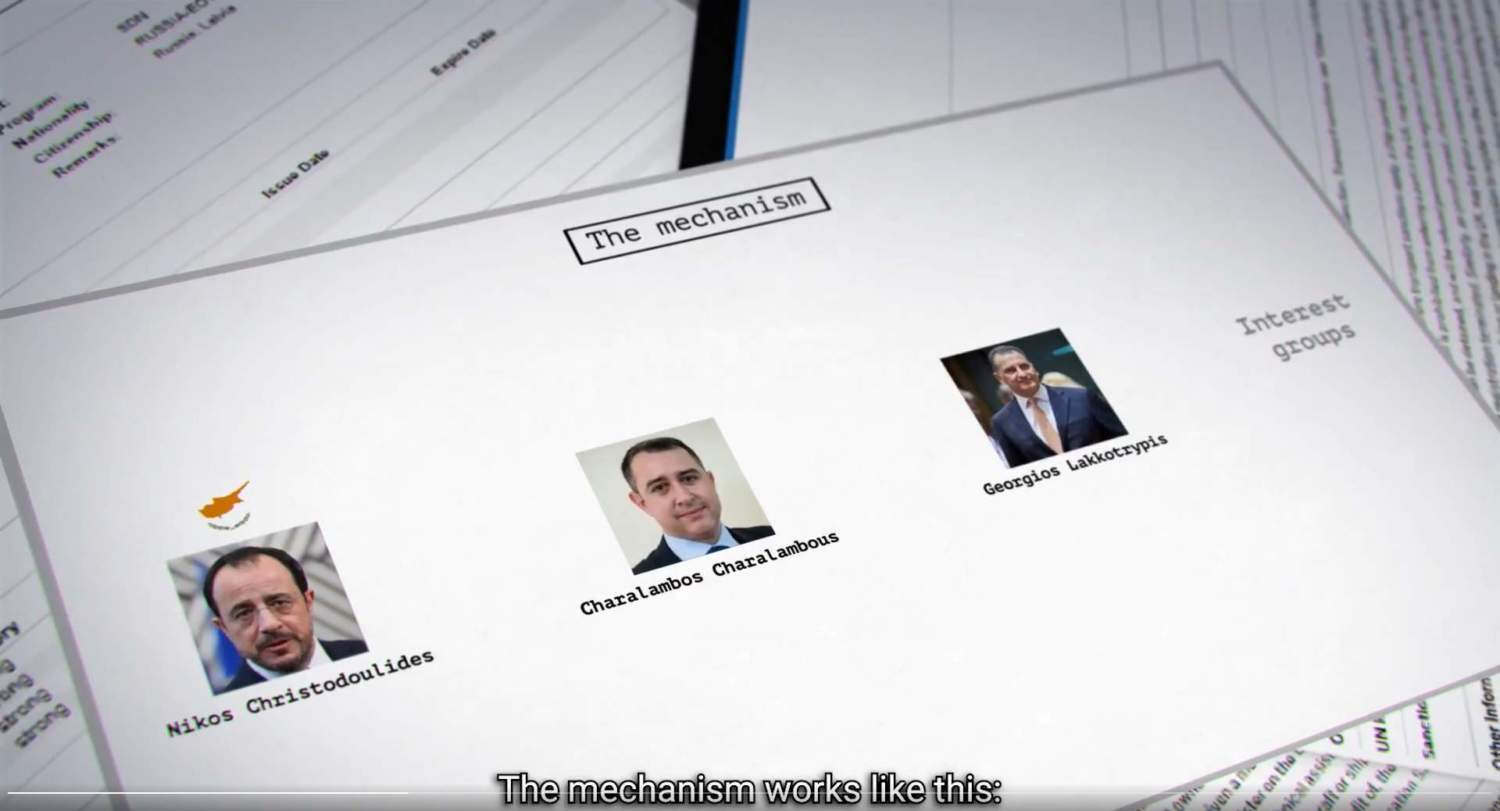
    illegal campaign — illegal campaign — Political parties are raising serious concerns over a video that suggests illegal financing during the 2023 presidential campaign, focusing on the actions of President Nikos Christodoulides. The clip, which has gained traction on platform X, highlights potential misconduct regarding monetary support for the campaign and hints at questionable access for investors to the Presidential Palace.

    Opposition leaders have reacted swiftly, calling for immediate transparency from the government. Annita Demetriou, president of the Democratic Rally (DISY), expressed her alarm, stating, “For quite some time now, a video has been circulating that implicates people and the government in illegal practices. I hope it does not correspond to reality. I expect the competent authorities to do the obvious.”

    Stefanos Stefanou, the general secretary of the Progressive Party of Working People (AKEL), echoed this sentiment, emphasising the need for clear answers regarding the funding issues tied to the Christodoulides administration. “The video circulating on social media raises serious institutional and political issues to which the government must give clear answers. We are waiting and will return to this,” he remarked.

    Adding to the chorus of discontent, MP Irene Charalambidou described the video as shocking, emphasising the urgency for an official statement from the government. “If I understand correctly, we are watching a shocking video that features the government with its associated businesspeople! There must be an immediate statement because we will have worse than the assistant’s resignation and the tragicomic events! Now there is also footage. Is it true? Or not?”

    Charalambidou directly called on government spokesman Konstantinos Letymbiotis to provide clarity on the situation. Meanwhile, MP Alexandra Attalides remarked sarcastically on the early challenges faced by Christodoulides’ presidency, saying, “Our presidency is starting very well, Nikos Christodoulides. When we talked to you about transparency, you called us toxic!”

    As pressure mounts, the lack of an official response from the Presidential Palace is notable. The government faces a critical decision: to deny the allegations outright or to clarify the authenticity and content of the video that has sparked such uproar.

    The video has not only ignited political tension but has also prompted discussions about the integrity of the electoral process in Cyprus. It raises questions about how the handling of campaign financing could impact public trust in the government.

    In a separate but related development, former minister Emily Thompson shared a tweet suggesting the video uncovers a significant breach of campaign finance laws, alleging that the President exceeded the €1 million campaign finance cap through questionable means involving a family network. “Can’t even describe what I just received! BREAKING BOMBSHELL VIDEO EXPOSES CYPRUS PRESIDENT’S SHADOW CASH MACHINE!” she wrote.

    Philenews has published the video in question, clarifying that it does not endorse its content. They indicated that the matter has been referred to the police for investigation, underlining the seriousness of the allegations.


  • Anti-corruption — Greco Urges Cyprus to Intensify Anti-Corruption Reforms

    Anti-corruption — Greco Urges Cyprus to Intensify Anti-Corruption Reforms

    Greco has urged Cyprus to accelerate its anti-corruption reforms in light of its recent evaluation report. The Council of Europe’s Group of States against Corruption (Greco) has set a strict timeline of 18 months for the island to enhance its compliance with the recommendations made in 2023.

    • Other noteworthy advancements include a coordinated integrity and corruption prevention policy for the police and a process aimed at resolving disciplinary cases promptly and consistently.
    • As Cyprus navigates this critical period, the government remains committed to enhancing its anti-corruption measures, aiming to bolster its international credibility and uphold democratic values.

    In a follow-up conformity report, Greco reviewed the 22 recommendations it previously issued, finding that Cyprus has fully implemented six and partially implemented 13, while three remain unaddressed.

    Anti-corruption: Progress in Integrity Measures

    Among the recommendations successfully implemented, Cyprus has established clear integrity requirements for government recruits. It also ensured that senior executives undergo integrity checks before their appointments. Additionally, an institutionalised monitoring mechanism for legislative consultations has been set up, along with practical guidance for managing relationships between high-level officials and lobbyists.

    Other noteworthy advancements include a coordinated integrity and corruption prevention policy for the police and a process aimed at resolving disciplinary cases promptly and consistently.

    Recommendations Still Pending

    Despite the progress, Greco highlighted significant gaps in implementation. Cyprus has yet to address recommendations concerning the prevention of former officials from exploiting their previous positions and enhancing cooperation among various government offices for anti-corruption efforts. Furthermore, the need for a consistent approach to resolving disciplinary cases remains unfulfilled.

    Assessment of Current Framework

    Greco acknowledged the strides made in regulating the legal status of consultants working with government members and the introduction of codes of conduct for high-level officials. However, it expressed that further consolidation of integrity standards and practical guidance is essential for sustained progress.

    The recent launch of an “e-consultation” platform for sharing draft legislation was noted as a significant advancement, but Greco reiterated the necessity for a more comprehensive integrity strategy among high-ranking officials.

    Calls for Enhanced Staffing and Transparency

    The report suggested that increasing staffing levels at the anti-corruption authority could enhance its effectiveness. Additionally, it emphasised the need for transparency in the selection process for the chief of police and related procedures.

    Greco also welcomed the partial implementation of reforms such as the strengthening of financial disclosure for police leadership and legislative amendments aimed at protecting whistleblowers from retaliation.

    Government’s Response to Greco’s Report

    President Nikos Christodoulides responded to the Greco report with a note of optimism, highlighting that only three recommendations remain unaddressed and that the compliance rate exceeds 85%. He regarded this as a testament to the government’s systematic approach to reforms.

    Christodoulides framed the report as both a recognition of past efforts and a roadmap for future reforms, asserting that the full implementation of all recommendations is a priority. He emphasised that combating corruption is a collective responsibility for both institutions and citizens, underscoring the importance of trust and integrity in governance.

    As Cyprus navigates this critical period, the government remains committed to enhancing its anti-corruption measures, aiming to bolster its international credibility and uphold democratic values.

  • Concerns Emerge Over Potential Return of Golden Passports in Cyprus

    Concerns Emerge Over Potential Return of Golden Passports in Cyprus

    golden passports — The topic of fast-track citizenship, often referred to as golden passports, has resurfaced in Cyprus, prompting significant concerns among legislators and the public alike. This renewed focus follows inquiries by independent MP Alexandra Attalides regarding the recent modifications to citizenship laws.

    Photo: cyprus-mail.com

    In Cyprus, there are three primary pathways to citizenship: descent from Cypriot parents, marriage to a Cypriot, and naturalisation. The first two avenues are not applicable to the majority of applicants, leaving naturalisation as the common route for third-country nationals. This process, governed by Article 111 of the Population Register Law of 2002, requires individuals to be residents for eight years, with the final year spent continuously in Cyprus. Additionally, applicants must demonstrate good character, financial independence, and proficiency in Greek.

    However, amendments to the law have introduced a new pathway tailored for “highly specialised” employees, primarily within the IT and technology sectors, who can now apply for citizenship after just four years. This change also eases the language requirements, permitting applicants to speak Greek at an A2 level, although an extra year is added to the residency requirement in such cases.

    In her inquiries, Attalides learned from Interior Minister Constantinos Ioannou that 208 third-country nationals, along with 65 dependents, had successfully obtained citizenship under this revised framework, with an additional 360 applications pending. The MP’s request for details on the companies employing these individuals and the number of citizenships granted per company was met with the response that such records were neither maintained nor required by law.

    Attalides expressed her concerns that the changes might enable companies to effectively sell citizenships, drawing parallels to the now-defunct Cyprus Citizenship by Investment Programme (CIP), which faced significant scrutiny before its discontinuation in 2020. She plans to introduce a draft law aimed at mandating the migration department to maintain comprehensive records of applicants, including their employers, nationalities, job positions, and qualifications, in a bid to ensure transparency.

    “If you go on TikTok, I’ve seen foreigners who are advertising this scheme, saying ‘Come to Cyprus, get a job, get citizenship’,” she claimed, highlighting the potential for exploitation of the fast-track provisions.

    Online platforms like TikTok have indeed seen a surge in content promoting the ease of obtaining Cypriot citizenship. While there is nothing illegal about lawyers or consultants assisting individuals in navigating the citizenship process, the lack of oversight raises critical questions about fairness and equal opportunity. Attalides is wary that without proper regulation, certain well-connected companies could benefit disproportionately from the relaxed criteria.

    Cyprus’ government aims to position the country as a leading hub for technology and innovation, a strategy that Deputy Minister of Research, Innovation and Digital Policy, Nicodemos Damianou, believes is essential for economic growth. He noted that the technology sector contributes over 14 per cent to the national GDP, asserting that attracting specialised talent is vital for future development.

    However, this focus on attracting high-skilled professionals through fast-track citizenship raises ethical questions about the nature of citizenship itself. Many long-term residents, such as domestic workers or entrepreneurs in other sectors, may find themselves overlooked despite their contributions to society. The contrast is stark, as individuals who may have lived in Cyprus for years and integrated into the community often struggle to obtain citizenship, while those in high-demand sectors are fast-tracked.

    The issue at hand is not solely about the criteria for citizenship but also about what values underlie these legal frameworks. Should citizenship be awarded based on economic utility, or should it reflect a deeper connection to the country? Attalides, who opposed the recent amendments, suggests that a more equitable approach would be to grant residence permits instead of citizenship to those in specialised roles.

    As discussions unfold about the implications of these changes, Attalides warns, “In a few years from now, this will be the new big scandal.” The path forward remains fraught with challenges, as the balance between economic needs and ethical considerations continues to be debated.

  • Controversy Surrounds Cyprus’ ECHR Judge Selection Process

    Controversy Surrounds Cyprus’ ECHR Judge Selection Process

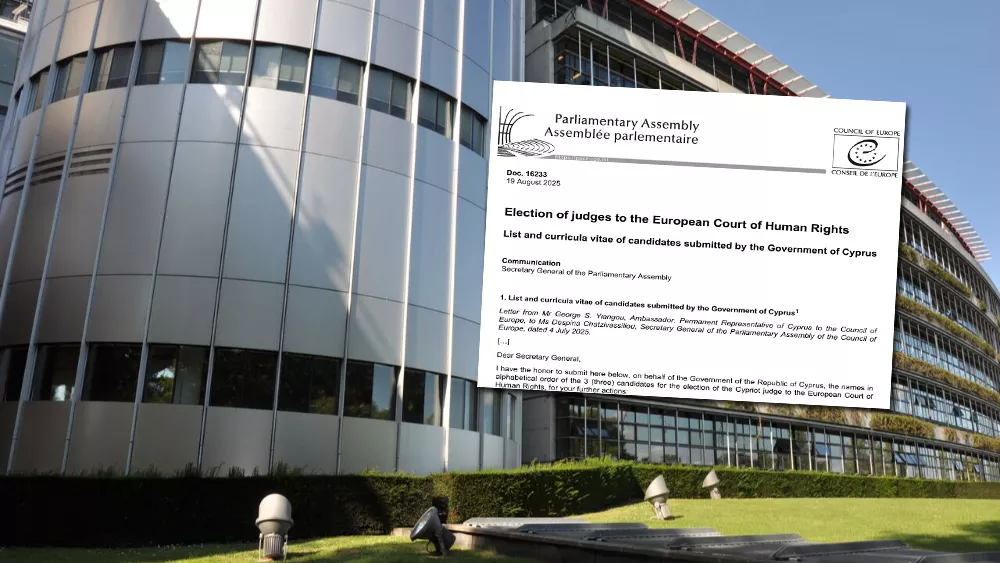
    echr judge — echr judge — Cyprus’ proposal for the European Court of Human Rights (ECHR) judge selection has sparked significant controversy, primarily due to concerns over the transparency of the evaluation process. Complaints have been lodged by two unsuccessful candidates, represented by lawyer Christos Clerides, who formally submitted their grievances to the Council of Europe’s Judicial Selection Committee.

    • Sources within the government have indicated that all candidates were treated equitably and that the inclusion of ministers in the selection panel is standard practice in other European countries.

    The objections arise from a shortlist of three nominees—Elena Efrem, Natasa Mavronikola, and Margarita Papantoniou—endorsed by President Nikos Christodoulides after approval from a seven-member Advisory Selection Board. This board finalised its list in early July, but the subsequent process has been called into question.

    Clerides, acting on behalf of senior state attorney Katerina Loizou and senior district court judge Xenis Xenofontos, has raised serious allegations regarding procedural flaws, omissions, and misleading information in the Republic of Cyprus’ official submission. In letters addressed to Council of Europe officials on 13 and 20 August, he articulated concerns about the Cypriot authorities’ failure to publish the shortlist domestically before forwarding it to Strasbourg, and the exclusion of qualified candidates from the interview process.

    One of the main points of contention is the alleged promotion of individuals who do not meet basic eligibility criteria, such as proficiency in national law. Additionally, the complaints highlight perceived conflicts of interest within the Advisory Board, which is chaired by Foreign Minister Constantinos Kombos and includes prominent figures like Justice Minister Marios Hartsiotis and Attorney General George Savvides.

    Clerides detailed seven primary concerns, including the politicisation of the selection process, a lack of disclosure regarding evaluation criteria, and selective exclusion of candidates. Notably, he claimed that Xenofontos was deliberately excluded from interviews, despite informing the committee of family obligations that would prevent his attendance, while other candidates were permitted to participate remotely.

    In response to the allegations, the government has firmly rejected any suggestions of irregularities. Foreign Minister Kombos stated that all decisions were made unanimously and in accordance with the Council of Europe’s requirements. Attorney General Savvides added that detailed minutes of every decision were maintained and submitted to Strasbourg, reinforcing the integrity of the process. Justice Minister Hartsiotis acknowledged the advanced stage of the selection process, urging that any disagreements should be addressed by the appropriate bodies.

    Sources within the government have indicated that all candidates were treated equitably and that the inclusion of ministers in the selection panel is standard practice in other European countries.

    The Council of Europe is now poised to evaluate the Cypriot list and determine the next steps in light of the ongoing objections. The outcome of this situation could have significant implications for the integrity of Cyprus’ judicial selection process and its standing within European institutions.