Tag: Turkish Cypriots

  • Guterres Expresses Disturbance Over Cyprus Problem Stalemate

    Guterres Expresses Disturbance Over Cyprus Problem Stalemate

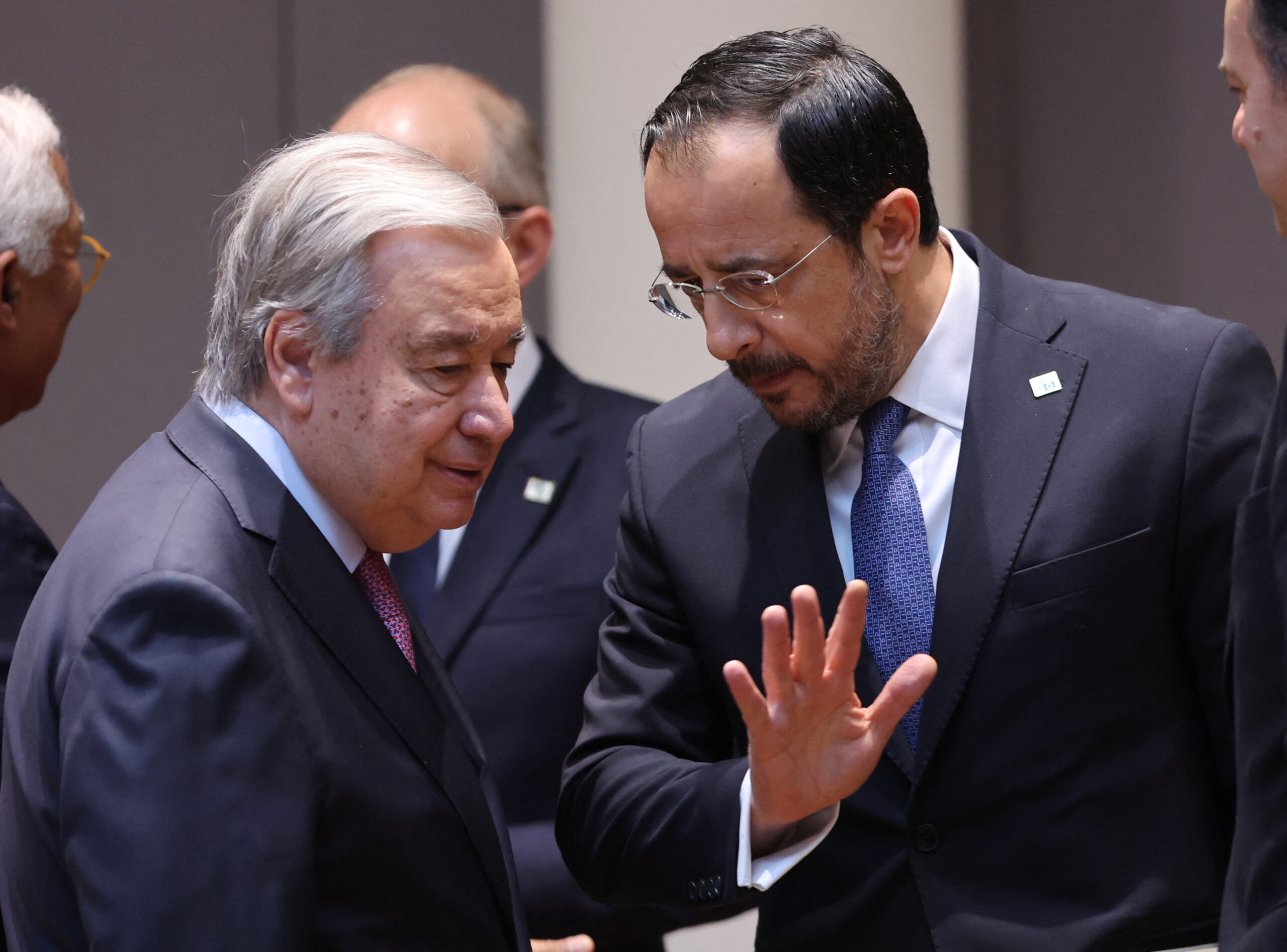
    cyprus problem — United Nations Secretary-General Antonio Guterres is “seriously disturbed” by the lack of progress on the Cyprus problem following a recent tripartite meeting. This meeting, which involved his envoy Maria Angela Holguin, President Nikos Christodoulides, and Turkish Cypriot leader Tufan Erhurman, was held last month to discuss ongoing issues between the island’s communities.

    According to reports by Turkish public broadcaster TRT, Guterres has pressed the Cypriot leaders to urgently implement confidence-building measures to improve relations between the Greek and Turkish Cypriots. He reportedly conveyed a strong message to Holguin, stating that without visible steps towards these measures, he would refrain from convening a larger meeting.

    Following the discussions, Holguin indicated that no immediate plans for an enlarged meeting were in place, emphasising the need for tangible results in confidence-building efforts. She remarked, “I am waiting for something more,” hinting at the lack of responsiveness from both leaders regarding her prior demands for progress.

    Despite the setbacks, Holguin maintained a positive outlook, asserting that “all processes are dynamic” and expressing her belief that progress would eventually occur. President Christodoulides echoed this sentiment, stating that he was not disappointed with the outcomes of the meeting and outlining a five-point proposal he had submitted to Holguin and Erhurman.

    Christodoulides expressed willingness to announce additional unilateral measures for the Turkish Cypriots and suggested a meeting between Greek Cypriot chief negotiator Menelaos Menelaou and Erhurman’s undersecretary, Mehmet Dana, within the next two weeks. The main aim of this meeting would be to resume negotiations.

    Erhurman, however, noted that the trust between the two communities was insufficient for a fruitful enlarged meeting at this time. He indicated that the five-point proposal presented by Christodoulides lacked new elements, reiterating previously discussed topics and asserting that Wednesday’s meeting was “useful but not very productive.”

    Holguin had previously stated that little progress had been made in confidence-building measures since her last visit to Cyprus, which has heightened concerns over the ongoing stalemate. No date has been set for her return, but there is an indication from Christodoulides that Erhurman is willing to meet independently if necessary, demonstrating an urgency to move forward.
  • Cyprus negotiations: Tufan Erhurman Outlines Four Key Stipulations for Cyprus Negotiation Resumption

    Cyprus negotiations: Tufan Erhurman Outlines Four Key Stipulations for Cyprus Negotiation Resumption

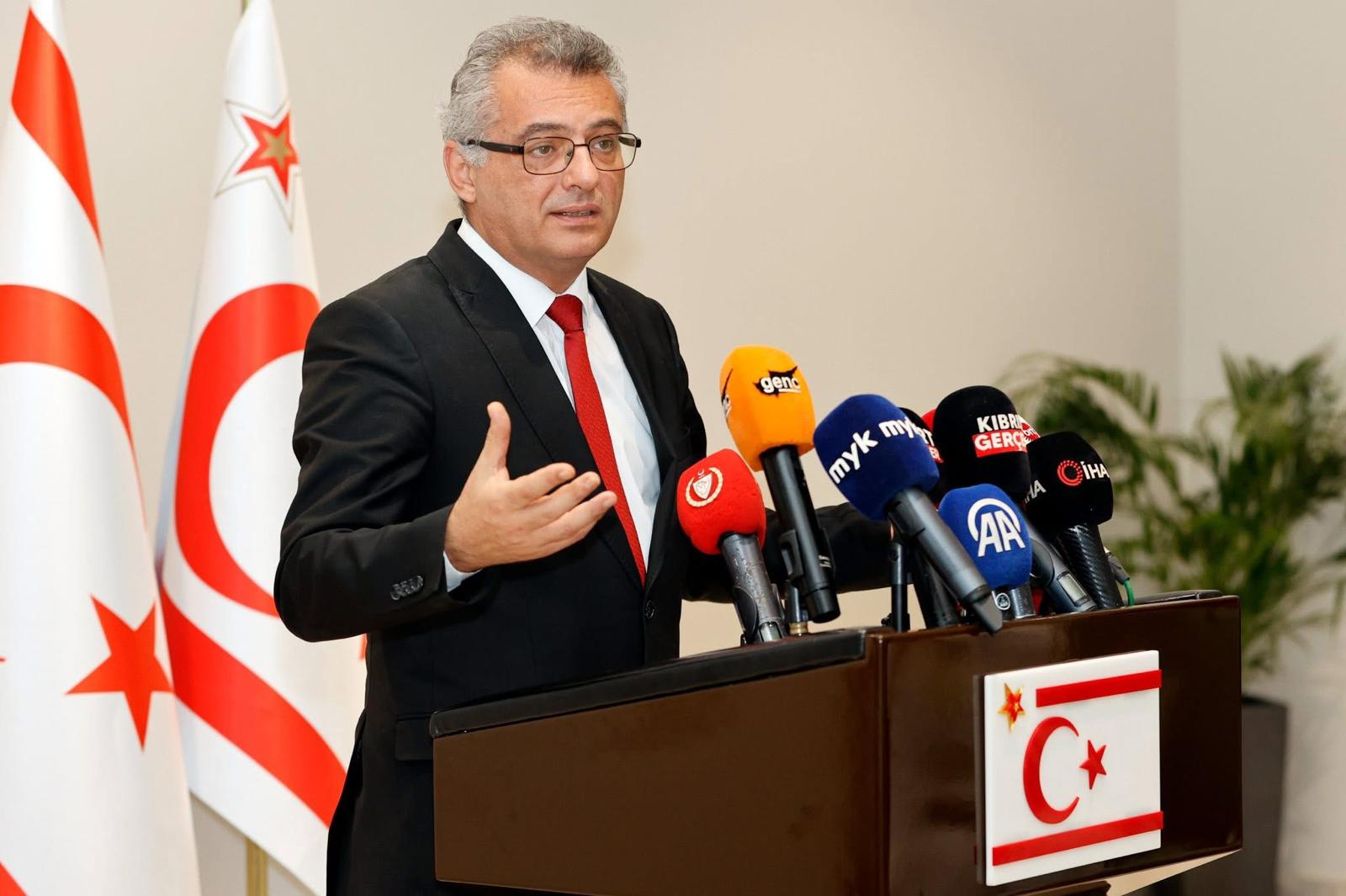
    cyprus negotiations — cyprus negotiations — Tufan Erhurman has outlined four key stipulations crucial for the resumption of negotiations on the Cyprus problem, ahead of United Nations envoy Maria Angela Holguin’s arrival on the island. The Turkish Cypriot leader expressed his views on Sunday, emphasising the need for these stipulations to pave the way for productive discussions.

    Cyprus negotiations: Erhurman’s Four Stipulations

    The four stipulations proposed by Erhurman, often labelled as “preconditions”—a term he finds unappealing—are as follows:

    • The Greek Cypriot side must accept political equality.
    • Negotiations should have a set time limit.
    • All past agreements must be preserved.
    • The UN must guarantee that any embargoes on Turkish Cypriots are lifted if the Greek Cypriot side withdraws from the negotiations.

    Political Equality as a Core Issue

    Erhurman reiterated that the acceptance of political equality is vital for achieving a lasting solution to the Cyprus issue. He stated, “My experience regarding the intractability of the Cyprus problem is very clear to me. Throughout my political life, I have seen, thought, and explained that the biggest obstacle to a solution is the Greek Cypriot leadership’s refusal to accept political equality.”

    He further explained that his insistence on political equality stems from a desire to avoid past disappointments in negotiations. “If negotiations begin, I do not want them to end in disappointment,” he added. “I want negotiations for the sake of a solution, not negotiations for the sake of negotiations.”

    Public Sentiment for a Solution

    Erhurman highlighted the widespread desire among Turkish Cypriots for a genuine resolution to the conflict. “A very large segment of my people wants a solution, and so do I,” he stated. He believes that any agreement lacking political equality would not be viewed as a legitimate solution by his constituents.

    He affirmed, “Nothing has changed in this regard, and nothing will change,” indicating a firm stance on the necessity of political equality in any future negotiations.

    Upcoming Meetings with UN Envoy

    Maria Angela Holguin is scheduled to meet with both Erhurman and Greek Cypriot President Nikos Christodoulides on Tuesday, followed by a trilateral meeting on Wednesday. Erhurman expressed hope that Holguin’s visit would “yield concrete results aimed at creating the atmosphere for a solution.”

    In preparation for these meetings, Erhurman has requested that technical-level work be expedited. “In line with our results-oriented approach, our request is that the technical-level work be accelerated before that meeting,” he said.

    Future Outlook for Negotiations

    Looking ahead, an enlarged meeting on the Cyprus problem is expected to be convened in the weeks following Holguin’s visit. This meeting will include representatives from the island’s two sides, the three guarantor powers—Greece, Turkey, and the United Kingdom—and the UN.

    Following a previous tripartite meeting, a joint statement was released, emphasising that “the real aim is the solution of the Cyprus problem with political equality as described by the United Nations Security Council resolutions.”

    This statement also included discussions on trust-building initiatives and new ideas aimed at fostering cooperation between the two communities.

    A Collaborative Effort

    Both sides have agreed to focus on achieving new agreements promptly, particularly regarding the opening of new crossing points, the halloumi issue, and the construction of pipelines from the Mia Milia water treatment plant. Christodoulides noted that the previous meeting had taken place in a “very good atmosphere,” suggesting a willingness to engage positively moving forward.

    As the negotiations approach, the emphasis remains on the need for political equality, a central tenet that Erhurman is keen to uphold. His firm stance reflects not only his political convictions but also the sentiments of many Turkish Cypriots who yearn for a meaningful resolution to the longstanding dispute.

  • Cyprus — Kombos Urges Turkey to Seize Opportunity in Cyprus Relations

    Foreign Minister Constantinos Kombos has called on Turkey to seize the opportunity regarding Cyprus and its evolving relationship with the European Union. In a recent interview with the newspaper Phileleftheros, Kombos addressed the potential invitation for Turkish Foreign Minister Hakan Fidan to an informal meeting of European foreign ministers in Limassol, scheduled for later this year.

    Kombos emphasised that Turkey is not excluded from the Republic of Cyprus, urging the nation to choose collaboration over self-exclusion. He referenced President Nikos Christodoulides’ proposal to invite Turkish President Recep Tayyip Erdogan to meet with EU member states and neighbouring countries in Cyprus in April. “Turkey is not excluded from the Republic of Cyprus, but Turkey must choose whether to insist on its own self-exclusion,” he stated. “We seek for Turkey to seize the opportunity, in connection with its Cyprus-related obligations.”

    Fidan had previously suggested that Cyprus’ six-month presidency of the Council of the European Union, which commenced last Thursday, could serve as a pivotal moment for Turkey. He lamented ongoing challenges posed by the Greek Cypriot administration, claiming they obstruct Turkey on the international stage. Despite these obstacles, he expressed hope for a softening of this stance in the near future. “They obstruct us whenever they get the chance. However, I think that in the face of the current threats which Europe is facing, cooperation and relations between the European Union and Turkey have become more meaningful than ever,” Fidan remarked.

    Fidan raised concerns about a potential Mediterranean agreement that would exclude Turkey, characterising such a proposal as “illegitimate” from their perspective. He claimed that the EU has historically acquiesced to what he described as the arrogance of the Greek Cypriot administration, which he believes threatens the EU’s security architecture.

    Meanwhile, Christodoulides’ overtures towards Erdogan have stirred controversy. Turkish Cypriot leader Tufan Erhurman responded critically to comments made by Christodoulides in an interview with French newspaper Le Figaro, where the Cypriot President stated his willingness to engage with Erdogan to discuss the Cyprus issue and work towards a negotiated settlement. Erhurman accused Christodoulides of disregarding the Turkish Cypriot community, asserting that their presence is crucial in any negotiations facilitated under the United Nations. “The Turkish Cypriot people exist. They are one of the two equal founding partners on the island, and we will not tolerate them being ignored or treated as if they do not exist through statements or agreements,” he said.

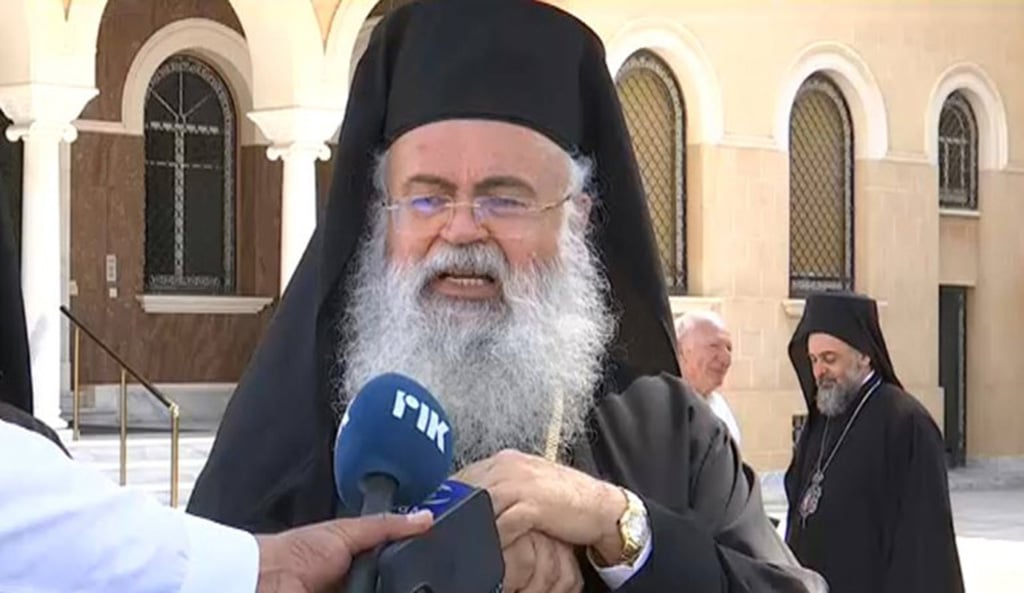
  • Archbishop Warns Against Cyprob Settlements, Calls Them ‘National Euthanasia’

    Archbishop Warns Against Cyprob Settlements, Calls Them ‘National Euthanasia’

    cyprob — The Cyprus problem, or Cyprob, is a pressing issue in the island’s socio-political landscape, with Archbishop Georgios vocalising his concerns over potential settlements that could jeopardise the Greek Cypriot community’s future. In a Christmas circular, he cautioned that certain proposals could amount to what he provocatively termed ‘national euthanasia’.

    Cyprob: Rejection of Compromise Solutions

    The Archbishop firmly rejected the ideas of a bizonal bicommunal federation and a two-state arrangement. He argued that these models would fail to protect the fundamental rights and future of the Greek Cypriot community. He emphasised that any solution must fully guarantee the rights of all European Union citizens, warning that compromises made under pressure could lead to irreversible consequences.

    Unresolved National Drama

    Despite the festive season traditionally symbolising peace, Archbishop Georgios stated that Cypriots cannot turn a blind eye to what he described as an unresolved national drama. He called for a ‘national and spiritual awakening’, suggesting that society has fallen into a state of ‘comfortable transience’ while Turkey continues to pursue a long-term strategy for consolidating its control over the island.

    A Call for Unity

    He expressed concern that societal factors have led the community to the brink of collapse, highlighting a perceived decay in values. The Archbishop’s call for a regrouping of forces aims to ensure the ‘continued presence of Hellenism’ in Cyprus, which he claimed has existed on the island for millennia. He reiterated the importance of relying on internal capacities amidst an increasingly unpredictable international environment.

    Critique of Internal Developments

    Archbishop Georgios did not shy away from addressing internal issues within the Greek Cypriot community. He lamented what he sees as a broader moral and social decline, pointing to rising crime, corruption, and violence as indicators that Christian values are losing their influence in public life. He argued that this decline is occurring at a time when Turkey is consolidating its position on the island.

    Concerns Over Crossings into the North

    The Archbishop also expressed concern regarding the daily movement of Greek Cypriots into the northern part of the island. He suggested that these crossings are now driven more by leisure and economic activities rather than visits to religious sites, which could further dilute the cultural and national identity of the Greek Cypriots.

    Political Landscape and Leadership Concerns

    Turning his attention to the political climate, Archbishop Georgios warned against the promotion of individuals to public positions who lack the necessary qualifications. He referred to this phenomenon as a regression to ‘political primitivism’, suggesting that it represents a significant threat to the governance and future of the island.

    Misplaced Optimism Regarding Turkish Cypriot Leadership

    Regarding recent developments in the northern part of Cyprus, the Archbishop cautioned against what he labelled as misplaced optimism following the election of Tufan Erhurman. He asserted that no Turkish Cypriot leadership could deviate from Ankara’s strategic direction or alter the parameters of any future settlement, warning that such perceptions could lead to renewed pressure on the Greek Cypriot community to make further concessions.

    Hope for the Future

    In his concluding remarks, Archbishop Georgios addressed the refugees, expressing hope that 2026 would see intensified efforts to resolve the Cyprus problem. He underscored the need for a united front among Greek Cypriots to safeguard their rights and future on the island, reflecting a deep concern for the community’s well-being.

    As debates surrounding the Cyprus problem continue, the Archbishop’s statements echo the sentiments of many who fear that the essence of Hellenism on the island is at stake. His call for a return to core values and community solidarity may resonate with those feeling disillusioned by the current trajectory of both internal and external political dynamics.

  • Excavations for Missing Persons Yield No Results Yet

    Excavations for Missing Persons Yield No Results Yet

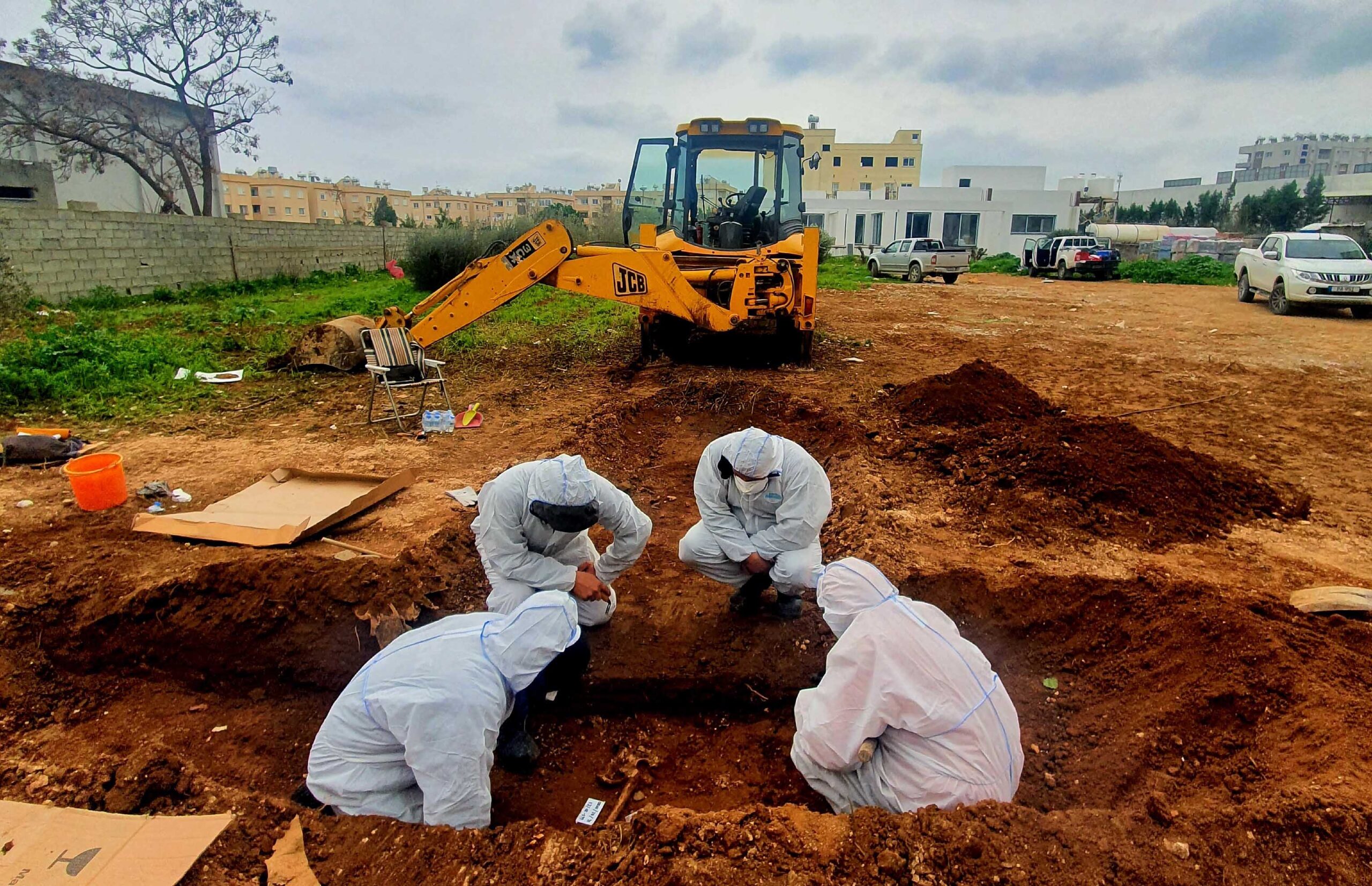
    Excavations are currently underway at eight sites by the Committee on Missing Persons (CMP), yet no remains of missing persons have been discovered so far. The operations, which involve seven teams in the north and one in the south, are focused on uncovering the fates of individuals who went missing during the intercommunal violence and the 1974 Turkish invasion of Cyprus.

    Missing persons: Sites of Interest Across Cyprus

    The ongoing excavations include notable locations such as Assia, where two CMP teams are specifically excavating wells. These efforts are marked by the archaeological significance of the site, particularly concerning Greek Cypriot missing persons. In the Karpas peninsula, a team is probing the village lake at Galatia, where two mass graves were previously identified in 2006 and 2015. These discoveries led to the identification of 18 individuals, and sources suggest that a third mass grave, potentially containing up to three people, may lie within the lake.

    Challenges in Finding Remains

    Despite the extensive efforts, including broadening search areas, the CMP teams have yet to find any remains. In Exo Metochi, the team is investigating a field where human remains were reportedly spotted in 1974. Although investigators were directed to a specific point, thirty days into their search yielded no results. Similarly, in Kioneli, where remains of missing Greek soldiers have been previously found, current excavations have also turned up empty.

    Additional Excavation Efforts

    Two other excavation sites in the north include Dikomo and Kumurcu. In Dikomo, the focus is on a riverbed based on information regarding Greek Cypriot soldiers, while work in Kumurcu involves a kiln site. Unfortunately, both sites have yet to produce any findings, and work continues.

    Investigations in the South

    The eighth excavation site is located in Engomi, Nicosia, where teams are exploring seven wells. Reports indicate that Turkish Cypriots missing since the intercommunal violence of 1963-1964 may be buried there. However, like the other sites, no remains have surfaced.

    The Broader Context of the Search

    Currently, there are a total of 2,002 missing persons, with 1,051 identified to date. Notably, 216 individuals were identified after not being included on the CMP’s official list. The missing persons include 492 Turkish Cypriots and 1,510 Greek Cypriots, primarily from the tumultuous periods of 1963-1964 and the 1974 invasion.

  • Greek Cypriot Accidentally Enters Northern Territory

    Greek Cypriot Accidentally Enters Northern Territory

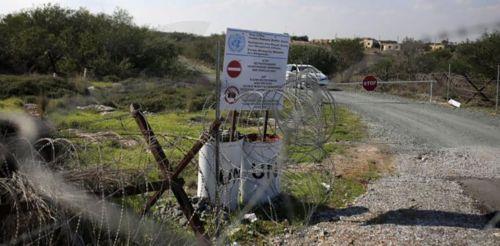
    A 32-year-old Greek Cypriot found himself in a precarious situation early Thursday morning when he accidentally crossed into northern territory while driving along the Larnaca–Famagusta road.

    • A 32-year-old Greek Cypriot found himself in a precarious situation early Thursday morning when he accidentally crossed into northern territory while driving along the Larnaca–Famagusta road.
    • The Dhekelia bases police are currently investigating the incident. Efforts are underway, with assistance from the United Nations, to facilitate the return of the vehicle to its owner.

    The incident occurred at approximately 4am as he was navigating the route towards Strovilia. At some point, he inadvertently veered onto a dirt road, leading him away from the main path. After exiting his vehicle for a brief moment, he realised he was in an unfamiliar area.

    His alarming discovery came when he noticed lights from a nearby Turkish Cypriot outpost shining down on him. Recognising the potential danger, the man quickly fled in the opposite direction, heading towards the safety of the British bases-controlled territory. In his haste, he left his car behind, which he later reported was surrounded by Turkish Cypriot soldiers.

    The Dhekelia bases police are currently investigating the incident. Efforts are underway, with assistance from the United Nations, to facilitate the return of the vehicle to its owner.