Tag: UN

  • Guterres Expresses Disturbance Over Cyprus Problem Stalemate

    Guterres Expresses Disturbance Over Cyprus Problem Stalemate

    cyprus problem — United Nations Secretary-General Antonio Guterres is “seriously disturbed” by the lack of progress on the Cyprus problem following a recent tripartite meeting. This meeting, which involved his envoy Maria Angela Holguin, President Nikos Christodoulides, and Turkish Cypriot leader Tufan Erhurman, was held last month to discuss ongoing issues between the island’s communities.

    According to reports by Turkish public broadcaster TRT, Guterres has pressed the Cypriot leaders to urgently implement confidence-building measures to improve relations between the Greek and Turkish Cypriots. He reportedly conveyed a strong message to Holguin, stating that without visible steps towards these measures, he would refrain from convening a larger meeting.

    Following the discussions, Holguin indicated that no immediate plans for an enlarged meeting were in place, emphasising the need for tangible results in confidence-building efforts. She remarked, “I am waiting for something more,” hinting at the lack of responsiveness from both leaders regarding her prior demands for progress.

    Despite the setbacks, Holguin maintained a positive outlook, asserting that “all processes are dynamic” and expressing her belief that progress would eventually occur. President Christodoulides echoed this sentiment, stating that he was not disappointed with the outcomes of the meeting and outlining a five-point proposal he had submitted to Holguin and Erhurman.

    Christodoulides expressed willingness to announce additional unilateral measures for the Turkish Cypriots and suggested a meeting between Greek Cypriot chief negotiator Menelaos Menelaou and Erhurman’s undersecretary, Mehmet Dana, within the next two weeks. The main aim of this meeting would be to resume negotiations.

    Erhurman, however, noted that the trust between the two communities was insufficient for a fruitful enlarged meeting at this time. He indicated that the five-point proposal presented by Christodoulides lacked new elements, reiterating previously discussed topics and asserting that Wednesday’s meeting was “useful but not very productive.”

    Holguin had previously stated that little progress had been made in confidence-building measures since her last visit to Cyprus, which has heightened concerns over the ongoing stalemate. No date has been set for her return, but there is an indication from Christodoulides that Erhurman is willing to meet independently if necessary, demonstrating an urgency to move forward.
  • Cyprus negotiations: Tufan Erhurman Outlines Four Key Stipulations for Cyprus Negotiation Resumption

    Cyprus negotiations: Tufan Erhurman Outlines Four Key Stipulations for Cyprus Negotiation Resumption

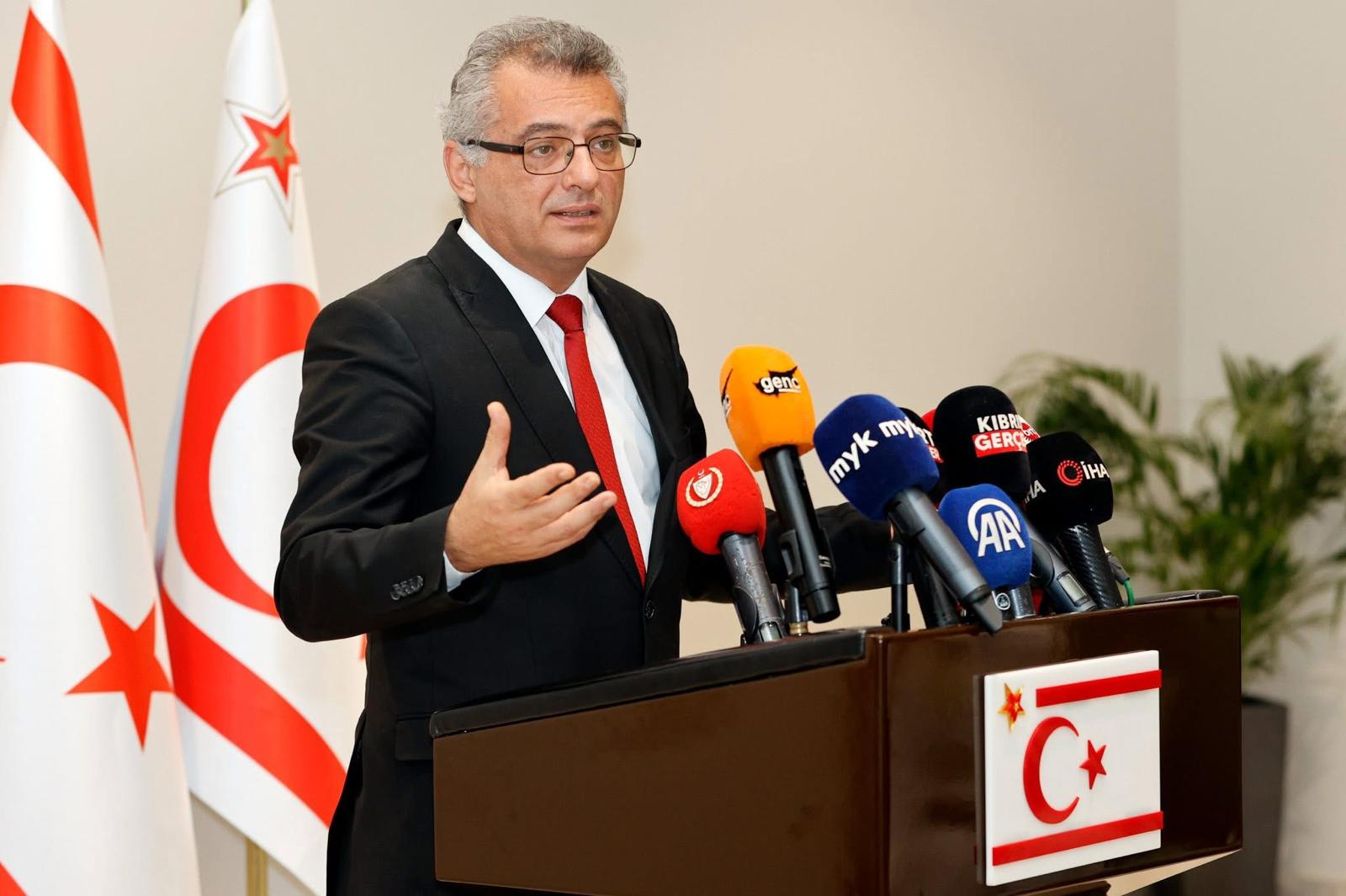
    cyprus negotiations — cyprus negotiations — Tufan Erhurman has outlined four key stipulations crucial for the resumption of negotiations on the Cyprus problem, ahead of United Nations envoy Maria Angela Holguin’s arrival on the island. The Turkish Cypriot leader expressed his views on Sunday, emphasising the need for these stipulations to pave the way for productive discussions.

    Cyprus negotiations: Erhurman’s Four Stipulations

    The four stipulations proposed by Erhurman, often labelled as “preconditions”—a term he finds unappealing—are as follows:

    • The Greek Cypriot side must accept political equality.
    • Negotiations should have a set time limit.
    • All past agreements must be preserved.
    • The UN must guarantee that any embargoes on Turkish Cypriots are lifted if the Greek Cypriot side withdraws from the negotiations.

    Political Equality as a Core Issue

    Erhurman reiterated that the acceptance of political equality is vital for achieving a lasting solution to the Cyprus issue. He stated, “My experience regarding the intractability of the Cyprus problem is very clear to me. Throughout my political life, I have seen, thought, and explained that the biggest obstacle to a solution is the Greek Cypriot leadership’s refusal to accept political equality.”

    He further explained that his insistence on political equality stems from a desire to avoid past disappointments in negotiations. “If negotiations begin, I do not want them to end in disappointment,” he added. “I want negotiations for the sake of a solution, not negotiations for the sake of negotiations.”

    Public Sentiment for a Solution

    Erhurman highlighted the widespread desire among Turkish Cypriots for a genuine resolution to the conflict. “A very large segment of my people wants a solution, and so do I,” he stated. He believes that any agreement lacking political equality would not be viewed as a legitimate solution by his constituents.

    He affirmed, “Nothing has changed in this regard, and nothing will change,” indicating a firm stance on the necessity of political equality in any future negotiations.

    Upcoming Meetings with UN Envoy

    Maria Angela Holguin is scheduled to meet with both Erhurman and Greek Cypriot President Nikos Christodoulides on Tuesday, followed by a trilateral meeting on Wednesday. Erhurman expressed hope that Holguin’s visit would “yield concrete results aimed at creating the atmosphere for a solution.”

    In preparation for these meetings, Erhurman has requested that technical-level work be expedited. “In line with our results-oriented approach, our request is that the technical-level work be accelerated before that meeting,” he said.

    Future Outlook for Negotiations

    Looking ahead, an enlarged meeting on the Cyprus problem is expected to be convened in the weeks following Holguin’s visit. This meeting will include representatives from the island’s two sides, the three guarantor powers—Greece, Turkey, and the United Kingdom—and the UN.

    Following a previous tripartite meeting, a joint statement was released, emphasising that “the real aim is the solution of the Cyprus problem with political equality as described by the United Nations Security Council resolutions.”

    This statement also included discussions on trust-building initiatives and new ideas aimed at fostering cooperation between the two communities.

    A Collaborative Effort

    Both sides have agreed to focus on achieving new agreements promptly, particularly regarding the opening of new crossing points, the halloumi issue, and the construction of pipelines from the Mia Milia water treatment plant. Christodoulides noted that the previous meeting had taken place in a “very good atmosphere,” suggesting a willingness to engage positively moving forward.

    As the negotiations approach, the emphasis remains on the need for political equality, a central tenet that Erhurman is keen to uphold. His firm stance reflects not only his political convictions but also the sentiments of many Turkish Cypriots who yearn for a meaningful resolution to the longstanding dispute.

  • Buffer zone — Avlona Community Leader Reports Buffer Zone Breach by Turkish Farmers

    Buffer zone — Avlona Community Leader Reports Buffer Zone Breach by Turkish Farmers

    The buffer zone in Cyprus has once again been violated, as reported by Menelaos Savva, the community leader of Avlona village. The incident occurred on Thursday morning when Savva observed Turkish farmers entering the area around 10.30am.

    While en route to his agricultural land, Savva spotted the farmers operating within the buffer zone, an act that contradicts the agreements established by the United Nations. The Turkish farmers do not possess the necessary permits to enter the area, as they do not own any fields there.

    “These violations happen repeatedly,” Savva noted, highlighting a concerning trend in the region. The fields in question belong to a Greek Cypriot resident of Avlona, a person whom Savva knows personally. This connection adds a layer of urgency to his concerns.

    What raises alarm further is the type of crops being planted by these farmers. According to Savva, they have moved beyond seasonal crops to also include permanent crops, such as citrus fruits, which signifies a more entrenched violation of the buffer zone.

    Following the observed breach, Savva promptly alerted both the Cyprus foreign ministry and the United Nations. In response, two personnel from the United Nations Peacekeeping Force in Cyprus (Unficyp) arrived at the scene to investigate. They requested to see Savva’s identification and his permit for entering the buffer zone.

    After verifying his credentials, the Unficyp personnel escorted him back to his vehicle, ensuring that he did not remain in the vicinity of the illegal activity. The village of Avlona, located in the Nicosia district, has a significant portion within territory controlled de facto by the north, while another part is situated in the buffer zone.

  • Humanitarian aid — New Humanitarian Aid Shipment for Gaza Arrives at Ashdod Port

    Humanitarian aid — New Humanitarian Aid Shipment for Gaza Arrives at Ashdod Port

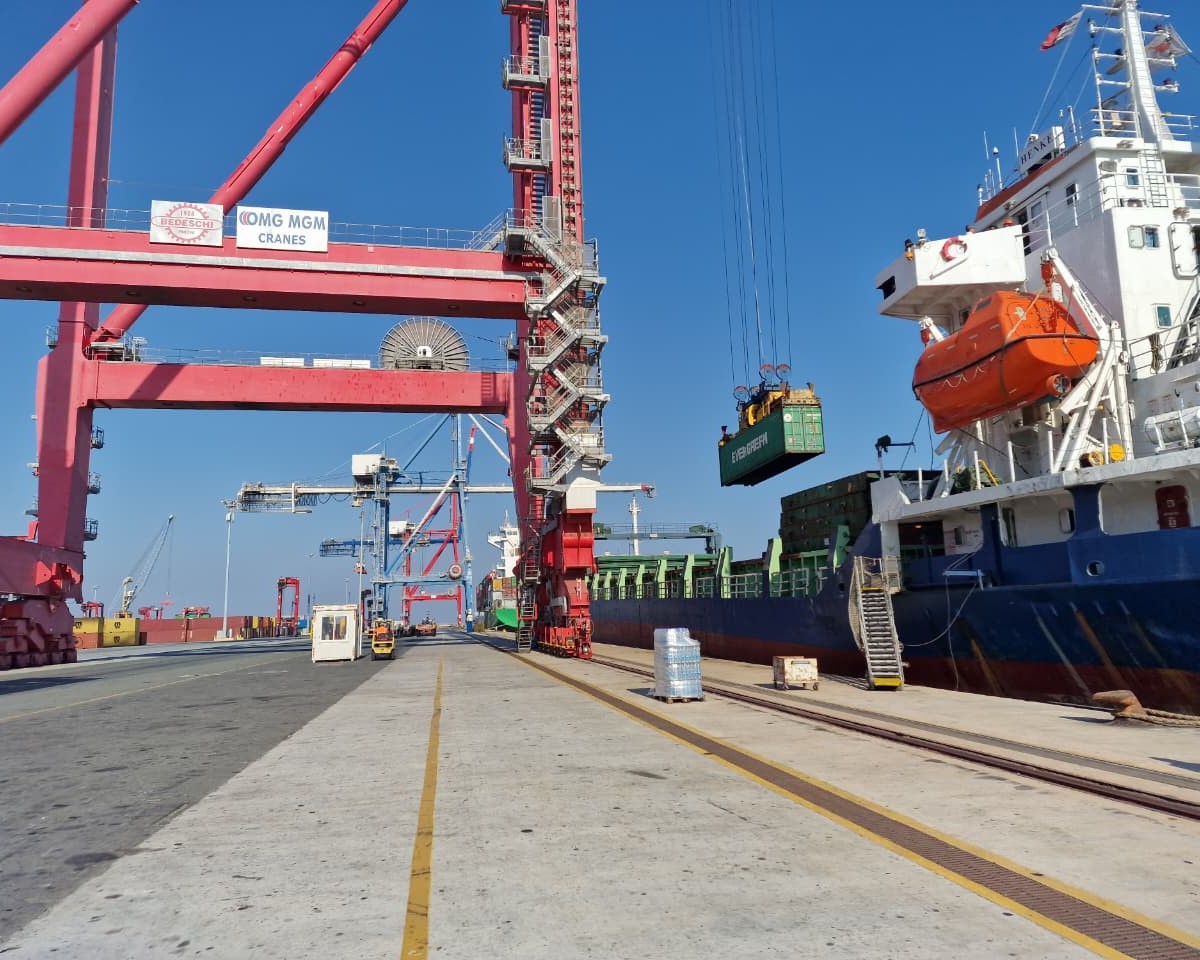
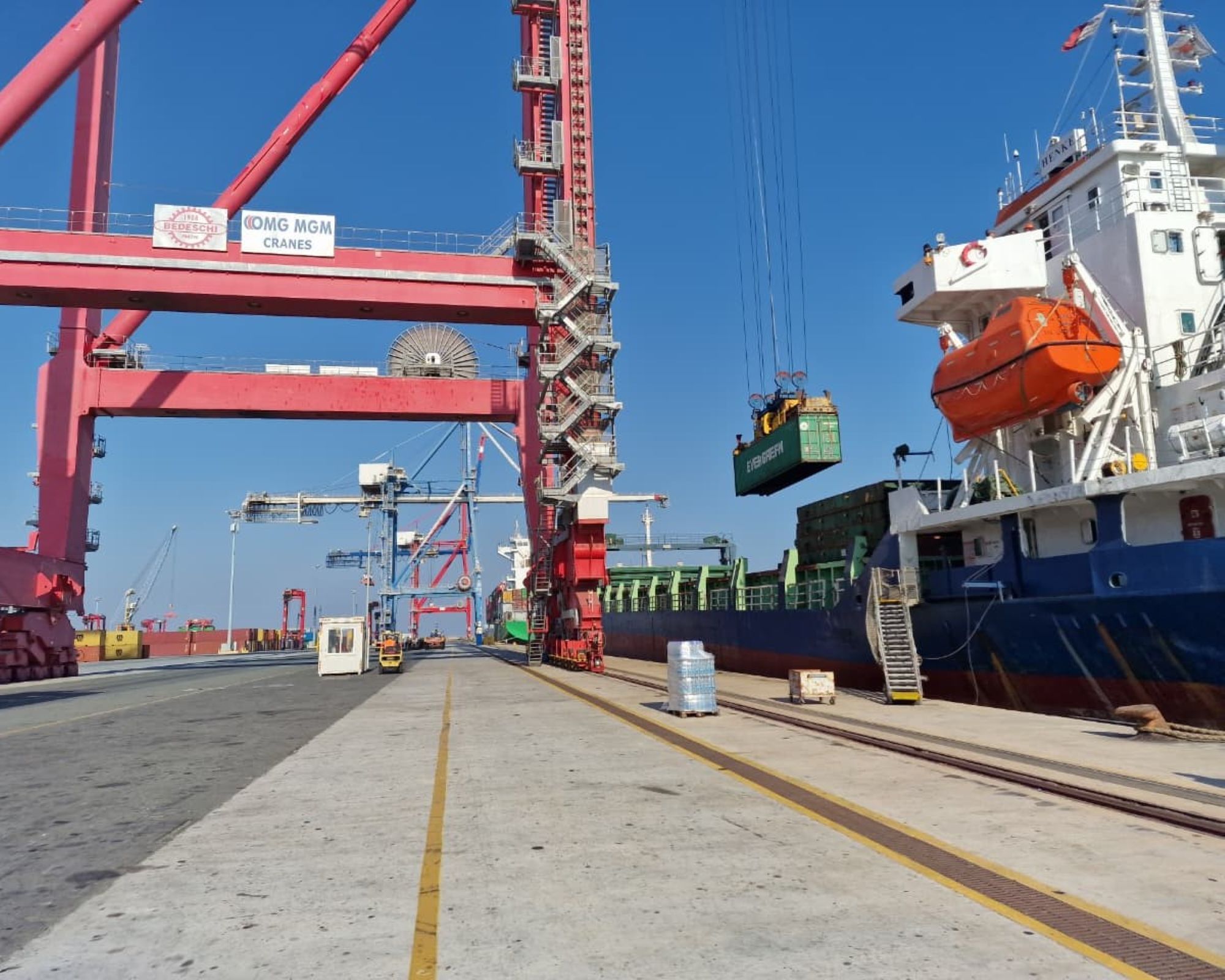
    A new humanitarian aid shipment for Gaza arrived late on Saturday at the port of Ashdod via the “Amalthea” maritime corridor, highlighting continued international support for the region.

    • A new humanitarian aid shipment for Gaza arrived late on Saturday at the port of Ashdod via the "Amalthea" maritime corridor, highlighting continued international support for the region.

    Successful Unloading of Aid

    According to the Cyprus News Agency (KYPE), the unloading of 950 tonnes of aid was completed successfully without any issues. This operation is a testament to the meticulous planning and coordination involved in delivering assistance to those in need.

    Details of the Shipment

    President Nikos Christodoulides announced that the recent shipment comprised 950 tonnes of humanitarian assistance, organised into 44 containers. The materials came from various countries, including Cyprus, the United Arab Emirates, France, Slovakia, and Kuwait.

    Contents of the Aid

    Viktoras Papadopoulos, Director of the President’s Press Office, confirmed that the aid includes essential food and hygiene items. The operation was conducted in collaboration with organisations such as the UN and UNOPS, alongside the UAE and other nations like France and Kuwait, as well as international humanitarian groups, including the World Central Kitchen.

    Ongoing Humanitarian Efforts

    This shipment represents the fifth delivery of humanitarian aid to Gaza since August, contributing to a total of 4,000 tonnes already dispatched during this period. Papadopoulos noted that since the activation of the Amalthea Plan in March 2024, a significant total of 30,000 tonnes of aid has been sent to Gaza.

    Future Shipments Expected

    The ongoing commitment to providing aid to Gaza is evident, with further shipments anticipated in January. The increased interest in utilising the Amalthea Plan further underscores the dedication of various nations and organisations in responding to the humanitarian needs of the region.

    A Collaborative Approach

    The success of these aid shipments is largely due to the collaborative efforts between multiple stakeholders, including governments and humanitarian organisations. This partnership is crucial in ensuring that the aid reaches those who need it most efficiently and effectively.

    The Importance of Humanitarian Aid

    Humanitarian aid plays a vital role in addressing the needs of vulnerable populations, especially in conflict-affected areas like Gaza. The provision of food, hygiene products, and other essential supplies helps alleviate suffering and supports the rebuilding of communities.

    The ongoing humanitarian crisis in Gaza requires sustained attention and support from the international community. As shipments like the one that arrived at Ashdod continue, it is essential to maintain momentum in these efforts to ensure that aid reaches those in dire need.

  • Christodoulides Urges Swift Action on Cyprus Meeting with Mitsotakis

    Christodoulides Urges Swift Action on Cyprus Meeting with Mitsotakis

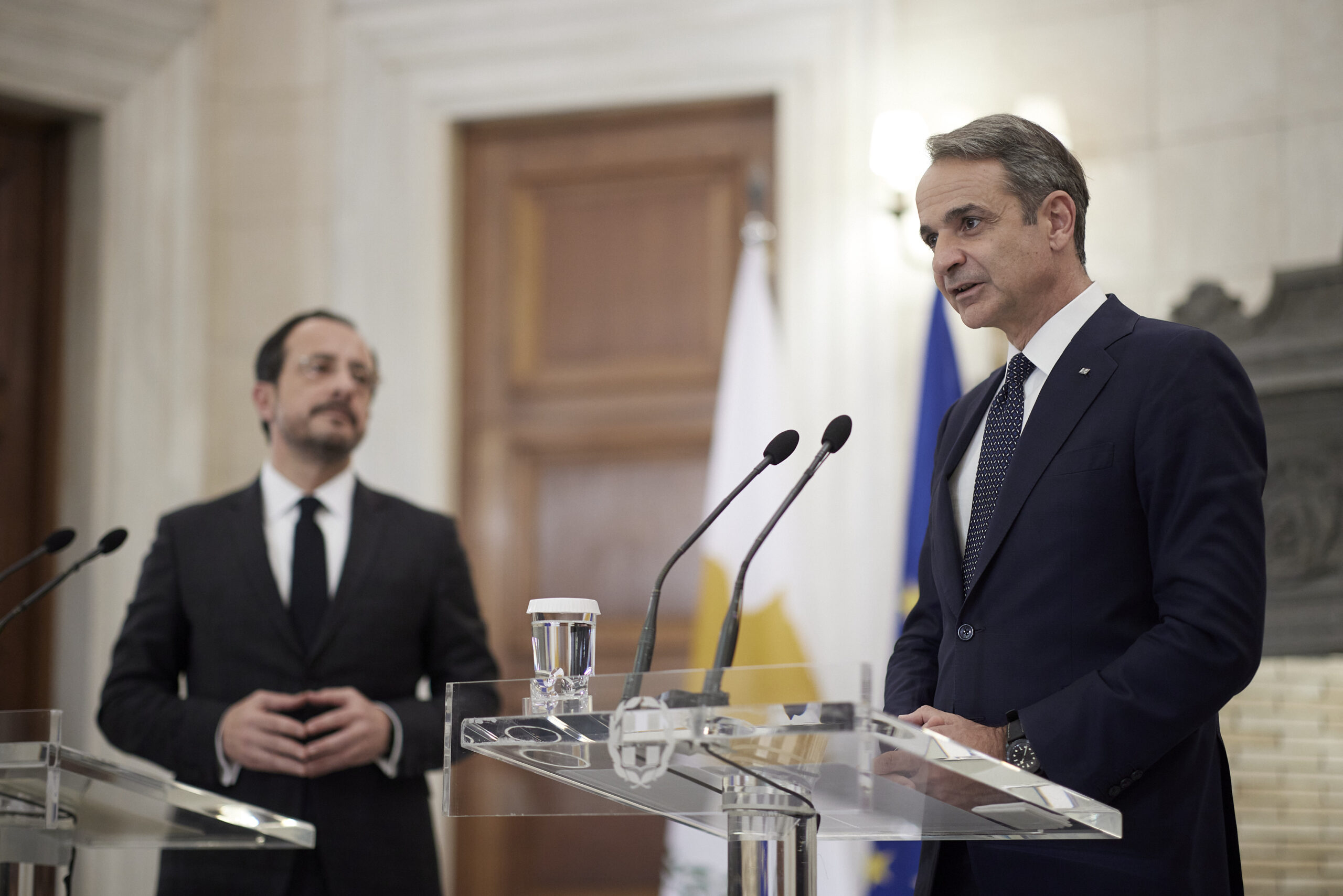
    cyprus meeting — cyprus meeting — President Nikos Christodoulides emphasised the need for an enlarged meeting regarding the Cyprus problem during a telephone conversation with Greek Prime Minister Kyriakos Mitsotakis on Thursday. This discussion followed Christodoulides’ meeting with European Union envoy Johannes Hahn and came just before a tripartite meeting with Turkish Cypriot leader Tufan Erhurman and United Nations envoy Maria Angela Holguin.

    As one of Cyprus’ guarantor powers, Greece plays a crucial role in these discussions, typically represented by Foreign Minister Giorgos Gerapetritis. The aim is to foster dialogue among the involved parties, including Turkey and the United Kingdom, to address the longstanding issues surrounding Cyprus.

    During the call, Christodoulides articulated that the purpose of the day’s meetings was to pave the way for the resumption of substantive negotiations, which had been interrupted in Crans-Montana, Switzerland. A government statement reiterated that Nicosia and Athens are in complete alignment, steadily progressing towards the unchanged objective of resolving the Cyprus problem.

    The resolution, according to the statement, should adhere to the resolutions of the UN Security Council, the principles and values of the EU, and the European acquis communautaire. This framework underscores the importance of a comprehensive approach to the complex geopolitical dynamics at play.

    Following his meeting with Hahn, Christodoulides highlighted the significant role the European Union can play in the process. He noted that the EU has both political and institutional tools capable of supporting the resumption and progress of negotiations. “The EU’s active involvement is not only a strategic choice for Cyprus but also a recognition that the solution to the Cyprus problem is a European issue that affects the cohesion, stability, and security of the entire union,” he stated.

    Prime Minister Mitsotakis had previously reiterated Greece’s commitment to reunifying the island, stating that the Greek government’s positions are clear. He asserted that it is now up to other parties to demonstrate their willingness to restart talks within a framework defined by UN resolutions and the broader relationship between the EU and Turkey.

    Gerapetritis remarked that the election of pro-reunification candidate Tufan Erhurman as Turkish Cypriot leader in October represents a new chapter filled with hope and expectations for the island’s reunification. The alignment of thoughts and actions among the involved parties could be pivotal in moving forward.

  • Erhurman negotiation: Christodoulides Prepared to Address Erhurman’s Negotiation Points on Cyprus Issue

    Erhurman negotiation: Christodoulides Prepared to Address Erhurman’s Negotiation Points on Cyprus Issue

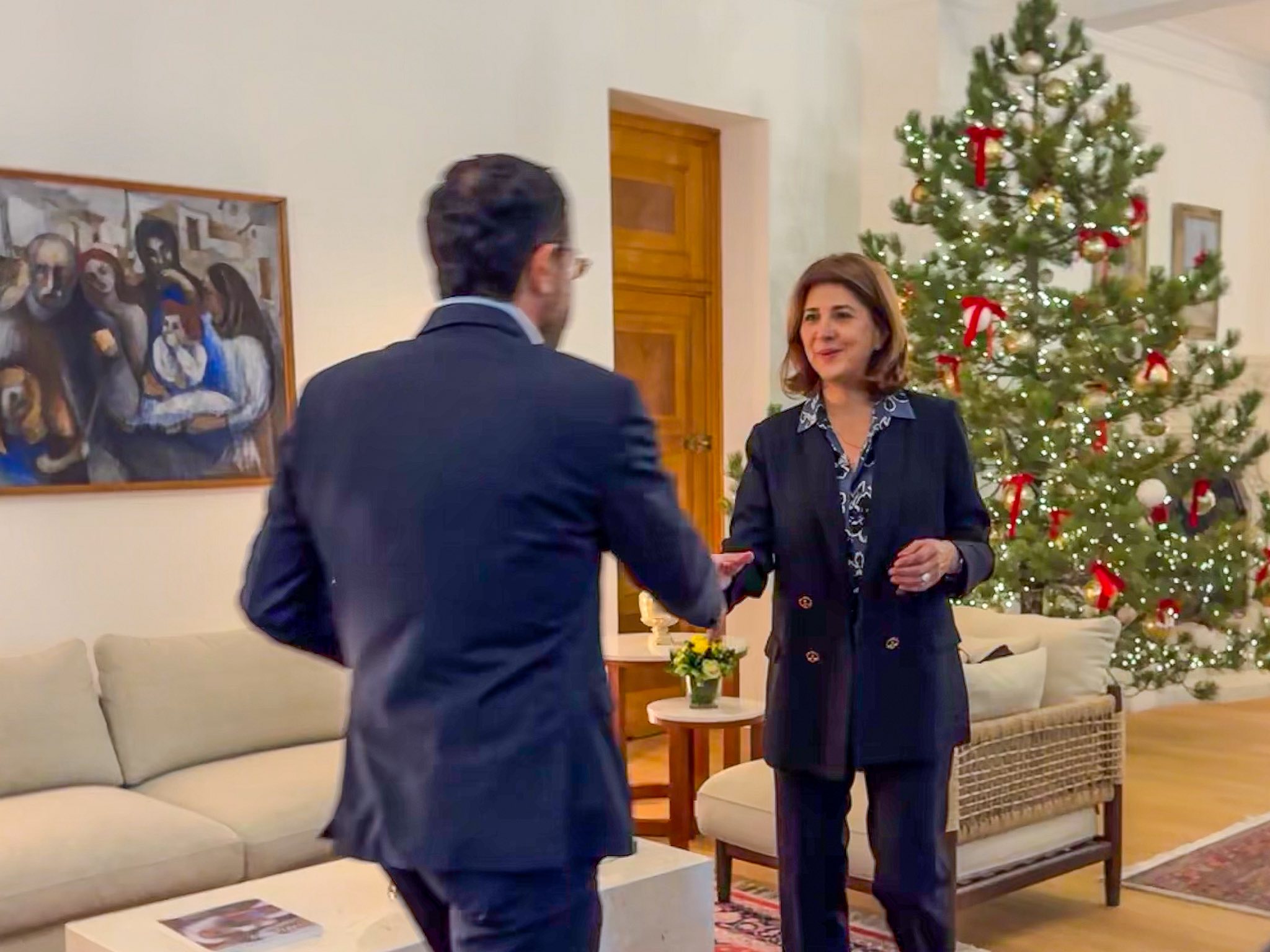
    erhurman negotiation — erhurman negotiation — President Nikos Christodoulides has answers for all issues surrounding the Cyprus problem, including the four points proposed by Turkish Cypriot leader Tufan Erhurman to resume negotiations. This statement was made by government spokesman Konstantinos Letymbiotis on Saturday following a meeting between Christodoulides and United Nations envoy Maria Angela Holguin.

    Erhurman negotiation: Upcoming Meeting to Discuss Negotiation Points

    Letymbiotis remarked that discussions regarding Erhurman’s four points and other related matters will take place during a tripartite meeting scheduled for Thursday. This meeting will involve Christodoulides, Holguin, and Erhurman. Letymbiotis emphasised the importance of resuming negotiations from the point where they were interrupted in Crans-Montana, referring to the last significant talks that collapsed in 2017.

    Erhurman’s Four Points and Their Implications

    Erhurman’s four points, often labelled as ‘preconditions’—a term he finds unappealing—include demands for the Greek Cypriot side to acknowledge political equality, impose time limits on negotiations, maintain all previous agreements, and ensure that the UN guarantees the lifting of embargoes on Turkish Cypriots should the Greek Cypriots withdraw from the talks again.

    Constructive Discussions and Future Meetings

    When asked about specific suggestions raised during their discussions, Letymbiotis described the dialogue as “very specific” and focused both on the goal of restarting negotiations and the preparation for a larger meeting. This upcoming enlarged gathering, the third of its kind this year, will bring together the two sides of Cyprus, their three guarantor powers—Greece, Turkey, and the United Kingdom—and the UN to address the Cyprus problem. It is likely to take place next month.

    Holguin’s Optimism and Upcoming Visits

    Letymbiotis highlighted the positive atmosphere of Saturday’s meeting, labelling it as “very good and constructive.” Following her visit to Cyprus, Holguin is set to travel to Athens and Ankara, where she will also confer with the European Union’s envoy for the Cyprus problem, Johannes Hahn. These discussions aim to organise and establish a date for the next enlarged meeting, which Letymbiotis insists should be convened as soon as possible due to its composition facilitating in-depth discussions.

    National Council Meeting to Inform Political Leaders

    In light of the upcoming tripartite meeting, Christodoulides will convene a National Council meeting on Friday to brief the leaders of Greek Cypriot political parties on the progress made regarding the Cyprus problem. Earlier in the day, Holguin expressed optimism about the next steps towards resolving the Cyprus issue. She noted that preparatory work is underway for the Thursday meeting, which she described as the first of its kind in many years.

    A Productive Engagement and Hope for Progress

    Holguin conveyed her satisfaction with the productive nature of Saturday’s meeting, expressing her happiness to have returned to the island. She also mentioned the inspiration drawn from a retreat with the bicommunal technical committee on youth held in Jordan last November.

    Erhurman’s Concerns on Crossing Points

    During discussions, Erhurman expressed frustration regarding the lack of progress on issues such as long tailbacks at the Ayios Dhometios crossing point in western Nicosia. Following a meeting with Christodoulides last month, he indicated that addressing operational inefficiencies at the crossing could alleviate congestion significantly. Despite this, he noted that the police cabins on the southern side of the crossing remain underutilised.

    Exploration of New Crossing Points

    In addition to the ongoing issues at Ayios Dhometios, Erhurman and Holguin discussed potential new crossing points in various areas, including the eastern Nicosia suburb of Mia Milia, the village of Louroujina, and the town of Athienou. These discussions reflect an ongoing effort to enhance movement and relations between the two communities on the island.

  • Mine risk — UN Conducts Mine Risk Training for Peacekeepers in Cyprus

    Mine risk — UN Conducts Mine Risk Training for Peacekeepers in Cyprus

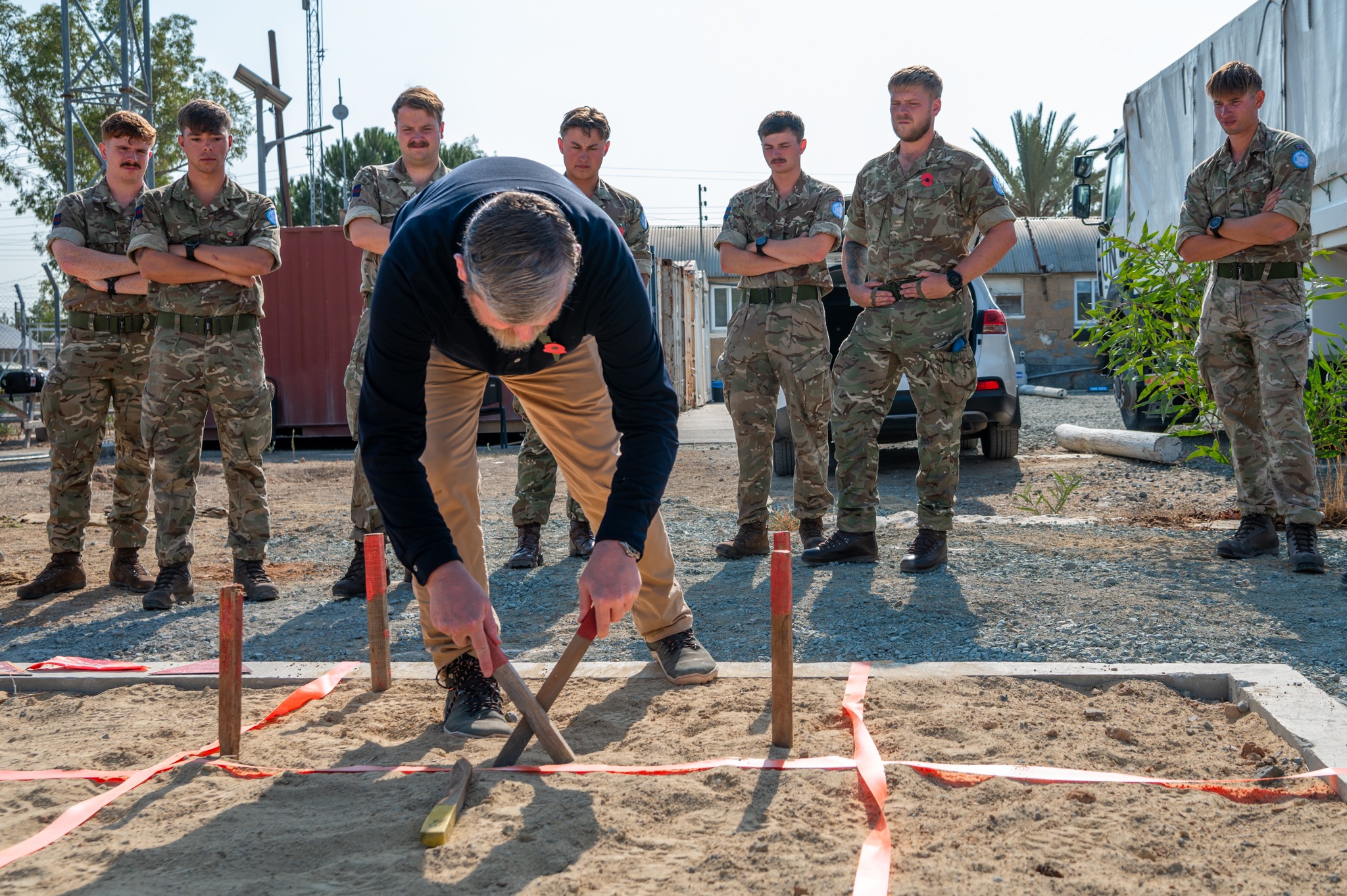
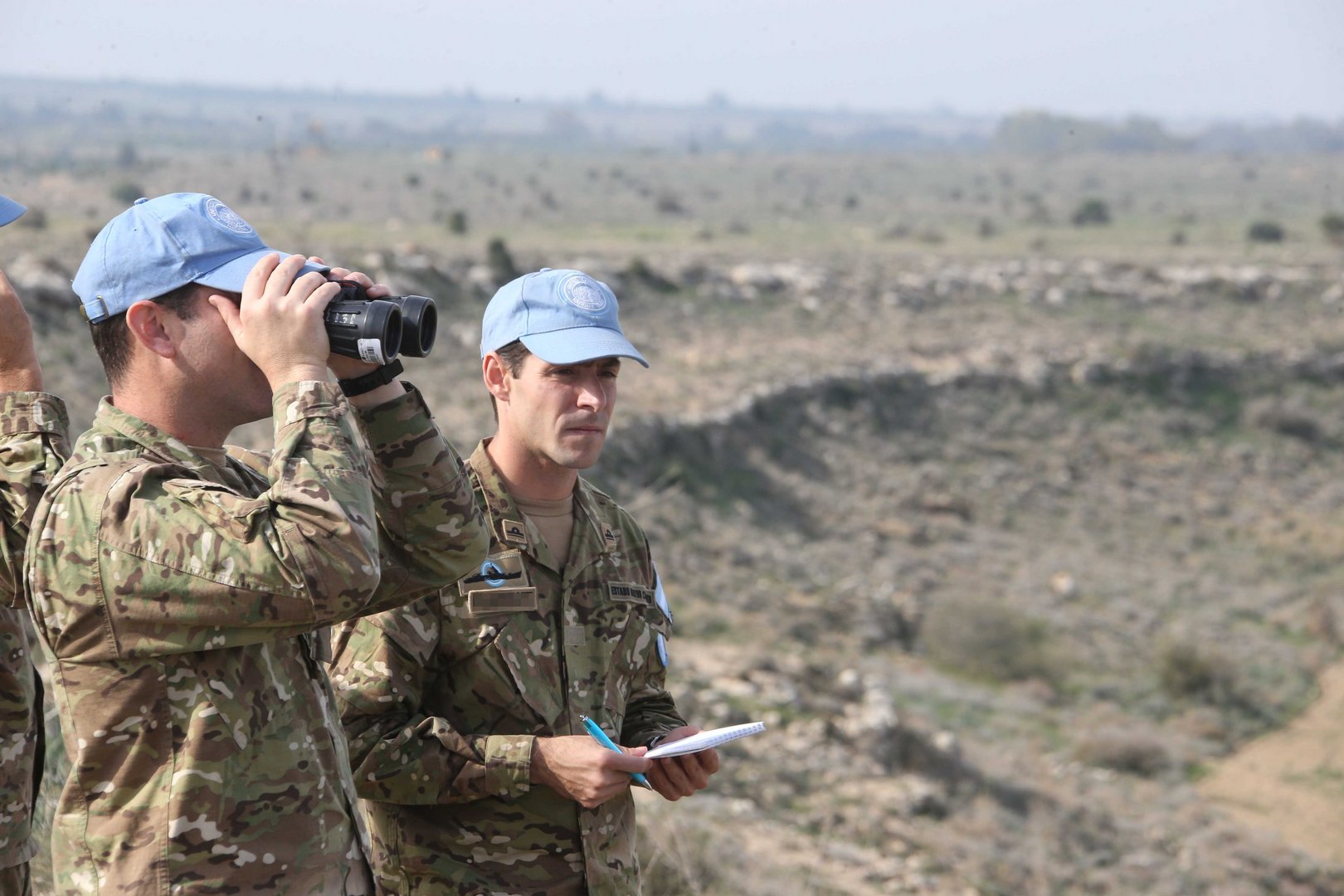
    The United Nations Mine Action Service conducted mine risk education training for UNFICYP peacekeepers in Cyprus on Wednesday, enhancing the safety protocols for those involved in peacekeeping missions.

    Photo: in-cyprus.philenews.com

    Training Session Led by UNMAS

    Mark Connelly, the UNMAS programme manager, was at the forefront of this vital training session. He provided guidance to both police and military personnel, ensuring that they are equipped with crucial knowledge about the risks posed by landmines and explosive remnants of war.

    Importance of Mine Risk Education

    Mine risk education is essential in areas where peacekeepers operate, especially in regions like Cyprus, which has a history of conflict. The training aims to minimise risks to personnel and civilians alike, fostering a safer environment for all. The session included practical advice on recognising dangerous areas and how to respond if they encounter mines or unexploded ordnance.

    Support from UNMAS in Cyprus

    The UN Mine Action Service plays a critical role in supporting the United Nations Peacekeeping Force in Cyprus (UNFICYP). By training peacekeepers, UNMAS helps ensure that they can carry out their mandate safely and effectively. The collaboration between UNMAS and UNFICYP highlights the ongoing efforts to address the dangers posed by mines and explosive remnants in the region.

    Community Engagement and Safety

    In addition to training peacekeepers, UNMAS also focuses on community engagement. By raising awareness about mine risks among local populations, they aim to reduce accidents and enhance public safety. This involves educating civilians about safe practices and how to report sightings of dangerous materials.

    Continued Commitment to Safety

    Despite the challenges, the commitment to mine risk education remains steadfast. The training conducted by UNMAS is part of a broader strategy to ensure that all personnel involved in peacekeeping are prepared to handle the dangers associated with landmines. As the situation in Cyprus continues to evolve, ongoing training and education will be paramount.

    Feedback from Participants

    Participants of the training session expressed appreciation for the knowledge gained. Many noted the importance of understanding the risks they might face while on duty and stressed the need for regular training sessions to keep skills and knowledge up to date.

    Looking Ahead

    The ongoing partnership between UNFICYP and UNMAS will continue to adapt to the needs of the peacekeeping mission. Future training sessions are expected to incorporate new developments in mine risk education, ensuring that peacekeepers are always at the forefront of safety practices.

  • Uncertainty Surrounds Cyprus’ Gaza Aid Shipment

    Uncertainty Surrounds Cyprus’ Gaza Aid Shipment

    gaza aid — gaza aid — The fate of the 1,200 tonnes of aid sent from Cyprus to Gaza last week remains unclear. As of 11am on Wednesday, satellite data indicated that the ship carrying the aid, the Panamanian-flagged Henke, was still stationed off the coast of Ashdod, Israel, rather than docked at the port.

    Initially, the Henke was expected to unload its cargo last Wednesday, but this timeline was subsequently pushed back to Sunday or Monday. Victor Papadopoulos, director of the presidential press office, informed the Cyprus Mail that no evidence of an artificial holdup in the aid transfer had been found, while foreign ministry spokesman Theodoros Gotsis stated that there were no problems regarding the aid transfer.

    Despite these assurances, questions loom about the current status of the shipment. It is uncertain if the ship has unloaded its cargo and, if so, why it remains anchored off Ashdod. If the aid successfully reaches Ashdod, it would then be transported overland to Gaza through the Erez crossing point.

    Repeated attempts by the Cyprus Mail to contact government officials for clarification have gone unanswered. Previously, Papadopoulos had mentioned on CyBC radio that the government was monitoring the situation and acknowledged the difficulties surrounding the transfer of aid to Gaza.

    He expressed hope that any existing problems would be resolved, allowing the aid to reach those in need. “We collected the material from various donors, and we contributed, we created the mechanisms, we sent the mission,” he stated. He also highlighted the complex security situation and the paramount importance of ensuring the safety of aid deliverers.

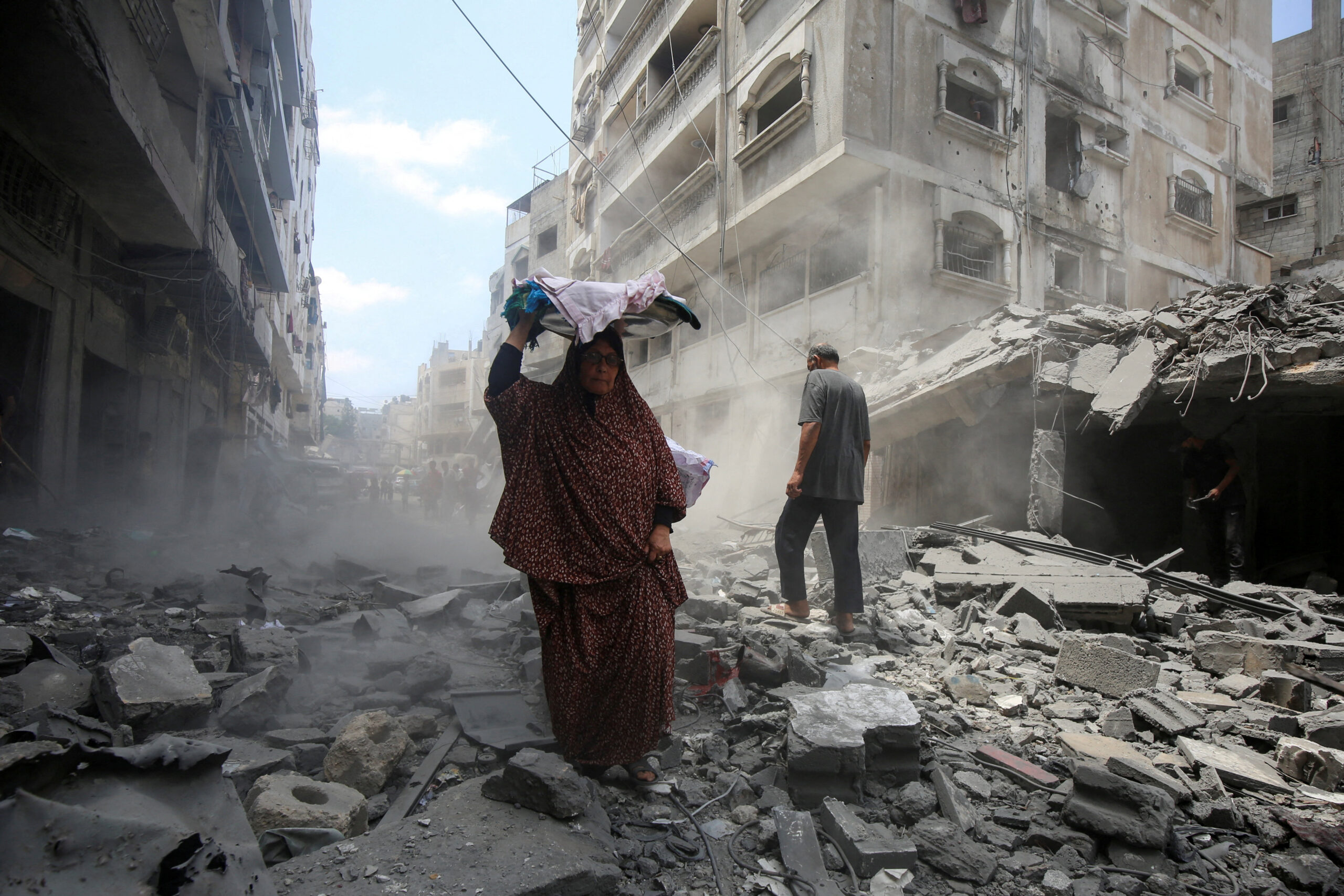
    Meanwhile, the humanitarian situation in Gaza continues to worsen. Recent reports indicate that an Israeli military strike on a hospital has resulted in the deaths of at least 20 individuals, including journalists working for prominent outlets such as Reuters, the Associated Press, and Al Jazeera. The United Nations has called for thorough investigations into this incident and others, with human rights spokesman Thameen Al-Keetan condemning the strike as “a shock” and “unacceptable.”

    The uncertainty surrounding the aid shipment parallels the troubled history of the Amalthea plan, Cyprus’ humanitarian aid corridor to Gaza. Sigrid Kaag, the UN’s special coordinator for the Middle East peace process, remarked last year that the Amalthea project could “never be a substitute” for land-based aid deliveries.

    In the past, aid has also been delivered to Gaza from Cyprus via a temporary jetty built and financed by the United States. However, this jetty faced numerous challenges and was only operational for a brief period before being dismantled. Installed in May last year, it was removed two months later after suffering structural damage during high winds.

    The jetty had been reattached following repairs but was removed again due to fears it could break apart once more. Additionally, delivery issues arose when the UN World Food Programme suspended operations related to the jetty after an Israeli military operation reportedly resulted in the deaths of over 200 Palestinians.

    Tragically, prior to these events, in April last year, seven aid workers transporting humanitarian aid overland from Cyprus were killed in simultaneous Israeli airstrikes. The complexities and dangers involved in delivering aid to Gaza remain a significant concern.

  • Christodoulides Acknowledges Contributions of Over 10,000 Austrians in Unficyp

    Christodoulides Acknowledges Contributions of Over 10,000 Austrians in Unficyp

    President Nikos Christodoulides recently expressed his gratitude towards the more than 10,000 Austrians who have contributed to the United Nations peacekeeping force in Cyprus, known as Unficyp, since its establishment in 1964.

    This commendation came during a visit from Austrian Chancellor Christian Stocker, where Christodoulides highlighted Austria’s supportive stance on the Cyprus issue. He stated, “Austria’s principled stance on the Cyprus issue” has been invaluable over the years.

    Unficyp has seen participation from over 150,000 personnel from 43 countries, with 187 individuals losing their lives while serving. The commitment shown by Austrian nationals over the decades has played a significant role in the mission’s success.

    During the meeting, Christodoulides noted the strong relations between Cyprus and Austria, emphasising the desire to enhance cooperation, particularly in migration and security matters. Both nations are members of the European Union, which adds a layer of significance to their partnership as neither is affiliated with NATO.

    Following their initial discussions, Christodoulides and Stocker planned to delve into regional and international developments, with the Cypriot president outlining the country’s priorities as it prepares to assume the Council of the European Union’s rotating presidency in the first half of the upcoming year.

    Chancellor Stocker echoed the sentiments of his counterpart, stating that the two countries “share very good relations” and expressed interest in strengthening ties across various sectors, including security, economy, tourism, and education.

    Later in the day, the leaders were set to tour the Green Line in Nicosia, offering Stocker a closer look at the unique circumstances surrounding the divided capital. This visit would be followed by a meeting with House president Annita Demetriou at the parliament, concluding with a working lunch hosted by Christodoulides for Stocker and his delegation.

  • Gaza Aid Ship Circles Off Israeli Coast Amid Monitoring by Government

    Gaza Aid Ship Circles Off Israeli Coast Amid Monitoring by Government

    gaza aid — The government is closely monitoring the situation regarding a ship loaded with 1,200 tonnes of aid, which is currently circling off the coast of Israel. Presidential press office director Victor Papadopoulos confirmed the government’s awareness of the complexities surrounding the transfer of humanitarian aid to Gaza.

    Speaking on CyBC radio, Papadopoulos expressed hope that “any problems which exist will be overcome” and assured that the aid would eventually reach those in need in Gaza. He emphasised the importance of safety for the individuals involved in delivering this much-needed support.

    The Panamanian-flagged vessel, named the Henke, departed from Cyprus earlier in the week, carrying primarily food items aimed at addressing the nutritional needs of children. The foreign ministry had previously stated its commitment to ensuring an increased, safe, and unhindered flow of humanitarian aid to the civilian population in Gaza.

    As the ship awaits clearance, the humanitarian crisis in Gaza deepens. Israeli Prime Minister Benjamin Netanyahu announced plans for the Israel Defence Forces (IDF) to take control of Gaza City, coinciding with negotiations for the release of hostages taken by Hamas during the coordinated attacks on October 7, 2023.

    IDF chief Eyal Zamir confirmed ongoing military operations, stating, “We already have troops operating on the outskirts of the city, and more forces will join them later on.” This military escalation raises concerns about the safety of civilians and aid workers in the region.

    The situation on the ground is dire, with a member of the Reviving Gaza aid project describing the humanitarian conditions as “indescribable”. She recounted her family’s displacement, stating they have been forced to move upwards of ten times. The risks faced by civilians seeking aid are immense, with reports of fatalities at distribution points due to IDF actions.

    “People go there knowing that they are risking their lives, but they have no choice, because their children or their mothers are asking for food,” she explained. The urgency of the situation has left many in Gaza with little recourse but to seek aid despite the dangers.

    The Henke’s journey was initially seen as a vital step in alleviating the suffering of the civilian population. UN Office for Project Services executive director Jorge Moreira da Silva highlighted the need for a “rapid, unhindered, and safe flow of humanitarian aid for all civilians in need.” However, the anticipated unloading of the ship’s cargo has yet to occur, leaving many in Gaza without immediate relief.