Tag: unions

  • Working hours — Police Unions Warn of Protests Over Working Hours Reform

    Working hours — Police Unions Warn of Protests Over Working Hours Reform

    Police unions are preparing to protest against a proposed reform that seeks to change working hours and holiday regulations for officers. The contentious reform was revealed earlier this week, prompting a strong backlash from union representatives following a meeting with Justice Minister Costas Fitiris on Friday.

    Working hours: Union Leaders Express Discontent

    Nikos Loizides, head of the police branch of the Isotita trade union, voiced his concerns over the proposed changes put forth by police chief Themistos Arnaoutis. During the meeting, Loizides expressed anger over the plans, highlighting that the union would explore various avenues to challenge the reform.

    “We have legal remedies at our disposal, including the Joint Police Committee, the European police union and the courts. With the approval of my council, we are also prepared to hold protests in unexpected locations and on unanticipated days,” Loizides stated after the meeting. He mentioned a potential protest on January 7, coinciding with the opening ceremony of Cyprus’ EU Council presidency.

    Concerns Over Officer Wellbeing

    Loizides has raised alarms over the implications of the reform, which he claims would significantly reduce the rest days for officers. Previously, officers could take one day off for every 20 working days; under the new proposal, this would change to one day off for every 76 working days. This change, he asserts, would deprive officers of 15 days of rest annually.

    The unions’ outrage was further fuelled by comments made by the police chief suggesting the existence of dishonest officers abusing overtime and hidden agendas within unions. Loizides conveyed that such remarks led to a strong reaction from the unions, as they felt their integrity was being questioned.

    Government’s Position and Warnings

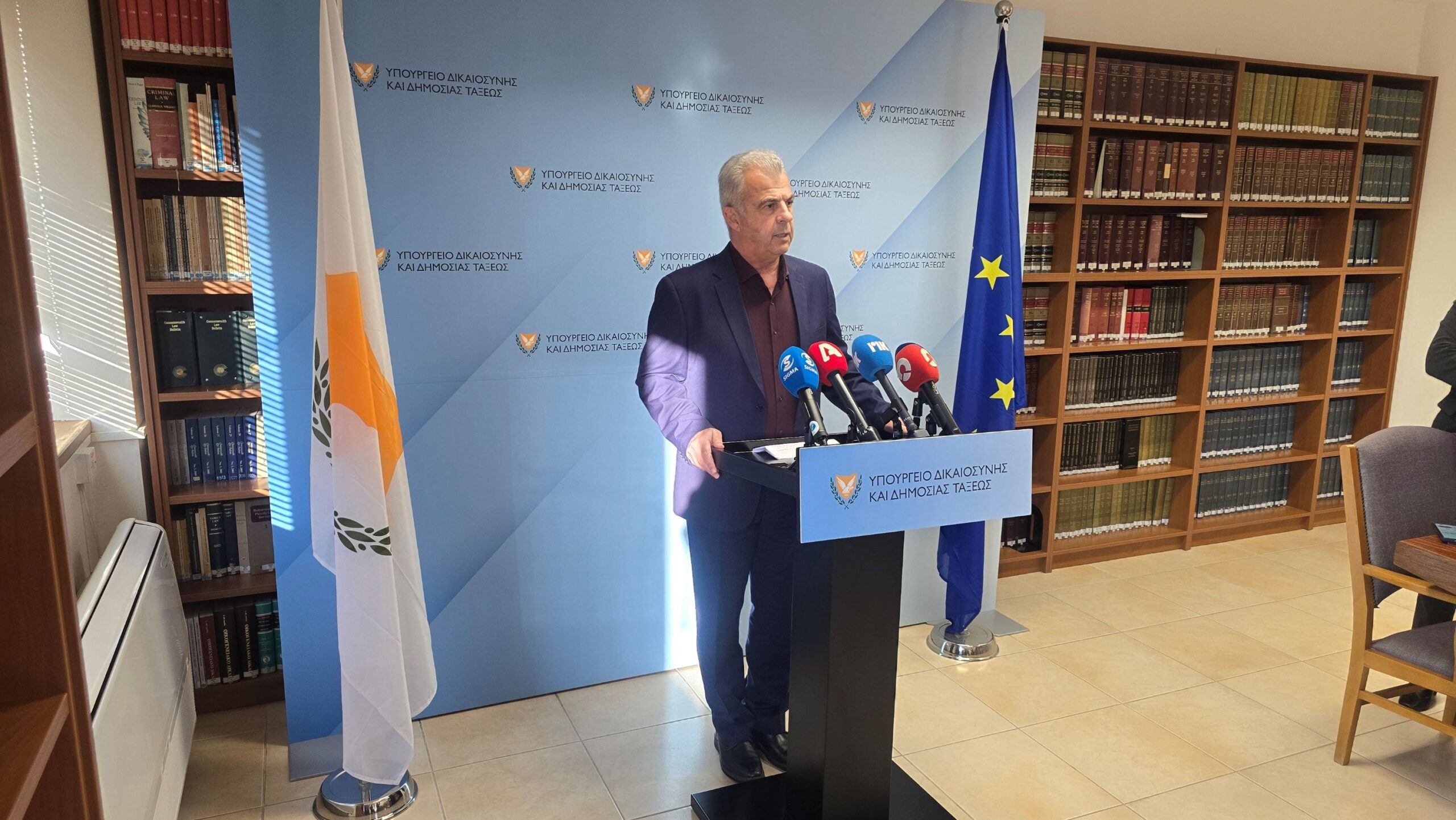
    Justice Minister Costas Fitiris urged the unions to moderate their tone, emphasising that the police chief’s orders must be followed. He stated, “Discipline also means that even those who disagree must carry out orders given by their superiors without question.” Fitiris also outlined that the unions could pursue legal action if they felt their rights were infringed upon.

    The minister rejected claims from Loizides that the reform was politically motivated, asserting that it was strictly a decision made by the police leadership. He stressed the importance of maintaining order within the police force, saying, “Under no circumstances should it be allowed that, under pressure, whether from public opposition or the use of the media, demands are met in a way that undermines the hierarchy required in a security force such as the police.”

    Union’s Call for Dialogue

    In a joint statement, police unions expressed their belief that the plans put forth by Arnaoutis circumvented established labour institutions. They argued that modifications to working hours should be the result of dialogue, not unilateral decisions.

    Angelos Nikolaou, president of the Cyprus Police Association (CPA), described the meeting with the justice minister as productive, stating that his association supports the suspension of Arnaoutis’ proposal. He mentioned the need to address the police chief’s unilateral decision to reduce officers’ days off and modify working hours.

    “The police are a disciplined body. It was agreed that we would follow the chief’s instructions while appealing to the relevant bodies to examine the possibility of modifying, cancelling or suspending the decision,” Nikolaou explained.

    Next Steps and Future Actions

    The CPA has communicated with the Joint Police Committee (JPC), which is expected to convene next week to further discuss the implications of the proposed changes. Nikolaou has indicated that legal action may be pursued if necessary, including discussions with the president about the situation.

    He also highlighted the importance of protecting the labour rights of police officers, stating, “The essence is the labour rights of police officers and we must defend those who work and give their all to their duty.”

    A Call for Responsibility

    Fitiris expressed concern about the possibility of protests coinciding with the EU Council presidency, stating he was “worried and saddened” by the unions’ threats of a work stoppage. He reassured that the state would continue to function, stating, “The state will not stop functioning,” and warned of consequences for any union actions that deviate from state regulations.

    The Justice Minister concluded by expressing confidence in the sense of responsibility among police officers, emphasising their commitment to public safety and their oath to serve the community. He stated, “I do not believe that there is even one police officer who would violate his oath and act contrary to what society demands.”

  • MPs Progress on Teacher Evaluation Bill, Seeking Compromise

    MPs Progress on Teacher Evaluation Bill, Seeking Compromise

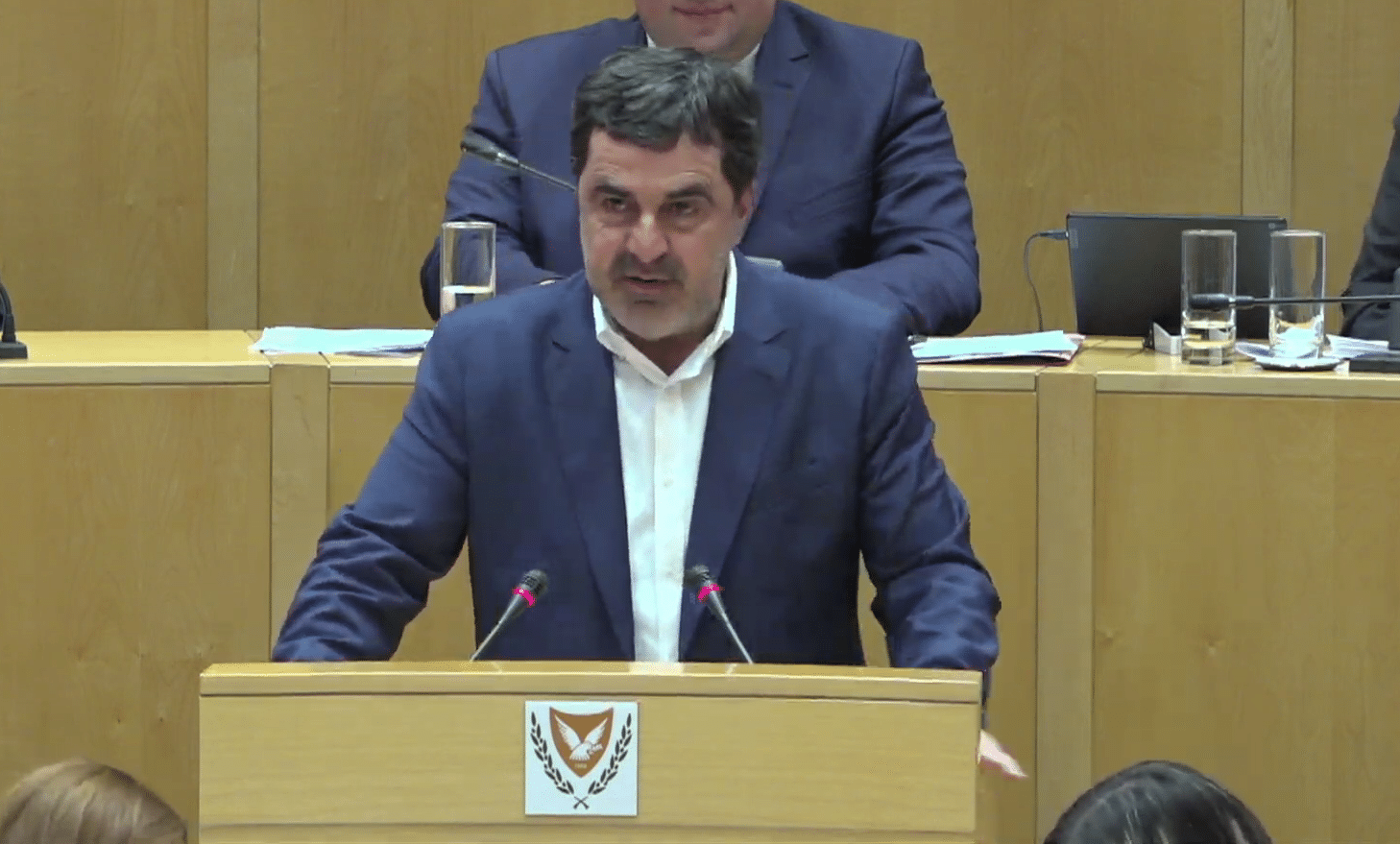
    MPs are advancing discussions on a new teacher evaluation bill aimed at enhancing teaching performance, according to Diko MP Pavlos Mylonas, the chair of the House education committee. Mylonas expressed optimism that a workable outcome is within reach as various parties and individual MPs prepare amendments to the proposed legislation.

    Negotiations Focused on Clarity and Compromise

    Amid ongoing discussions, Mylonas highlighted the committee’s efforts to explore compromises that address concerns raised by education unions. He noted that ambiguities within the legislative framework, particularly regarding overlapping responsibilities, need clarification. The committee intends to tackle these issues during an article-by-article debate, and an extraordinary session may be convened if necessary to ensure the process is completed efficiently.

    Confidence in Plenary Progress

    When asked about the likelihood of the bill reaching the plenary, Mylonas conveyed strong confidence, stating he was “almost certain” that parliamentary groups would maintain their current positions. He emphasised the importance of creating a system that benefits teachers, ultimately leading to improved educational outcomes for students.

    Aiming for a Fairer Evaluation System

    Mylonas acknowledged that while the emerging proposal from the committee may not be flawless, it represents a genuine effort to establish a fair, effective, and merit-based evaluation system. With over 20,000 educators and more than 100,000 students impacted, the need for a balanced approach is paramount, and differing opinions are to be expected.

    Placing Students at the Centre

    Throughout the discussions, Mylonas reiterated the necessity of focusing on students’ needs, asserting that the interests of the majority should guide the legislative process. He remains hopeful that an agreement can be reached that reflects the collective interests of all stakeholders involved in the education sector.

    A Historical Perspective on Teacher Evaluation

    The push for a modernised teacher evaluation system follows Cyprus’s long-standing commitment to educational reform, dating back fifty years to the introduction of the first evaluation system. With the Republic now under EU obligations to update this framework, the stakes are high. The education ministry’s initial proposal, made nearly a year ago, has faced strong resistance from state school teachers, who advocate for maintaining the status quo while presenting their demands for change.

    A Comprehensive Summary of Ongoing Debates

    As discussions continue, a comprehensive summary of the long-standing debate regarding the new evaluation system is available for those looking to understand the complexities and nuances of this significant legislative effort.

  • Government Pursues Swift Resolution on Cost of Living Allowance Negotiations

    Government Pursues Swift Resolution on Cost of Living Allowance Negotiations

    cost of — As the discussions surrounding the Cost of Living Allowance (CoLA) heat up, Labour Minister Yiannis Panayiotou is advocating for a swift resolution. His mantra for late October, ‘intensify and expedite’, reflects the urgency of the mediation efforts between unions and employers.

    Sources from the Cyprus News Agency reveal that following recent communications between Panayiotou and the involved parties, a new round of separate talks is on the horizon. Finance Minister Keravnos is also expected to participate once more, adding weight to the negotiations.

    Cost of: Focus on Convergence

    The approach taken by the Labour Ministry aims to identify areas where quick agreements can be reached, thus paving the way for a more permanent CoLA mechanism. This strategy is crucial as it seeks to establish a framework that can adapt to the ongoing economic challenges faced by workers.

    Silence from Unions and Employers

    Both unions and employers are currently refraining from making public statements. This decision underscores the delicate nature of the negotiations, where any premature comment could jeopardise the progress made thus far. Stakeholders are acutely aware that the coming days could prove pivotal in determining the future of CoLA.

    Looking Ahead

    As the negotiations unfold, the pressure is mounting on both sides to come to a consensus. The Labour Minister’s optimism, combined with the strategic focus on convergence, sets the stage for what many hope will be a decisive moment in the discussions. With key government figures actively involved, the possibility of a favourable outcome remains on the table.

  • Three-hour strike — Three-Hour Strike to Disrupt Flights and Services Across Cyprus

    Three-hour strike — Three-Hour Strike to Disrupt Flights and Services Across Cyprus

    three-hour strike — three-hour strike — Cyprus will experience significant disruption on Thursday as a three-hour nationwide strike affects airports, schools, and public services amid ongoing disputes over the Cost-of-Living Allowance (CoLA).

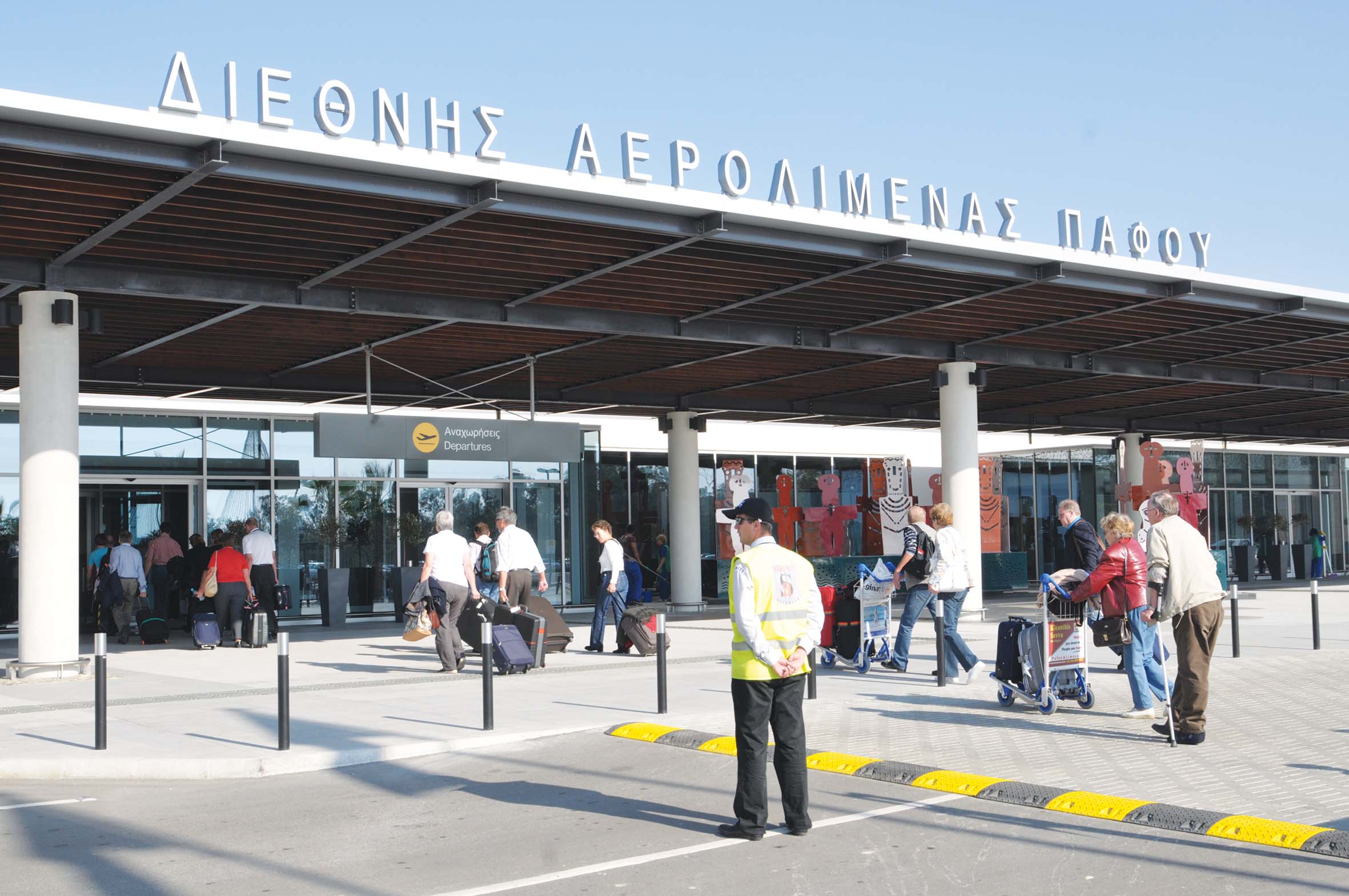
    Hermes Airports announced that more than 50 flights at Larnaca and Paphos airports are likely to be delayed or cancelled between 11am and 2pm, impacting over 15,000 passengers. The airport operator has urged travellers to contact their airlines or travel agents for the latest updates and to monitor the official website for rescheduled flight information.

    As the strike unfolds, several flights have already been cancelled, including those from Jazeera Airways to and from Kuwait, Qatar Airways to and from Doha, and Emirates from Dubai to Malta. To manage the expected increase in passenger volume post-strike, additional staff will be on duty after 2pm.

    Schools across the island are preparing for early closures, with parents advised to collect their children by 11am. School buses will not operate during the strike hours, and students attending all-day schools should return by 2pm to resume classes. Lunch services will not be provided, and privately run community nursery schools will adhere to their employers’ guidelines.

    Public bus services will also face significant disruption. Cyprus Public Transport (CPT) has stated that many scheduled routes may not operate during the strike, advising passengers to make alternative arrangements. Only morning school bus routes will run, leaving parents to arrange for their children’s transport home.

    In the health sector, hospitals will remain open but with reduced staffing. The national health scheme, Okypy, confirmed that A&E departments and wards will operate with minimal personnel during the strike hours. Patients with appointments during this time will be notified of any changes promptly.

    Citizen service centres will close between the strike hours, and individuals with appointments will receive messages regarding rescheduling. The Electricity Authority of Cyprus (EAC) is also adjusting its service hours, with customer service offices opening only briefly before the strike and resuming later in the day.

    This industrial action follows failed negotiations earlier this week between unions, employers, and the government concerning reforms to CoLA, which also touch on tax and pension issues. President Christodoulides has described these reforms as essential for modernising a system that dates back to 1960. He acknowledged that reforms often provoke reactions but insisted they are in the public’s interest.

    Labour Minister Yiannis Panayiotou emphasised that updating the allowance is necessary to meet contemporary needs, suggesting a graduated scale for CoLA based on earnings. He argued that higher earners should not receive the same support as those on minimum wage.

    Trade unions, including Sek and Peo, assert that the strike is crucial for protecting workers, particularly those on low incomes. Employers have expressed a desire for dialogue on modernisation but have condemned the strike, highlighting the need for essential services to remain operational. Demonstrations are also planned across various towns in Cyprus during the strike.

    In a joint statement, employers’ groups Oev and Keve have voiced their concerns over the government’s handling of the dispute, arguing that the current approach could harm the economy and deter foreign investment. They noted that the International Monetary Fund and the European Commission have previously called for the abolition of CoLA, marking it as a structural weakness within the public sector.

    Political reactions are divided; while some parties advocate for the restoration of allowances, others support the strike as a necessary measure. President Christodoulides has called for calm, suggesting that industrial action does not foster progress on reform.

    As the strike looms, it is clear that the impact will be felt across homes, schools, and workplaces throughout Cyprus, leaving citizens to navigate the challenges posed by this significant industrial action.