The future of the LNG project at Vasiliko is in jeopardy as design flaws and structural issues have raised serious concerns, potentially leading to its cancellation.
- The future of the LNG project at Vasiliko is in jeopardy as design flaws and structural issues have raised serious concerns, potentially leading to its cancellation.
Reports surfaced on Monday revealing that the project may have to be scrapped or completely redesigned due to unsafe materials and significant technical problems. This news follows a report from television channel Omega, which highlighted ongoing “design and materials issues” that have halted progress.
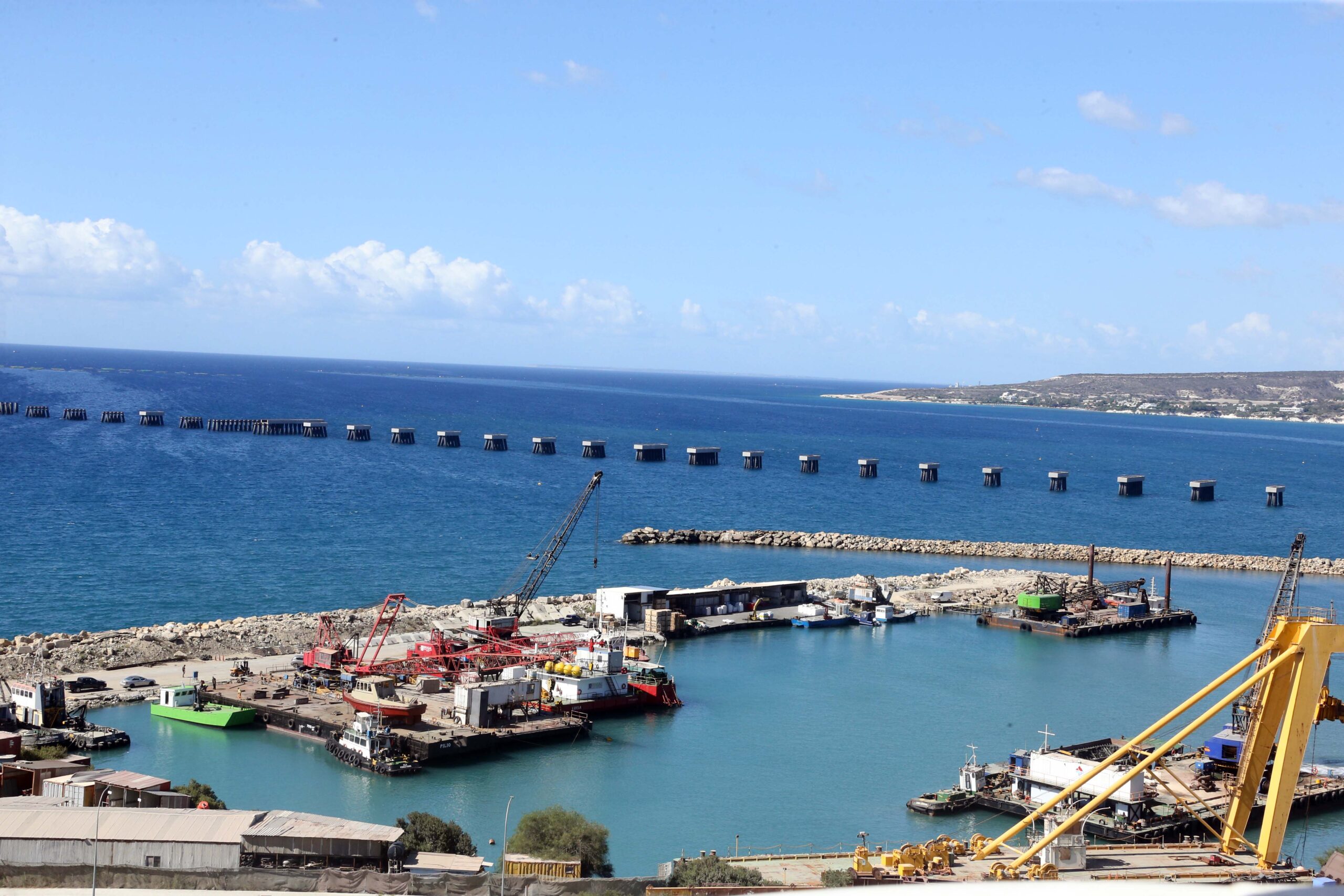
A source quoted by Omega stated, “There are very serious technical issues, which make it impossible to continue the work at this time. That is why the work on the pier has been at a standstill for months, and no timetable has been given by the authorities for the completion of the work.” This lack of clarity has left stakeholders in limbo.
In response to the unfolding situation, Energy Minister George Papanastasiou acknowledged the government’s efforts at “damage limitation.” To date, the troubled LNG project has cost taxpayers approximately €320 million, with an additional €70 million requested by the government in March.
Adding to the concerns, a former director at the Transmission System Operator (TSO), Christos Christodoulides, confirmed the reported deficiencies. He disclosed that the sub-contractor responsible for constructing the jetty at Vasiliko has declined to accept responsibility for the materials and infrastructure, which reportedly require extensive repairs or even remanufacturing.
Christodoulides raised questions about how the government would attract new bidders to take over the project under these circumstances. Furthermore, he indicated that the project manager might consider rebuilding certain infrastructures at Vasiliko due to the lack of certification for critical equipment and materials already in use.
Sources have suggested that some components ordered by the previous Chinese-led consortium lacked safety certifications. This includes high-pressure valves essential for safe operations. Such revelations have led many to speculate about the integrity of the entire project.
In light of these challenges, Christodoulides proposed an alternative strategy: piping natural gas from the offshore Aphrodite reservoir. This plan would involve constructing a pipeline from the reservoir to the existing infrastructures at Vasiliko, allowing for a more immediate and reliable supply of natural gas for electricity generation.
Such a solution could meet the island’s energy needs with only approximately 0.6 billion cubic metres of natural gas per year, providing a feasible ‘Plan B’ while the LNG project remains uncertain. However, pursuing this option would require the government to renegotiate the development plan with the Aphrodite concession holders.
Even before the Omega report, Minister Papanastasiou hinted at the need for a potential “course correction” regarding the LNG project. Initially awarded in 2019 with a 24-month deadline for completion, the project has seen multiple missed deadlines from the Chinese-led consortium, which ultimately terminated the contract in July 2023, citing irreconcilable differences with the Cyprus government.
The floating, storage and re-gasification unit (Fsru), a critical component of the LNG project, remains stuck in a Malaysian port for fitting, illustrating the severe delays and complications that have plagued this initiative.