Tag: vehicle recalls

  • Takata airbag — Review of Takata Airbag Inquiry Set for September 10

    Takata airbag — Review of Takata Airbag Inquiry Set for September 10

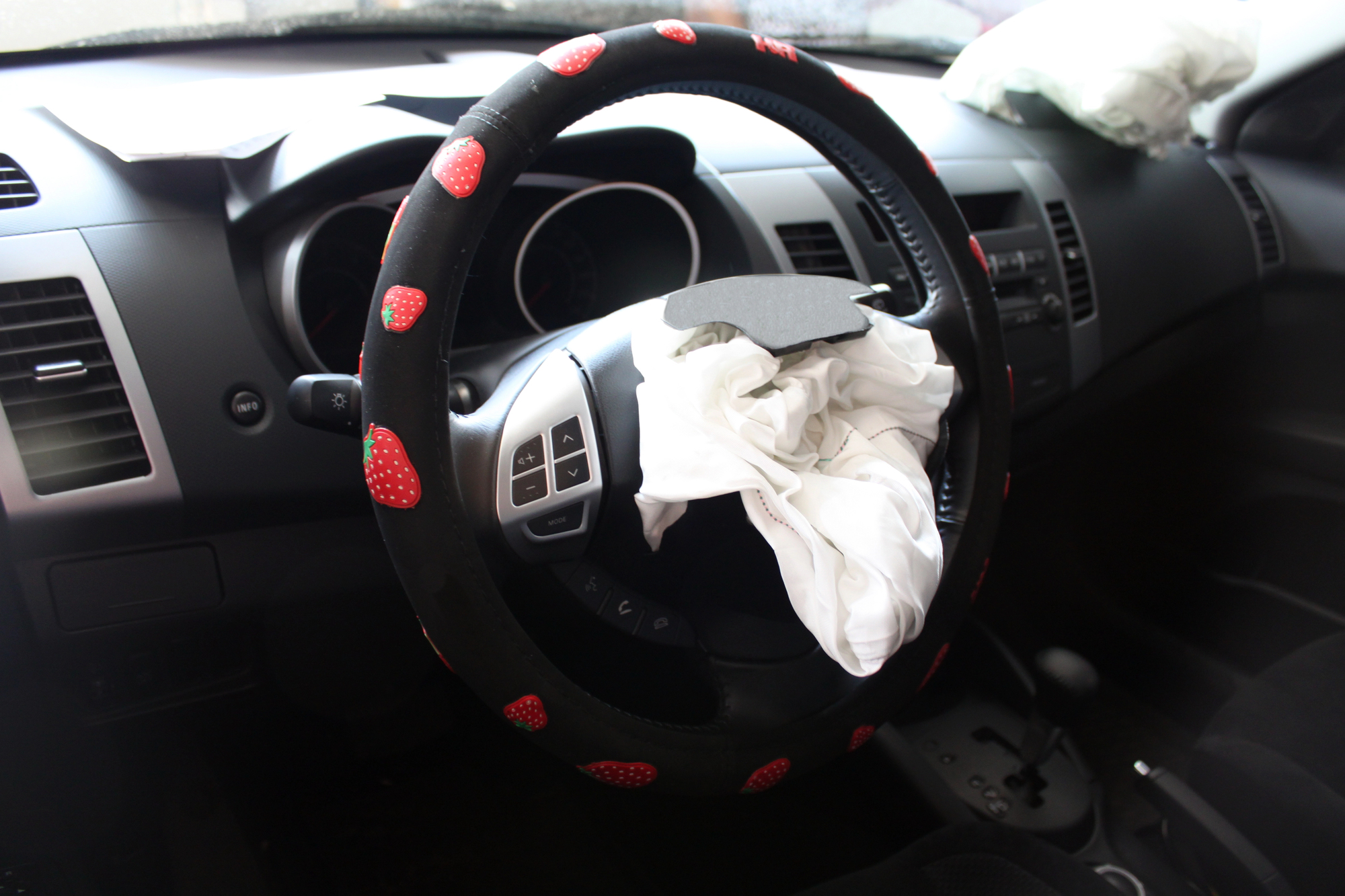
    The upcoming review of the Takata airbag inquiry is crucial, as it addresses serious safety concerns that have already claimed lives. Transport Minister Alexis Vafeades confirmed that the findings from the investigative committee will be completed by September 10.

    The committee, which comprises members from the department of road transport, electromechanical services, and police, has commenced its work. Vafeades is expected to meet with the committee in early September to finalise the study, with the aim of presenting recommendations to the road safety council for formal adoption.

    In tandem with the inquiry, the ministry has initiated a public information campaign, which began in August and will run until the end of September. This campaign serves as a reminder to vehicle owners that the eight-month recall period for cars identified in February will conclude on October 3. After this deadline, any vehicle that has not undergone the necessary recall will lose its roadworthiness certificate, rendering it illegal for use on public roads.

    Vafeades has urged car owners to act without delay, noting that while authorised distributors have availability for appointments, the uptake among drivers has been disappointingly low. “This shows people themselves are not moving forward with recalls, even though appointments are available,” he stated.

    The minister also emphasised the ongoing risk posed by the faulty airbags, calling for public cooperation to ensure safety. In cases where distributors are unable to provide appointments, vehicle owners are encouraged to reach out to the department of road transport for assistance.

    It’s important to highlight that airbag replacements performed by private mechanics are not recognised as valid. Only authorised distributors are permitted to carry out these replacements to ensure safety and prevent potentially hazardous airbags from entering the secondary market.

    The Takata airbag crisis has become one of the largest safety recalls in history, with its implications felt worldwide. In Cyprus alone, the defective airbags have led to two confirmed fatalities. In 2023, Kyriakos Oxinos suffered fatal injuries when metal fragments from a malfunctioning airbag struck him during a collision. The following year, Styliani Giorgalli died as a result of a defective airbag that caused severe injuries to her aorta and lung in a traffic accident.
  • Pending Takata Airbag Recalls Affect 33,000 Vehicles in Cyprus

    Pending Takata Airbag Recalls Affect 33,000 Vehicles in Cyprus

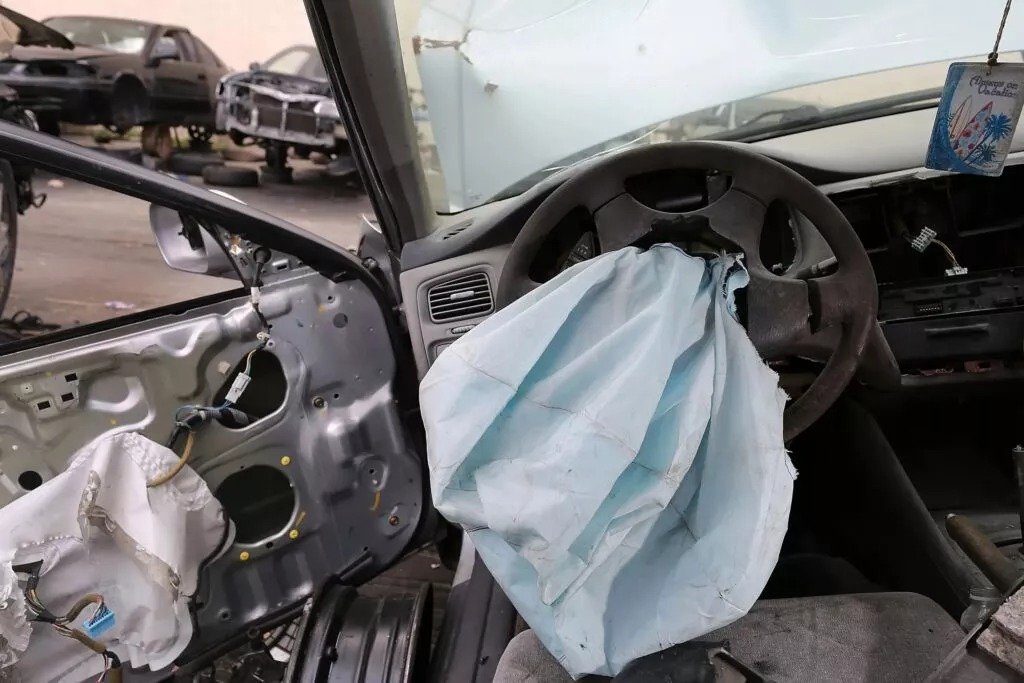
    Approximately 33,000 cars are pending recalls due to defective Takata airbags, according to the Cyprus Road Transport Department (RTD). This number comes from an initial 81,000 cases, and with an early October deadline approaching, officials are urging vehicle owners to act promptly.

    The RTD’s recent updates highlight delays caused by summer closures at several companies involved in the recall process. Of the outstanding cases, around 5,000 vehicles are currently immobilised, while an additional 2,000 have been deregistered. This situation effectively reduces the actual number of vehicles needing urgent repairs before the upcoming deadline.

    As part of the recall efforts, authorities have identified an additional 15,000 vehicles that also require attention for the same airbag defect. Owners of these vehicles have eight months from the notification date to complete necessary repairs. Repair procedures have already begun, with priority given to immobilised vehicles and those on the original recall list facing imminent deadlines.

    Takata airbag: Urgent Call for Vehicle Owners

    The RTD receives ongoing updates from companies regarding the completion rates of these recalls. Currently, multiple companies have confirmed they can accommodate appointments for repairs, yet the department stresses the importance of action from non-responsive owners to schedule their repairs as soon as possible.

    Safety Risks of Defective Airbags

    The recall programme is a critical response to the dangers posed by defective Takata airbag systems, which have the potential to cause serious injury or even death to vehicle occupants. Cyprus is joining a global initiative to resolve this pressing automotive safety issue, which has affected millions worldwide.

    Challenges in Cyprus

    Cyprus faces unique challenges in managing the recall of vehicles, particularly due to its significant “grey” vehicle market. This market includes used cars imported from other countries with minimal oversight, resulting in thousands of potentially hazardous vehicles entering circulation without proper recall notifications. Under local laws, these vehicles must be less than five years old for import, creating a gap where safety defects are not effectively communicated to owners.

    In light of this, the RTD has been focusing on addressing three serious incidents related to Takata airbag explosions within vehicles on the island, two of which were fatal. The investigation has highlighted gaps in communication and responsibility, notably a circular issued on 21 March 2017 that relieved importers of their obligation to inform owners about recalls for grey market vehicles.

    Global Context of the Takata Crisis

    The Takata airbag issue first emerged in 2010 in the United States, evolving into one of the largest automotive recalls in history, affecting over 100 million vehicles globally. The crisis stems from defective inflators that can rupture with excessive force, sending metal fragments into vehicle cabins.

    As the October deadline looms, the RTD continues to work with authorised service centres to ensure repairs can be completed timely. Companies are reporting their readiness to handle the remaining cases, but the urgency for vehicle owners to respond cannot be overstated. With safety at stake, this recall remains a top priority for both local and international authorities.